From traffic jams to inbox overload, AI is quietly tidying up your life while collecting data on every click

Vitaly Gariev / Unsplash
Artificial intelligence isn’t just lurking in research labs or behind paywalled chatbots. It’s in your inbox, your playlists, your maps, and maybe even your coffee routine.
Most people meet AI dozens of times a day without realizing it. In every autocomplete, route suggestion, or smart reminder is a micro-intervention designed to make life smoother (and keep you hooked).
What started as a way to automate the boring stuff has turned into something subtler: AI anticipating your needs before you know you have them.
It predicts when you’ll be late, what you’ll forget, and how to get you to click “buy” faster. The machines aren’t taking over. They’re just quietly tidying up your to-do list.
Here are ten everyday problems AI is already solving and ten subtle ways it might be solving you too.
Dan Chung / Unsplash
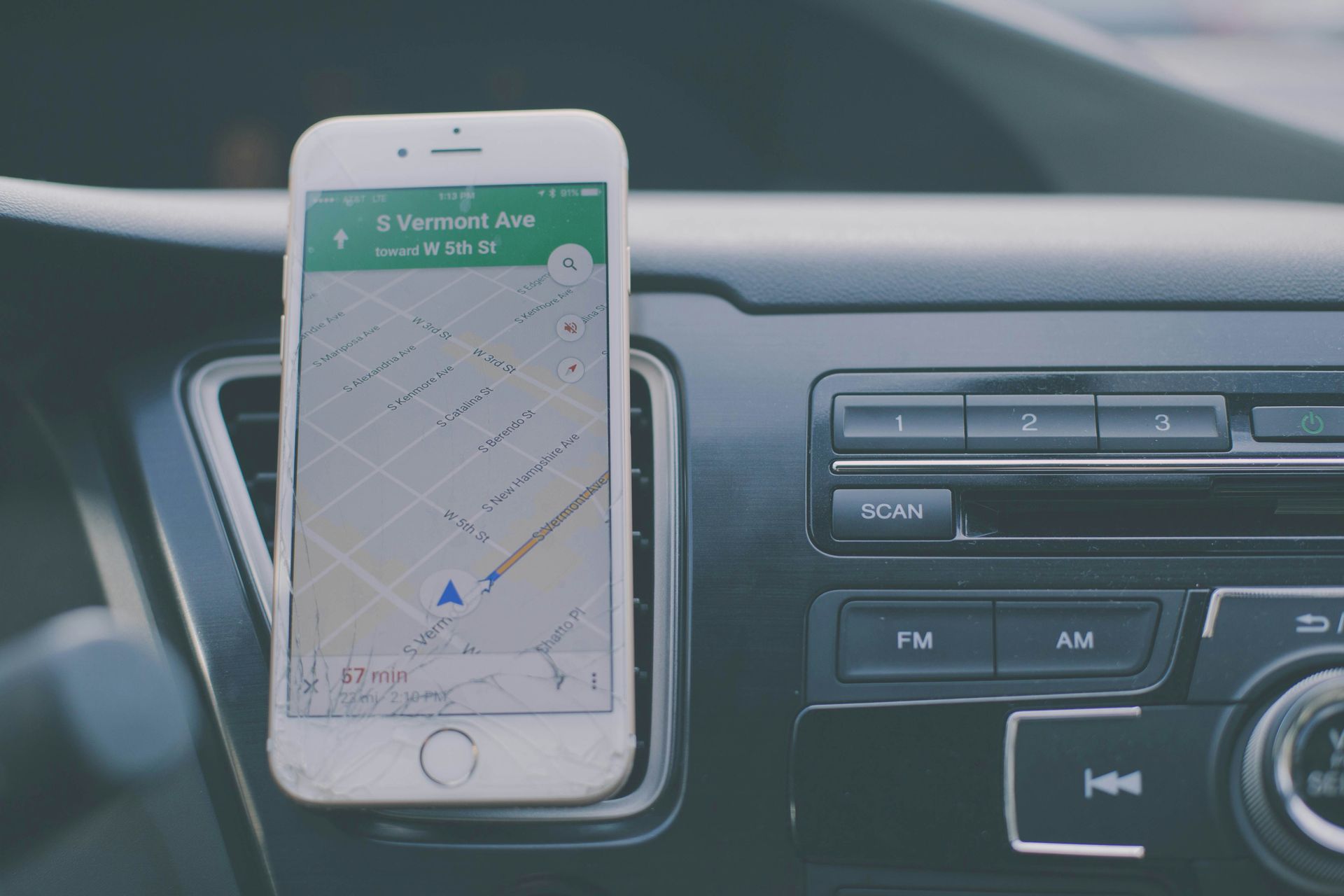
Navigation systems no longer just find the fastest route, they find the smartest one. Apps like Google $GOOGL Maps use AI to analyze live traffic patterns, historical data, and your own driving habits to steer you away from gridlock before it forms. It’s not guessing, it’s pattern recognition at scale.
-1920x1281.jpg)
Justin Morgan / Unsplash
Email filters powered by machine learning now read tone, urgency, and intent. Outlook and Gmail quietly flag what actually needs attention, sparing you from digital clutter and missed deadlines. The algorithm has become your new assistant that never asks for time off.
Cardmapr / Unsplash
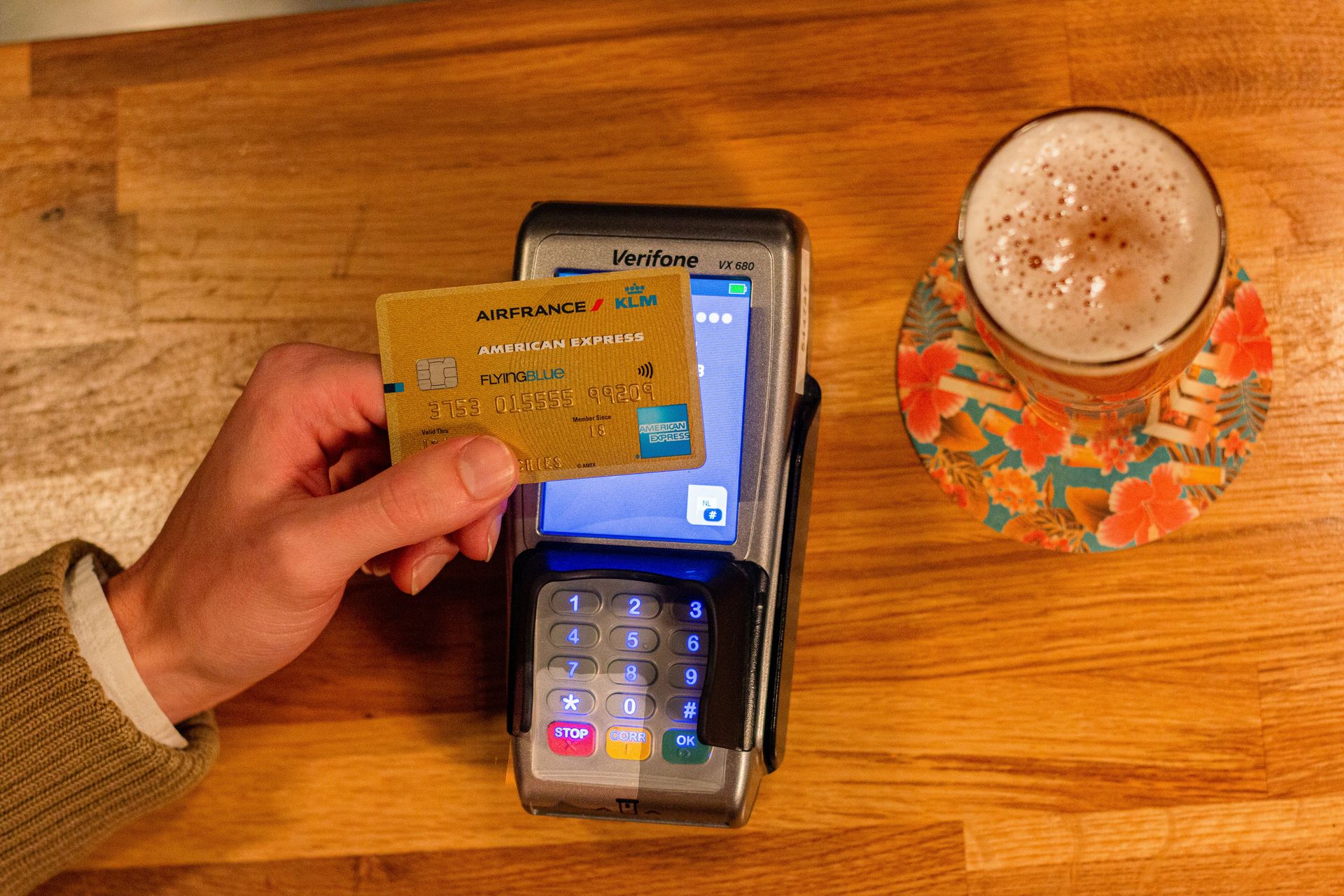
E-commerce algorithms track your clicks, pauses, and wish lists to predict what you’ll want next. According to this Stanford report, what used to be marketing guesswork is now a finely tuned AI performance, and one that knows your next impulse before you do. The result: “serendipitous” discoveries that feel personal but are really precision targeting.
Karla Arroniz / Unsplash
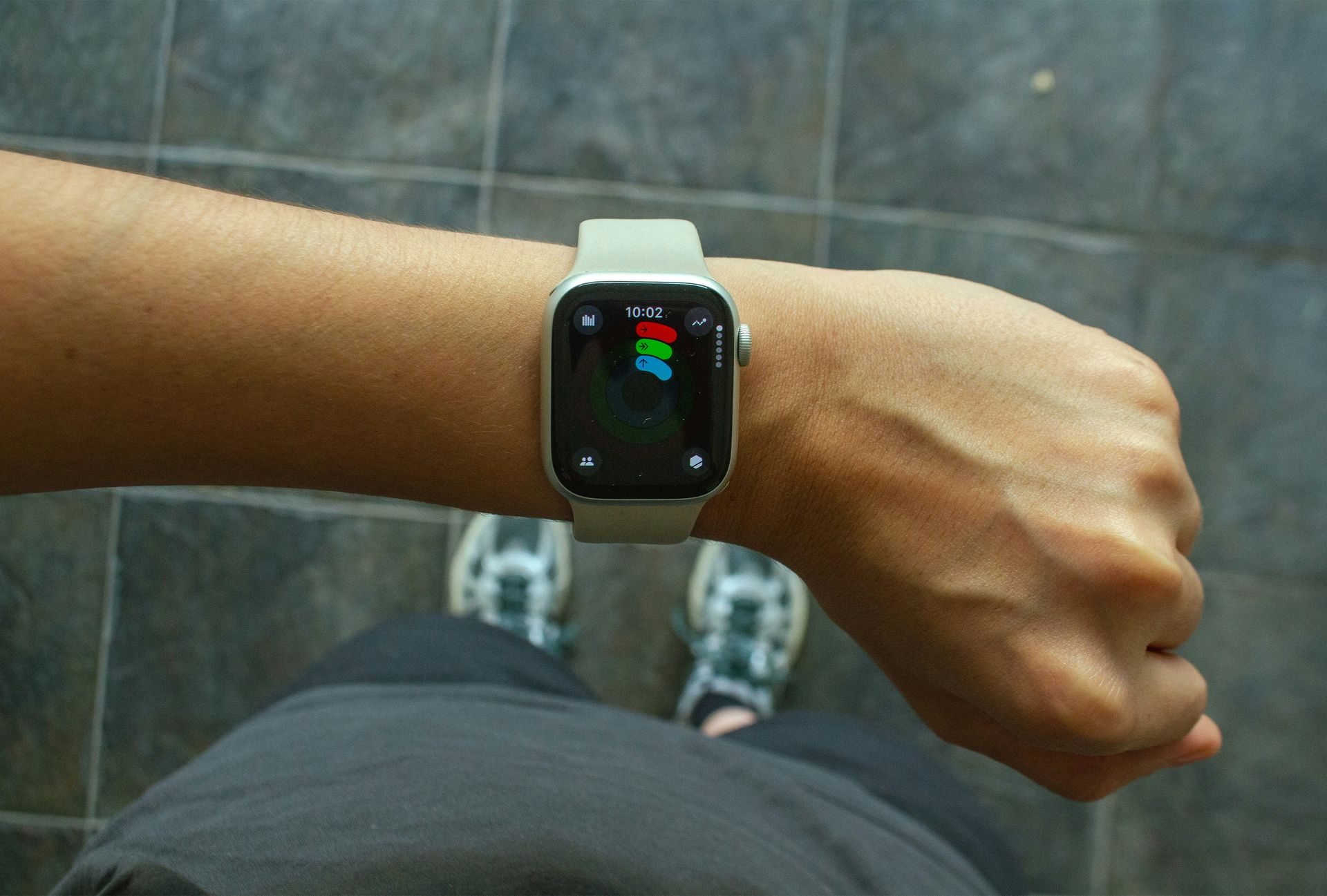
Fitness apps powered by AI track everything from heart rate to motivational dips. They adjust your training plan based on performance data, fatigue levels, and mood, nudging you toward just enough pain to keep you hooked. It's like a gym buddy that never flakes, and never forgets your stats.
Bence Boros / Unsplash
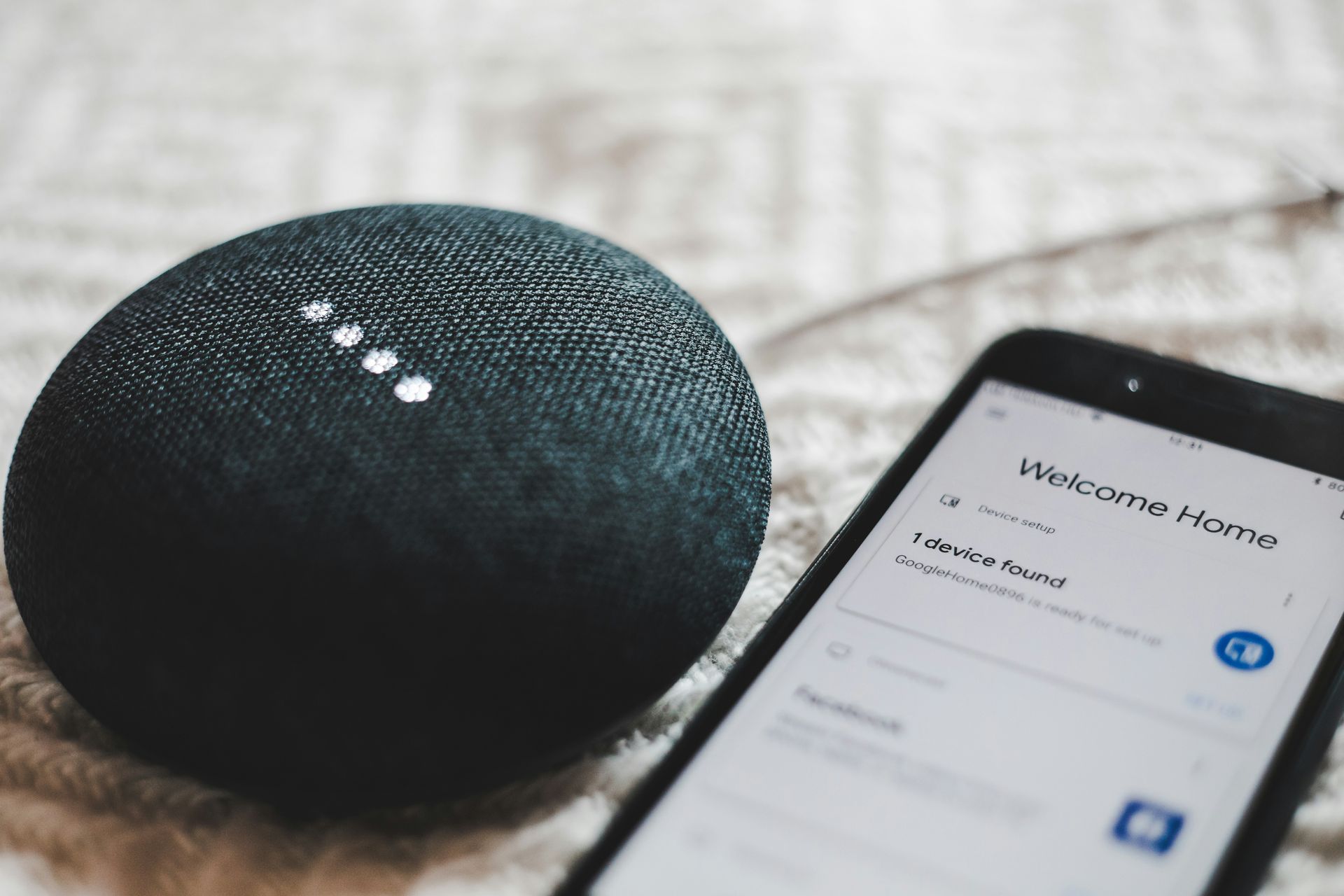
Smart thermostats, lighting systems, and security cameras now learn from your rhythms, such as when you wake, leave, and come back. Over time, they anticipate your comfort levels and adjust automatically. It’s domestic intuition, outsourced to code.

Mollie Sivaram / Unsplash
Streaming platforms use AI to learn your emotional arcs for when you want comfort TV, when you crave chaos. By mapping your watch history to thousands of others, the system can cue the perfect dopamine hit at the perfect time. It’s not random. It’s predictive empathy.

Iwaria Inc / Unsplash
According to LinkedIn, AI calendar assistants analyze how you actually work, rather than how you say you work. They learn when you focus best, when you procrastinate, and when to schedule breaks so you don’t crash. The system doesn’t judge, it just quietly optimizes your chaos.

Vitaly Gariev / Unsplash
AI translation tools can instantly decode menus, meetings, and memes. Behind the scenes, machine learning models pull from billions of examples to refine phrasing and tone, closing cultural gaps on the fly. The result is less “robot English,” more fluent globalization.
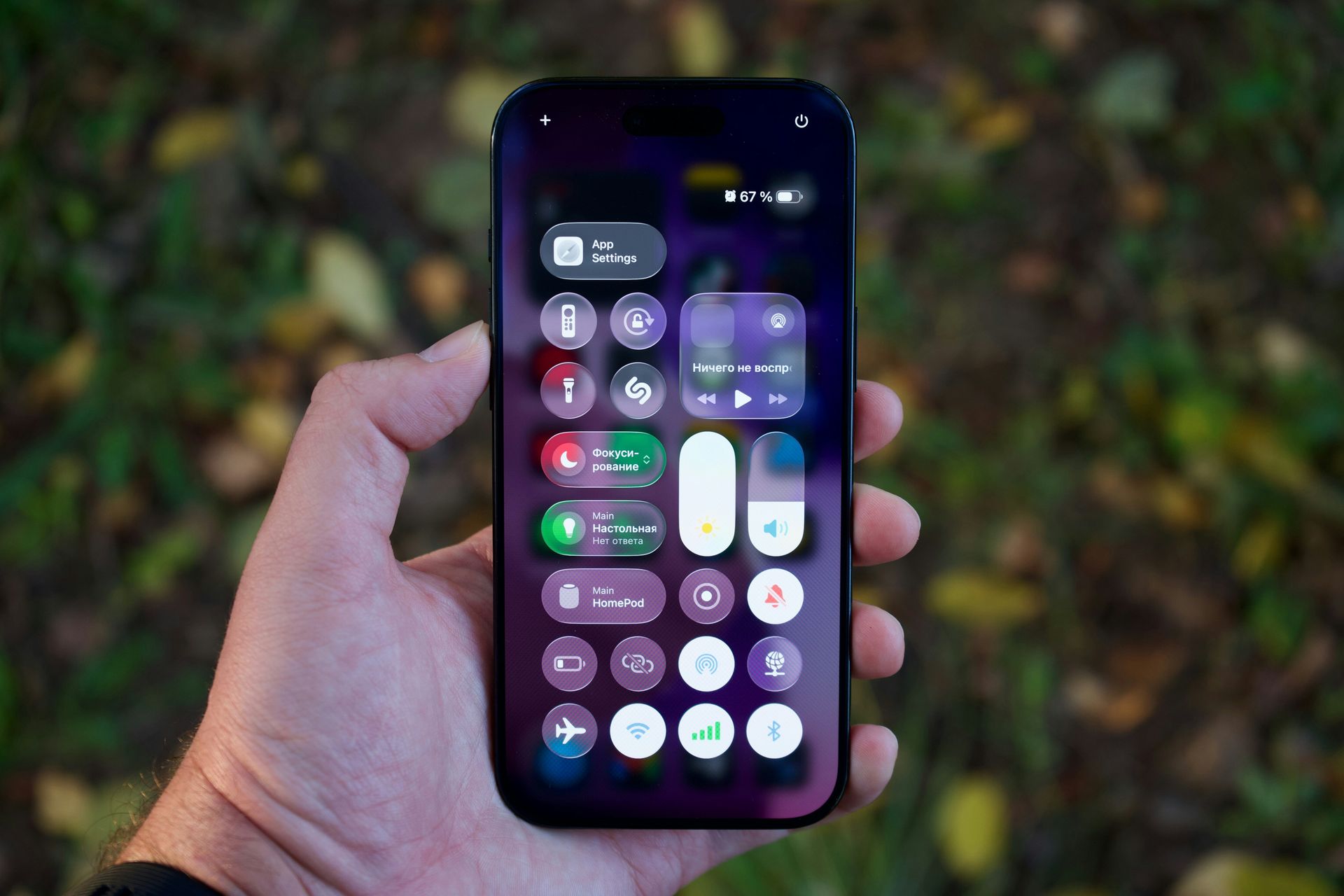
Georgiy Lyamin / Unsplash
Your smartphone’s AI quietly predicts what you’ll need next, such as reminders, directions, or a heads-up that you’re running late. It’s no longer just reactive; it’s anticipatory, curating the next moment before it happens. Convenience has never been this invisible.
Read more: Is the AI boom actually a bubble? Here’s everything you need to know
