Cartoon kittens are having a big impact on a certain cryptocurrency. Collectors of the digital tchotchkes are clogging up the ethereum network, delaying transactions, and causing a pile-up of unprocessed transactions. The collectors are playing CryptoKitties, a game built on the ethereum blockchain where players spend ether—the digital token used by ethereum—to breed cartoon kittens or trade with other players. Unprocessed ethereum transactions have risen about six-fold since CryptoKitties was released on Nov. 28, according to data provider Etherscan.
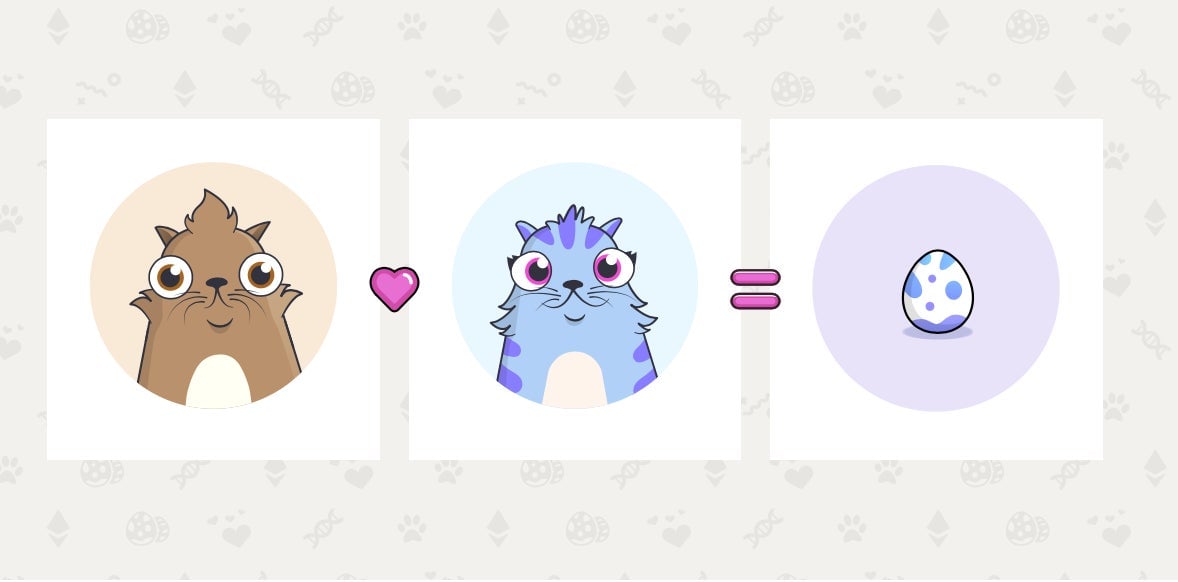
Cartoon kittens are having a big impact on a certain cryptocurrency. Collectors of the digital tchotchkes are clogging up the ethereum network, delaying transactions, and causing a pile-up of unprocessed transactions. The collectors are playing CryptoKitties, a game built on the ethereum blockchain where players spend ether—the digital token used by ethereum—to breed cartoon kittens or trade with other players. Unprocessed ethereum transactions have risen about six-fold since CryptoKitties was released on Nov. 28, according to data provider Etherscan.
CryptoKitties now has the busiest address on the ethereum network, accounting for nearly 12% of all transactions. That’s a threefold increase from Saturday (Dec. 2) when it was responsible for about 4% of all ethereum transactions.
Join 500,000+ readers who start their day with Quartz.
By subscribing, you agree to our Terms of Service and Privacy Policy.
There are more crazy stats. The value of the digital felines has skyrocketed. The most expensive kitten was about $5,000 when Quartz published a story on the phenomenon on Saturday (Dec. 2). That same day, a kitten was sold for over $117,000. Dozens of kittens have been sold in the five-figure range, according to data provider Crypto Kitty Sales. Here are the top five most expensive crypto kitties:
The network congestion forced the game’s developers, a Vancouver company called Axiom Zen, to raise prices. This made processing the game’s transactions more attractive to ethereum miners, improving the odds of the transactions being accepted. Some $2.7 million has changed hands on the CryptoKitties marketplace in the six days it has been active, according to data from Crypto Kitty Sales. The developers of the game told Quartz it had 1,165 players on Dec. 1 (Update: the game has 6,600 active players as of Dec. 4, according to Benny Giang of Axiom Zen).
To recap, a unique property of a blockchain-based game like CryptoKitties is the fact that the game’s collectibles are digital objects that don’t depend on their issuer for their existence. This means that CryptoKitties’ developers could vanish tomorrow, but the kittens would still exist as smart contracts on the ethereum blockchain, with their current owners. This is in contrast to valuable collectibles in popular online games like Counterstrike or World of Warcraft, whose existence and ownership rely on the games’ publishers maintaining centralized servers storing those digital items.
The popularity of CryptoKitties, and the resulting congestion on the ethereum network, lays bare the central challenge for blockchain architects: Decentralizing an application can potentially make it very valuable, as in the case of the immutable kittens in the game. Yet no one has yet designed a way to make these decentralized platforms deliver the speed and scale we’ve come to expect of the most popular internet applications. The bottleneck for ethereum’s decentralized apps will be how its own infrastructure copes with clamoring demand—which is a good problem to have, for proponents of the “world computer.”
