The Chinese government has asked its 1.3 billion citizens to go easy on the meat and eggs.
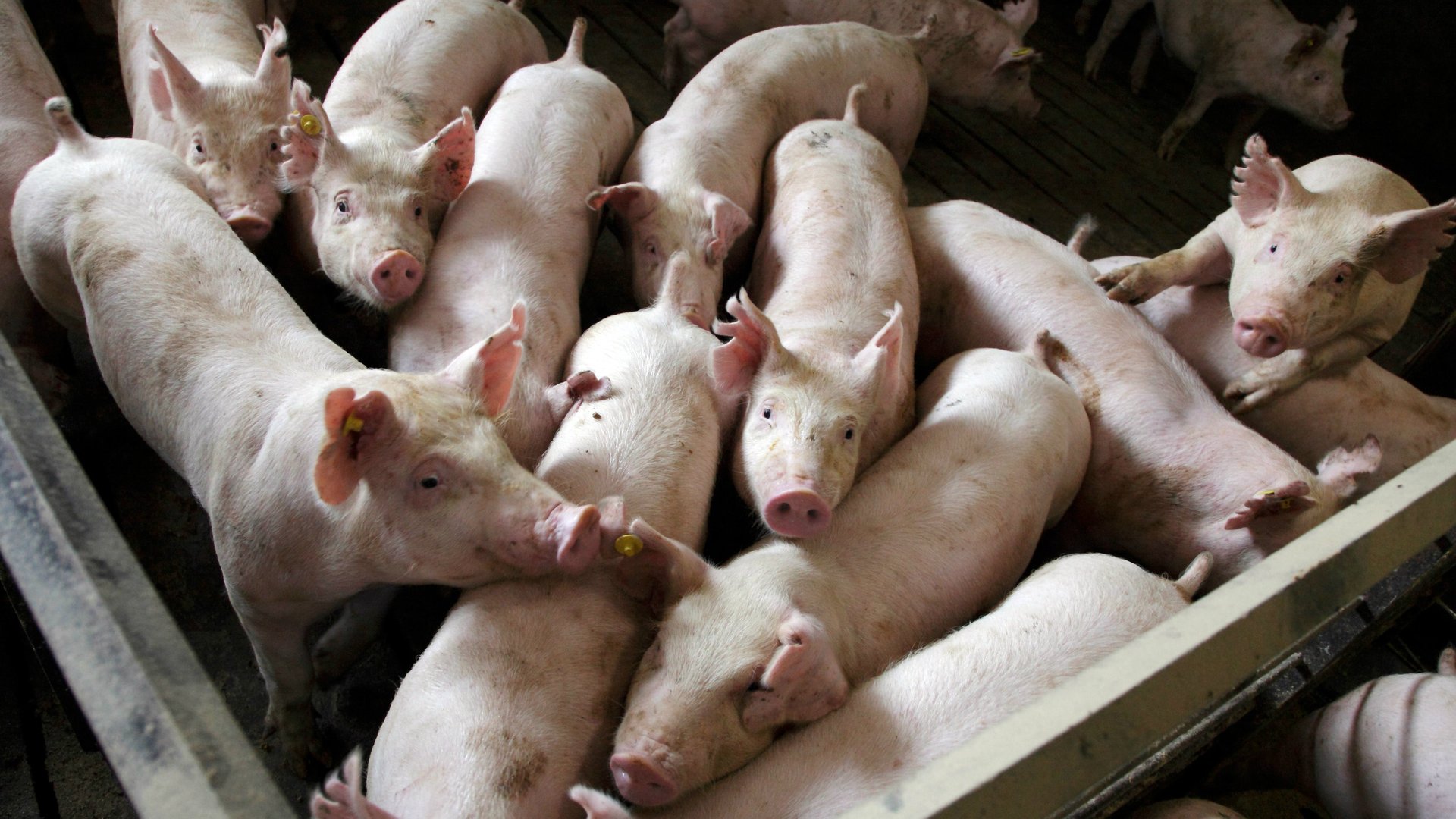
The Chinese government has asked its 1.3 billion citizens to go easy on the meat and eggs.
The recommendation (Chinese) by the National Health and Family Planning Commission is part of a campaign to combat chronic health problems stemming from obesity and overweight. China’s growing middle class has been buying more meat and dairy as their incomes have risen, though their meat and egg consumption still doesn’t rise to the level of Westerners’ diets.
Join 500,000+ readers who start their day with Quartz.
By subscribing, you agree to our Terms of Service and Privacy Policy.
Americans, meanwhile, have been eating more meat and eggs, influenced in part by lower meat prices and a wave of protein-heavy health trends.
The call by the Chinese health agency to reduce fatty meat and egg consumption to 200 grams per day (the average Chinese citizen consumes roughly 254 grams of meat and 142 grams of dairy and eggs) could hurt US exporters of pork and beef, which dominate those export markets globally and say they need new markets to grow. Those industries have kept down US health advocates who want the country’s dietary guidelines to explicitly recommend less meat consumption.
Health advocates who have pushed for less meat consumption also highlight the immense impact it could have on the environment, given that factory farms emit methane gas and polluting local waterways.
For Chinese public health, the move is a step in the right direction, said Yanzhong Huang, a senior fellow for global health at the Council on Foreign Relations. Childhood obesity numbers have shot up dramatically in China’s rural provinces since the mid-1980s, thanks to a more Westernized diet, less exercise and more time spent on devices. Within one generation, the percentage of Chinese children who are overweight or obese has risen from 5% to 20%. That puts the population at higher risk of the cardiovascular disease and diabetes that are prevalent in the West.
“Given the rapid rise of non-communicable diseases and their risk factors such as obesity/overweight, this development shows that the health bureaucracy is taking actions that are necessary, however limited they may sound,” Huang said.
The trick for Chinese health officials will be to mobilize the country’s complex political apparatus to put guidance into action.
