
AI tracks your habits, moods, and clicks to steer your shopping choices in real time. The scary part? You probably think it’s intuition

Korie Cull / Unsplash
Artificial intelligence has quietly taken over the checkout line. It knows when you’re tired, what you’ve been scrolling, and how much hesitation your cursor betrays before a click.
In an age where almost 60% of shoppers already use AI to help make purchases, the line between preference and prediction has gone fuzzy.
Every search, scroll, and pause now feeds an invisible feedback loop. AI systems analyze micro-behaviors, such as browsing time, tone of reviews, and even payment rhythm, to predict what you’ll want next. It’s personalization, but with teeth.
What once felt like helpful suggestions has evolved into a marketplace built on manipulation so subtle it feels like intuition.
It would seem these tools are driving measurable gains: faster conversions, higher loyalty, and fewer abandoned carts. But the real story is control. AI doesn’t just respond to your habits. It trains them. Dynamic pricing, predictive ads, and automated recommendations all blur into an ecosystem where free choice competes with finely tuned persuasion.
AI isn’t just changing how we shop. It’s rewriting the idea of choice itself. The next time a deal feels perfectly timed, assume it was, and that you weren’t the one who timed it.
Up next are nine ways AI is quietly steering your spending, each one proof that the future of shopping isn’t about choice. It’s about prediction.
Blake Wisz / Unsplash
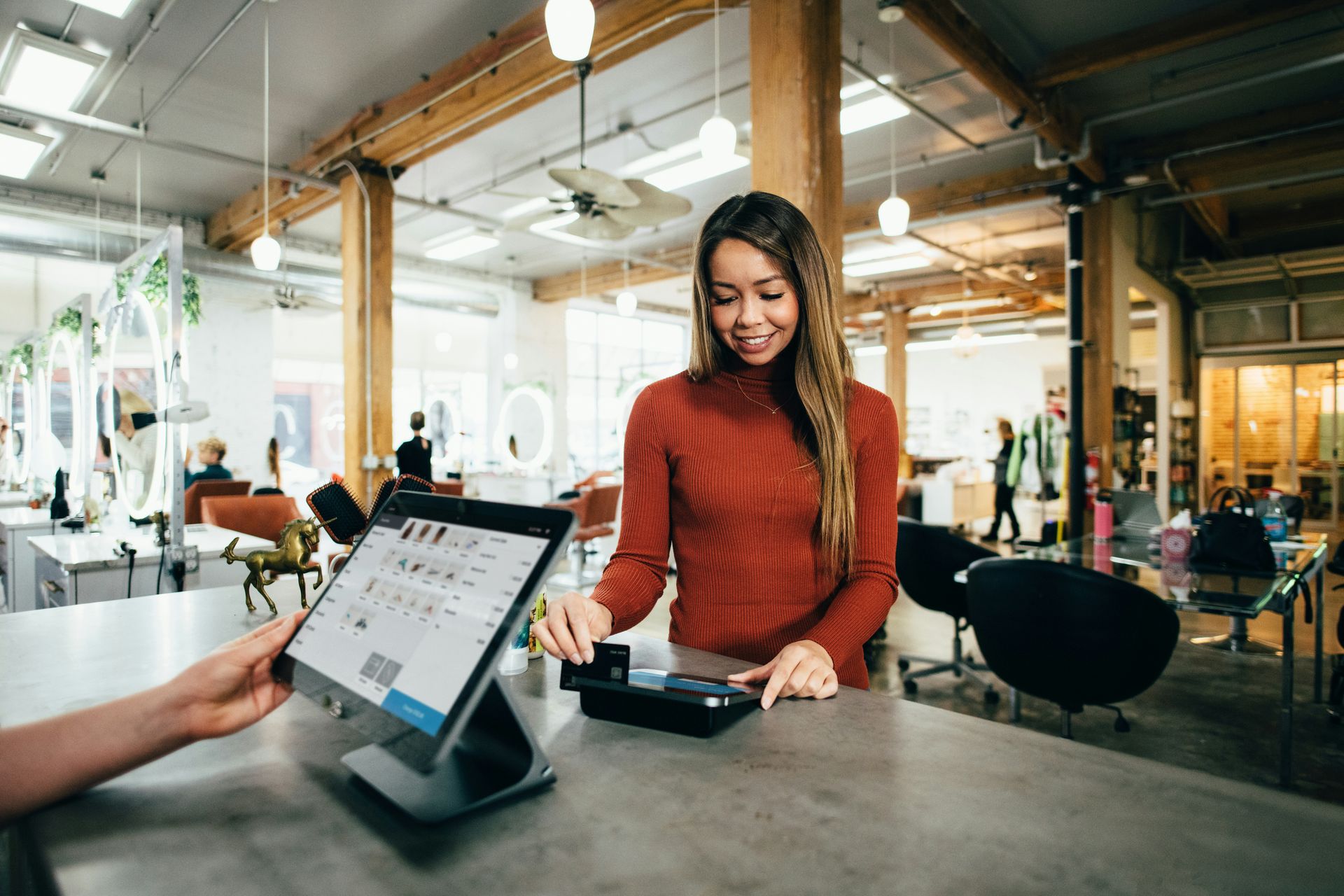
AI doesn’t just watch what you buy. It also watches how you buy. Dynamic pricing models use behavioral and historical data to tweak prices in real time, charging more when you’re emotionally primed to spend. Researchers at SCIRP note that such models “maximize profits and minimize inefficiencies” by identifying the moments when you’ll least resist. That evening glass of wine and scrolling session? They're tracking it.
-1920x1282.jpg)
CardMapr.nl / Unsplash
AI turns social media into an infinite aisle of targeted temptation. Predictive analytics track your preferences, social interactions, and purchase history to identify what you’ll crave next. Each scroll becomes a soft sell disguised as discovery.

John / Unsplash
According to ScienceDirect, AI-driven search tools now prioritize results with the highest predicted conversion rates, not necessarily the most relevant answers. The effect: what you find isn’t neutral. Rather, it’s engineered to guide you toward a purchase, not a conclusion.

Brooke Lark / Unsplash
Retail AI measures how long you linger, refresh, or revisit an item, then adjusts offers accordingly. If you wait too long, prices drop just enough to close the deal. It’s not guesswork. It’s behavioral economics at machine speed.
Thomas Kolnowski / Unsplash
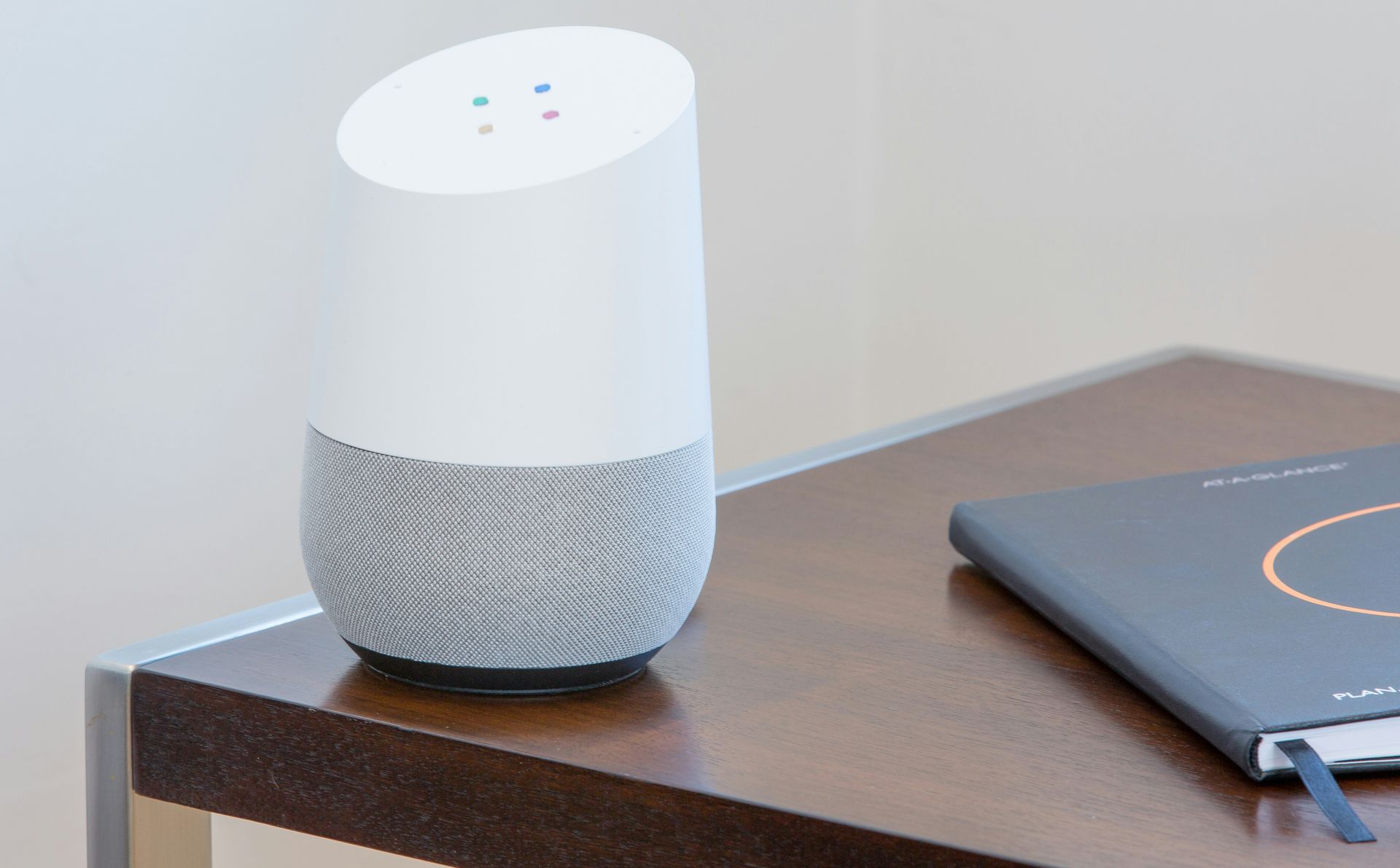
Voice AIs now recommend brands, products, and services in tones optimized for persuasion. ResearchGate notes how consumers trust “friendly” synthetic voices more than they realize. Alexa, please find the next sale.
Clark Street Mercantile / Unsplash
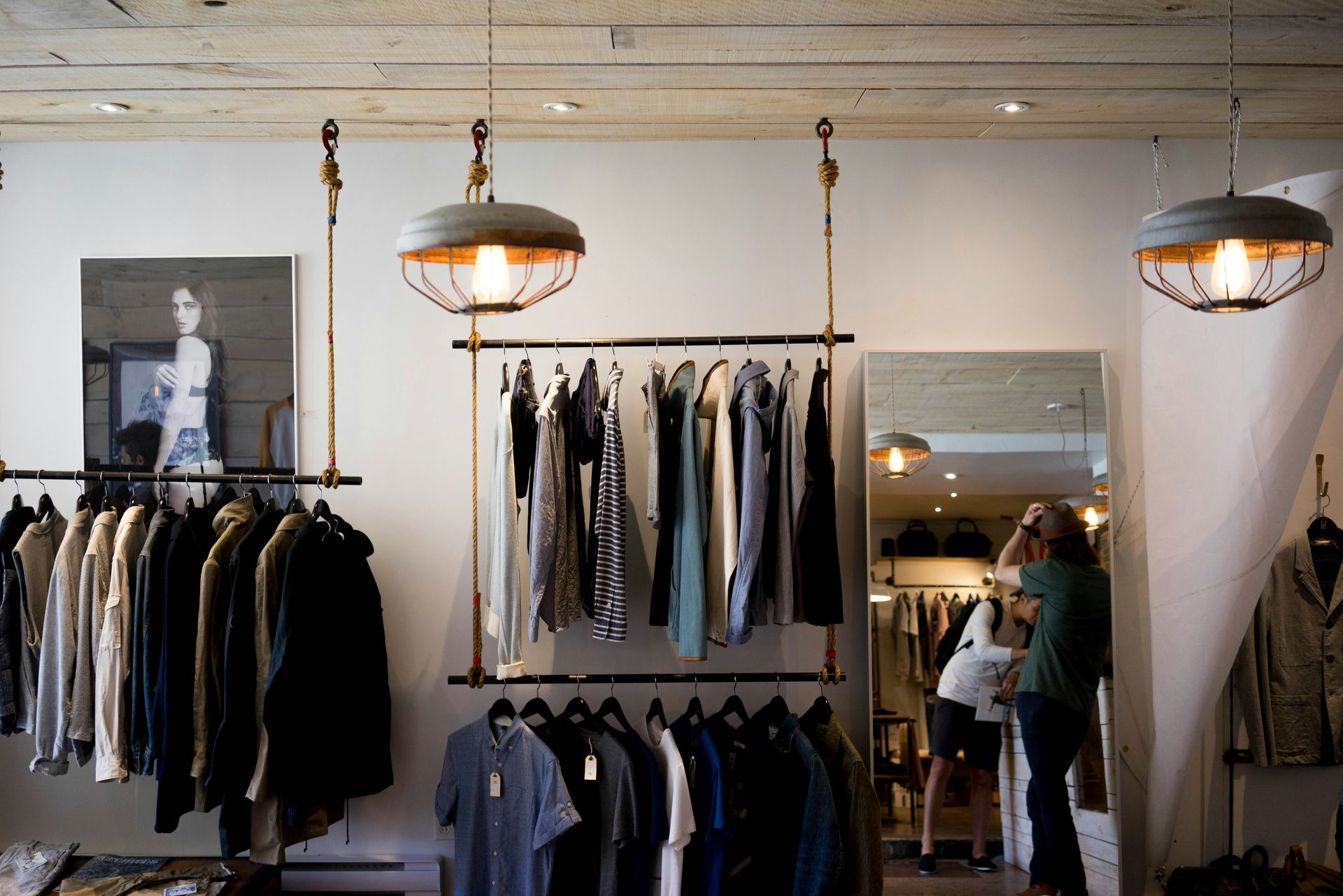
In physical retail, AI tools track movement and eye contact through smart cameras to optimize shelf placement. The CTA notes that retailers now use this data to redesign layouts in real time, nudging shoppers toward impulse zones. Even the aisles are learning.

Vitaly Gariev / Unsplash
AI engines like those used by major e-commerce platforms analyze when you’re most likely to act, (after lunch, before bed, during stress peaks), and push products accordingly. Convenient? Sure. Calculated? Absolutely.

Ali Khanian / Unsplash
Retailers are beginning to test emotion recognition to tailor ad tone and imagery mid-campaign. LumenAlta reports that emotion-sensitive algorithms already adjust colors, music, and copy depending on your detected mood. The next time you're in need of a little retail therapy, look no further than your mobile device.

Microsoft Edge / Unsplash
AI models predict return behavior with eerie accuracy. Darden $DRI School of Business researchers found that brands now anticipate repeat purchases before consumers decide to make them, enabling automated reminders and discounts that keep the cycle going. The result: loyalty without deliberation.
Read more: Is the AI boom actually a bubble? Here’s everything you need to know