Retailers are bracing for a $24 billion surge in online spending during this year's Prime Day sales spree
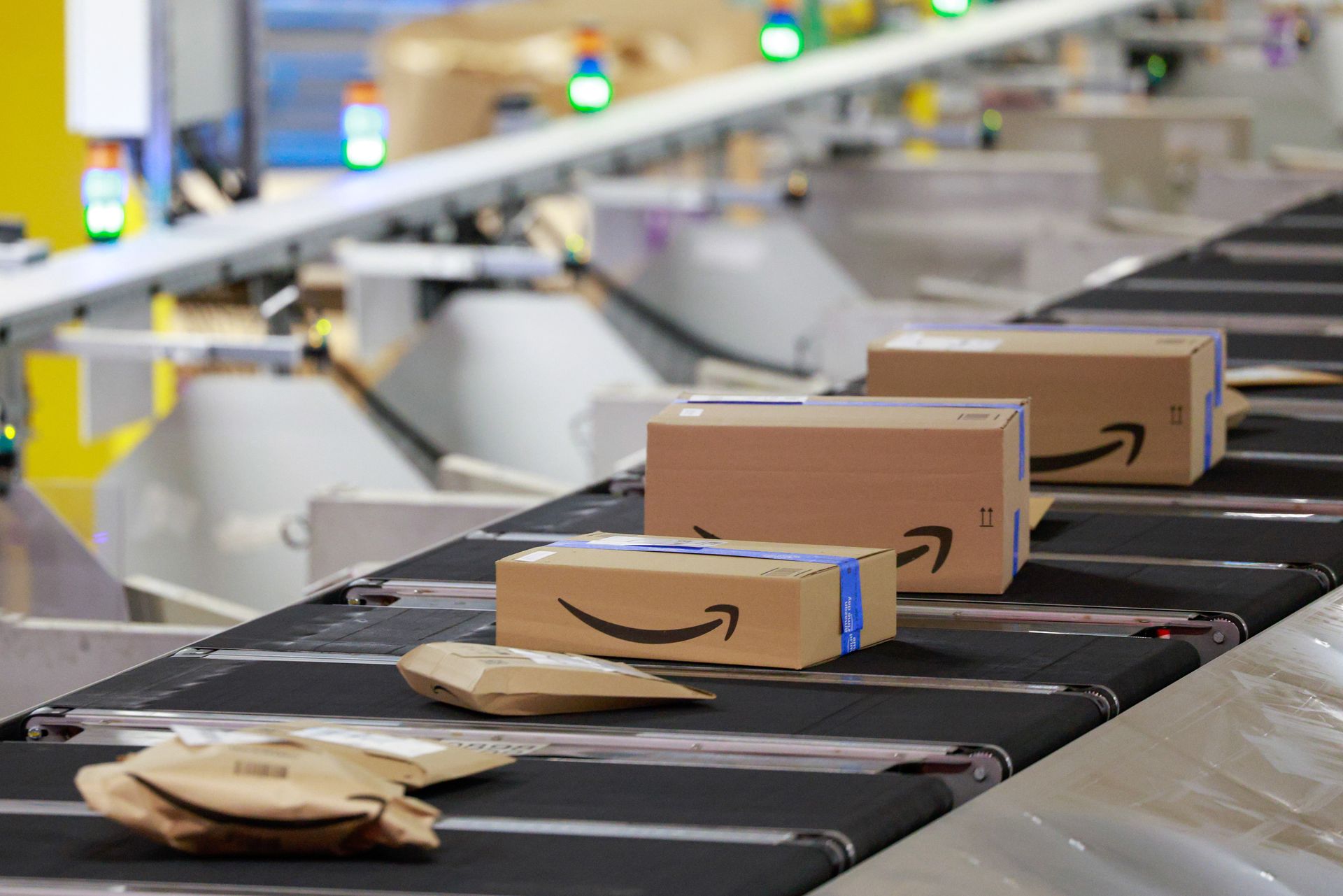
Jason Alden / Bloomberg via Getty Images
That’s roughly equivalent to having two Black Fridays rolled into one week, per the software and data company.
Prime Day officially runs July 8 through 11, with Amazon extending the sale to 96 hours for the first time. The company is hoping the longer window — and new, daily deal drops — will keep shoppers coming back. Competitors including Walmart $WMT and Target $TGT are also running their own sales to tap into the anticipated spending surge.
Adobe’s data shows people are likely to spend on higher-ticket items like electronics and appliances, while sticking to cheaper options for everyday goods. Adobe expects clothing to see the biggest discounts, averaging 24% off; it forecasts that prices for electronics, meanwhile, will drop around 22%.
Mobile shopping continues to drive much of the action, with purchases made on phones expected to make up more than half of total sales. Adobe notes that people are simply more likely to make impulse buys when they’re scrolling on their phones.
There’s also been a sharp rise in the use of AI shopping tools, with Adobe predicting traffic from AI-powered chatbots and assistants will jump over 3,000% compared to last year’s Prime Day.
Buy Now Pay Later options are expected to see a slight uptick, and influencer-driven sales remain strong, with nearly 20% of Prime Day revenue expected to come from affiliate links and social media recommendations.
The forecast underscores the pull of Amazon’s Prime Day as an indicator for broader consumer confidence, especially amid economic uncertainty tied to global trade tensions and shifting tariffs under President Donald Trump.
As Adobe put it, this year’s Prime Day spending surge reflects shoppers’ desire to “maximize value in a volatile retail landscape.”
Shoppers, however, may want to consider that companies sometimes inflate prices ahead of Prime Day to make their discounts seem better than they actually are. Last year, the tech news site Gizmodo found many examples of companies hiking prices, including one that reportedly raised its prices by 750%, only to offer a 90% discount from the new, raised price.
Amazon workers have said that Prime Day creates difficult working conditions inside the company's warehouses. A report commissioned by Senator Bernie Sanders' office found last year that Prime Day is a "major source of injuries" for workers.
Ben Kesslen contributed to this article.
Join 500,000+ readers who start their day with Quartz.
By subscribing, you agree to our Terms of Service and Privacy Policy.
