Bruce Yuanyue Bi / Getty Images
As tuition skyrockets, families are feeling increasing pressure to choose colleges that deliver a strong return on their investment.
With that in mind, Bankrate evaluated more than 100 college towns and cities nationwide, identifying where students can get the most value for their education.
The study found that smaller college towns, particularly those close to thriving job markets, tend to offer the best balance of affordability and long-term payoff. In contrast, larger and more expensive cities such as New York and San Francisco fell toward the bottom of the list.
To build the list, Bankrate drew on the latest data from the College Scorecard, the Bureau of Labor Statistics, and the Council for Community and Economic Research. The analysis covered 109 college towns and cities, focusing on four main factors: cost of living, 20-year return on investment (ROI), unemployment rate, and graduation rate. The ROI was calculated using median earnings and average annual net costs for students receiving federal aid, with in-state costs used for public universities.
“We have to make sure that we’re aligning with our kids, and they’re entering an environment that’s going to have a return on investment. We have to open our eyes to more possibilities and more options,” Larry Sprung, CFP and founder of Mitlin Financial, told Bankrate.
Continue reading to see which made the list — and why.
1 / 7
Derek Slagle / Getty Images
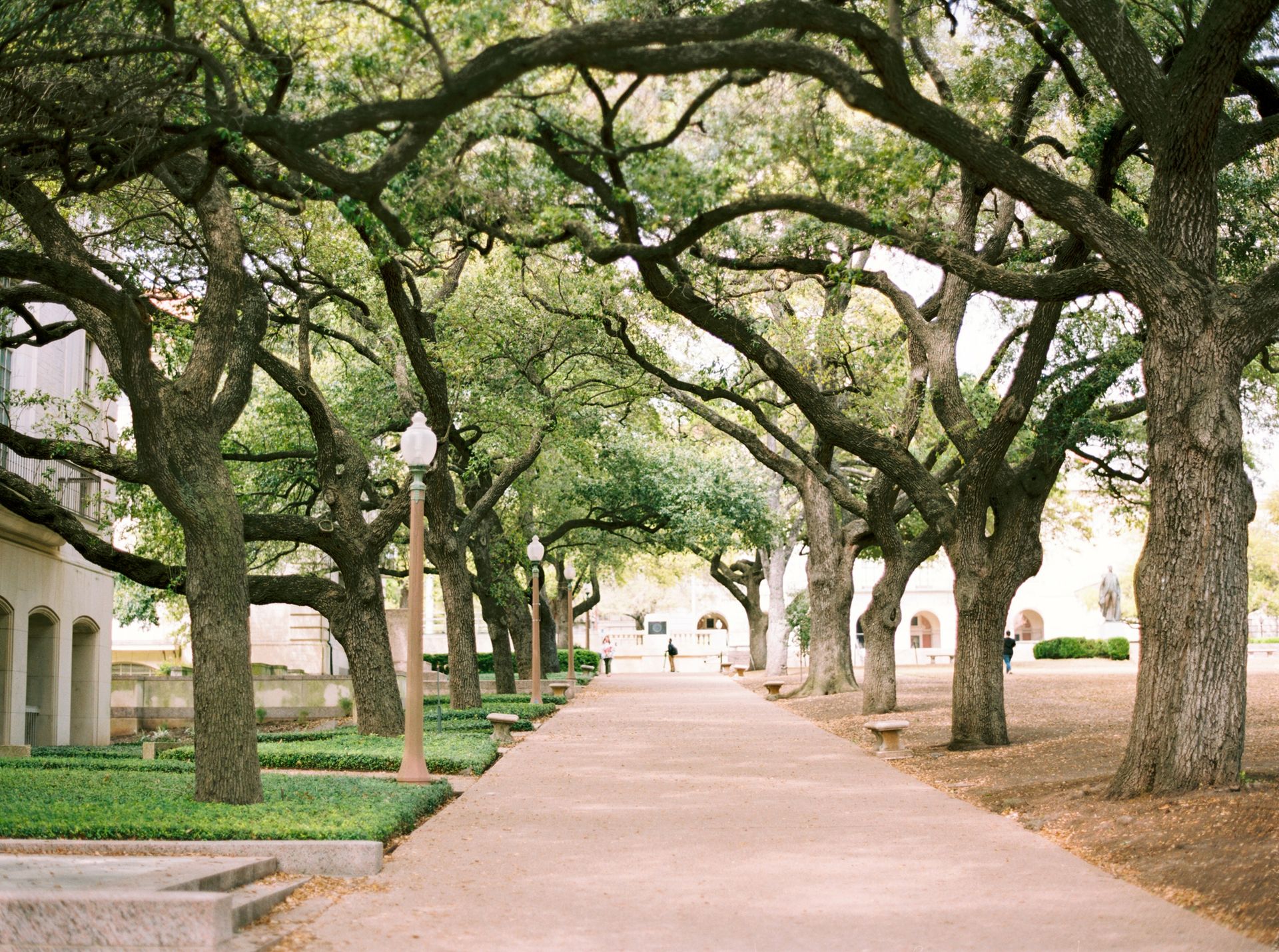
Austin is the rare big city that still delivers strong long-term value for college students. University of Texas at Austin graduates benefit from a robust job market and low unemployment rate of just 3.4%. Although Austin’s cost of living runs slightly above the national average, its 20-year return on investment of $1.42 million shows that paying a bit more upfront can lead to major payoffs after graduation.
2 / 7
Douglas Sacha / Getty Images
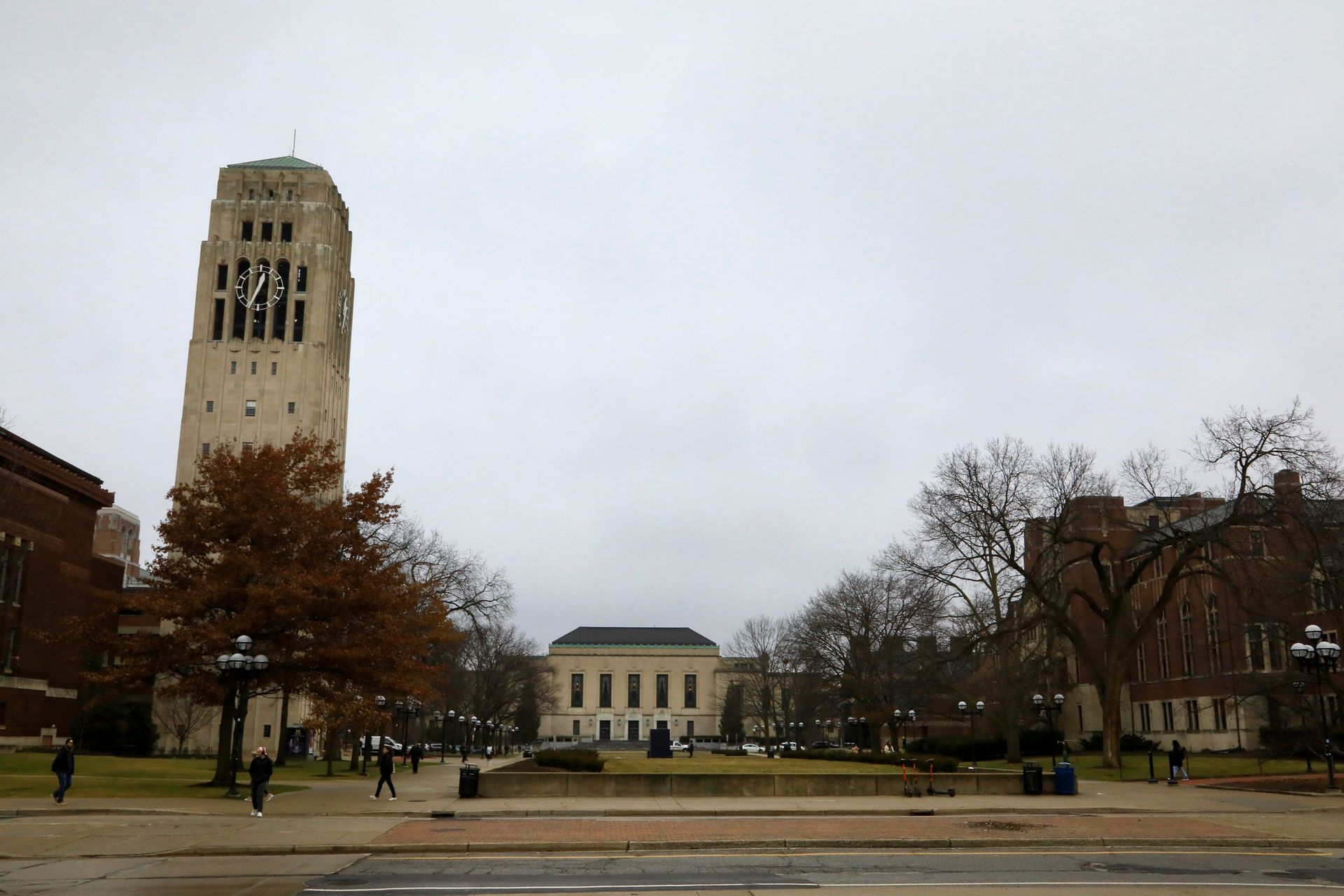
Home to the University of Michigan, Ann Arbor consistently scores high on academic and career outcomes. With a stellar 94% graduation rate and an estimated 20-year ROI of $1.61 million, it’s easy to see why this city is a student favorite. While the cost of living sits above average, Ann Arbor’s strong economy and low unemployment help make up for it.
3 / 7
Tim Pennington / Getty Images
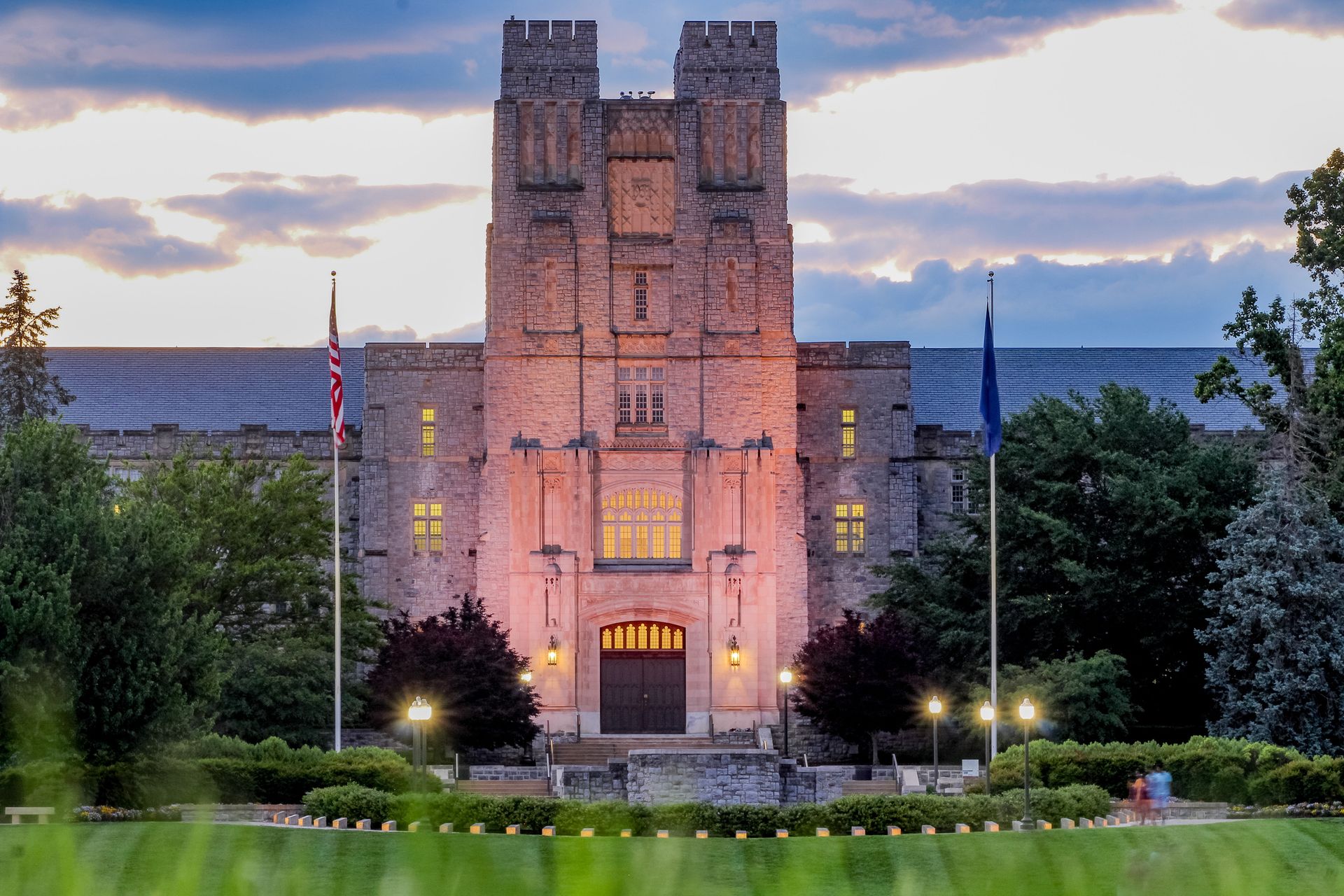
Blacksburg offers small-town affordability with big-university results. Virginia Tech students enjoy a graduation rate of 87% and a projected 20-year ROI of over $1.54 million, plus Blacksburg has a cost of living below the national average. Despite a slightly higher local unemployment rate of 5.5%, the area’s accessible housing makes it a solid option.
4 / 7
CRobertson / Getty Images
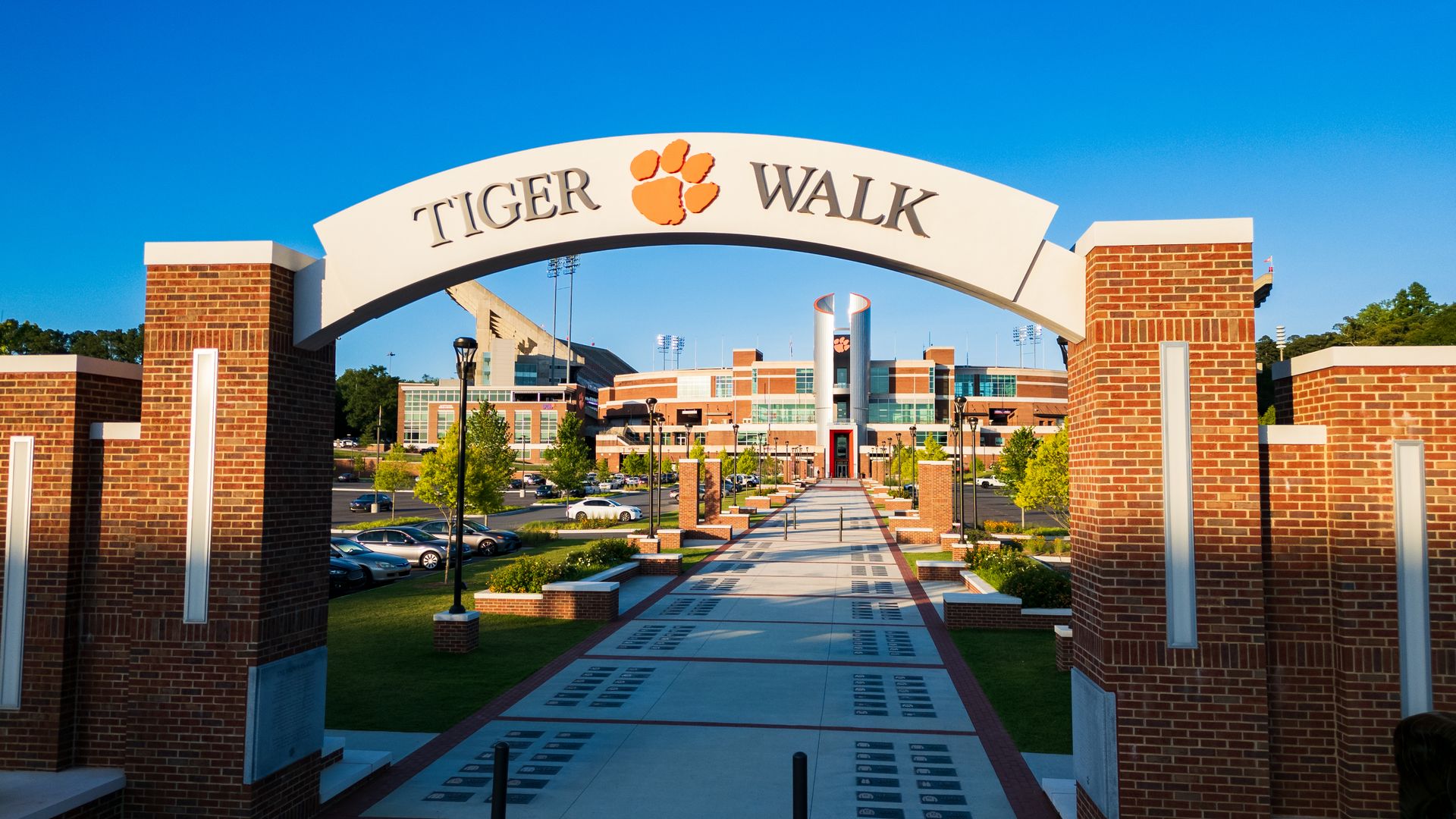
Clemson students see a healthy 84% graduation rate and a 20-year ROI of $1.34 million. Clemson's low cost of living, which is nearly 16% below the national average, helps offset higher unemployment figures, making it an appealing choice for cost-conscious students.
5 / 7
Marie Hickman / Getty Images
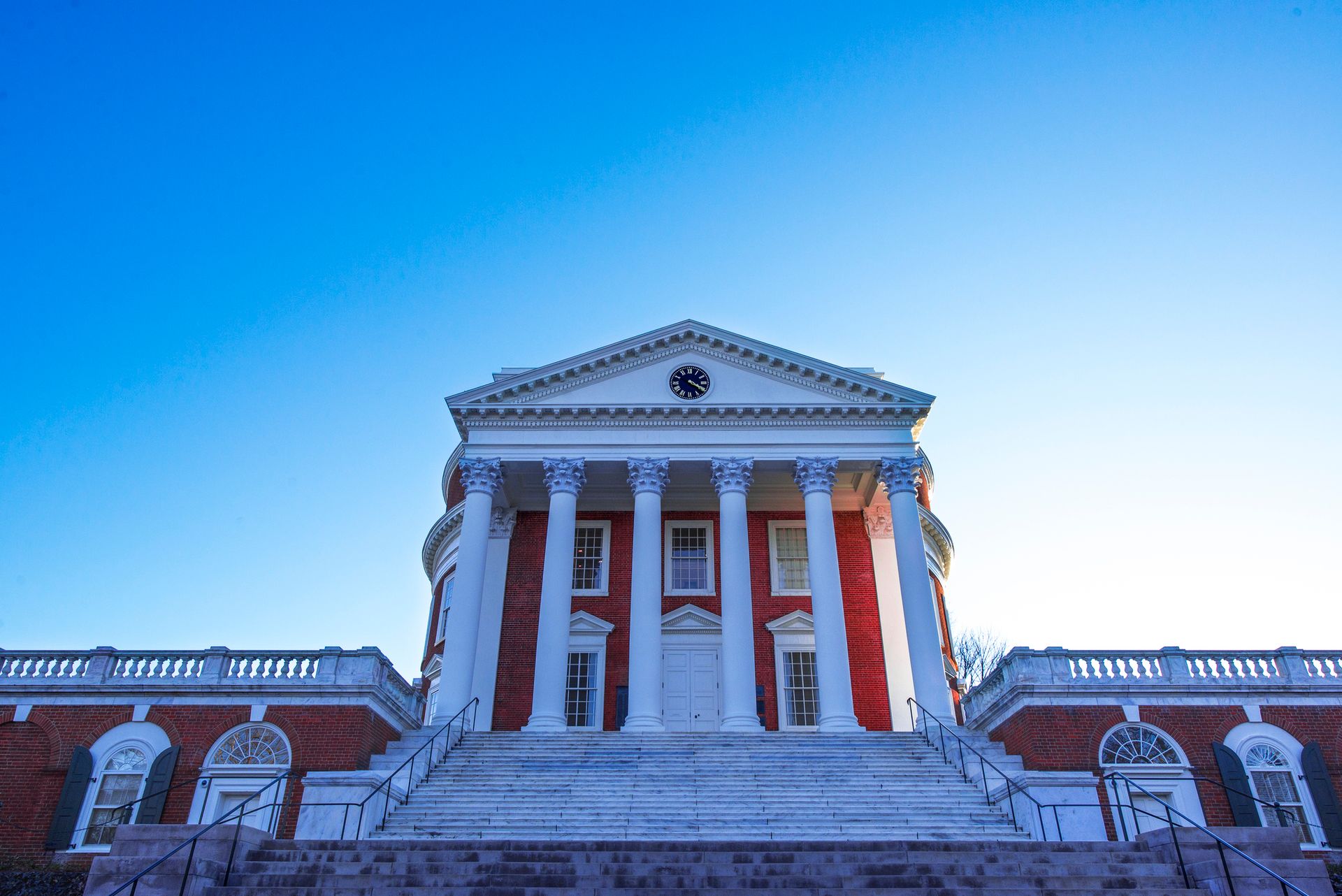
Charlottesville took the third spot. Home to the University of Virginia, it boasts a 93% graduation rate and a long-term ROI estimated at $1.65 million. While local costs are slightly higher than average, the city’s strong job market and exceptional academic outcomes make it one of the best destinations in the country.
6 / 7
eyfoto / Getty Images
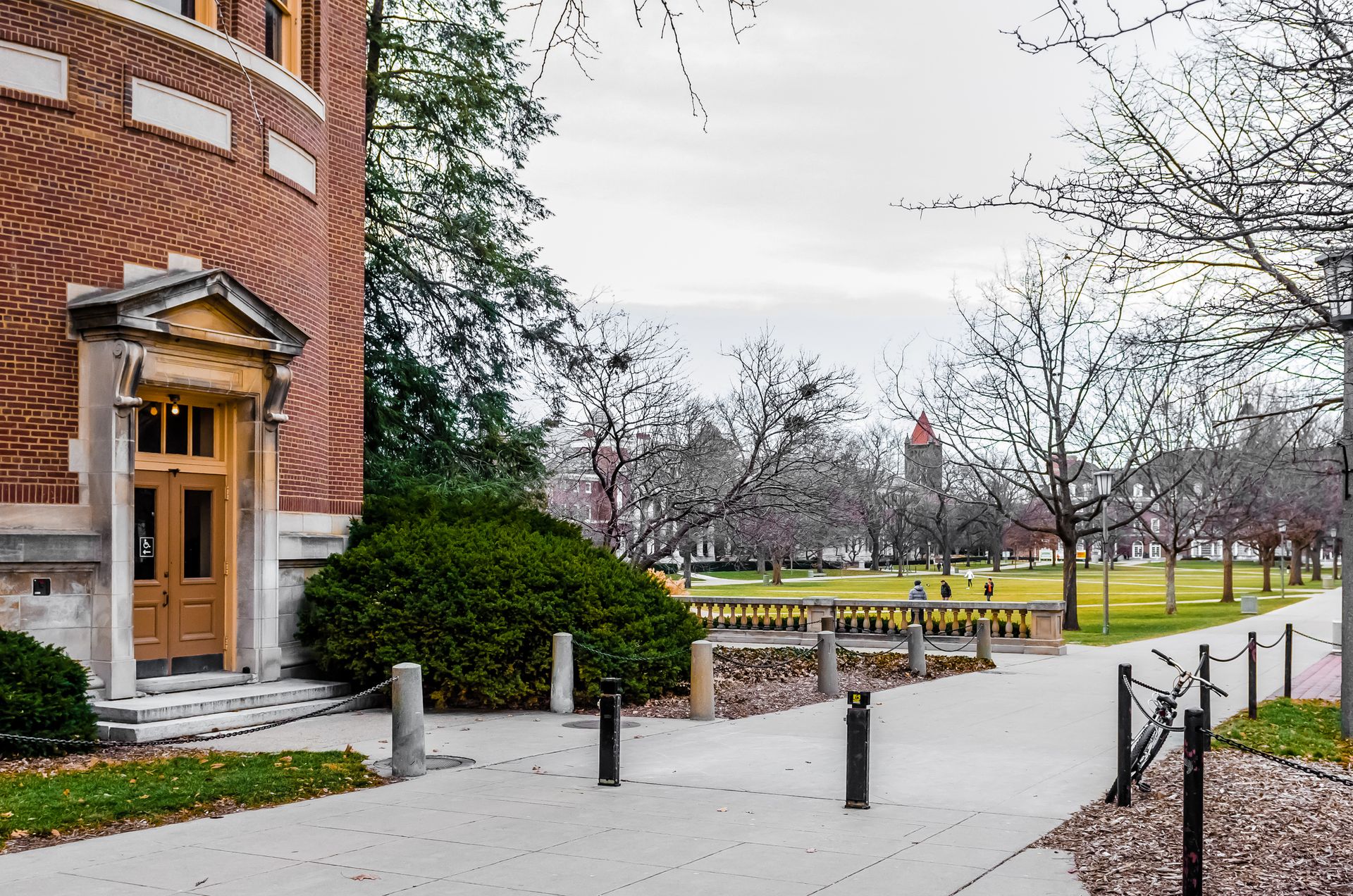
At the University of Illinois Urbana-Champaign, students find one of the best combinations of affordability and payoff in the nation. With living costs well below the national average and a 20-year ROI of about $1.56 million, Champaign delivers top value for in-state and out-of-state families alike.
7 / 7
Bruce Yuanyue Bi / Getty Images
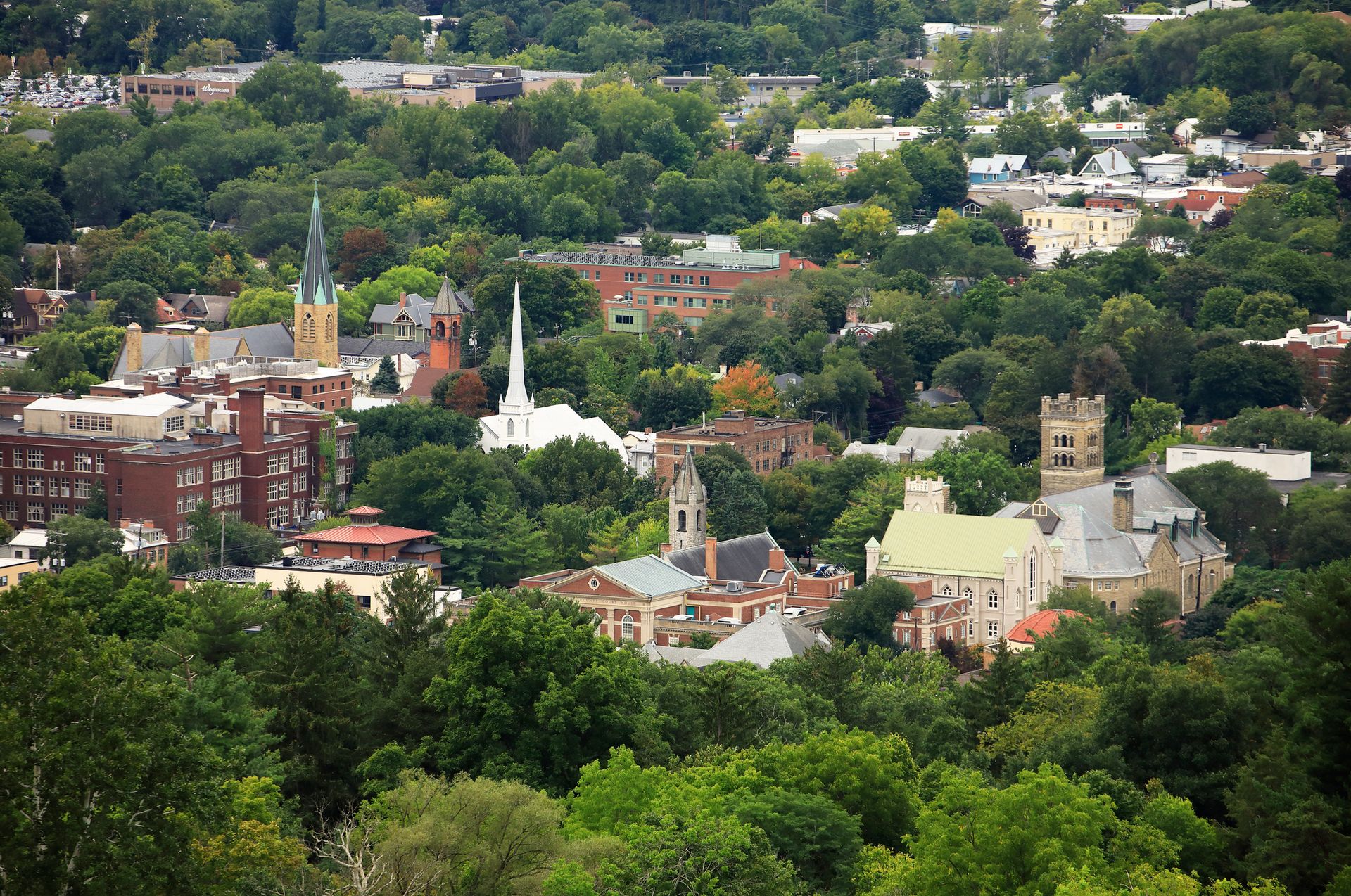
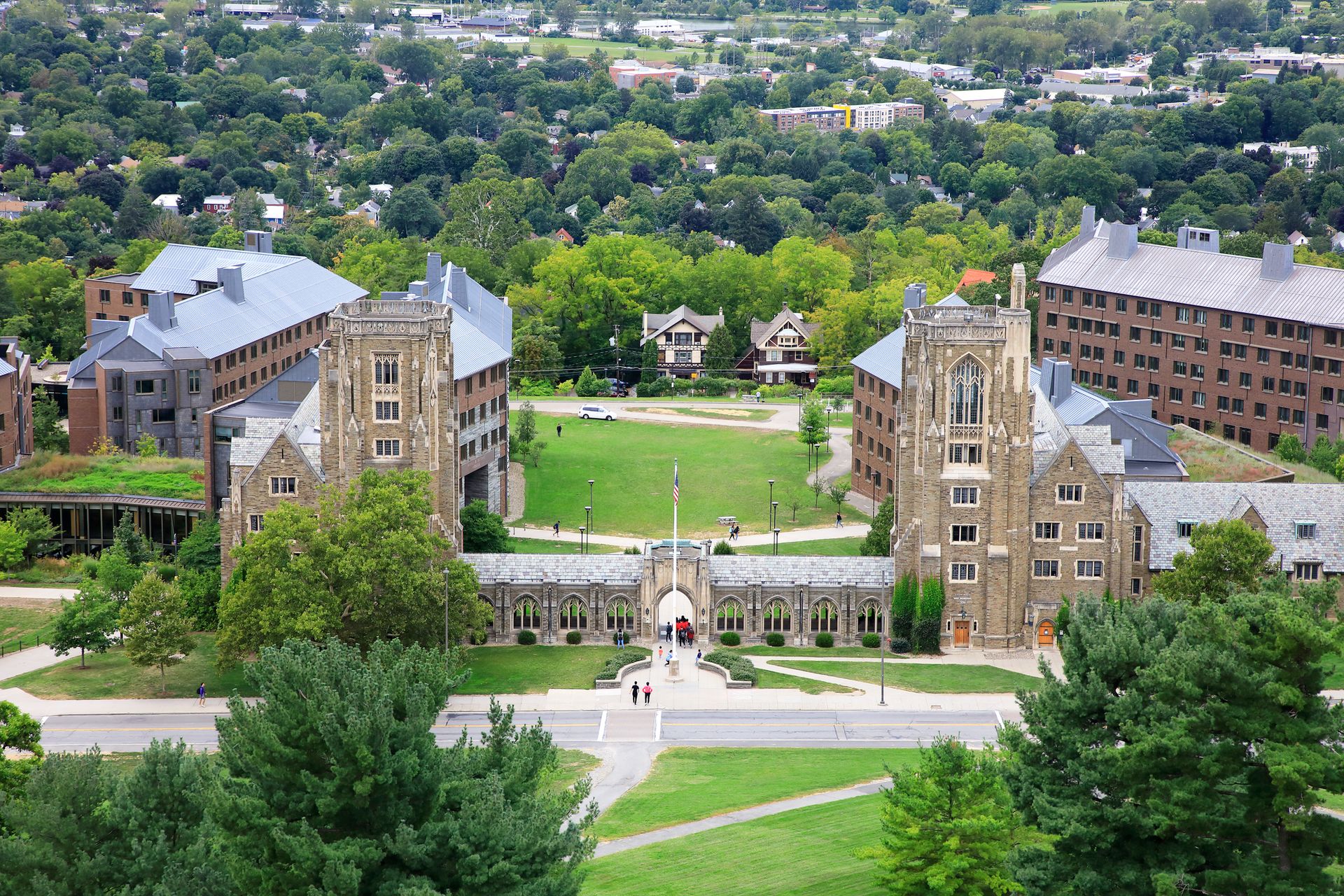
Bankrate’s top-ranked college town, Ithaca, offers the complete package: a near-perfect 96% graduation rate, an estimated 20-year ROI of $1.95 million, and one of the lowest unemployment rates among all ranked cities. Although Cornell University’s tuition and Ithaca’s living costs are a bit higher than average, graduates see median earnings well over $100,000.
