A new analysis highlights where Americans with disabilities have the best access to income, healthcare, housing, and accessible infrastructure

Luis Alvarez / Getty Images
For the almost 30% of adults in the U.S. living with a disability, deciding where to move can be complicated.
WalletHub analyzed more than 180 big cities in the U.S. to see which are the most accommodating for disabled people.
It looked at key factors like the reliability of public transportation, diverse entertainment options, and accessibility of homes and public buildings.
“More than one in four U.S. adults live with a disability, so it’s extremely important for cities to prioritize becoming a safe, welcoming and affordable place for this demographic,” said WalletHub analyst Chip Lupo. "The best cities have highly-accessible public facilities and housing, high-quality medical care, and an affordable cost of living for people on a fixed income.”
Check out which five cities ranked the best — and the worst — for people with disabilities.

Saibal / Getty Images
The list starts with St. Paul, which boasts an employment rate of 87.31% for people with disabilities. The city benefits from open public housing waiting lists, as well as the presence of both CDC disability program funding and Employment First legislation. Accessibility is another strength, with a high share of wheelchair-accessible grocery stores and entertainment venues, plus nearly 80% of residents rating public hospitals highly. Its uninsured rate is 6.4%, while doctor visits average $169, both of which help enhance quality of life.
halbergman / Getty Images
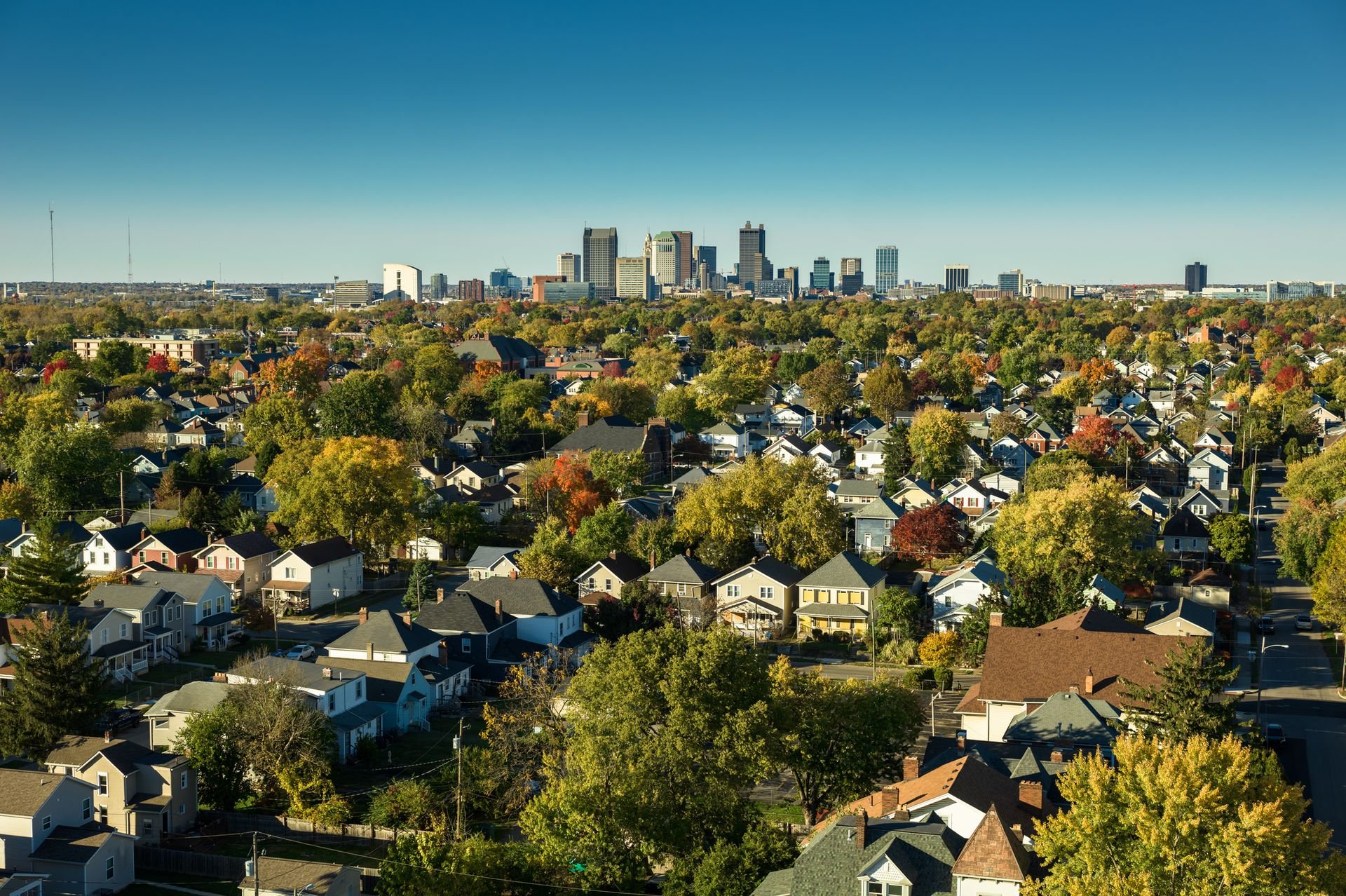
Columbus stands out with an impressive employment rate of 90.81% for people with disabilities, one of the strongest among major cities. Median earnings are $29,233, helping balance the city’s relatively affordable housing and living costs. Columbus also has one of the highest densities of special-education teachers, with 265 per 1,000 school-aged students with disabilities, supporting younger residents. The city is supported by CDC funding and maintains open public housing lists, while healthcare remains manageable, with doctor visits averaging $115.70 and annual premiums of $437.

DenisTangneyJr / Getty Images
Scottsdale combines high incomes with strong employment outcomes: People with disabilities earn a median of $37,309, well above other top-ranked cities, and 90.24% are employed. Poverty is relatively low at 12.65%, the best among the top five. Scottsdale also invests in accessibility, with the highest ranking for wheelchair-accessible art, entertainment, and recreation venues. Healthcare costs are moderate, with doctor visits averaging $99, though affordability is weaker due to a higher cost-of-living than average. Still, with Employment First legislation in place and only 4.7% of residents uninsured, Scottsdale provides well-rounded support.

joe daniel price / Getty Images
St. Louis offers some of the most affordable healthcare in the country, with doctor visits costing just $92.32 and insurance premiums averaging $484. People with disabilities also fare well in employment, with 89.29% employed and median earnings of $28,488. The city maintains CDC program funding and open public housing lists, and has a strong healthcare workforce, ranking high for both doctors and nurses per capita. Poverty rates among people with disabilities are higher at 33.02% than in other top cities, but St. Louis balances this with strong accessibility and relatively low housing costs.
-1920x1278.jpg)
Saibal / Getty Images
Minneapolis ranks first overall thanks to its balanced mix of income, employment, accessibility, and healthcare quality. People with disabilities earn a median of $31,355, with an employment rate of 87.36%. The city benefits from open public housing lists, Employment First policies, and public hospitals that nearly 80% of patients rate highly. Minneapolis also leads on accessibility, with abundant wheelchair-accessible trails, grocery stores, and entertainment venues, plus almost 99% of residents living within park access. With just 5.9% uninsured and doctor visits averaging $170, it sets the standard for inclusion.
Pgiam / Getty Images
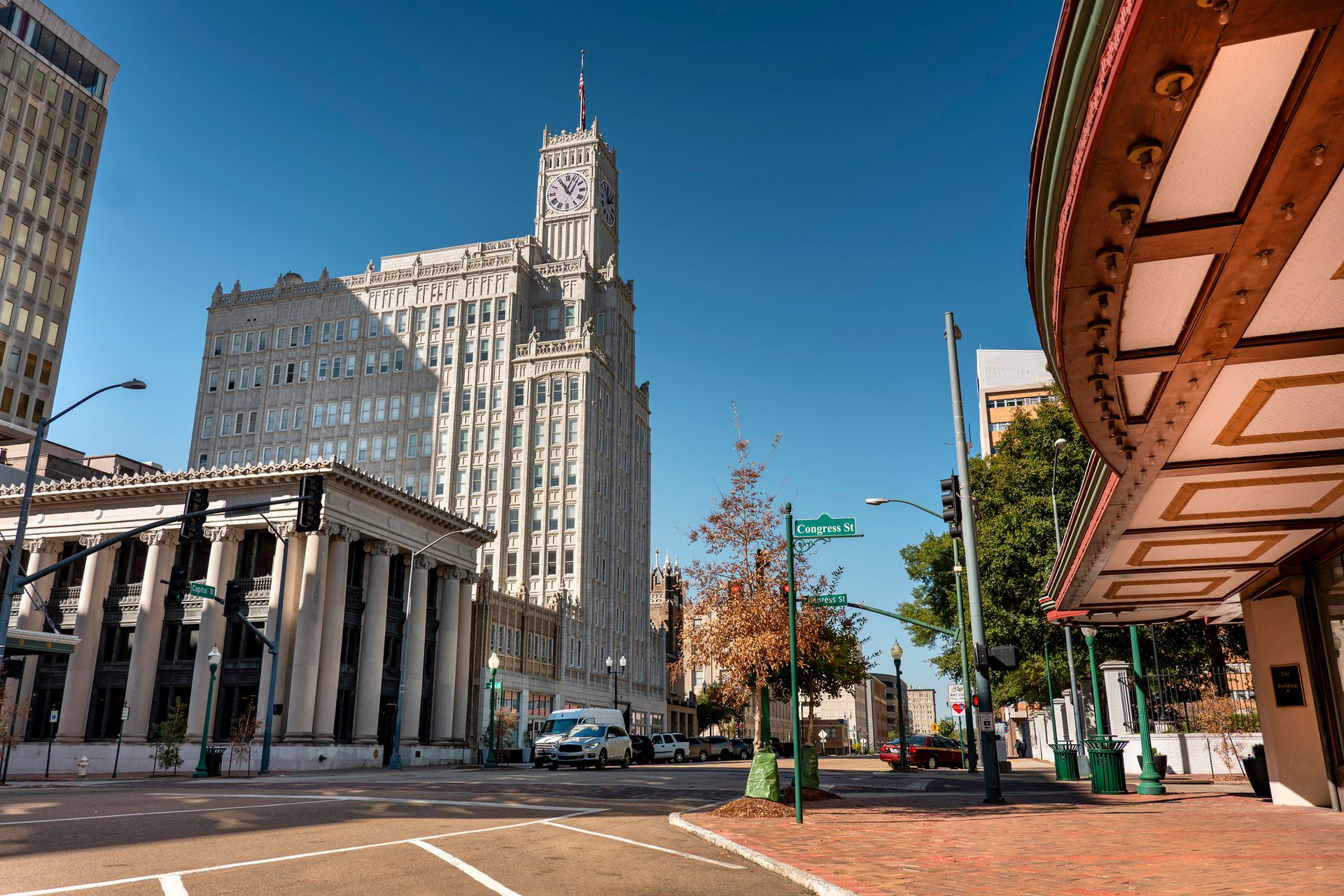
Jackson struggles with low income and health outcomes for people with disabilities. Median earnings are only $20,567, the lowest among the cities reviewed, with an employment rate of 82.97%. Poverty remains high at 35.47%, and the city lacks CDC funding, public housing access, and disability insurance programs. Healthcare costs are relatively steep, with doctor visits averaging $132, while accessibility is limited, with fewer wheelchair-accessible venues compared to national peers. The uninsured rate is 14.6%, further challenging residents.

sphraner / Getty Images
Despite high employment at 93.63% and incomes averaging $36,802, Pearl City faces major affordability challenges. The cost of living is far above that of other cities, and doctor visits average more than $200. The city lacks CDC funding and has limited public-housing options, putting pressure on people with disabilities seeking affordable support. Accessibility is also weak, with low numbers of wheelchair-accessible restaurants, trails, and recreation venues, and only 66% of residents living near walkable parks.
DenisTangneyJr / Getty Images
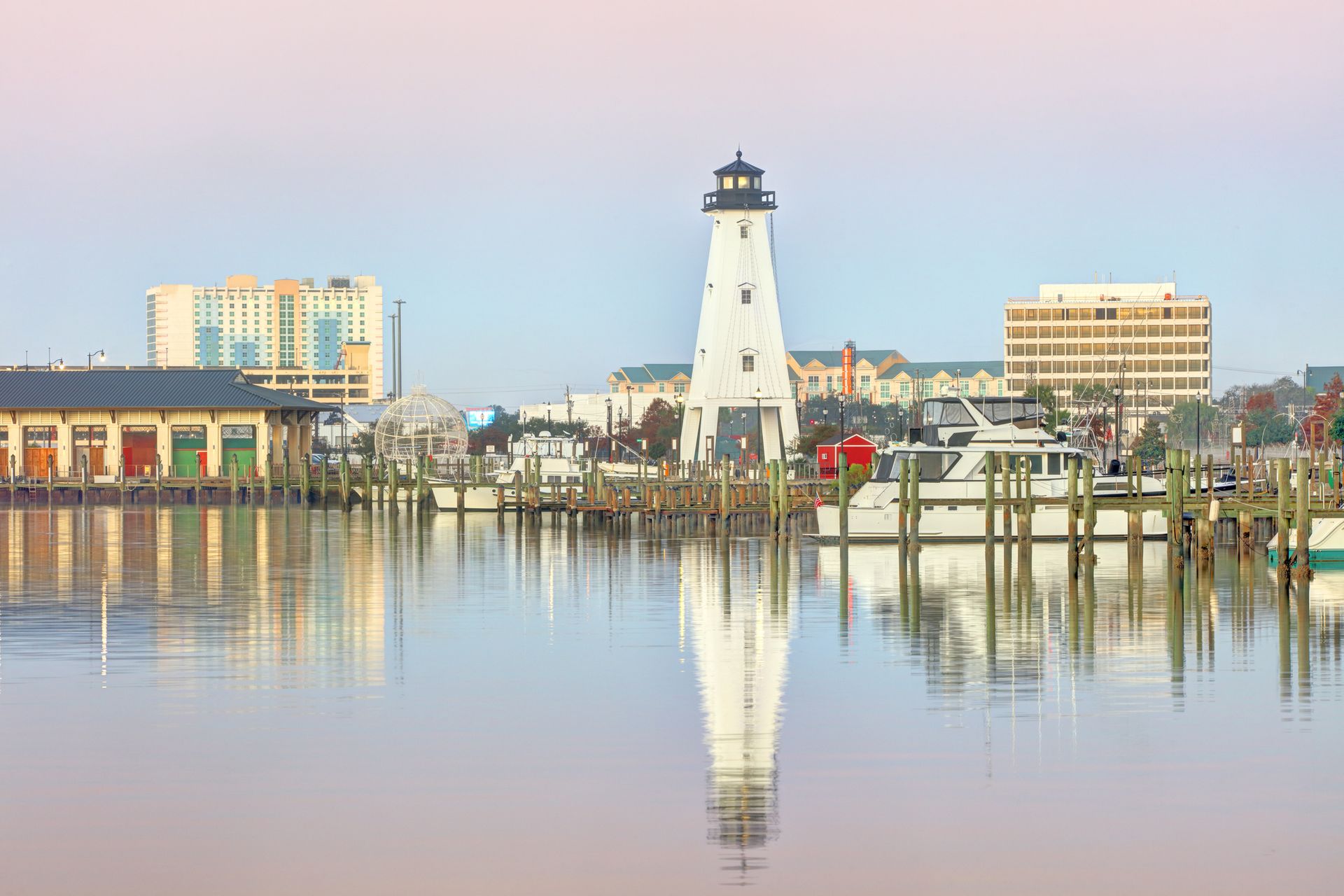
Gulfport shows multiple barriers for people with disabilities, including low median earnings of $24,206 and an employment rate of 82.55%. Poverty rates are significant at 29.47%, while accessibility is particularly poor, with some of the lowest counts of wheelchair-accessible trails and entertainment venues. Healthcare costs are moderate, with doctor visits averaging $127.78, but the uninsured rate is 15.7%, one of the highest.

vermontalm / Getty Images
South Burlington is weighed down by affordability issues and weak earnings. People with disabilities earn only $19,650 on average, the lowest across all cities. Employment rates are also low at 69.62%, and more than a third of residents with disabilities live in poverty. Healthcare is costly, with premiums averaging $1,275 per person annually. The city also lacks CDC program funding, disability insurance, and public-housing lists, leaving fewer safety nets for residents.

BriBar / Getty Images
Juneau ranks last overall due to limited support and very high healthcare costs. People with disabilities earn a median of $28,438, but only 82.3% are employed, while poverty rates hover at 13.77%. Residents face staggering medical expenses, with doctor visits averaging $270 and insurance premiums of $1,040. The city lacks CDC funding and public-housing opportunities, and has limited accessibility infrastructure compared to peers. With no disability insurance program and gaps in Medicaid effectiveness, Juneau provides fewer resources than almost any other U.S. city.
