A new analysis ranks every state on wages, workplace protections, and the right to organize to find which ones treat workers the best
Mario Tama / Getty Images
Where you work matters.
In 2023, the United States recorded 5,283 fatal work injuries from traumatic incidents — a reminder that the workplace remains dangerous for many Americans.
But workplace safety isn’t just about preventing injuries and deaths. It’s also about ensuring that workers earn fair wages, receive proper protections, and have the right to organize for better conditions. And those conditions vary widely state to state since local policies play a major role in shaping safety. In fact, in many states, lawmakers have adopted rules that actively weaken workers’ rights.
This Labor Day, we're using data from Oxfam America to outline the best and worst states for workers. Researchers there ranked every state — and Washington D.C. — based on policies in three key areas: wages, worker protections, and the right to organize. When determining the wage score, the study considered whether workers earn enough to support a family and if states allow local governments to raise pay above the minimum wage. For worker protections, it looked at laws like paid family leave, workplace safety standards, equal pay protections, and child labor rules. For the right to organize, it evaluated whether workers can freely join unions, whether collective bargaining is protected, and whether the state adopted “right-to-work” laws that undermine union power.
The study shows that while some states have built strong labor systems that protect workers and encourage fair treatment, others have enacted policies that tilt heavily in favor of employers.
Continue reading to see the five best — and five worst — states for workers.

simonkr / Getty Images
Washington continues to stand out for its strong wage laws and relatively robust worker protections. With a high minimum wage, workers in Washington benefit from some of the best pay policies in the country. The state has also taken steps to support worker safety, though its protections aren’t quite as expansive as those in some higher-ranked states.

Stefan Tomic / Getty Images
New York earns its place among the top five thanks to strong worker protections and a well-developed system supporting collective bargaining. The state enforces equal pay mandates, provides paid family leave, and protects public employees’ unionization rights. With better-than-average wage policies, New York gives workers a more secure environment than most states.
Orlin Bertsch / Getty Images
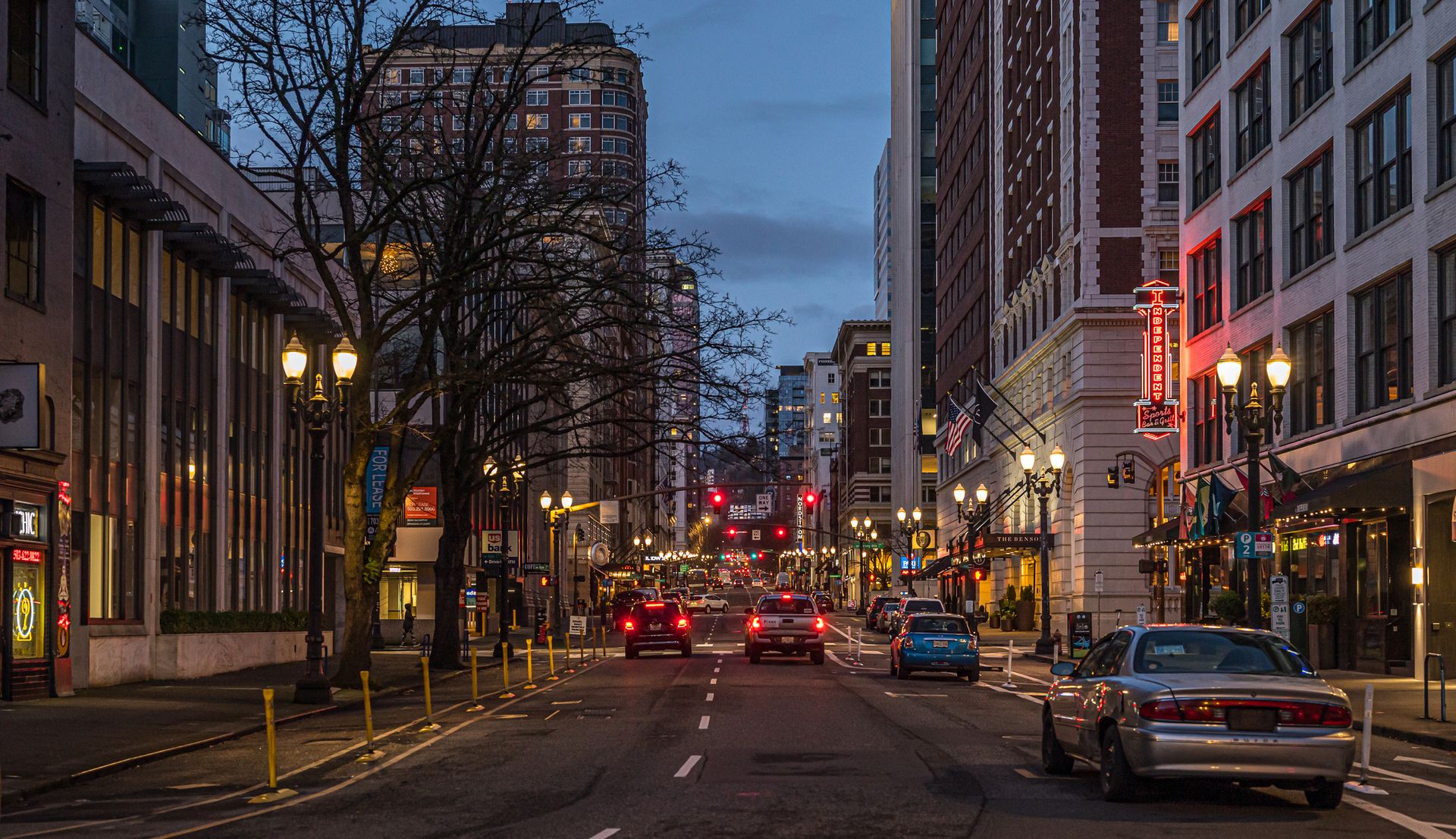
Oregon ranks third largely because of its sweeping worker protections, some of the strongest in the country. From paid sick leave to heat safety standards for outdoor workers, Oregon has consistently expanded rights in ways that improve the quality of life. The state also fully backs workers’ right to organize.

ANDREY DENISYUK / Getty Images
California combines some of the nation’s toughest worker protection laws with full support for collective bargaining. Workers in the state benefit from paid family leave, strong anti-discrimination policies, and protections for farm and domestic workers.

Grace Cary / Getty Images
The nation’s capital claims the top spot thanks to a rare combination: excellent wage laws, strong basic protections, and the robust right-to-organize policies. D.C.'s local government have passed laws to raise its minimum wage, protect vulnerable workers, and ensure union rights.
© Nina Dietzel / Getty Images
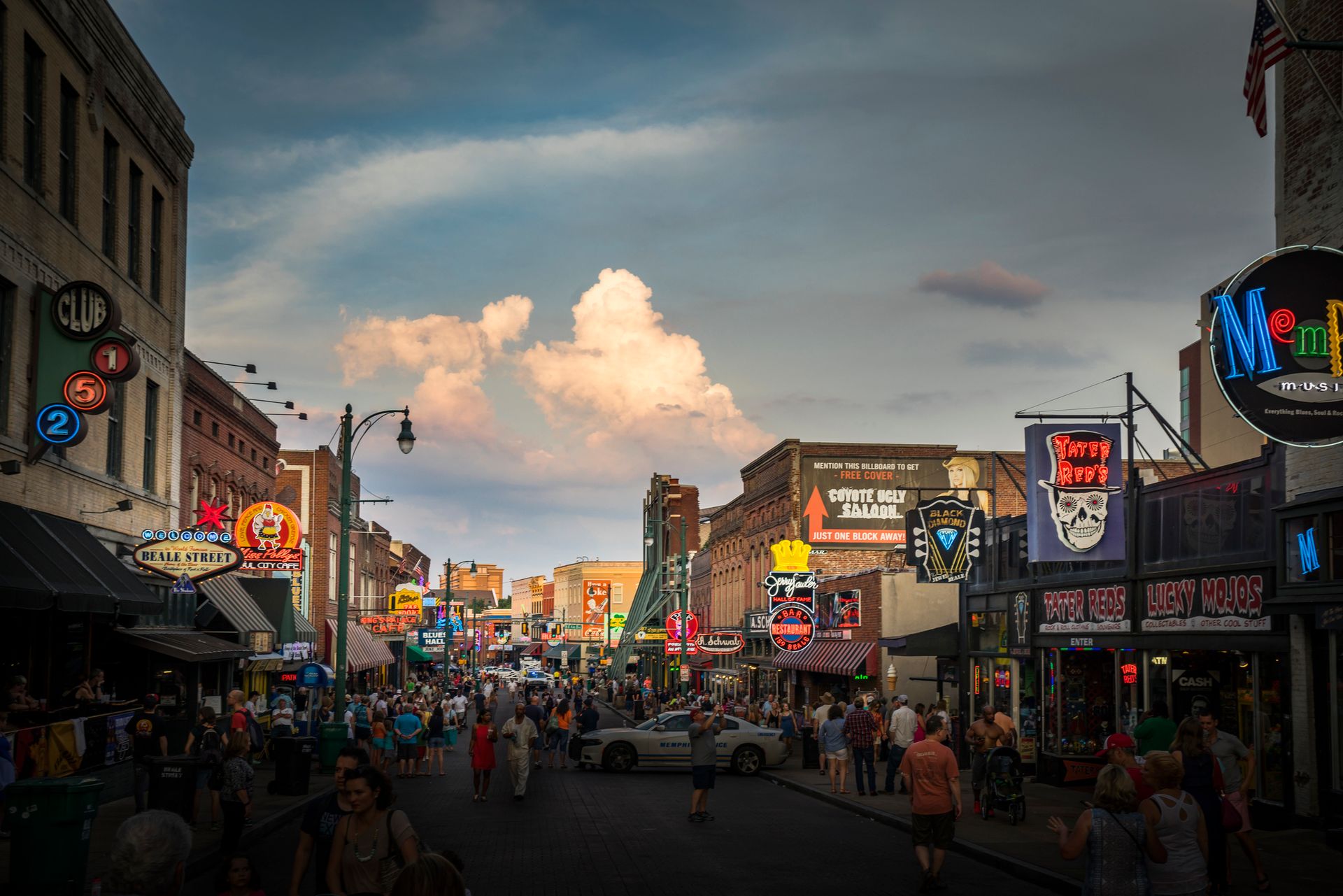
Tennessee ranks 5th worst with weak wage standards and limited worker protections. The state has one of the smallest minimum wage-to-cost-of-living ratios and provides very little support for family leave or workplace safety.
-1920x1266.jpg)
Glenn Ross Images / Getty Images
South Carolina has no statewide minimum wage above the federal level and is one of several states with a “right-to-work” law that undercuts collective bargaining. Worker protections are minimal, leaving employees with limited recourse against unsafe or unfair practices.
Art Wager / Getty Images
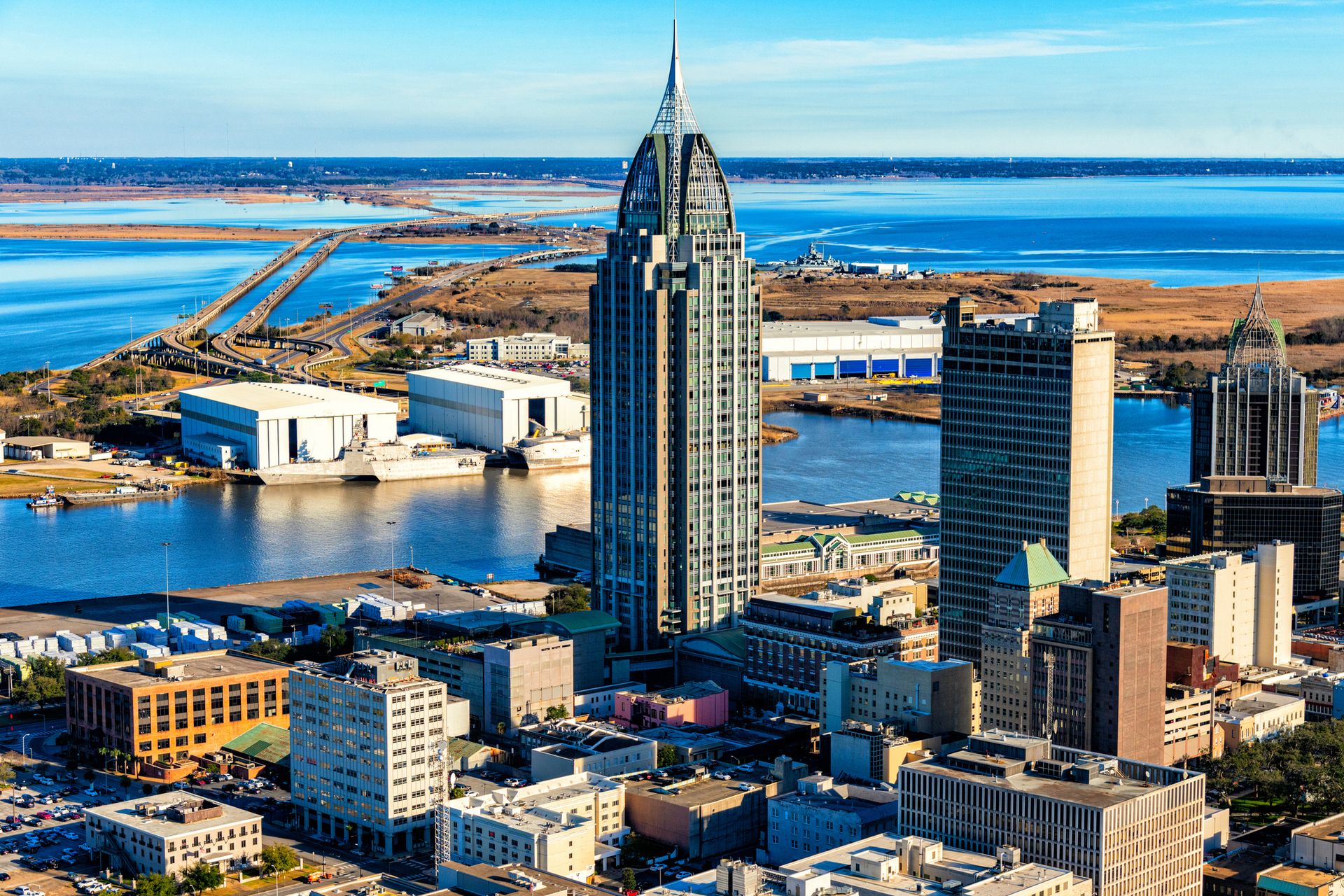
Alabama fares even worse, with virtually no statewide wage protections and one of the weakest safety nets for workers. The state has limited worker protections and does little to enforce equal pay or scheduling rights. Its labor laws heavily favor employers over employees.
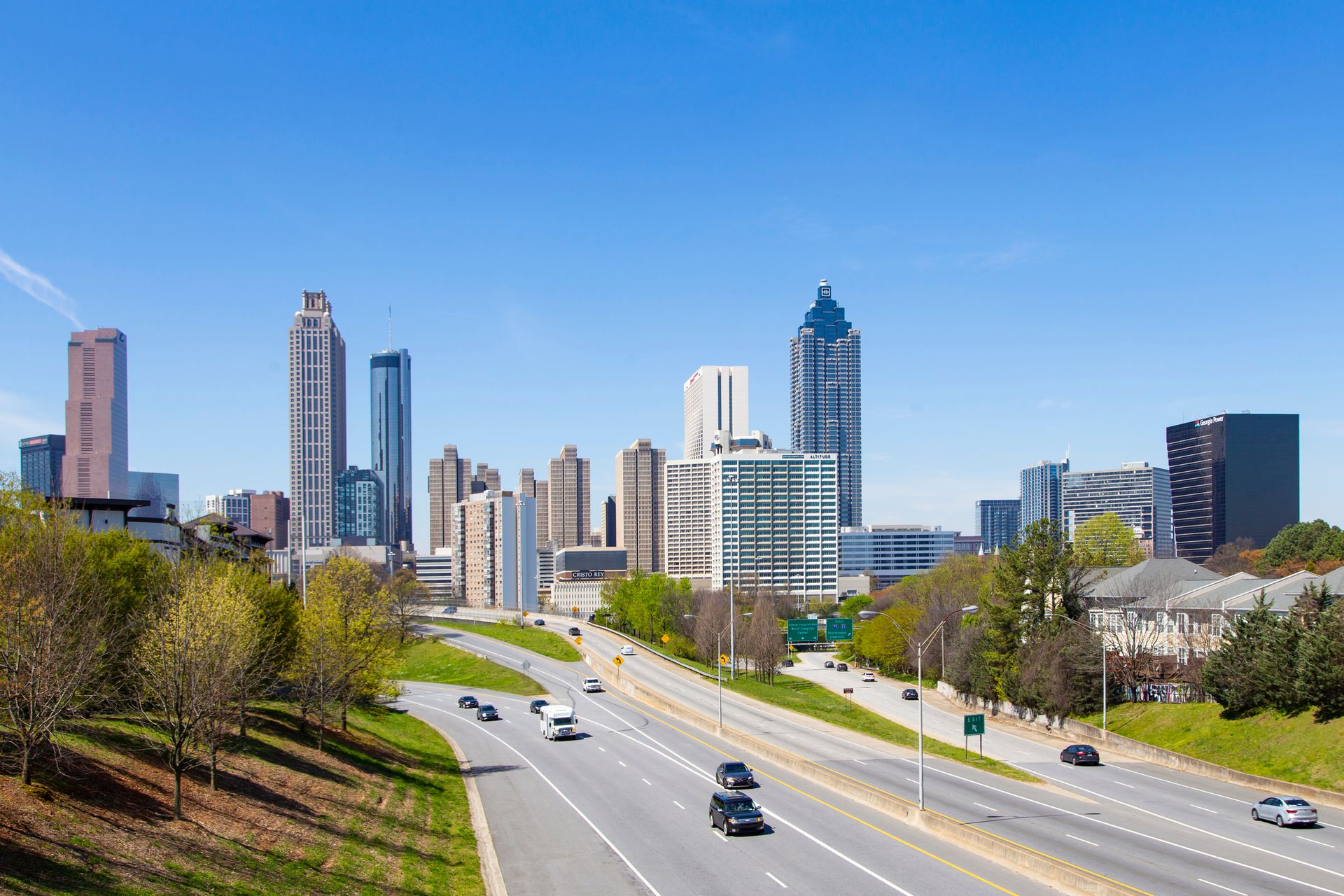
Photo by Mike Kline (notkalvin)/ Getty Images
Georgia ranks near the bottom thanks to its lack of wage protections and strong anti-union laws. With no meaningful policies to strengthen worker pay or safety and a right-to-work law that curtails organizing, Georgia offers workers little in the way of structural support.
Mark Howard / Getty Images
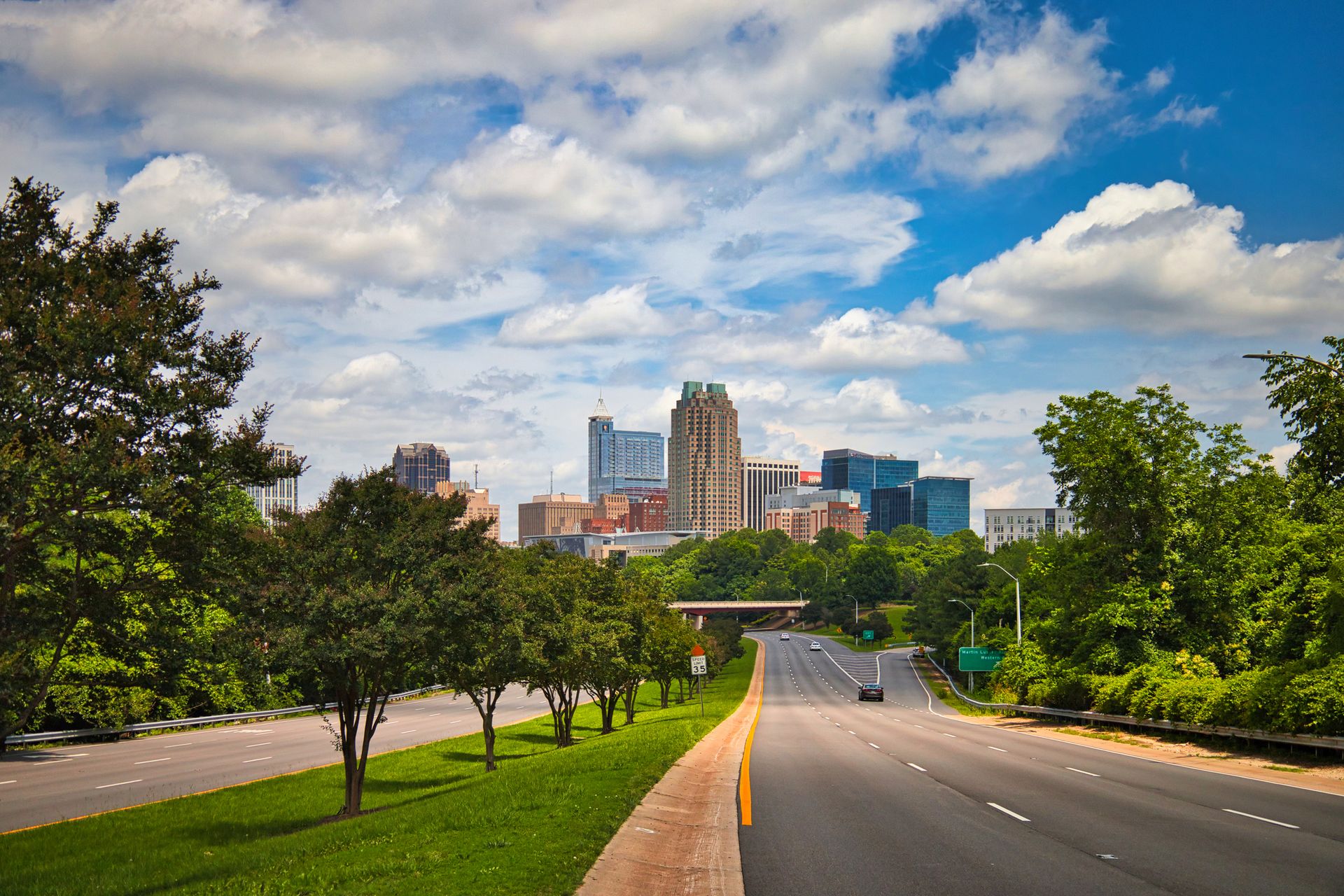
North Carolina is the worst state in the country for workers, scoring the lowest across nearly every category. The state enforces neither strong wage laws nor meaningful worker protections, and it flatly denies public workers the right to collectively bargain. For employees in North Carolina, the policy environment is stacked almost entirely against them.
