
How to beat the system on Black Friday
Here are 10 ways to spot the psychological traps, dodge fake discounts, and actually save money this holiday season

Markus Spiske / Unsplash
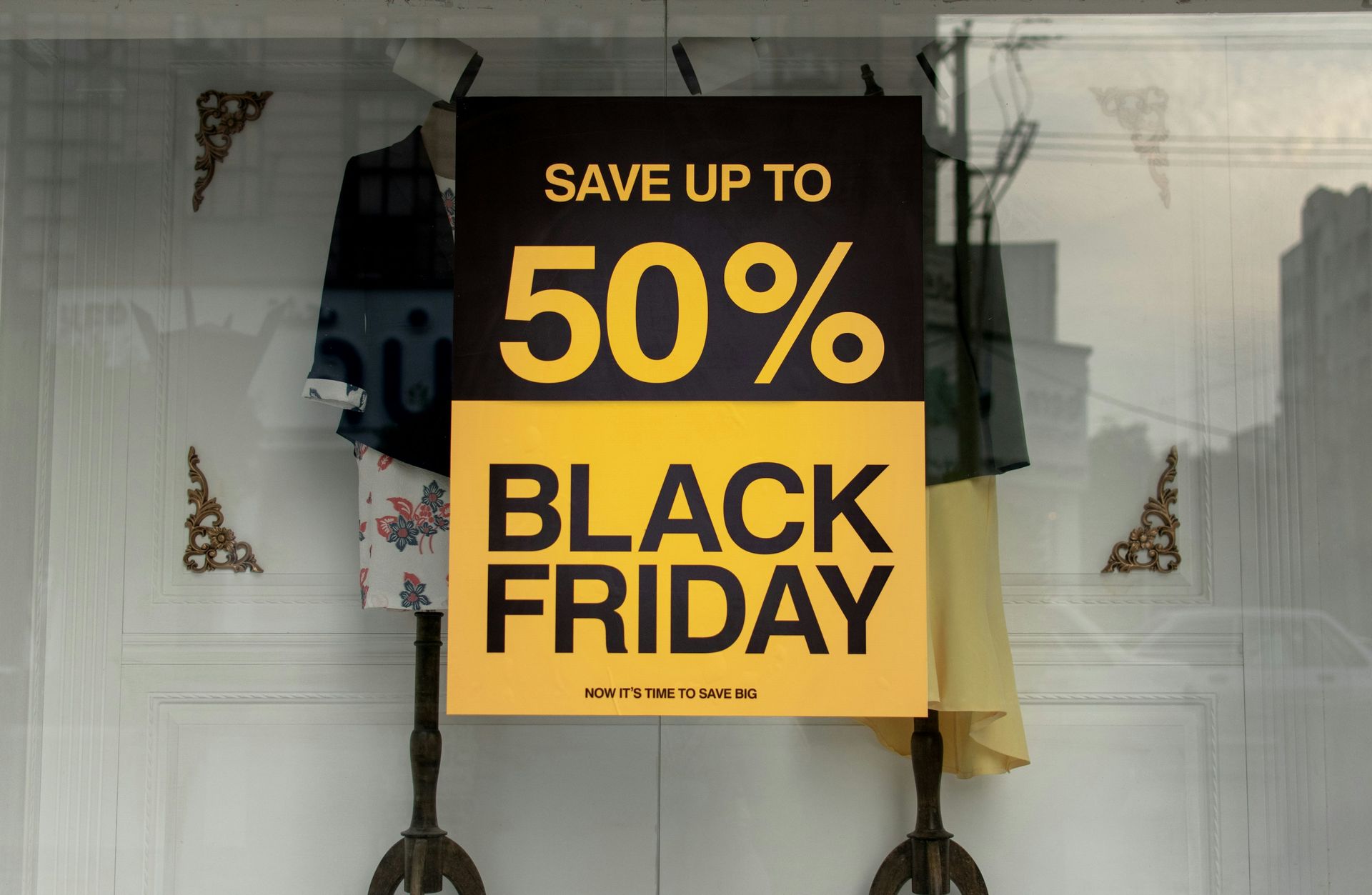
Black Friday isn’t a day anymore. It’s a month-long behavioral experiment disguised as generosity.
Retailers have stretched sales into endless doorbusters and scattered discounts — making consumers’ credit card balance creep north in the name of saving money.
Between the thrill of a deal and the dopamine of “add to cart,” Americans are primed to overspend — chasing bargains that are mostly smoke and marketing mirrors. Black Friday spending can feel like saving, but sometimes it’s really just urgency dressed as value.
In the end, many are left realizing retailers aren't selling products; they're selling permission to splurge. But are you buying?
Here are ten ways you can recognize the game this year, and maybe even win it.
1 / 10
The sale that never ends

Artem Beliaikin / Unsplash
Black Friday used to be a single adrenaline-soaked day. Now, promotions sprawl across November, a tactic designed to blur urgency with fatigue. According to PwC’s 2025 Holiday Outlook, retailers are spreading deals to capture early budgets and stretch consumer attention spans to breaking point.
2 / 10
Emotional spending is the real doorbuster
Ashkan Forouzani / Unsplash
The more you feel, the more you buy. Financial Literacy 101 notes that emotional cues, such as scarcity, nostalgia, or family pressure, override rational budgeting. Retailers know this. That “limited time” banner isn’t just a timer. It’s a trigger.
3 / 10
The illusion of the discount

Artem Beliaikin / Unsplash
Many deals are just repriced inventory. Yahoo Finance found that some stores quietly raise prices in early November, only to slash them back down during sales events. The math looks impressive, until you realize you’re celebrating a fake markdown.
4 / 10
Buy now, pay never (until later)

Sophie Popplewell / Unsplash
Buy Now, Pay Later services explode during the holidays, with NerdWallet reporting a surge in deferred-payment gift purchases. The problem: these micro-loans can quietly snowball into major debt when December’s cheer fades and January’s bills arrive.
5 / 10
The inflation mirage

Heidi Fin / Unsplash
Even discounted goods can cost more than last year. Bringoz reports that inflation has permanently lifted baseline prices, meaning your 20% off TV is still 10% pricier than in 2023. In 2025, “deal” often just means “less bad.”
6 / 10
Cyber Monday: the same sale, rebranded
Jon Tyson / Unsplash
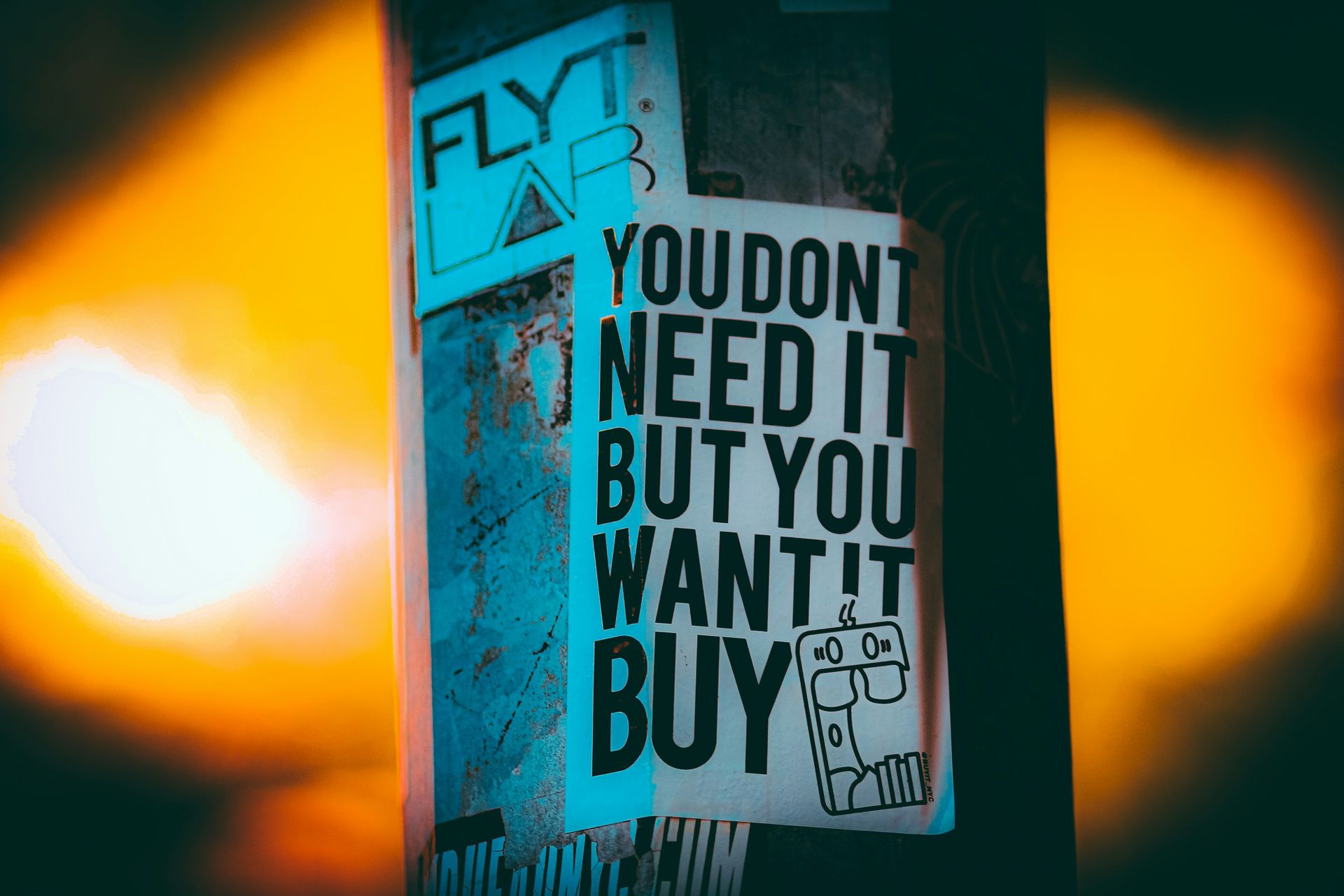
Cyber Monday was supposed to be Black Friday’s digital twin. Instead, it’s now the same markdowns with a shinier email campaign. The exclusive codes are mostly recycled, but they work, because people love to believe the internet is smarter than the mall.
7 / 10
The credit card trap
Vagaro / Unsplash
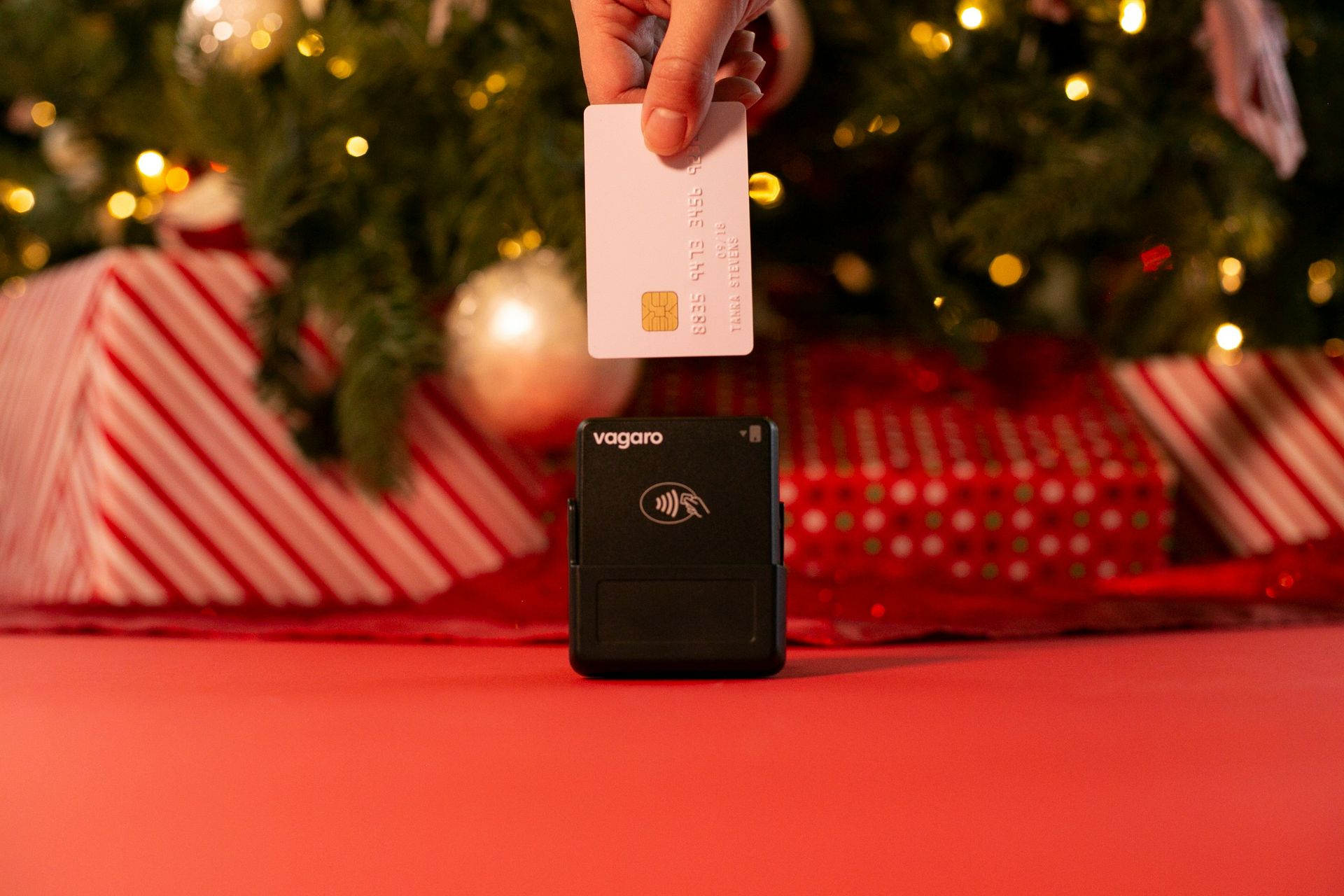
According to Financial Literacy 101, higher credit utilization over the holidays can tank your score even if you pay it off later. It’s a seasonal side effect few talk about, because nothing kills gift-giving joy like an APR reminder.
8 / 10
The “deal fatigue” effect

Vitaly Gariev / Unsplash
Retailers now rely on confusion as a sales tool. PwC’s data shows consumers feel “overwhelmed but optimistic,” a polite way of saying they’re too tired to comparison-shop. The longer the sale lasts, the more likely you are to settle for good enough.
9 / 10
Outsmart the algorithms
-1920x1280.jpg)
Christin Hume / Unsplash
Your browsing habits feed dynamic pricing systems that raise or lower prices in real time. BBB’s Black Friday tips recommend clearing cookies, switching devices, or shopping incognito to dodge price hikes tailored to your eagerness. Retailers aren’t psychic. They’re just reading your data.
10 / 10
The best hack: stop playing

Annie Spratt / Unsplash
Deposit marketplace Raisin puts it bluntly: the smartest shoppers sit Black Friday out entirely. Real savings come from skipping the hype, setting limits, and remembering that winning the sale is still losing if you didn’t need it.