Coal is a heavy-polluting energy source — and still quite popular throughout the United States. See which states produce the most of it
The Washington Post / Contributor / Getty Images
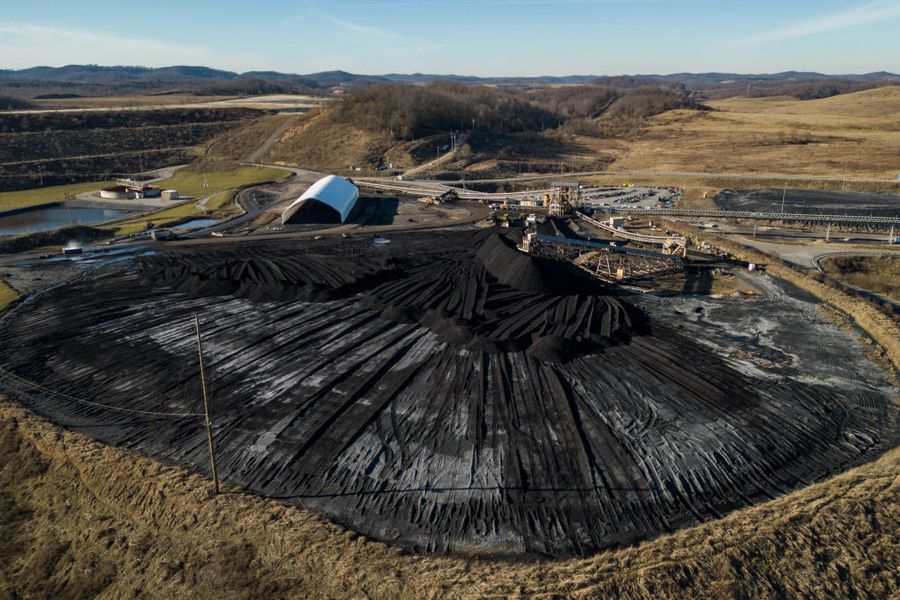
Coal may not dominate America’s energy mix the way it once did, but it remains a major part of the nation’s energy system. In 2023, fossil fuels — coal included — made up 60.0% of all U.S. electricity generation, according to the U.S. Energy Information Administration (EIA). While natural gas has surpassed coal as the leading source, and renewables are steadily growing, coal still provides power to many parts of the country.
But that power comes with a long and complicated history. Coal-fueled factories, railroads, and power plants shaped the modern economy. At the same time, it’s the most carbon-intensive fossil fuel, contributing to greenhouse gas emissions, air pollution, and environmental concerns tied to mining practices. And its continued production comes as global emissions — and temperatures — rise. While renewables surpassed fossil fuels in the U.S. electricity mix in March 2025, a think tank found that energy-intensive AI facilities are driving demand for new coal and gas plants.
Despite a decline in overall consumption, a small number of states still account for the vast majority of U.S. coal output. These states mine millions of short tons annually, supplying both domestic power plants and international buyers.
Using data from the EIA, we’ve compiled a list of the eight states that mine the most coal in 2024. Continue reading to see which made the list.

Scott Olson / Staff / Getty Images
Indiana extracted 5.5 million short tons, showing steady Illinois Basin output. It uses about 80% of the coal it mines in the state and sends the rest to other states and abroad, the EIA said.
Bloomberg / Contributor / Getty Images
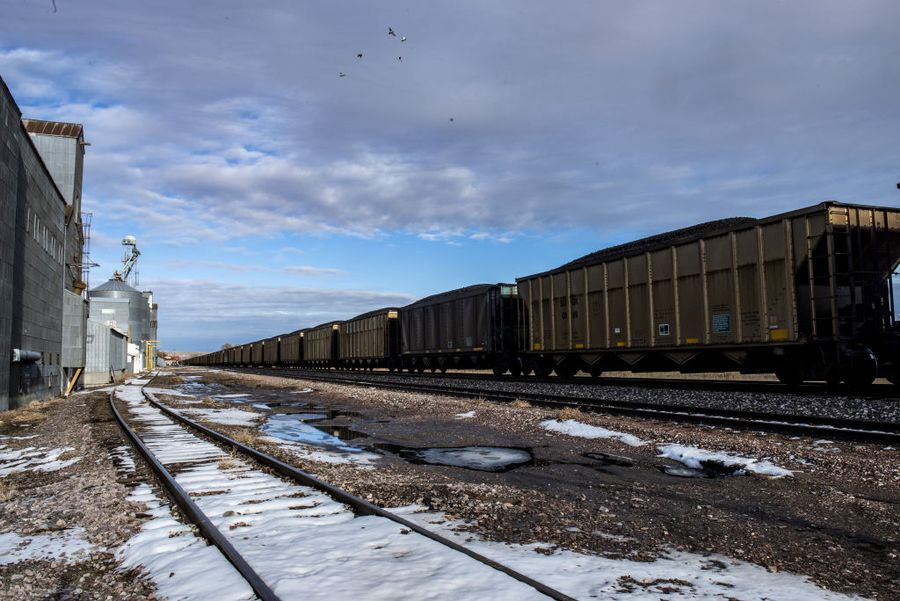
Montana mined 6.4 million short tons, ranking it among the western production leaders. It also has the largest reserves in the U.S., holding about 30% of the country’s total coal reserves. “Most of Montana's coal production comes from four large surface mines in the Powder River Basin in the southeastern corner of the state and one underground mine in the south central part of the state,” the EIA said.
UCG / Contributor / Getty Images
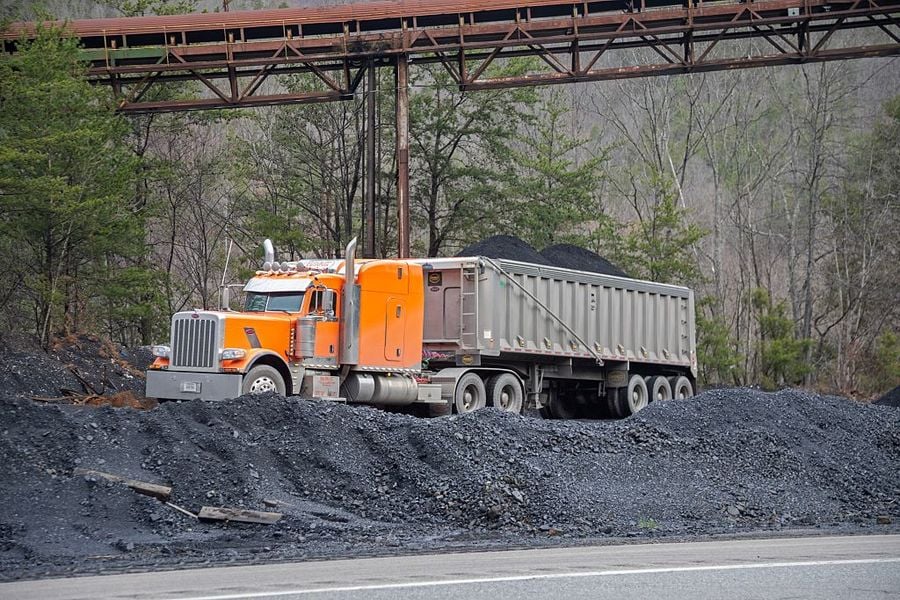
People have been mining coal in Kentucky since the 18th century, and in 2024 it produced 6.6 million short tons. While the state was a leader in coal production for decades, its production has declined more recently. “Still, one out of five U.S. operating coal mines are located in Kentucky, and it has more mines than in any other state except for West Virginia,” the EIA said.
The Washington Post / Contributor / Getty Images
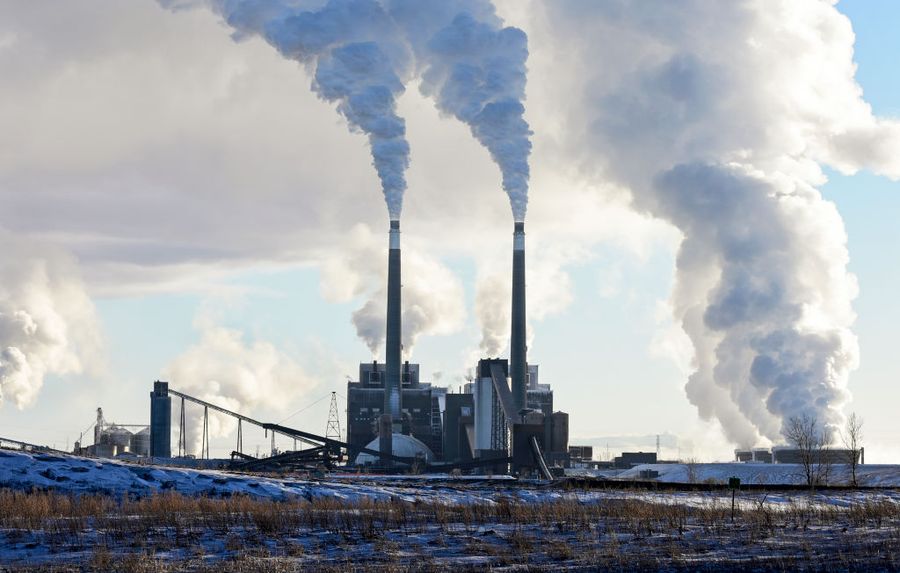
North Dakota turned out 6.7 million short tons last year. “Western North Dakota contains the world's largest known deposit of lignite, which has the lowest heating value of all coal types and is mostly used to generate electricity,” the EIA said. “Coal has been mined at hundreds of sites in North Dakota since the 1870s, but now only lignite is produced at five active surface mines in the west-central part of the state.”
Chicago Tribune / Contributor / Getty Images
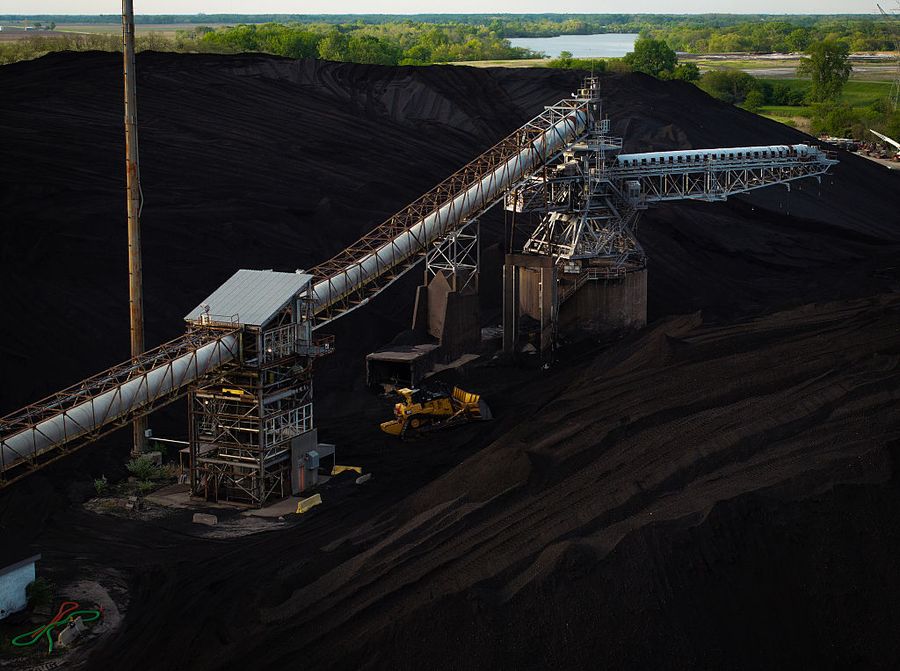
Illinois produced 9.7 million short tons of coal last year, making it one of the top coal states. “Illinois’s estimated recoverable coal reserves are the second largest in the nation,” the EIA said. It uses about one-quarter of the coal it produces, the rest is sent to other states and abroad.
The Washington Post / Contributor / Getty Images
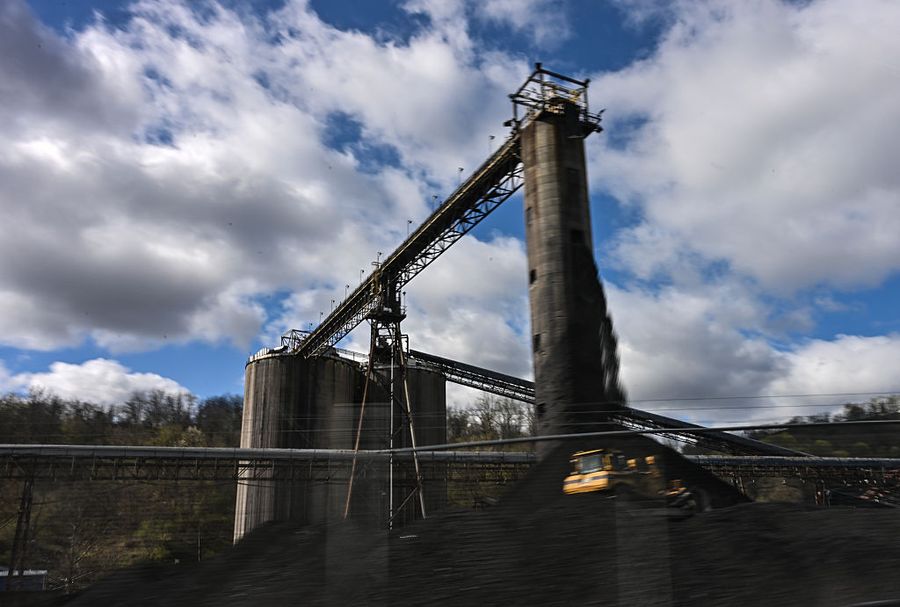
Pennsylvania yielded 10.0 million short tons, split between anthracite and bituminous coal. “Pennsylvania is a major coal consumer, ranking 10th among the states in total coal use. About two-thirds of the coal consumed in the state is burned for electricity generation, and the rest is used for steelmaking and other industrial applications,” the EIA said.
The Washington Post / Contributor / Getty Images
West Virginia mined 20.1 million short tons, securing its spot as the nation’s second-largest coal producer. Coal is mined in 22 of the 55 counties in the state and is a major source of revenue for the economy. “About two-fifths of West Virginia's coal that is delivered domestically is used for electricity generation, with around 45% of that coal going to West Virginia power plants,” the EIA explained. “Almost all the rest of the state's domestic coal shipments go to coking plants in the eastern half of the country.”
Natalie Behring / Contributor / Getty Images
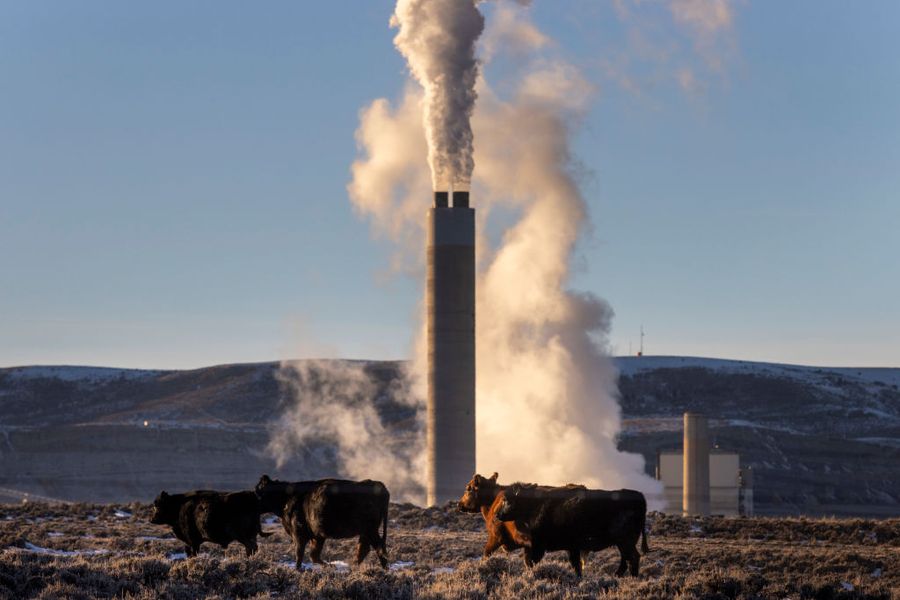
Wyoming produced 47.5 million short tons of coal in 2024 year-to-date, the clear leader among all states. “The state has led the nation in coal production since 1988 and accounts for almost two-fifths of all coal mined in the United States,” the EIA said. Still, Wyoming's coal production in 2024 was its lowest since 1992.
