
U.S. consumer confidence rose slightly in July, signaling a cautiously optimistic sentiment despite broader economic headwinds.
U.S. consumer confidence rose slightly in July, signaling a cautiously optimistic sentiment despite broader economic headwinds
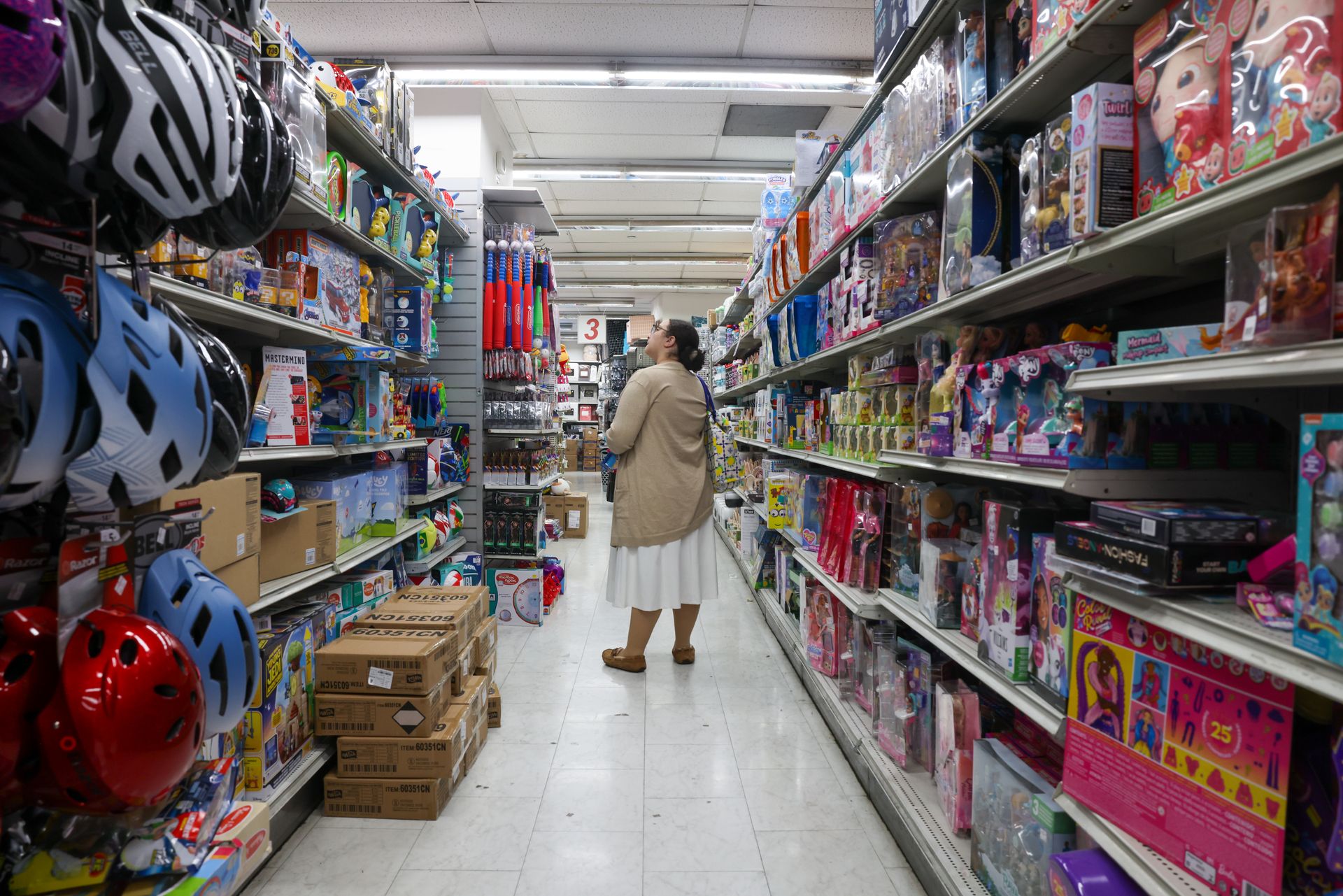
Getty Images / Spencer Platt
U.S. consumer confidence rose slightly in July, signaling a cautiously optimistic sentiment despite broader economic headwinds.
The Conference Board’s latest Consumer Confidence Index — which gauges consumers’ assessment of business and labor market conditions — climbed to 95.9, up from 93.0 in June, beating expectations of around 93.0
Despite the modest gain, the index remains at relatively low levels, reflecting continued consumer concerns about the economic outlook.
“Consumer confidence has stabilized since May, rebounding from April’s plunge, but remains below last year’s heady levels,” said Stephanie Guichard, Senior Economist, Global Indicators at The Conference Board, in a release. “In July, pessimism about the future receded somewhat, leading to a slight improvement in overall confidence.”
All three components of the Expectations Index — future employment, business conditions, and income — improved, lifting the index by 4.5 points to 74.4. The most notable change in July: 17.5% of consumers expected more jobs to be available, up from 15.9% in June. However, the index remains below the 80-point threshold historically associated with recession risk — its sixth consecutive month in that range.
While the overall index inched higher, the Present Situation Index, which reflects consumers’ views of current conditions, fell by 1.5 points to 131.5. Consumers’ assessment of the labor market softened, with 18.9% reporting that jobs were “hard to get,” up from 17.2%. Their view of job availability weakened for the seventh straight month, reaching its lowest level since March 2021. In addition, 20.1% of consumers said business conditions were “good,” down from 20.5% in June.
Consumers’ write-in responses suggest that recent tariffs on imported goods are top of mind, mostly linked to concerns that these levies will drive up retail prices, according to Guichard. References to high prices and inflation rose in July, she added. That’s despite a slight decline in consumers’ average 12-month inflation expectations, which eased to 5.8%, down from 5.9% in June and a peak of 7% in April.
“A number of survey respondents mentioned the recent budget reconciliation legislation passed by Congress — referring to it as the ‘Big Beautiful Bill’ — with some praising its potential positive economic impact and others expressing concerns,” Guichard said.
Join 500,000+ readers who start their day with Quartz.
By subscribing, you agree to our Terms of Service and Privacy Policy.