How AI is reshaping the workforce, which human skills remain essential, and what the future of labor looks like in an increasingly automated world

Shridhar Gupta / Unsplash
The conversation around artificial intelligence and its impact on the workforce often swings between extremes: either AI will take over all jobs, or humans will remain irreplaceable.
The AI at Work Report 2025 from Indeed's Hiring Lab offers a more balanced perspective. Rather than a complete takeover, AI is expected to transform how skills are utilized — with human oversight, context, and judgment continuing to play vital roles.
Indeed's researchers analyzed nearly 2,900 common work skills to determine their susceptibility to transformation by generative AI, focusing on two key factors: problem-solving capability and physical necessity. This analysis, captured in the GenAI Skill Transformation Index, resulted in a classification system with four levels of transformation potential: minimal, assisted, hybrid, and full.
Rather than asking whether AI will replace all human skills, the more pertinent question is which skills are most susceptible to change. According to Indeed's findings, only about 1% of skills fall into the "full transformation" category, where AI could autonomously perform tasks, while 40% fall into "minimal transformation," 19% into "assisted," and 40% into "hybrid."
In the hybrid and assisted categories, human intervention is still required for validation, supervision, or handling edge cases. And while some roles remain largely unaffected by AI, even in optimal adoption scenarios, nearly half of a job's underlying skills could undergo significant transformation.
Here is a closer look at the key dimensions and examples from the Indeed report, highlighting which human skills are most — and least — vulnerable to AI transformation.
National Cancer Institute / Unsplash
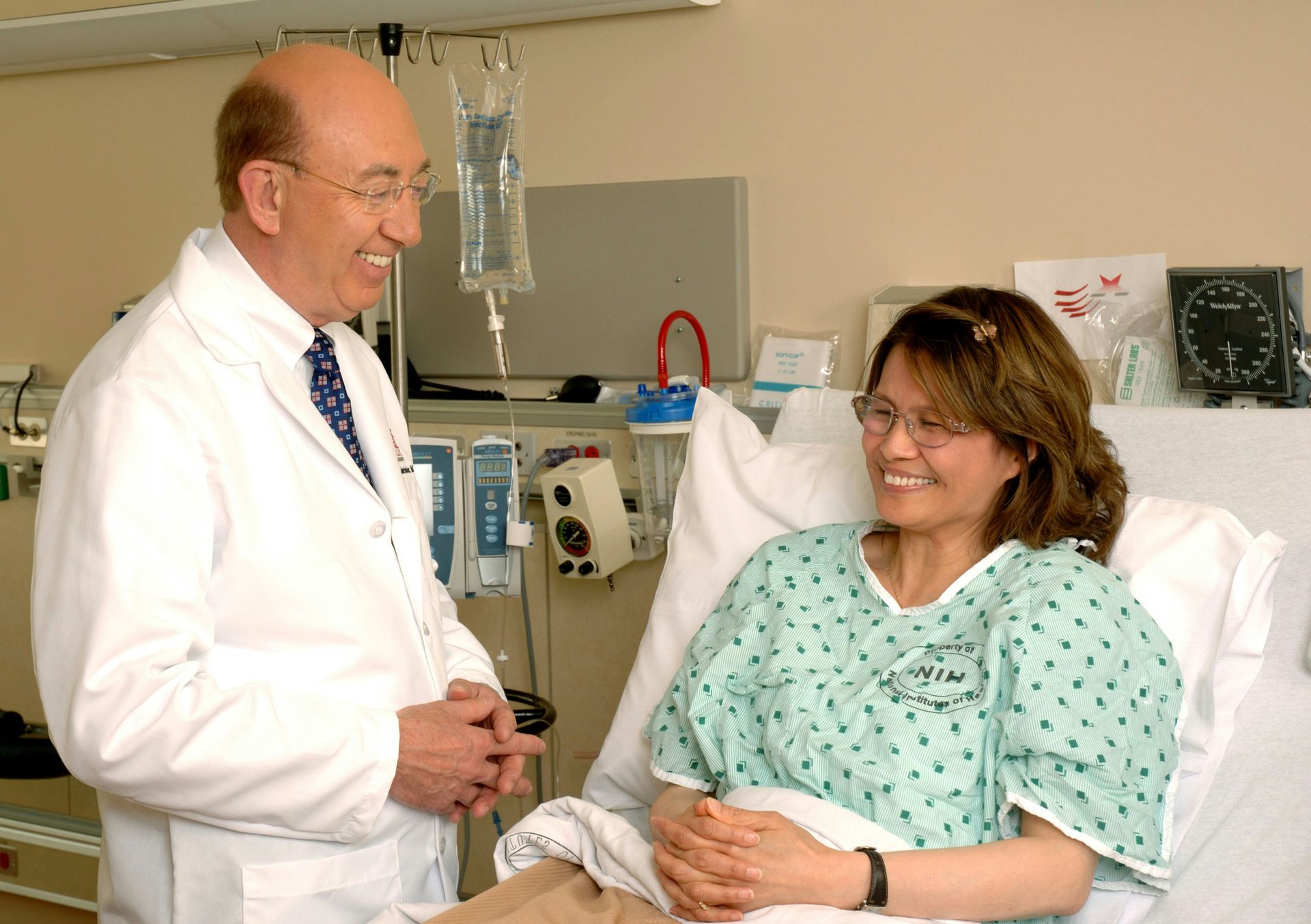
Roles that require physical execution or deep interpersonal connection tend to resist transformation. The Indeed report classifies skills like patient care, employee relations, and network administration as falling into the minimal‑transformation category. In these areas, human performance is expected to stay largely unchanged, at least for now
Kenny Eliason / Unsplash
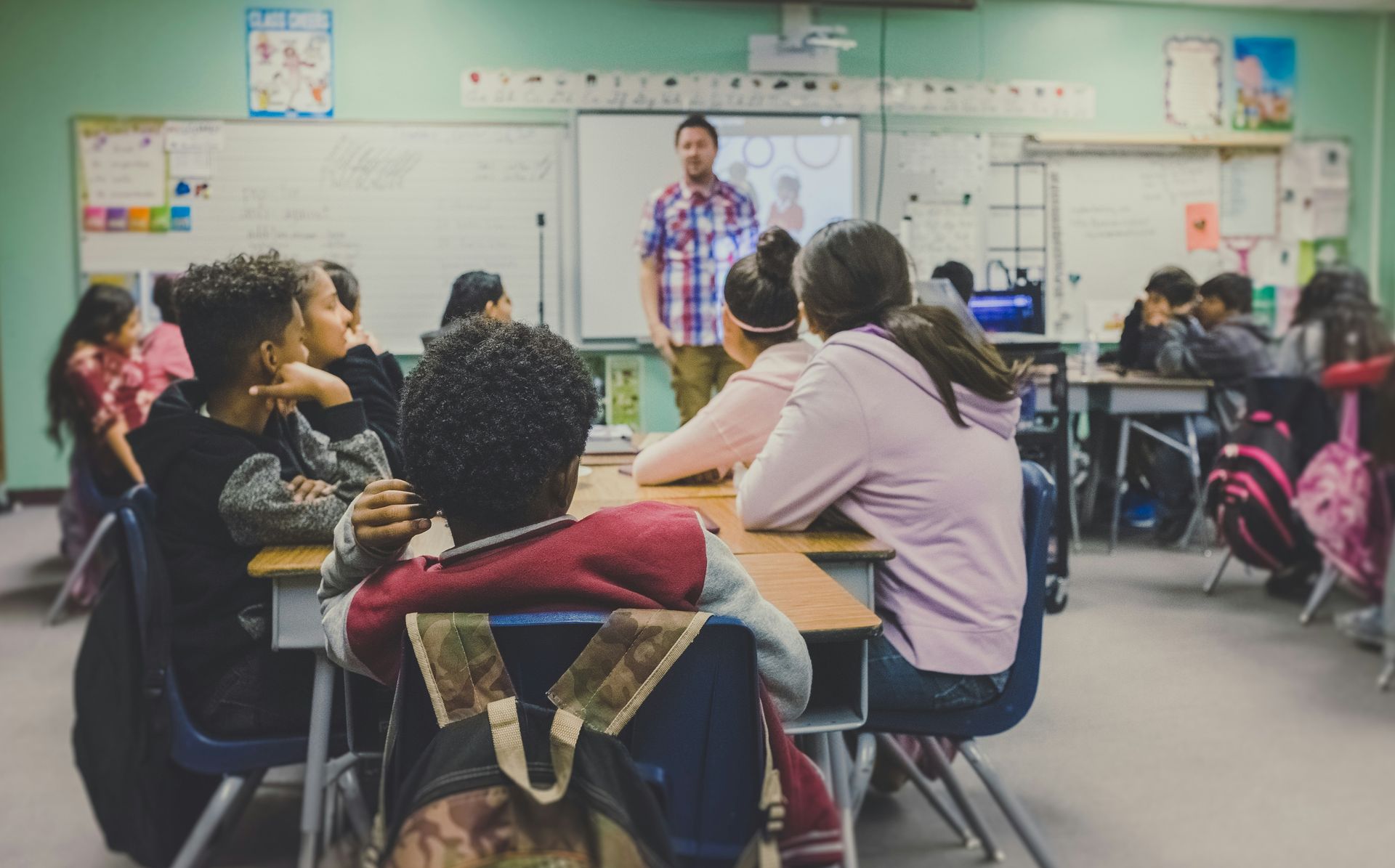
Some roles allow AI to act in a support capacity, offering templates, basic research or prompts, without taking over fully. These include environmental law, trading, and teaching. When it comes to AI-supported roles, the human remains the lead actor and must apply judgment beyond what AI suggests.

Christopher Gower / Unsplash
In this category, AI handles much of the routine execution, while humans oversee, audit, and intervene in ambiguous or exceptional cases. Examples might include medical coding, travel planning, and proofreading.

Radek Grzybowski / Unsplash
Only about 1 % of the analyzed skills are currently rated as fully replaceable by AI. They tend to be narrow, structured tasks (e.g. basic math operations, image classification, prompt engineering) which exist within broader processes

Karl Pawlowicz / Unsplash
Technical skill sets are among those more vulnerable to AI replacement. The report notes that 82 % of skills mentioned in software development job postings fall under hybrid transformation. AI already handles many routine coding tasks, leaving human developers to supervise, refine, and resolve edge cases.

Tyler Franta / Unsplash
Core nursing skills, such as direct patient care, are less likely to be replaced by AI. But peripheral tasks such as administrative paperwork, translation support, and documentation hold potential to become hybrid roles. Some 14 % of general admin tasks and 9 % of healthcare admin skills in nursing are considered replaceable with AI to some degree.

Lyubomyr (Lou) Reverchuck / Unsplash
Despite AI’s capabilities, actual adoption requires businesses to be ready. In its report, Indeed emphasizes that the skill classification reflects potential transformation, not guaranteed replacement. In both AI assisted and hybrid roles, the human touch is still needed for ambiguous cases, to interpret context, and to validate AI outputs. Overall, oversight skills, domain expertise, and the ability to reason beyond AI’s reach will remain essential.
