The company is buying GPUs, data rights, chip startups, and political allies, betting that no one else can afford to match its pace in AI
Jonathan Raa/NurPhoto via Getty Images
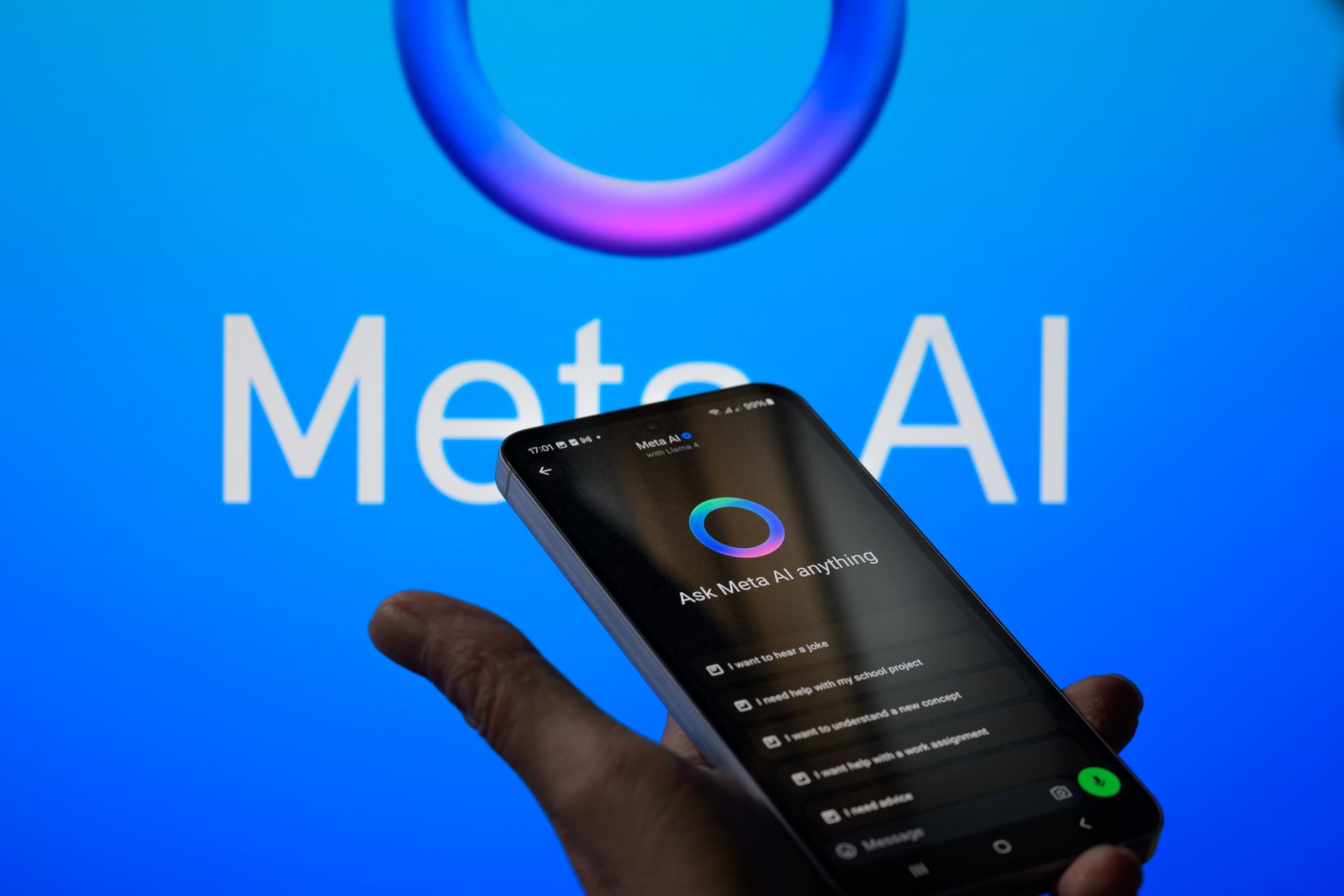
Meta $META is burning money like it’s jet fuel, and Wall Street couldn’t be happier. In its latest earnings call, the company forecast $66–$72 billion in 2025 capital expenditures — and investors barely blinked. The stock rose anyway, a signal that shareholders are willing to indulge CEO Mark Zuckerberg’s vision of AI at any cost, as long as the company’s ad machine keeps humming. Where other companies might face activist revolts or calls for austerity, Meta has been rewarded for writing the biggest checks in the room.
Zuckerberg is using that latitude to turn Meta into something closer to a sovereign spender than a Silicon Valley platform. Billions are flowing into Nvidia $NVDA GPUs, into custom chips, into datacenters that resemble energy utilities. Billions more are earmarked for talent, with recruiters dangling blank-check offers to lure engineers away from rivals (although, that’s reportedly on pause). And as if the hardware bills aren’t enough, Meta is now cutting deals with publishers, chip startups, and cloud providers — part of a sprawling campaign to make sure no piece of the AI economy is off-limits.
The company’s bet here seems to be less about inventing the cleverest algorithm and more about overwhelming the field with capacity, staying power, and cash — and lots and lots of it. AI isn’t a cheap sport, and the company has decided that the best way to secure a winner’s-circle berth is to spend until the race becomes unaffordable for anyone else.
That strategy has precedent: Meta’s pivot to mobile a decade ago was an all-in gamble that worked. This time, the price tag is just several orders of magnitude higher. For now, the result is a company trying to buy its way into AI’s future from every angle at once — chips, licenses, politics, interfaces, and commerce — a spending spree that makes even its high-spending peers look thrifty.
Sergio Flores/Bloomberg via Getty Images
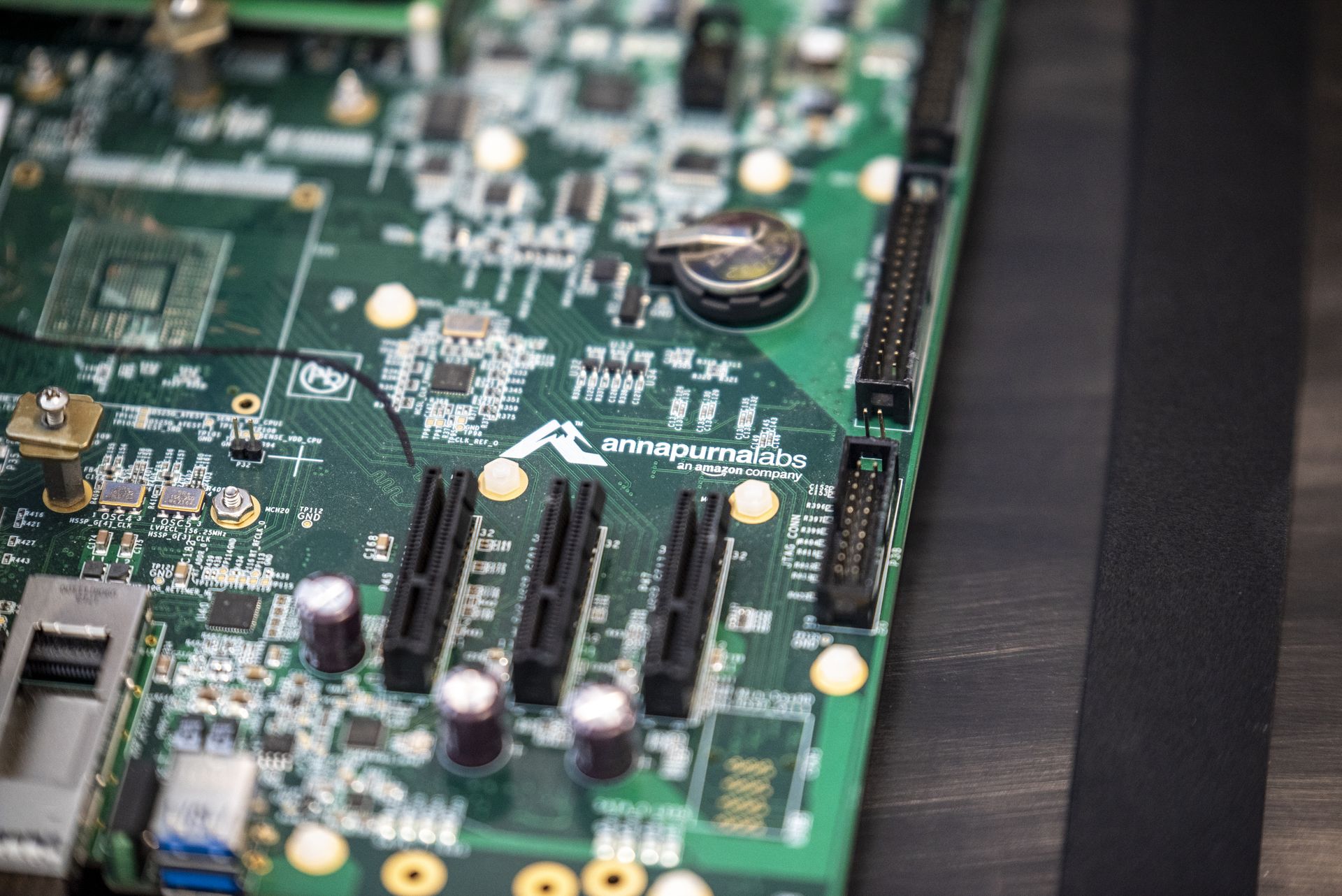
Compute is the coin of the realm for Meta $META, and Zuckerberg has made it clear he intends to outspend rivals. The company has already committed to building one of the largest GPU clusters in the world, reportedly targeting hundreds of thousands of Nvidia $NVDA H100s — a move that, when combined with existing infrastructure, gives it compute capacity measured in a kind of “supercomputer-class” scale.
That kind of horsepower isn’t just about running Llama efficiently. Meta is trying to send a signal to investors, rivals, and regulators that the company is in AI’s big leagues — that it isn’t just a fast follower. The sheer capital expenditures burn — tens of billions of dollars annually (see: $66-72 billion) — puts Meta alongside Microsoft $MSFT, Google $GOOGL, and Amazon $AMZN in the AI arms race. Meta’s bet is that if the winners will be determined by who can train the largest, most capable models, then the first step is buying the biggest training ground.

Joan Cros/NurPhoto via Getty Images
Nvidia $NVDA’s dominance in training chips has created what many are calling the “GPU tax,” and Meta $META doesn’t want to keep paying it forever. That’s why the company has quietly built MTIA, a home-grown inference accelerator that’s now running at scale, designed to handle the billions of daily AI calls across its suite of apps — Instagram, Facebook, and WhatsApp.
By designing its own silicon, Meta hopes to drive down cost per inference and regain control of its margins. But inference is just the beginning. Meta has reportedly explored training-class chip designs and is reportedly acquiring Rivos (deal pending), a RISC-V startup with talent in high-performance systems. Meta also inked a $14.2 billion compute capacity deal with CoreWeave through 2031. The logic is defensive as much as offensive: As long as Nvidia’s supply chain remains tight and prices remain high, Meta is vulnerable.
Owning the stack could give the company a hedge against supply shocks, a long-run cost advantage, and a platform for custom optimizations that are tuned specifically to Llama. This is all about expensive R&D now — for cheaper AI later.

Saul Loeb/AFP via Getty Images
But Big Tech doesn’t just spend on chips and models; it spends on politics. Meta $META has created a super PAC (the American Technology Excellence Project) and poured millions into it to influence state-level AI legislation, betting that many of the rules that will shape AI use will (at least for now) be written far from Washington. At the same time, the company is investing heavily in compliance and lobbying against overly restrictive rules, particularly around model openness and liability.
Just as important is the narrative Meta is pushing. By positioning Llama as “open source” — even as critics dispute how “open” it really is — Meta is trying to carve out some sort of moral high ground against rivals such as OpenAI, which are more guarded. Meta, framing itself as the democratizer of AI, seems to be giving itself cover to lobby for looser rules, while still building political allies.

Vuk Valcic/SOPA Images/LightRocket via Getty Images
Models eat data, and Meta $META has learned the hard way that scraping everything on the open web isn’t a sustainable strategy. Lawsuits from publishers, music labels, and creators have raised the stakes of what gets fed into training runs. So the company has started doing what it has long resisted: coughing up money.
Reports of licensing talks with publishers — the same types of deals OpenAI and Google $GOOGL are striking — seem to signal that Meta is prepared to cut checks to legitimize its data diet. The calculus is simple. First, licensed datasets provide higher-quality, legally safe training inputs, which reduce the risk of costly injunctions. Second, they give Meta a narrative to counter lawsuits, claiming the company is partnering, not freeloading. And third, licensing gives Meta a way to lock up rights others can’t easily access. In the winner’s circle, what you feed your models matters as much as how many GPUs you can buy.
David Paul Morris/Bloomberg via Getty Images
Meta $META isn’t content just building powerful models; it wants them everywhere users live and work. That means striking distribution deals with partners such as IBM $IBM, which integrates Llama into enterprise stacks, and Qualcomm $QCOM, which puts Llama directly onto Snapdragon devices. The strategy is to seed the ecosystem with Meta’s models until they become the default.
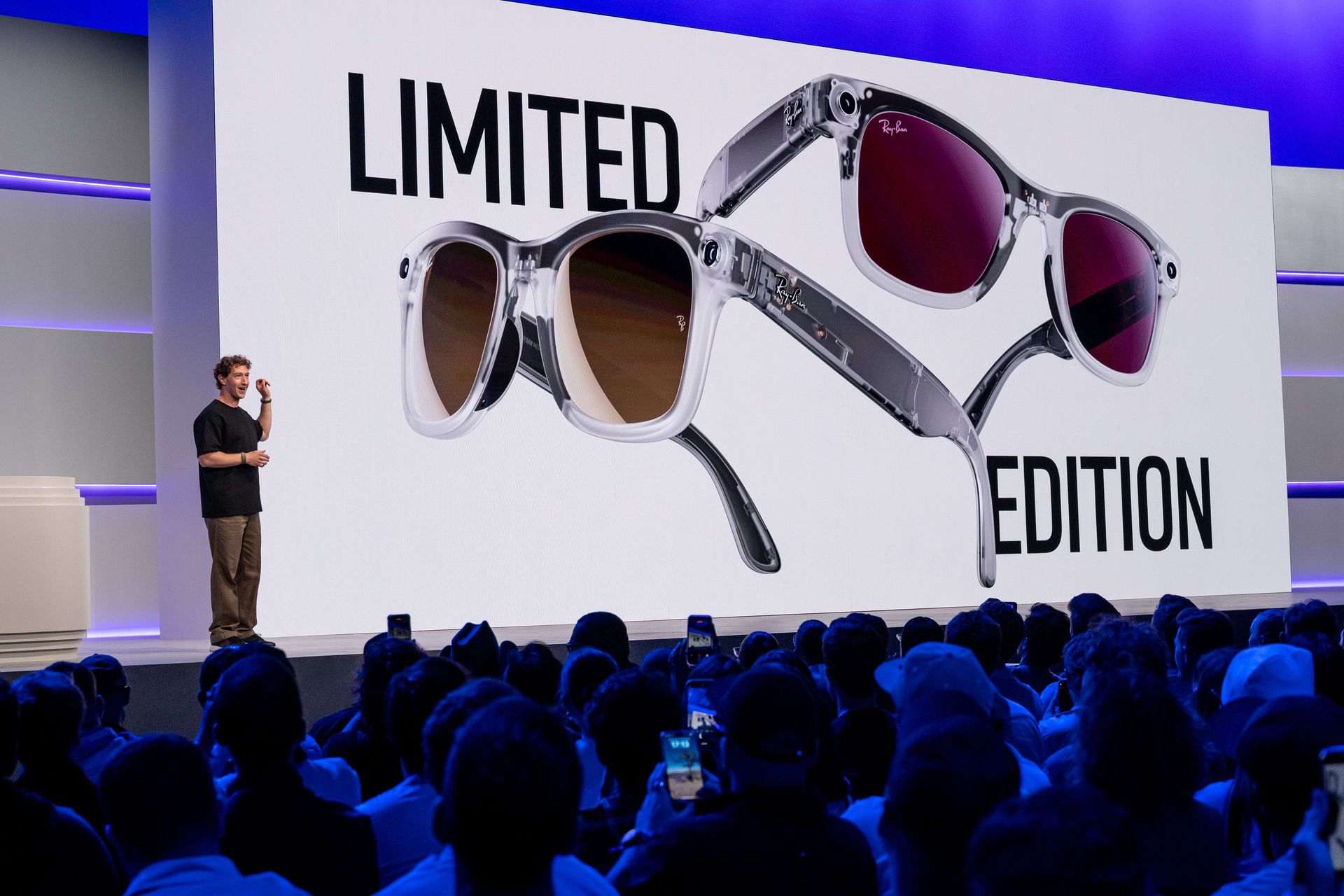
But perhaps the company’s most ambitious bet is on consumer interfaces. Its Ray-Ban Display smart glasses now come with multimodal AI that can see and respond in real time — a wearable front door for Meta’s models. WhatsApp, Messenger, and Instagram are all laced with Meta AI assistants that normalize chatting with Llama-powered bots as part of daily life. (Even if how well the AI glasses work is still very much up in the air.) If Meta can make its AI the most familiar surface — the assistant you already use without thinking — then the transition from social network to AI platform feels less like a leap and more like muscle memory.
