Celebrate World Emoji Day with the icons Americans use the most
Andriy Onufriyenko / Getty Images
World Emoji Day is Thursday, July 17 — and while it may seem like just another made-up internet holiday, the little icons it celebrates play a big role in modern communication. Whether it's a thumbs-up, crying-laughing face, or string of hearts, emojis help people add tone, nuance, and personality to their messages.
But where did they come from? And who decides what emojis we get to use?
The first emojis were created in Japan in the late 90s by Shigetaka Kurita, who designed a set of 176 pictograms. These early designs were basic 12x12 pixel images that conveyed things like weather, emotions, or activities. Emojis quickly caught on and eventually spread globally as smartphones and messaging apps embraced them. Apple $AAPL’s iPhone helped popularize emojis in the West when it added an emoji keyboard in 2011.
Despite how common they are, emoji creation isn’t random. New emojis are approved by the Unicode Consortium, a nonprofit group comprised of major tech companies like Apple, Google $GOOGL, and Microsoft $MSFT. The consortium votes on whether or not to add emojis to the Unicode Standard, which ensures emojis work across different devices and platforms.
"Emojis are well and truly established as a cornerstone of our digital lexicons," Keith Broni, the editor-in-chief of the emoji website Emojipedia, told Quartz.
Broni's site brought back its Emoji Tracker this year, which lists the most popular emojis by country. "Emojis are a truly global phenomenon that continue to evolve, and Emojipedia continues to evolve with them," Broni said.
The tracker has already led to some interesting insights, like:
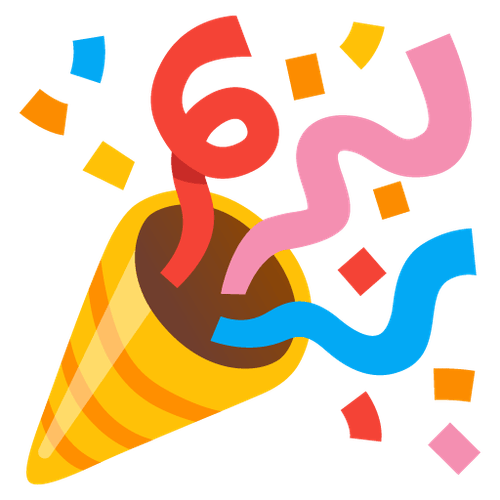
Keep reading to see the 10 most popular emojis in the U.S.

Credit: Emojipedia

Credit: Emojipedia
Credit: Emojipedia

Credit: Emojipedia

Credit: Emojipedia

Credit: Emojipedia

Credit: Emojipedia

Credit: Emojipedia

Credit: Emojipedia

Credit: Emojipedia
