
Novo Nordisk’s weight-loss empire is feeling the burn. Tuesday, the company just cut its full-year outlook for the second time this year, as growth in its seemingly once-unshakable obesity drug franchise showed more signs of slowing.
Novo Nordisk cut its guidance for the second time this year as compounded competition and international underperformance hit Wegovy sales
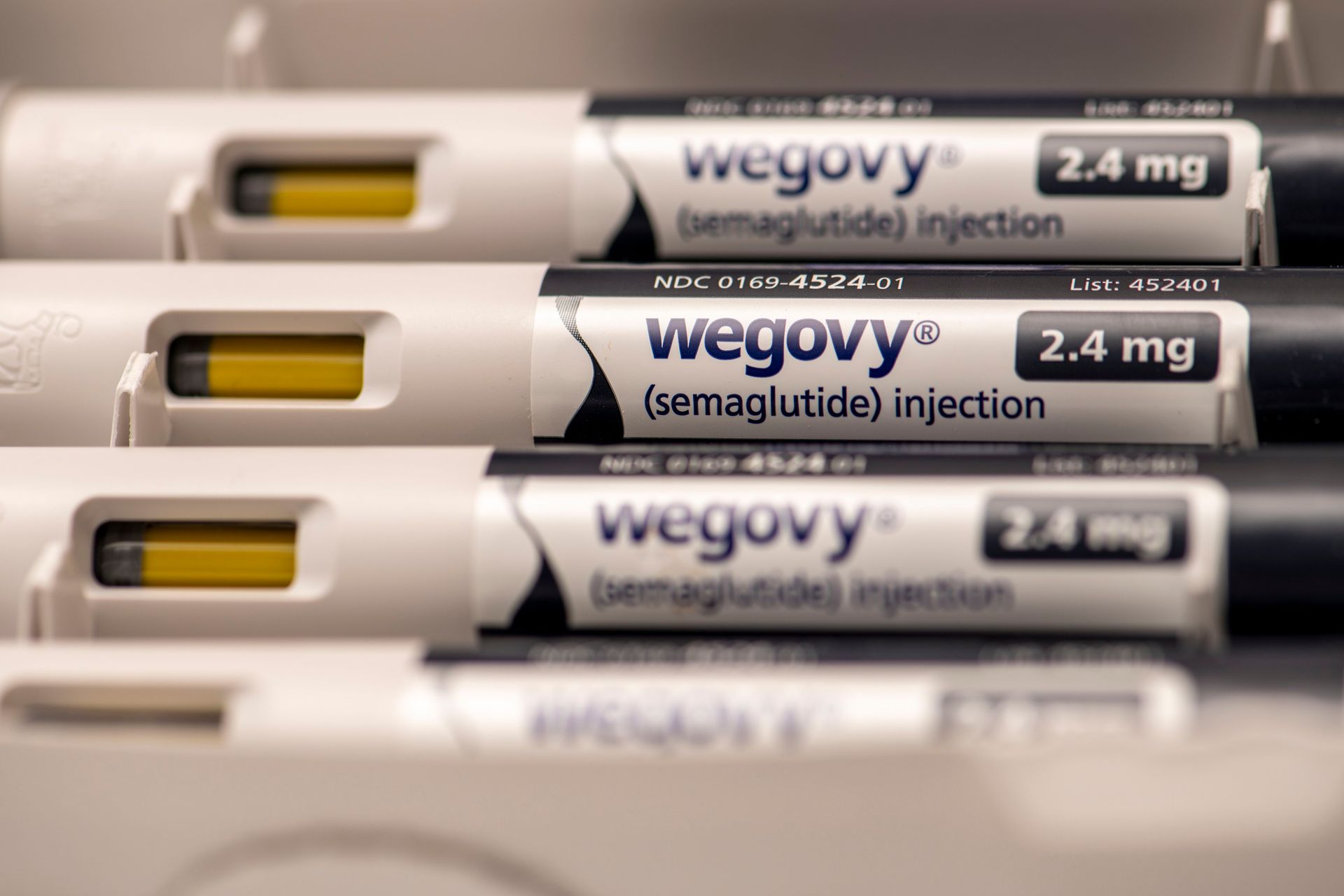
Michael Siluk/UCG/Universal Images Group via Getty Images
Novo Nordisk’s weight-loss empire is feeling the burn. Tuesday, the company just cut its full-year outlook for the second time this year, as growth in its seemingly once-unshakable obesity drug franchise showed more signs of slowing.
On the surface, Novo’s second quarter looked solid: revenue rose 18% year over year and operating profit surged 40%. But the headline numbers masked a more sobering update. The Danish pharma giant said branded uptake in the U.S. is underwhelming and international expansion is falling short of expectations — just as competition intensifies and investor patience thins.
The revised outlook — sales growth of 8-14%, down from 13-21%; and profit guidance of 10-16%, down from 16-24% — sent shares tumbling close to 22% in volatile premarket trading, knocking billions off Novo’s market cap and rekindling fears that the GLP-1 gold rush might have already peaked. The guidance cut caught analysts off guard: Ahead of Tuesday’s release, Bank of America $BAC and Guggenheim said they didn’t expect a revised outlook, and Barclays said one was unlikely.
The company blamed slower-than-expected Wegovy uptake in the U.S., lingering fallout from last year’s supply shortages, and a still-uncertain path back to consistent prescription growth now that the FDA has banned compounded versions of semaglutide. Even though the FDA’s mass compounding ban went into effect in late May, Novo’s market intelligence indicates that illicit semaglutide knockoffs continue under the “false guise of ‘personalisation,’” the company said in a press release. That surge in copycats stung brand loyalty and pricing power. The result: slower-than-usual penetration in both cash and retail cash channels. In response, Novo is pursuing litigation and regulatory escalation to reclaim control of its branded market.
Internationally, several key markets (including parts of Europe and Asia) have yet to hit adoption targets for Wegovy — complicating growth expectations in the remaining half of the year and adding further drag.
Novo remains the global GLP-1 leader in revenue terms, but the momentum appears to be shifting. Eli Lilly $LLY’s Zepbound and Mounjaro are gaining fast, with strong trial data (and a potential pill form) and a more aggressive U.S. launch playbook. And while compounded knockoffs are now technically off the market, their pricing legacy remains; many patients became accustomed to paying less.
Some analysts have said that Novo misread U.S. demand, rolling out capped launches and prioritizing high-price regions, only to let compounded lower-cost alternatives fill the void while Lilly deployed volume aggressively. Meanwhile, Novo’s pricing and access strategy has been reactive, not active. Its direct-to-patient platform, NovoCare, and recent formulary wins such as CVS Caremark are meant to recapture ground lost during last year’s shortages — but so far, uptake has been slow, and visibility remains murky. Analysts from UBS and Berenberg have warned that the rebound may take time because visibility into NovoCare’s impact is limited (which TD Cowen echoed), and compounding has already dented prescription momentum.
Novo is making long-term bets, too: Oral semaglutide and next-gen candidates such as CagriSema and amycretin remain key to its obesity pipeline. But only against sustained execution in U.S. markets — and visible recovery in branded GLP‑1 uptake — will they matter.
Amid daggering sentiment, Novo also announced Tuesday that Maziar Mike Doustdar, the long-time executive vice president of international operations, will assume the CEO role effective August 7, succeeding Lars Fruergaard Jørgensen, who left amid the company’s sustained struggles. The leadership change comes as the company looks to reset its U.S. strategy and tackle intensified competition. Doustdar inherits a company with solid fundamentals but shaken conviction — and a mandate to rebuild confidence through execution, pricing, pipeline, and litigation.
“This is an important moment for Novo Nordisk,” Novo chair Helge Lund said in a statement. “The market is developing rapidly, and the company needs to address recent market challenges with speed and ambition. I believe Novo Nordisk will build on its strengths as a global leader in obesity and diabetes, and Mike has a clear vision of how to unlock the full potential of the opportunities ahead.”
Now, the full second-quarter earnings report (coming August 6) will be critical. Investors will watch for trends in Wegovy prescription volumes (especially in insured versus cash channels), brokerage of compounded knockoffs, and the effectiveness of direct-to-patient initiatives like NovoCare. Analysts increasingly believe that the company needs real traction from those moves — soon — or risk permanent share erosion. With shares now down almost 60% from last year’s highs and a leadership change underway, the company’s once-invincible status is looking more fragile. Novo may have built the weight-loss drug market — but now, it has to prove it can keep leading it.
Join 500,000+ readers who start their day with Quartz.
By subscribing, you agree to our Terms of Service and Privacy Policy.