
Water is wet. Grass is green. And OpenAI, the nonprofit that was going to save humanity from dangerous AI, just went for-profit.
The ChatGPT maker's long-awaited restructuring changes everything, unleashing it to compete with rivals like Google and Meta
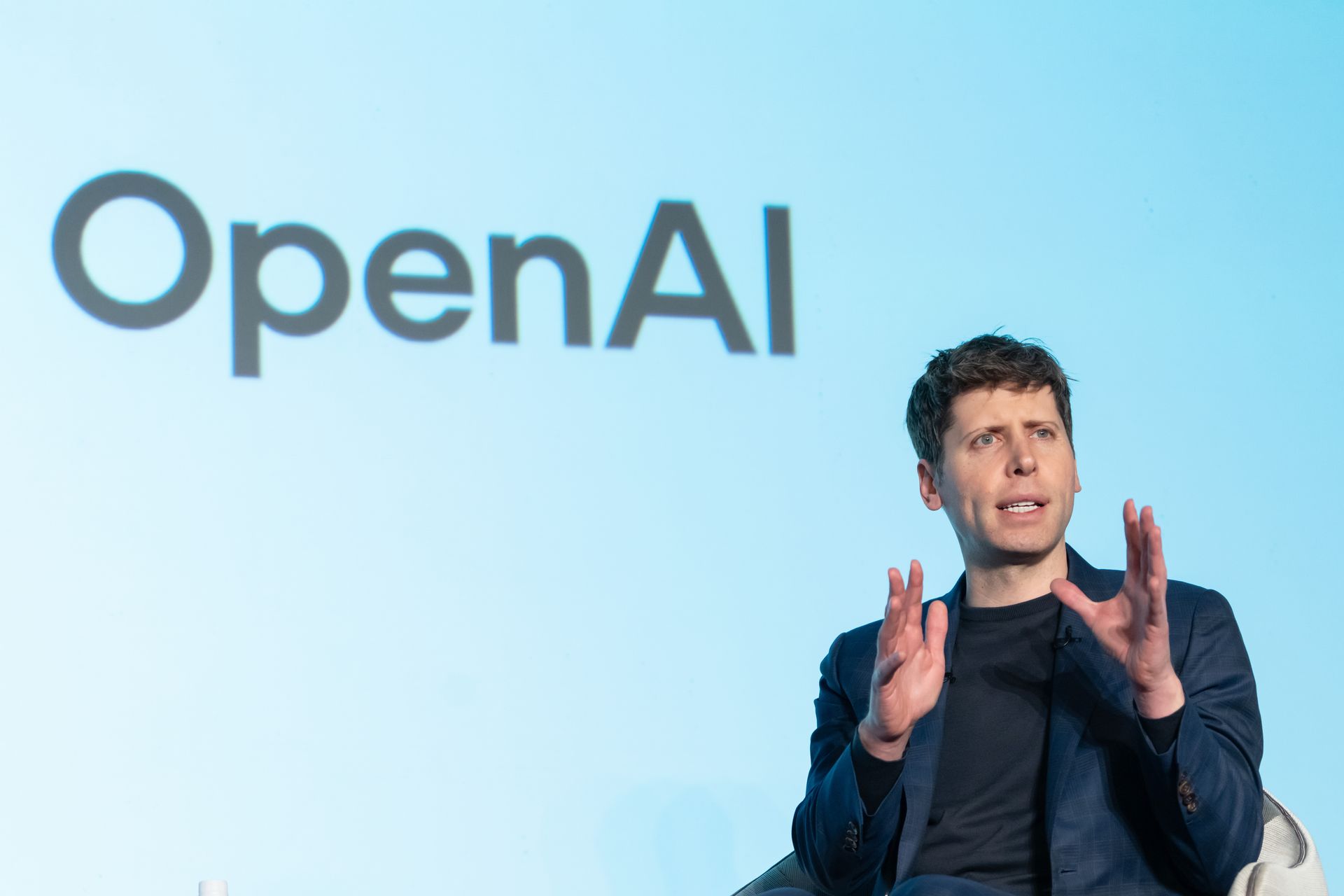
Photo by Tomohiro Ohsumi / Getty Images
Water is wet. Grass is green. And OpenAI, the nonprofit that was going to save humanity from dangerous AI, just went for-profit.
The company's restructuring, announced Tuesday, converts OpenAI into a public benefit corporation while handing its nonprofit foundation a $130 billion stake, making it the wealthiest foundation in America. But this move was not about philanthropy. It's about unleashing OpenAI to compete with rivals like Google $GOOGL and Meta $META.
The writing has been on the wall since ChatGPT exploded onto the scene in 2022. While OpenAI preached about benefiting humanity from its nonprofit perch, competitors weren't bound by such lofty restrictions. Google, Meta, and Amazon $AMZN could tap their trillion-dollar valuations, issue stock options to lure top talent, and make billion-dollar infrastructure bets without asking permission from attorneys general.
OpenAI's nonprofit board famously fired Altman in November 2023, reportedly over concerns about the pace of commercialization. His triumphant return days later was the death knell for any pretense that OpenAI would remain a traditional nonprofit. The board that once tried to pump the brakes was replaced with one that understood the assignment: win the AI race, whatever it takes.
The restructuring changes everything. As a public benefit corporation — a for-profit company legally required to balance shareholder returns with a stated public benefit — OpenAI can now issue equity to employees, critical for competing with Meta's million-dollar packages. Unlike a traditional nonprofit, which can't offer stock options, or its previous convoluted "capped-profit" structure, which turned off investors, a PBC operates like a normal company with a social mission baked into its charter.
Think of it as the corporate equivalent of having your cake and eating it too. OpenAI can raise capital through traditional equity rounds, offer competitive compensation packages, and eventually go public, all while claiming to serve humanity's interests. Anthropic uses a similar structure. Until recently, xAI, owned by Elon Musk, did too.
The timing isn't coincidental. SoftBank had threatened to slash its $30 billion investment to $20 billion if OpenAI didn't restructure by year's end. Microsoft $MSFT needed to renegotiate its exclusive access to OpenAI's technology. Top researchers were fleeing to competitors who could offer real equity upside. The nonprofit status was keeping them from raising money, which the company needs an almost endless amount of to survive.
Consider the math. OpenAI has racked up around $1 trillion in AI deals this year alone, according to The Financial Times. This includes $300 billion with Oracle $ORCL, $100 billion with Nvidia $NVDA, and $22 billion with CoreWeave, a data center company. Those deals together are nearly 80 times its current annual revenue of $13 billion. The company plans to build 250 gigawatts of computing capacity by 2033, enough to power Germany. These aren't the modest ambitions of a charity; they're the imperial dreams of a company that believes it will either dominate the future or cease to exist.
Critics like Musk, who's suing to block the restructuring, argue this betrays OpenAI's founding mission. But that mission was always a contradiction. How do you benefit all humanity while racing against competitors who answer only to shareholders?
OpenAI defends itself by pointing to the nonprofit's $130 billion stake and its promise to spend $25 billion on health and AI safety initiatives. But this is window dressing on a fundamentally commercial enterprise. The nonprofit board may technically maintain control, but when your survival depends on keeping investors happy, raising hundreds of billions in capital, and retaining talent with competitive equity packages, that control becomes largely ceremonial.
What's remarkable isn't that OpenAI abandoned its nonprofit structure, but that anyone believed it would last. In Silicon Valley, where network effects and winner-take-all dynamics reign supreme, coming in second place in the AGI race might as well be last place.
Join 500,000+ readers who start their day with Quartz.
By subscribing, you agree to our Terms of Service and Privacy Policy.