Even in a tough job market, five-star workers won't dance to the performance management tune
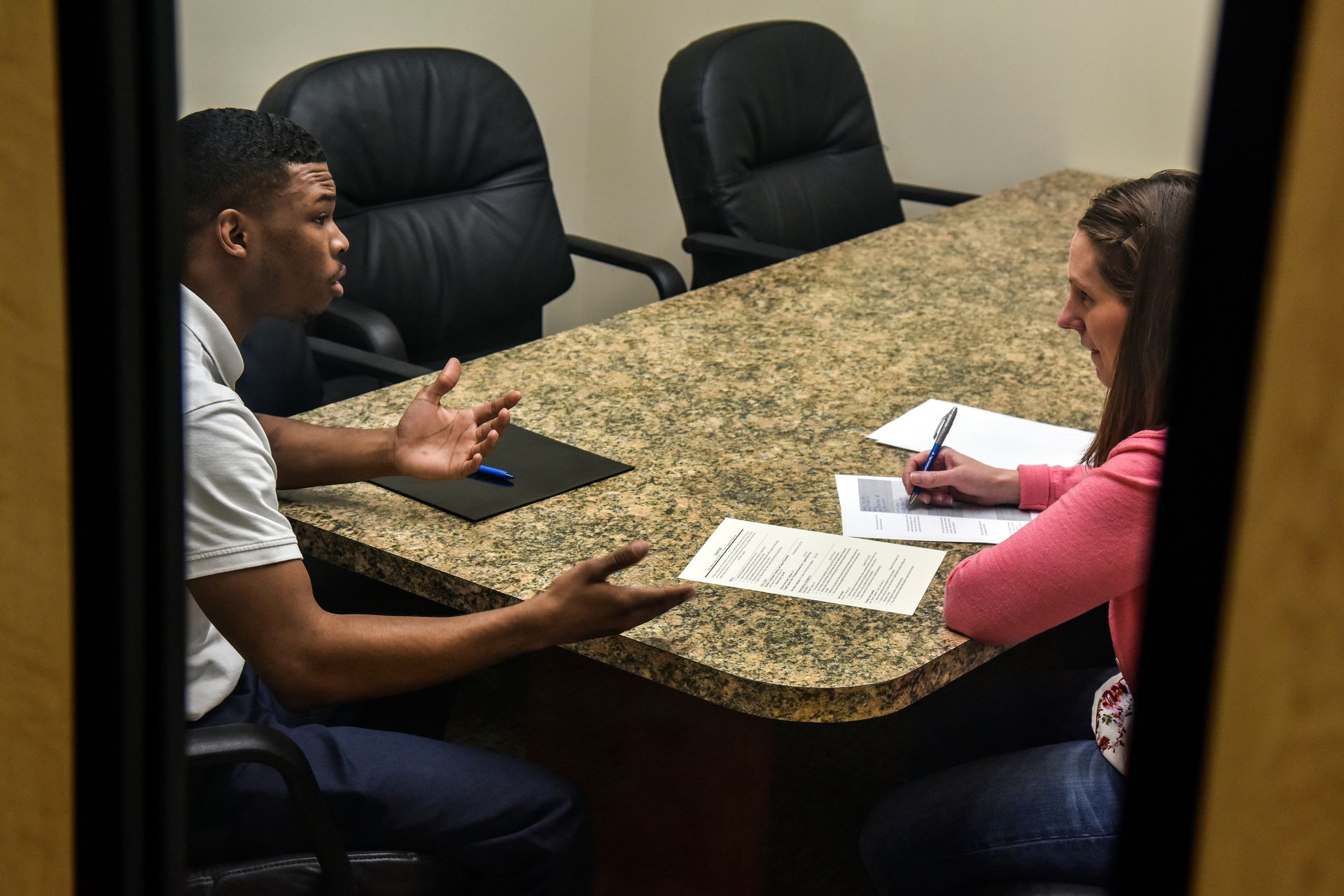
There’s growing sentiment among workplace experts that the time of performance management-based reviews is up, and it’s the best company workers leading the revolt.
It’s not just the cream of the crop talent that’s turning a cold shoulder to performance management evaluation strategies; mainstream workers dislike the practice, too.
A case in point.
Join 500,000+ readers who start their day with Quartz.
By subscribing, you agree to our Terms of Service and Privacy Policy.
According to Deloitte’s 2025 Insights, 64% of career professionals say performance reviews are a “complete waste of time that doesn’t help them perform better.” That’s a problem, workplace specialists say. Data shows that top talent who deem performance management reviews as problematic will start showing signs of low morale and substandard performance. When that occurs, experts say, the best workers start sprucing up their resumes and start looking for an exit plan.
According to the AI-fueled management company Acorn, “performance reviews are not just broken, they are driving talent out the door.” Acorn’s data shows that four out of five corporate decision makers admit workers, even top-rated ones, “must leave their company to get promoted or earn higher pay, and only 29% of workers trust how their company evaluates performance.”
It gets worse. With two-thirds of career professionals saying performance management is a detriment and even a deal breaker, 66% of US executives still have “confidence” in the job evaluation strategy, Acorn reported. This is the case even as these same senior executives admit that staffers need to leave the company to expand their career opportunities.
“Most organizations still have no reliable way to evaluate performance based on what people are actually capable of,” said Keith Metcalfe, president of Acorn. “No wonder 60% of employees say their metrics are not fair.”
Metcalfe noted that performance management advocates have wasted decades and millions of dollars trying to fix the wrong problem. “We don’t need another HR process; we need real capability systems that objectively and consistently map what people can do, what they need to learn, and how that moves the business forward. Anything less pushes great talent out the door,” he said.
As the adage goes, you need to understand a problem before you can fix it. That starts with accurately defining performance management as an employee review model.
“Performance management is supposed to establish an organized system that measures how employees are performing and delivering to the business,” said Yad Senapathy, founder and CEO of the Project Management Training Institute in Dallas, Texas.
Typically, those reviews monitor such quantifiable aspects as the schedule of project delivery, the project budget compliance, the error percentage, or the customer satisfaction ratings.
“Other companies may include behavioral measures such as teamwork or flexibility, which are more difficult to measure on the dashboard but come to dominate performance discussions,” Senapathy noted. “Performance reviews, in contrast to continuous feedback models, tend to summarize a broad range of data into a snapshot that is used to make compensation decisions or to promote the individual.”
The primary problem is that summarized data consolidation often overlooks context. “A delay in a project may be recorded against a person when in fact the delay was due to leadership changes or a shortage of resources. This is when the employees feel misrepresented,” Senapathy said.
Senapathy also believes that performance reviews have lost their effectiveness over the past decade.
“What used to be a growth checkpoint now has the flavor of a compliance exercise,” he said. “This over-reliance on inflexible scoring systems, e.g., five-point ratings or bell curves, removes the subtlety of professional development.”
Another issue is that current performance management employee reviews tend to be backward-looking, with a focus on what went wrong rather than what can be improved.
“Talented employees find little relevance in attending a two-hour meeting where they are only subjected to generic remarks related to indicators that don’t capture the magnitude of their input,” Senapathy added. “This misalignment promotes disengagement, and ultimately attrition, particularly among high performers who seek discussions around their career development, not a formula that turns their work into numbers.”
Employees and management often split on what matters most to top performers, and that’s spilled over into job review protocols.
“Employees have a completely valid point,” said Lisa Sterling, chief people officer at Perceptyx, an employee experience services firm in Minneapolis, Minnesota. “The core issue is that traditional reviews are not centered on true behavior change or future growth. They are events rather than conversations that occur naturally in the flow of work.”
For the employee, current review models can feel like a one-way street of judgment rather than a collaborative discussion about their career and contributions. “Employees dislike performance reviews because they feel disconnected from how people grow and deliver value. And they’re right,” Sterling noted. “A once-a-year scorecard doesn’t help anyone get better, doesn’t build capability, and doesn’t keep top talent engaged.”
What top performers want out of performance management reviews is ongoing coaching, clarity about how their work drives outcomes, and visibility into how they can grow. “They don’t want to be blindsided by feedback about something that happened six months ago,” Sterling said. “That’s not accountability, that’s history.”
Sterling equates current performance management review processes to parenting. “If I only gave my kids feedback once or twice a year, they would never grow,” she said. “They need real-time feedback, encouragement, and course correction in the moment. Employees are no different. Growth doesn’t happen in annual cycles; it happens every day.”
This is precisely where organizations need to distinguish between performance pressure and performance enablement. “Pressure alone creates fatigue and attrition,” Sterling noted. “Enablement, meaning giving people clarity, feedback, and resources, drives sustainable impact and outcomes. It’s the difference between running your people like machines and developing them like leaders.”
For CEOs and Boards, this isn’t just a “people problem”. It’s a business risk. “If you lose the very talent that drives execution, innovation, and customer outcomes, you’re not just facing turnover, you’re facing stalled growth,” Sterling said. “Performance systems done wrong drain your bench. Done right, they build it.”
Senior executives can make performance reviews fair by combining measurable results.
“They can do so with qualitative feedback, holding more frequent check-ins instead of rigid annual reviews, and ensuring transparency in how criteria are applied,” said Lisa A. Cummings, attorney and executive vice president at Cummings & Cummings Law in Dallas, Texas.
Company management can also involve the employee upfront in setting goals for the new performance year. “Here, they can use the goal alignment as a discussion with the employee to agree on how success will be measured for the year,” Cummins $CMI said. “Training managers to deliver constructive, consistent feedback and linking reviews to real opportunities for growth builds trust, reduces legal and reputational risk, and helps retain top talent while aligning employee development with long-term business goals.”
Sterling notes the best employee performance reviews aren't ‘reviews’ at all.
“Instead, they’re ongoing experiences designed to help people grow, stay engaged, and deliver enterprise impact,” she noted.
Sterling believes these practical principles work best when creating and executing employee performance reviews. Better yet, they can help companies keep key employees valued enough so they stick around.
1. Separate Pay from Performance Conversations
Compensation should be transparent and based on market benchmarks, role value, and skills. Not performance ratings. “When pay and performance are conflated, employees stop listening for growth and start negotiating for dollars,” Sterling said. “Keep them distinct so feedback can stay focused on development and impact.”
2. Managers as Coaches, Not Evaluators
The role of a leader isn’t to play judge and jury. “The role of the manager is to be a coach who helps people get better every day,” she added. “The best managers see themselves as talent accelerators. They provide context, clarity, and feedback in real time, and they partner with employees on how to close gaps and build strengths.”
3. Feedback in Real Time, All Year Round
Don’t save feedback for an annual event. Small, timely bursts of feedback such as coaching after a presentation, nudging someone on how to handle a customer call, or praising initiative in the moment have exponentially more impact. “Employees want to know what’s working and what to adjust while they can still act on it,” Sterling said.
4. Shift the Focus from Ratings to Readiness
Ratings don’t really serve a purpose that is meaningful and drives behavior change, and they should not define a person’s worth or growth. The more powerful question is: “What is this employee ready for next?” “Readiness, whether it's for bigger projects, leadership roles, or stretch opportunities, tells you far more about talent health than a static number ever will,” Sterling noted.
5. Keep the Lens on Enterprise Value
Good performance conversations always tie back to impact: How did your work move the business forward? What skills are you building that strengthen our future? “When employees see the connection between their contributions and the company’s outcomes, engagement, and accountability rise together,” Sterling added.
Workplace experts agree that transparency and empathy are the key elements in recasting the employee review process.
“By setting clear expectations, checking in regularly, and tying feedback to both organizational goals and employee aspirations, executives can create an environment where reviews feel less like a critique session and more like a roadmap for growth,” said Amy Mosher, chief people officer at isolved, a human resources and benefits services company in Charlotte, North Carolina.
Company leaders must also equip managers with the training and tools they need to provide constructive feedback while ensuring reviews are equitable across teams. “When employees see that reviews are tied to clear metrics, free of bias, and supported by open communication, trust in the process can be rebuilt,” Mosher added.
When done thoughtfully, performance reviews become less about criticism and more about partnership. “Employees feel supported in their growth, while leaders gain a clear view of performance across the organization,” Mosher said.
