
Pharma giants are pouring billions into U.S. manufacturing as they move to shield themselves from tariffs proposed by the Trump administration.
The pharma giants' multibillion spending promises come as drugmakers look to mitigate the threat of levies on imported medicines
Scott Olson/Getty Images
Pharma giants are pouring billions into U.S. manufacturing as they move to shield themselves from tariffs proposed by the Trump administration.
Eli Lilly $LLY and GSK are the latest to announce major projects, adding to a rush of investment promises this year as drugmakers look to mitigate the threat of levies on imported medicines.
British-based GSK said it will invest $30 billion in the U.S. over five years. That includes $1.2 billion for a new facility near Philadelphia to produce treatments for respiratory diseases and cancer, alongside upgrades at plants in several states.
“The vast majority of our products going into the U.S. are manufactured in the U.S.,” GSK Chief Executive Emma Walmsley said. “This of course adds to it, and it’s about the new pipeline that’s going through.”
The investment comes as President Donald Trump is in the U.K. for a three-day state visit, which Walmsley said "brings together two countries that have led the world in science and healthcare innovation."
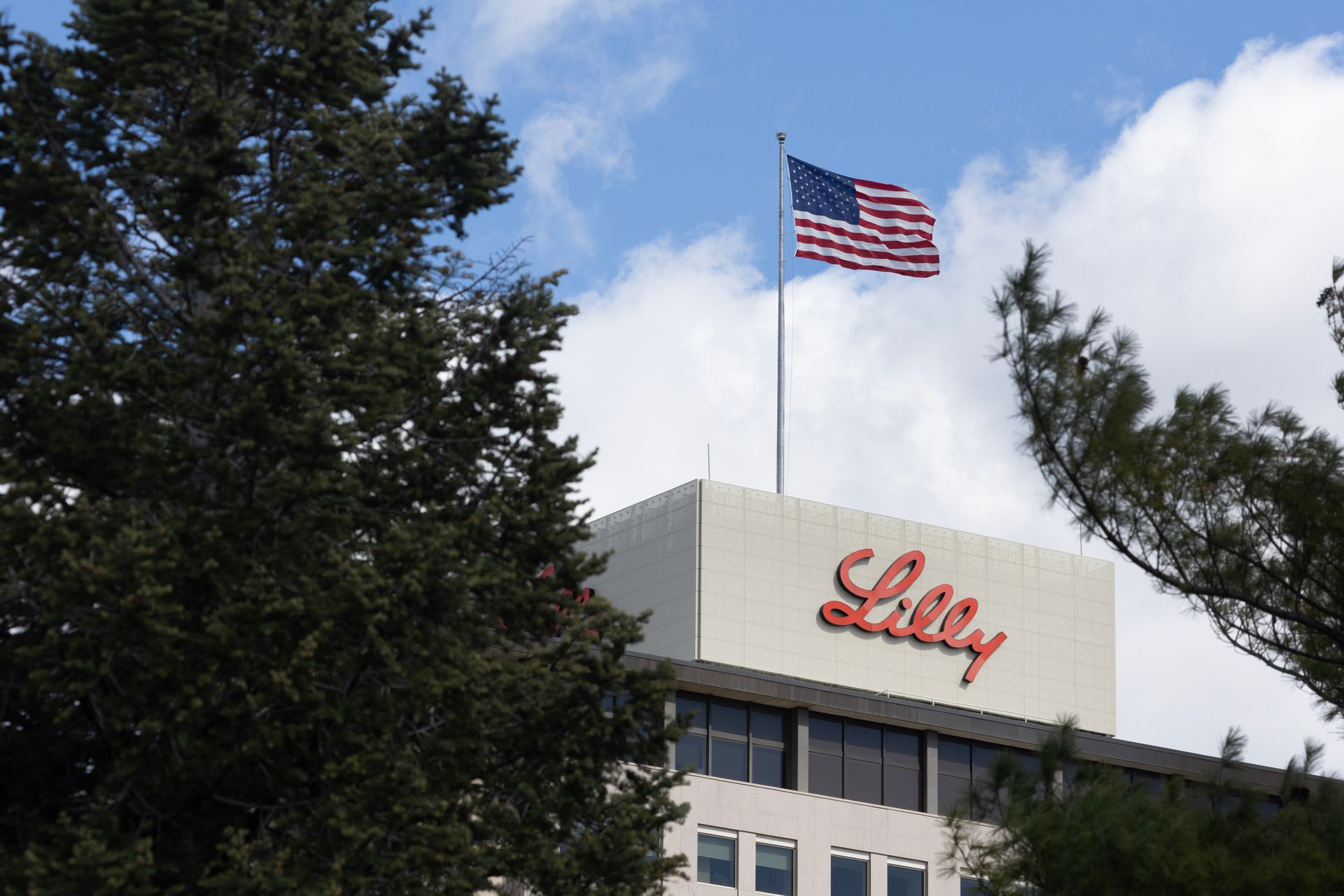
Eli Lilly announced a $5 billion plant near Richmond, Va., for monoclonal antibodies and bioconjugates. The site will employ 650 people once operational and 1,800 during construction, the company said.
“Our investment in Virginia underscores our commitment to U.S. innovation and manufacturing — creating high-quality jobs, strengthening communities and advancing the health and well-being of Americans nationwide,” CEO David A. Ricks said.
The pledges form part of hundreds of billions in U.S. spending commitments from drugmakers. Johnson & Johnson $JNJ has promised $55 billion over four years, while AstraZeneca $AZN recently said it would spend $50 billion by 2030. Companies including Novartis, Sanofi, and Roche have made similar promises.
Trump wrote to 17 of the world’s biggest drugmakers in July, including Eli Lilly, Novo Nordisk, and Pfizer $PFE, demanding they slash prices for U.S. consumers.
He said he would “deploy every tool in our arsenal to protect American families from continued abusive drug pricing practices” if companies did not comply with his demands, saying other countries had been “freeloading on U.S. innovation.”
Prescription drug prices in the U.S. are often two to three times higher on average than those in other developed countries, according to the nonprofit Commonwealth Fund. The administration is currently mulling a wave of pharma-specific tariffs, and Trump has suggested rates could soar to as much as 250% over an 18-month period.
Companies have long opposed tariffs on medicines, arguing that tax policy would be a better incentive to expand domestic production. Still, executives are pushing ahead with plans to limit exposure, with some also stockpiling raw materials inside the U.S. to guard against near-term disruption.
Morningstar analysts have estimated that drugmakers could lose 4% in profits if they shift production to the U.S., compared with 7% if they maintain current footprints abroad but face new tariffs.
Join 500,000+ readers who start their day with Quartz.
By subscribing, you agree to our Terms of Service and Privacy Policy.