
Turns out July is the new Black Friday, at least for Amazon $AMZN.
U.S. shoppers spent $24.1 billion online during Prime Day—more than twice what they spent on Black Friday
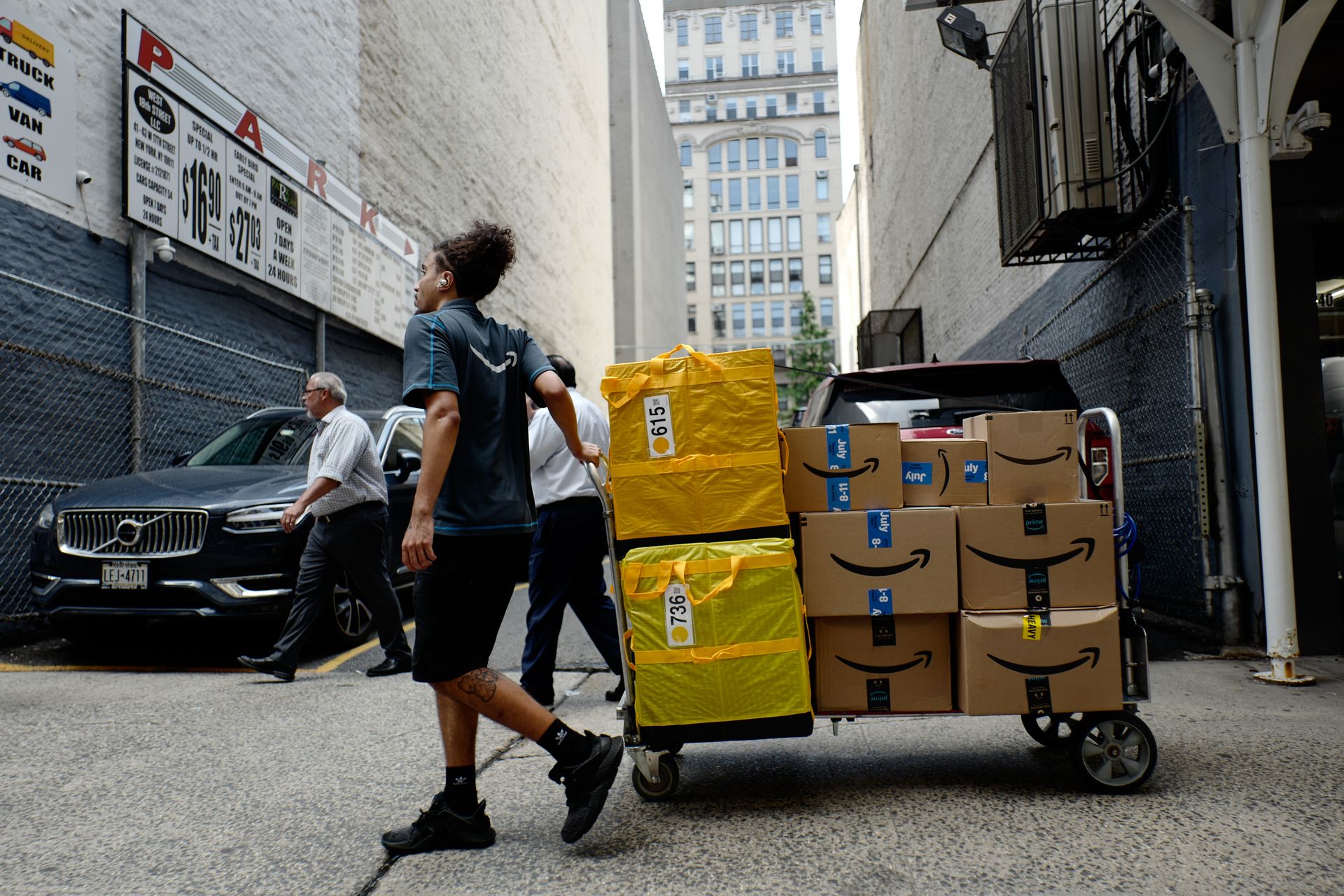
Klaus Galiano/Bloomberg via Getty Images
Turns out July is the new Black Friday, at least for Amazon $AMZN.
According to new data from Adobe $ADBE, U.S. consumers spent a whopping $24.1 billion online from July 8 to 11 during this year’s extended Prime Day event—a 30% jump over last year, and more than double what shoppers spent on Black Friday 2024.
The report, which tracks over 1 trillion visits to U.S. retail sites, shows just how massive the mid-year shopping moment has become—not just for Amazon, but for retailers across the board. And shoppers weren’t just filling their carts with small stuff: thanks to big discounts, many people traded up for higher-ticket items like TVs, computers, and even appliances.
Oh—and they did most of it on their phones. Mobile shopping made up more than half (53%) of all online sales.
Big categories like appliances (up 112%), electronics (up 95%), and office supplies (up 105%) saw serious growth. And some of the fastest-selling items were:
Prime Day also unofficially became the new back-to-school shopping season. School supplies like backpacks and calculators were up 175%, while dorm room gear like bedding, mini fridges, and microwaves saw an 84% jump.
One of the most surprising findings? AI-powered tools played a huge role in this year’s shopping spree. Adobe reported a 3,300% increase in traffic from generative AI tools like chatbots and shopping assistants. While still a small slice of total traffic, it shows how quickly AI is being integrated into everyday shopping.
Meanwhile, influencers drove nearly 20% of online revenue, with conversion rates 10x higher than average social media posts. In other words: those “TikTok made me buy it” moments are still going strong.
Shoppers also turned to Buy Now, Pay Later (BNPL) services to help manage the spending spree. BNPL accounted for $2 billion in online orders, a 33% increase from last year. It was especially popular for bigger purchases in categories like electronics, fashion, and home goods.
Unlike some spending spikes in the past, this one wasn’t driven by inflation. In fact, online prices have dropped 2.1% compared to last year, making this year’s Prime Day growth even more impressive. People weren’t just paying more—they were buying more.
Join 500,000+ readers who start their day with Quartz.
By subscribing, you agree to our Terms of Service and Privacy Policy.