Small business owners reported feeling more optimistic in July compared to June, a new report found.

Respondents to the NFIB survey rated labor quality as their biggest issue
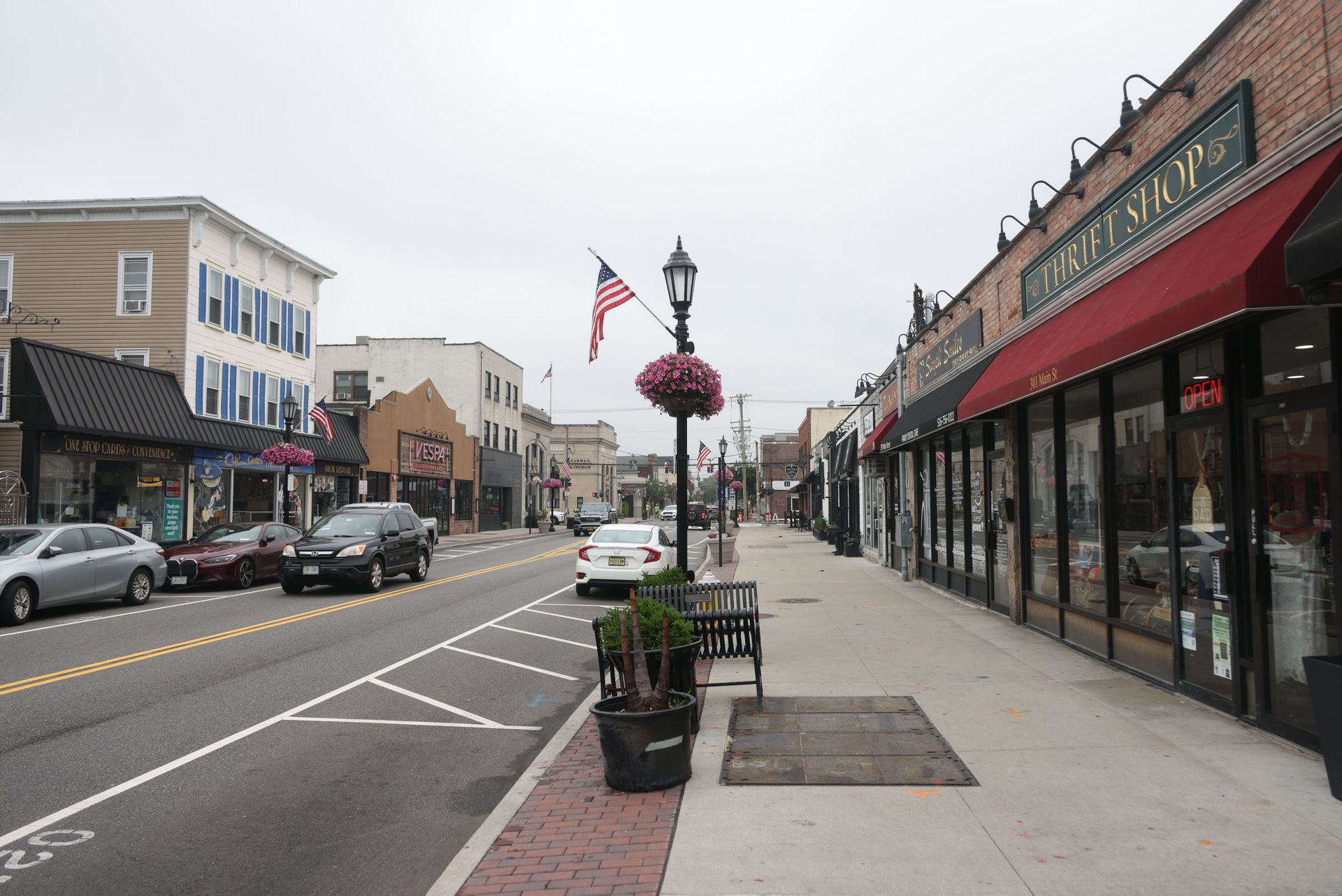
James Carbone/Newsday RM via Getty Images
Small business owners reported feeling more optimistic in July compared to June, a new report found.
Optimism grew 1.7 points in July to 100.3 from June — rising just above the 52-year average of 98, according to a survey by the nonprofit small business advocacy group the National Federation of Independent Business.
Respondents reported better business conditions and healthier businesses. The percentage of small businesses that said they expect better business conditions in the months ahead increased 14 points from the previous month to a net level of 36%, which the NFIB said is “comfortably above” the historical average. The percentage of businesses that said it's a good time to expand rose five points from June.
Still, small business owners also said they feel more uncertain, with the survey showing an eight-point rise from June’s report.
“While uncertainty is still high, the next six months will hopefully offer business owners more clarity, especially as owners see the results of Congress making the 20% Small Business Deduction permanent and the final shape of trade policy,” NFIB chief economist Bill Dunkelberg said in a release.
Labor quality ranked as respondents' top issue last month, with more than 20% calling it their biggest problem — a five percentage-point increase from June. Respondents reported a drop in job openings they couldn’t fill in July, reaching that metric's lowest level since December 2020 at 33%. Still, this rate is above the monthly historical average of 25%.
Respondents that reported poor sales as their top issue hit its highest level since February 2021. The percentage of respondents that said inflation is their biggest problem remained unchanged from June, which was the lowest rate since September 2021. In the previous month’s report, respondents said taxes were their top problem.
The rise in optimism comes as a July jobs report showed weak gains in the last three months, adding to an already struggling market. Meanwhile, the Consumer Price Index (CPI) for July climbed 0.2% from June — matching economist forecasts — while the year-over-year rate held at 2.7%.
A net 28% (seasonally adjusted) of respondents to the NFIB survey said they plan to raise prices — a four-point drop from June. But the organization pointed out that, similar to with data around actual prices changes, this figure "is well above its historical average and is a signal of continued inflation."
When asked during a press conference Tuesday about the administration's message to small business owners that will raise prices due to tariffs, White House press secretary Karoline Leavitt said: “You have never had a better ally or friend or supporter in this White House than President Donald Trump who is a businessman himself, who understands your concerns and who wants to restore wealth back to our country through the powerful use of tariffs and that's what he's focused on doing while simultaneously driving down costs.”
Leavitt added that the current administration “inherited an economic mess” from the Biden administration.
President Donald Trump has placed tariffs on countries across the globe that range from as low as 10% to as high as 50%, with most new rates going into effect last week.
Prior to last week’s rate changes, businesses had been absorbing most tariff-related costs, Goldman Sachs $GS analysts said according to a Bloomberg report. But moving forward, the bulk of that cost will be placed on consumers, they said.
Join 500,000+ readers who start their day with Quartz.
By subscribing, you agree to our Terms of Service and Privacy Policy.