-1920x1281.jpg)
Alexander Spatari / Getty Images
When it comes to personal income taxes, the U.S is far from uniform. Some states impose steep rates that can chip away at earnings, while others boast no state income tax at all. The differences aren’t small, either. High-earning residents of high-tax states might see more than 10% of their taxable income gone, while those in certain tax-free states owe nothing on wages, salaries, or investment income.
These disparities often reflect deeper political, economic, and historical choices. Many high-income-tax states tend to be Democratic Party-leaning, and low-tax states Republican, but the rule doesn't always apply so neatly. And, importantly, the absence of a state income tax isn't the same as living in a “low-tax” state. While avoiding paying state income tax may seem like a financial advantage, the overall tax burden often tells a more complicated story.
Take Florida and Texas, for example, both of which famously don't have income tax. The two states need to find revenue other ways — how else would they fund infrastructure, education, public safety, and social services? It ends up meaning Texans have high property taxes and Floridians have high sales taxes. Even fees on things like vehicle registration, toll roads, and utilities can add up, becoming part of the "hidden cost" of living in an income-tax-free state. In some cases, residents may end up paying more overall than they would in a state with moderate income taxes but lower rates on property or purchases.
For people deciding where to live, understanding this nuance is key. A state’s income tax rate is only one piece of the puzzle.
We've compiled a list of states with the highest and lowest income taxes, using data provided by Intuit $INTU TurboTax, to help you better understand where some states fall. (For high-tax states, the rate we use is for the highest-income bracket.) Continue reading to see which states made the list:
1 / 7

joe daniel price / Getty Images
Minnesota has a 9.85% personal income tax rate for individuals earning more than $193,240 and couples earning more than $321,450.
2 / 7

Ingrid Franz Moriarty / Getty Images
Oregon has a 9.9% personal income tax rate for single filers earning over $125,000 or joint filers earning over $250,000.
3 / 7
Philippe TURPIN / Getty Images
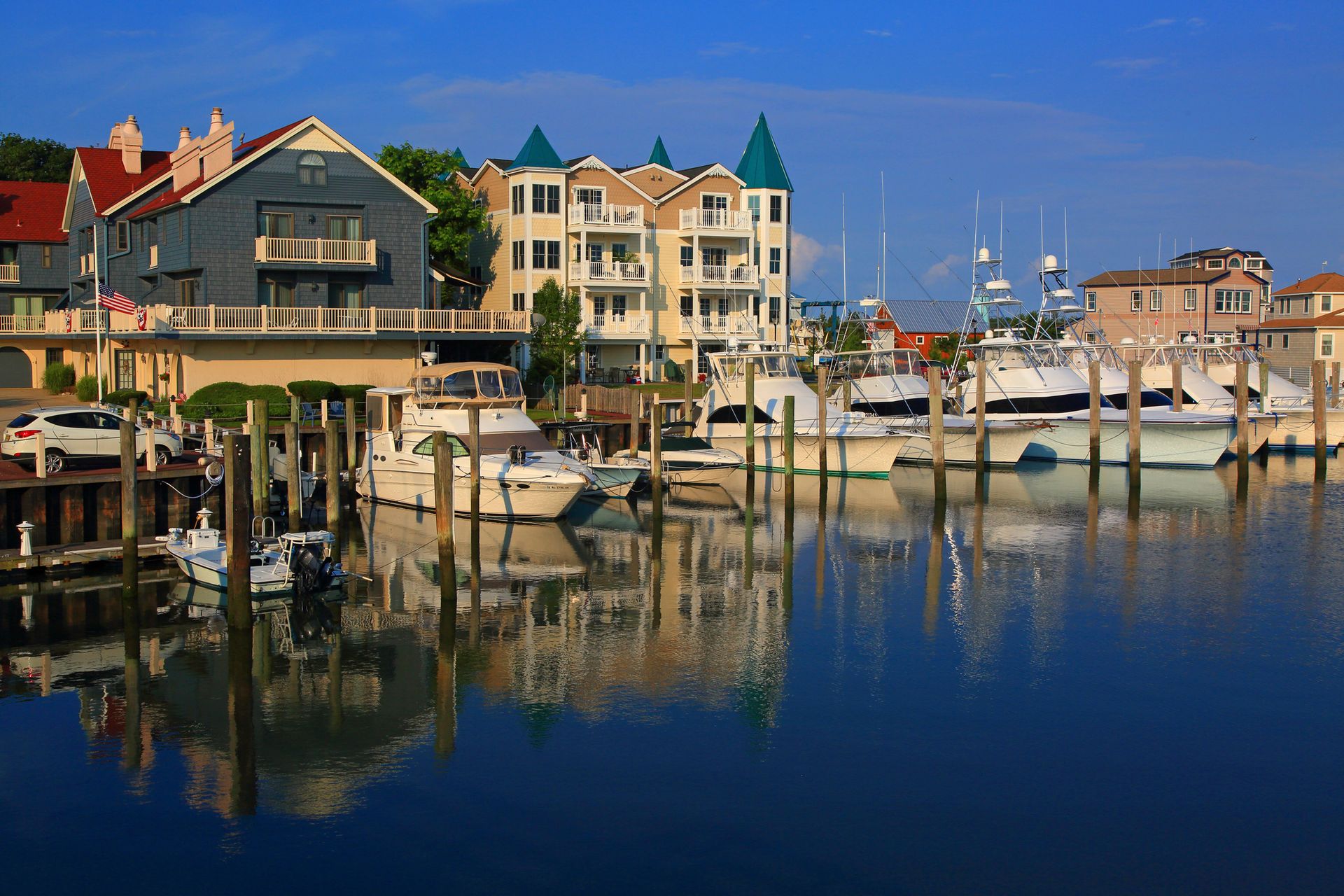
New Jersey has a 10.75% personal income tax rate for those making more than $1 million.
4 / 7

© Marco Bottigelli / Getty Images
New York has a 10.9% personal income tax rate for individuals and couples earning more than $25 million.
5 / 7

Jordan Siemens / Getty Images
Hawaii has an 11% personal income tax rate for single filers earning over $200,000 and joint filers earning over $400,000.
6 / 7

Alexander Spatari / Getty Images
California has a 13.3% personal income tax rate for individuals earning more than $1 million. They also have to pay a 1% tax for the state's mental health services.
7 / 7

Lark Productions / 500px / Getty Images
Alaska, Florida, Nevada, South Dakota, Tennessee, Texas, and Wyoming all have no personal income tax. New Hampshire also doesn't have personal income tax, but has long taxed interest and dividends — a policy that will end starting with the 2025 tax year. Washington doesn't have an income tax, but it does tax long-term capital gains.
