More than 42 million Americans have student loans, and the average size of their debt ranges widely between states

Alys Tomlinson / Getty Images
After five years of complicated and often contradictory policy, millions of borrowers are once again feeling the weight of their student debt — and it's overwhelming.
A quick refresher: Federal student loan payments were first put on hold in early 2020 as part of the government’s pandemic response. That pause stretched for an unprecedented 43 months, giving borrowers a long break from monthly payments and interest accrual. As a result, the percentage of borrowers who were behind on their loans dropped to a historic low of less than 1%.
When payments resumed in October 2023, the Biden administration introduced a one-year “on-ramp” to help ease the transition. This allowed borrowers with missed payments avoid the usual consequences, like having their delinquency reported to credit agencies. But that cushion expired in October 2024, and now, for the first time in years, missed payments on American's more than $1.814 trillion in student debt are once again showing up on credit reports.
By the first quarter of 2025, delinquencies began to rise sharply — and in some states, people are particularly languishing under the student debt crisis.
Using information from the Education Data Institute, we've compiled a list of the states where people have the most and the least federal student loan debt. (This data doesn't include private student loan debt, which represents less than 10% of all student debt.)
Continue reading to see which states made the list.
mbell / Getty Images
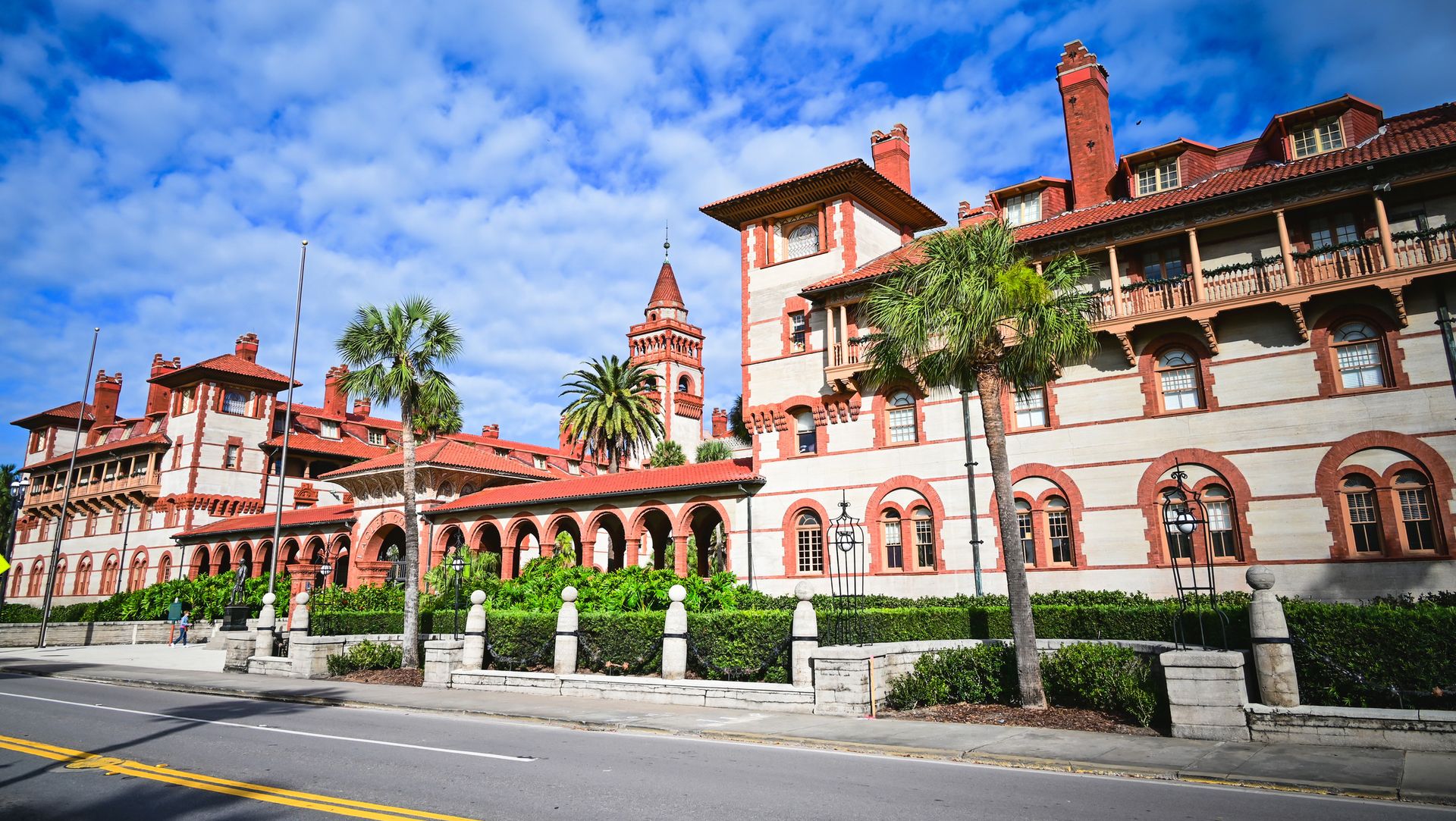
The average student loan debt in Florida is $39,574 per borrower. Floridians owe $108.1 billion in student loans, with about 2.7 million borrowers across the state. Nearly half of these borrowers (44.4%) are under the age of 35, and about 11.7% of Florida residents carry student loan debt overall. Debt levels vary: 14.9% owe less than $5,000, while 20.8% owe between $20,000 and $40,000, averaging $28,629 in that bracket. At the high end, around 2.9% of borrowers owe more than $200,000.
Paul-Briden / Getty Images
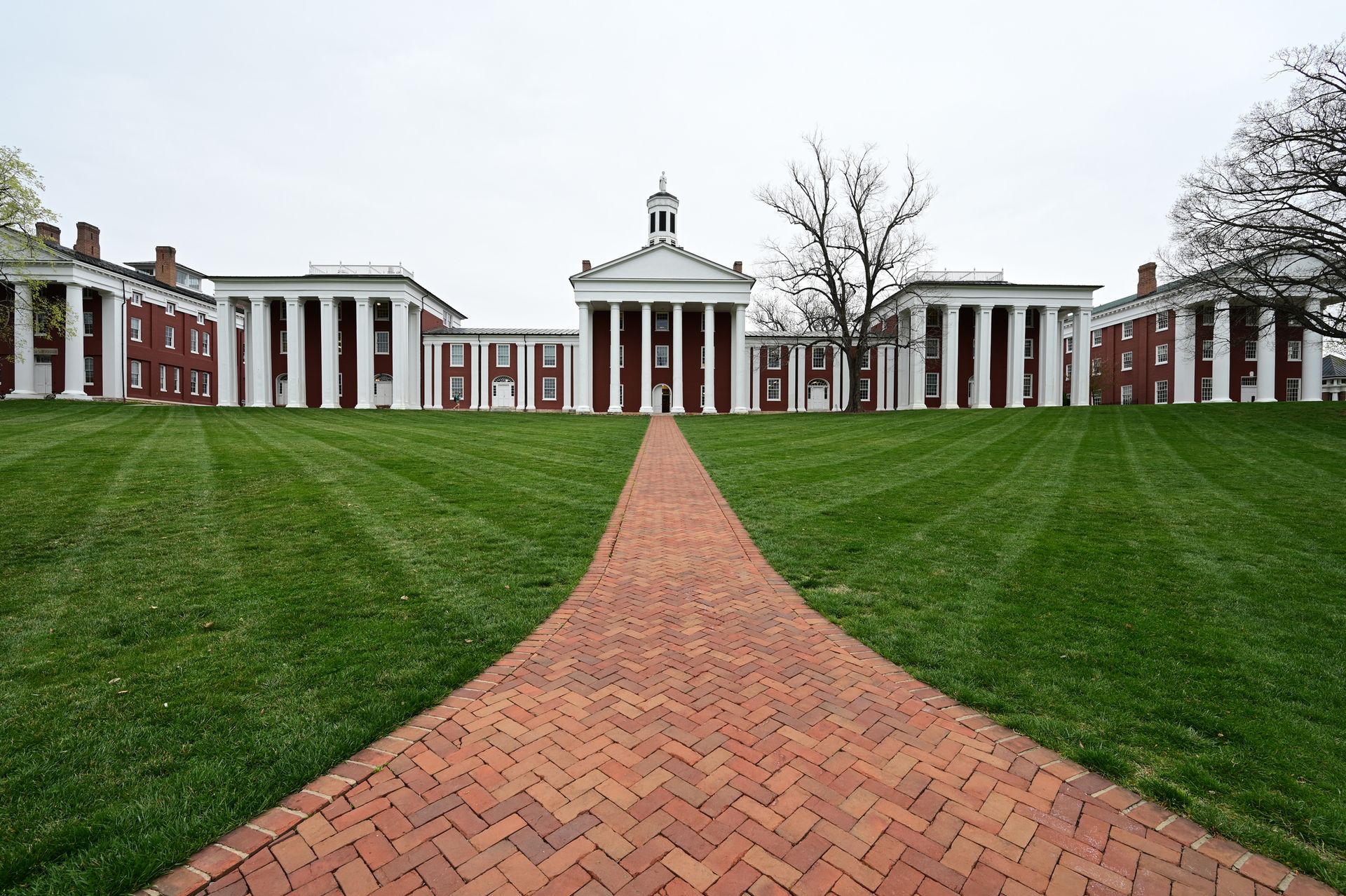
The average student loan debt in Virginia is $40,287 per borrower. Altogether, Virginians owe $44.3 billion in student loans, spread across about 1.1 million borrowers, with just over half under the age of 35. Roughly 12.5% of state residents carry student loan debt, and the amounts vary widely: 13.4% owe less than $5,000, while 23% owe between $20,000 and $40,000, averaging $28,464 in that range, and 2.7% of borrowers owe more than $200,000 in student loans.
Bo Shen / Getty Images
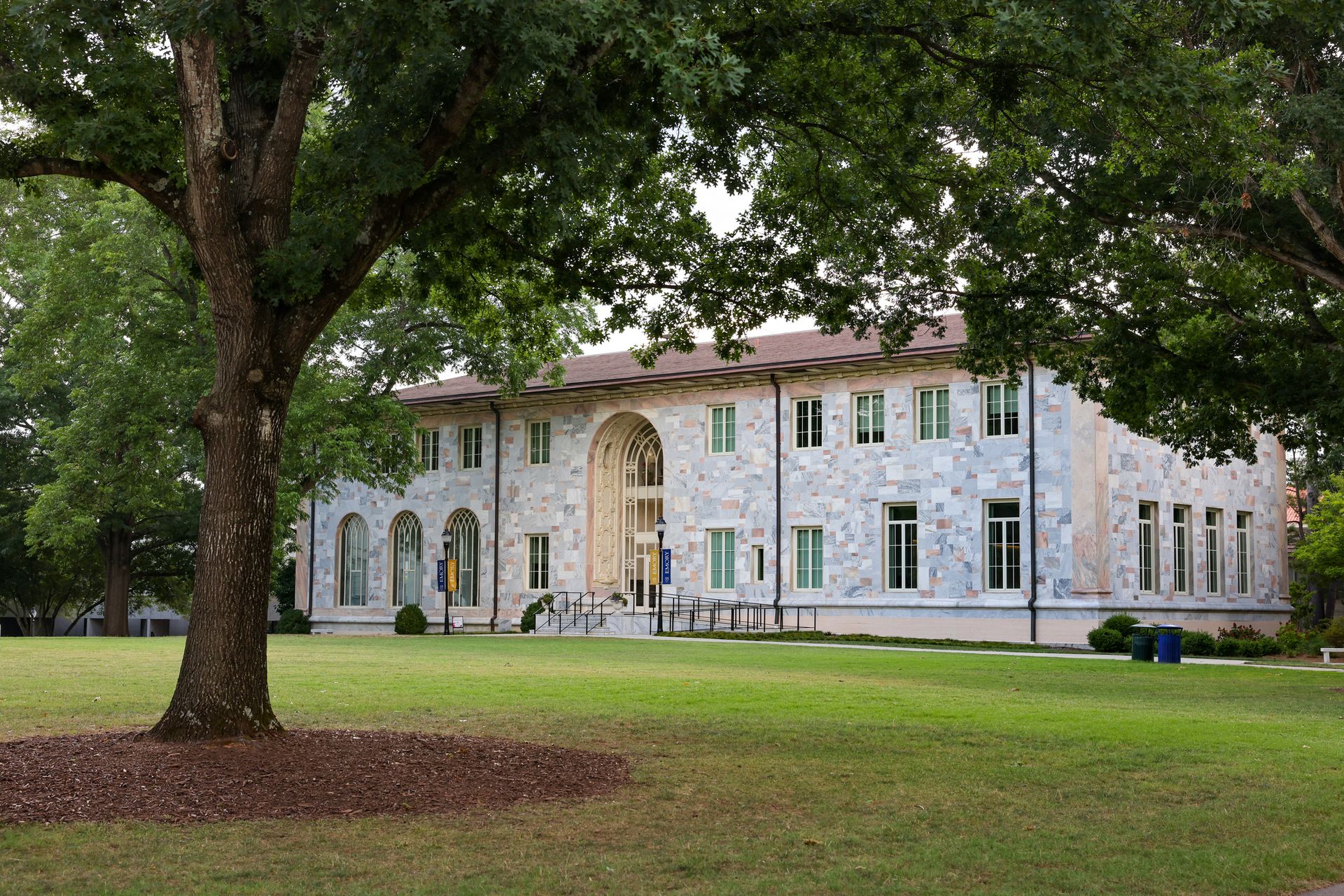
The average student loan debt in Georgia is $42,226 per borrower. Altogether, residents owe $71.7 billion, spread across about 1.7 million borrowers, with nearly half (47.4%) under the age of 35. Roughly 15.2% of Georgians carry student loan debt, and balances vary widely: 13.9% owe less than $5,000, while 21.2% owe between $20,000 and $40,000, averaging $28,718 in that range. At the top end, about 2.9% of borrowers owe more than $200,000.
benedek / Getty Images
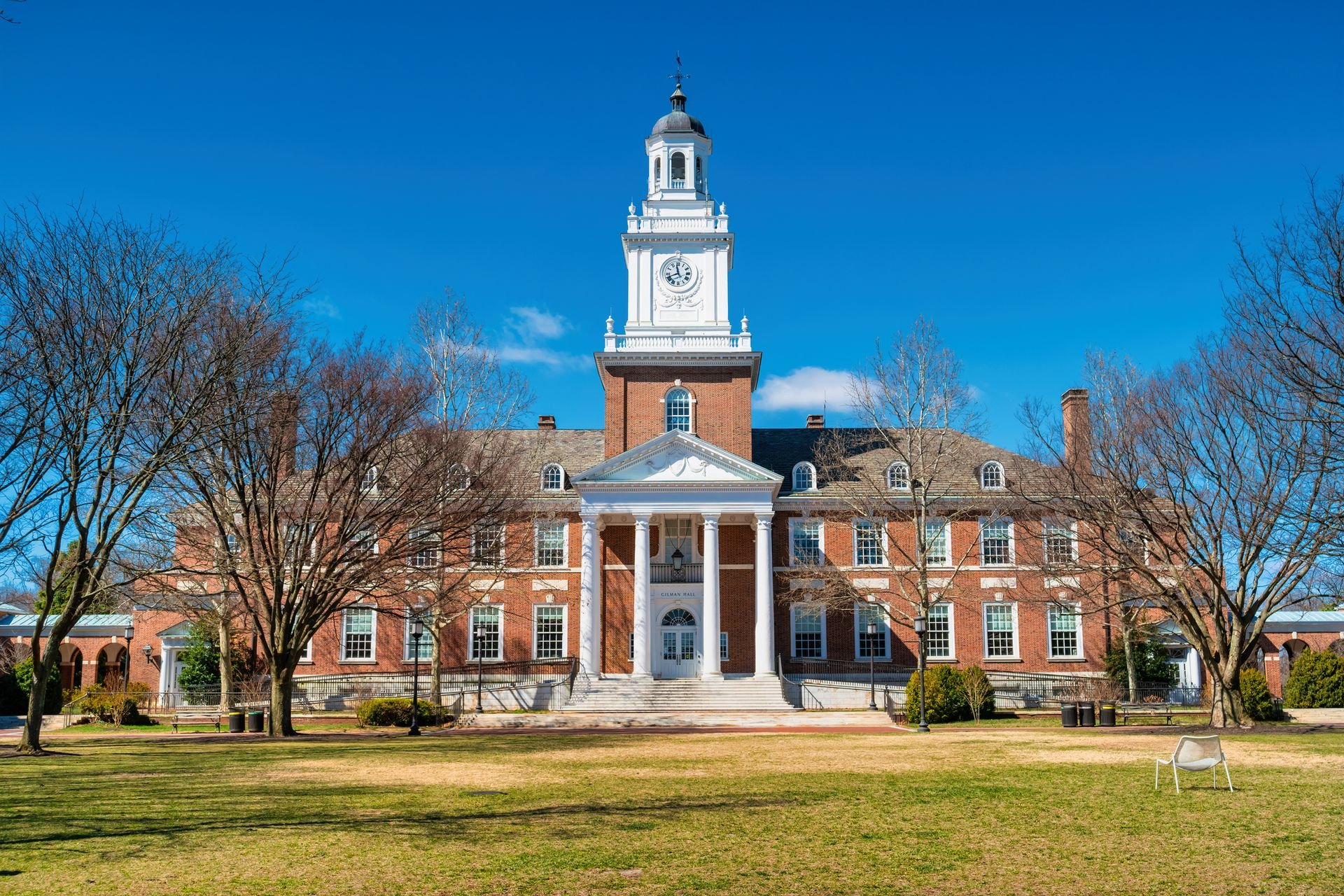
The average student loan debt in Maryland is $43,781 per borrower. In total, Marylanders owe $37.1 billion in student loans, with about 847,400 borrowers statewide. Nearly half (47.5%) are under the age of 35, and 13.5% of state residents have student loan debt. Among borrowers, 13.1% owe less than $5,000, while 21% owe between $20,000 and $40,000, averaging $28,475. At the extreme end, about 3.4% of borrowers carry more than $200,000 in student loans.
Westend61 / Getty Images
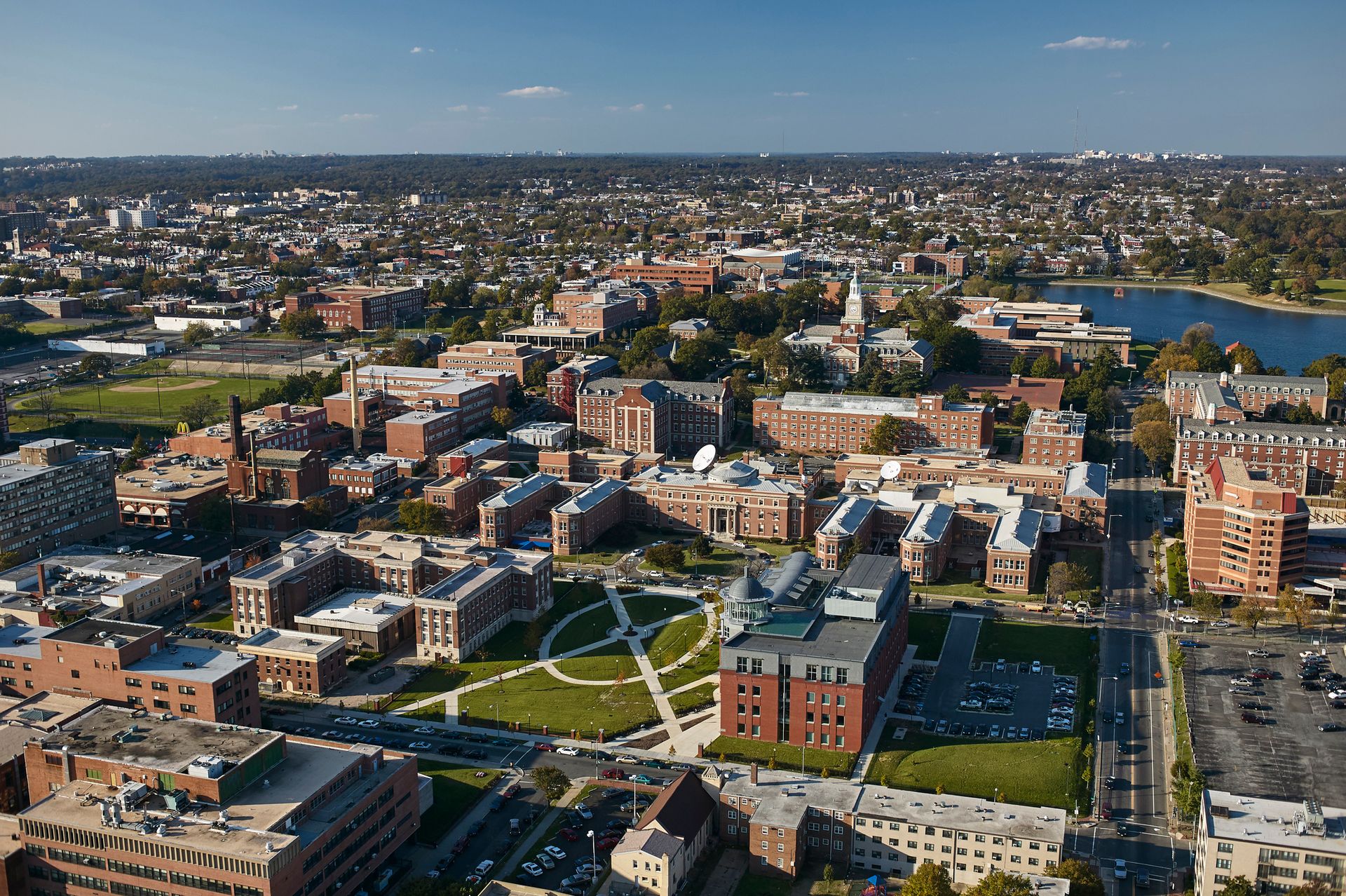
The average student loan debt in Washington, D.C. is an exceptionally high $54,561 per borrower, the highest in the nation. District residents collectively owe $6.4 billion, with about 117,300 borrowers, more than half of whom (52.1%) are under 35. Roughly 16.7% of residents carry student loan debt, the highest share of any U.S. jurisdiction. Among them, 11.7% owe less than $5,000, while 19.9% owe $20,000 to $40,000, averaging $28,632. Strikingly, 5.9% of borrowers owe more than $200,000.
Sean Pavone / Getty Images
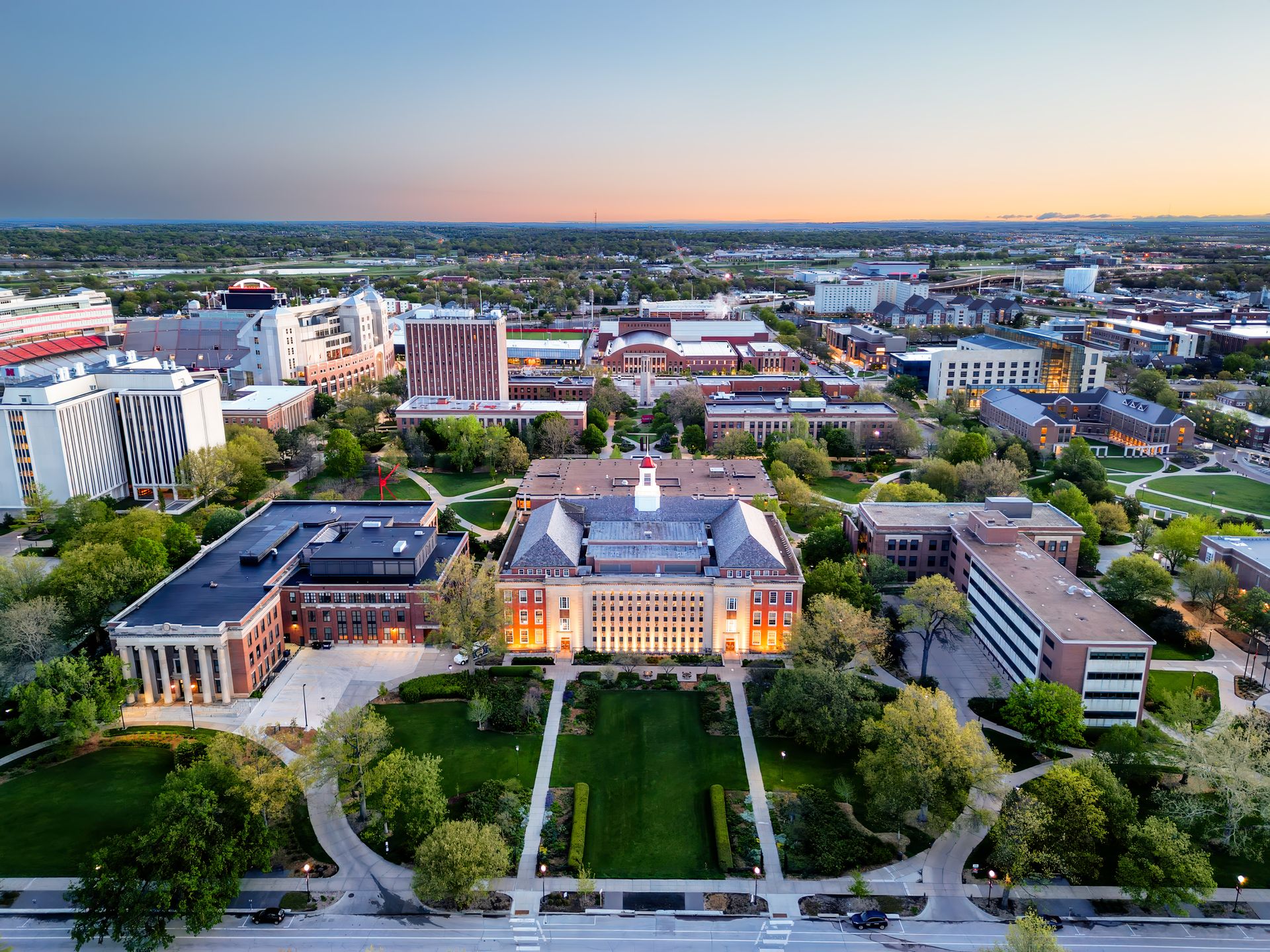
The average student loan debt in Nebraska is $32,206 per borrower. Altogether, residents owe $8 billion, across about 248,400 borrowers, with more than half (53.9%) under 35. Roughly 12.4% of Nebraskans carry student loan debt, with 18% owing less than $5,000 and 22.3% owing between $20,000 and $40,000, averaging $28,391. Only 1.8% of borrowers owe more than $200,000.
Wirestock / Getty Images
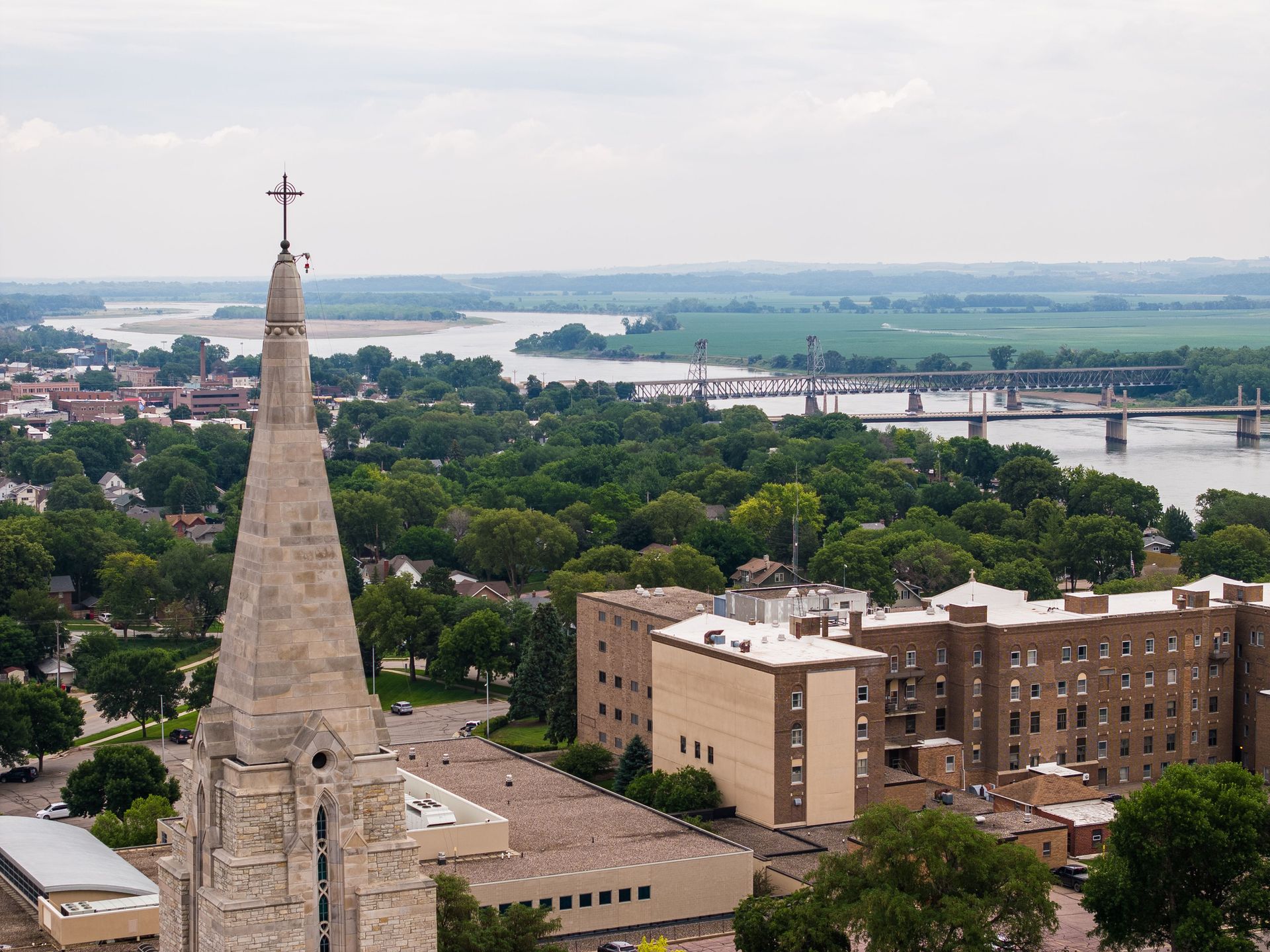
The average student loan debt in South Dakota is $31,171 per borrower. State residents collectively owe $3.7 billion, with about 118,700 borrowers, most of whom (57.4%) are under 35. Roughly 12.8% of residents have student loan debt, with 16.6% owing less than $5,000 and 23.2% owing between $20,000 and $40,000, averaging $28,364. At the high end, just 1.3% of borrowers owe more than $200,000.
UGC / Getty Images
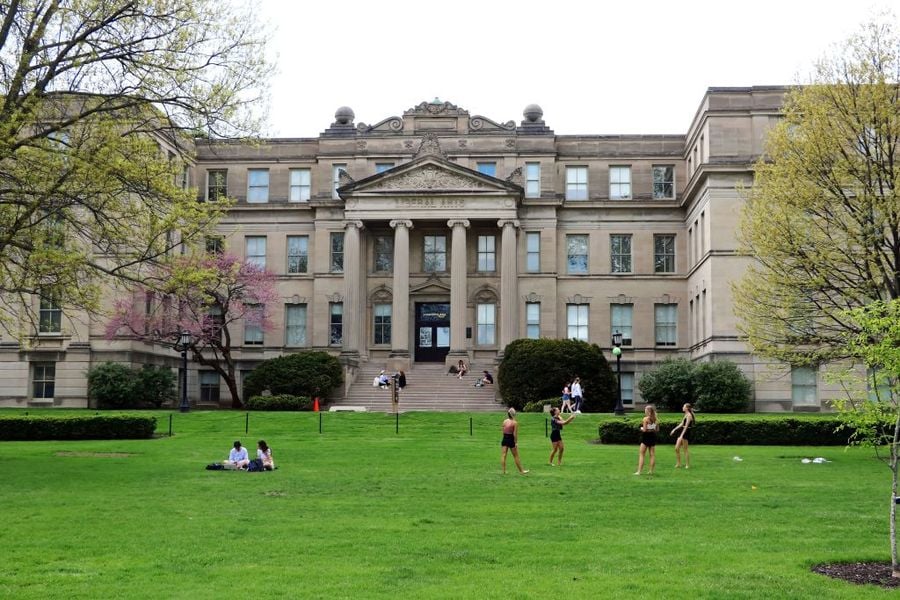
The average student loan debt in Iowa is $30,698 per borrower. Iowans owe a total of $13.2 billion, spread across about 430,000 borrowers, more than half of whom (52.9%) are under the age of 35. About 13.3% of state residents carry student loan debt. Of those, 17.4% owe less than $5,000, while 23.1% owe between $20,000 and $40,000, averaging $28,327. Just 1.4% have balances above $200,000.
PATRICK T. FALLON / Getty Images
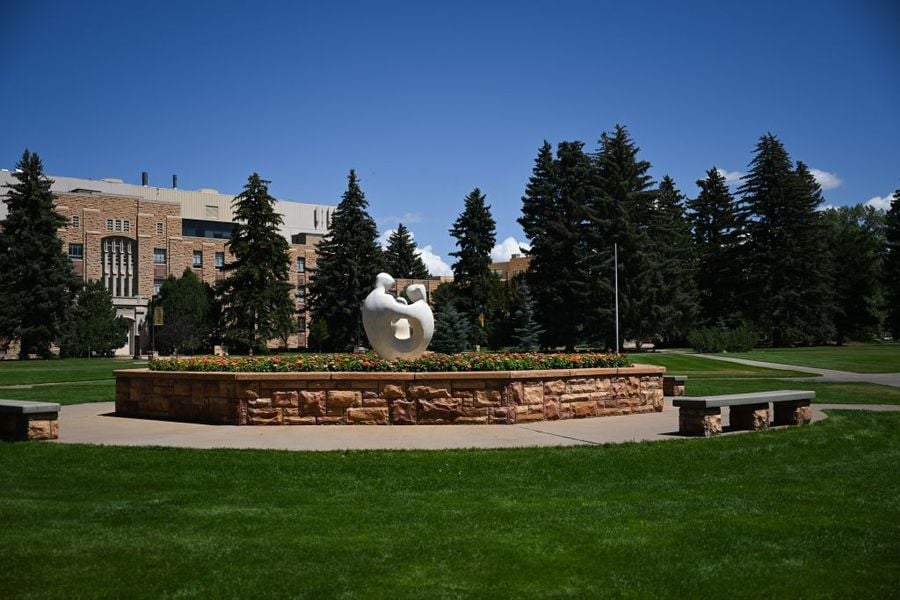
The average student loan debt in Wyoming is $30,631 per borrower. Altogether, residents owe $1.7 billion, with about 55,500 borrowers, nearly half (46.3%) under the age of 35. About 9.4% of Wyoming residents carry student loan debt, one of the lowest proportions nationwide. Among borrowers, 19.6% owe less than $5,000, while 20% owe between $20,000 and $40,000, averaging $27,928. Only 1.4% owe more than $200,000.
Jonathan W. Cohen / Getty Images
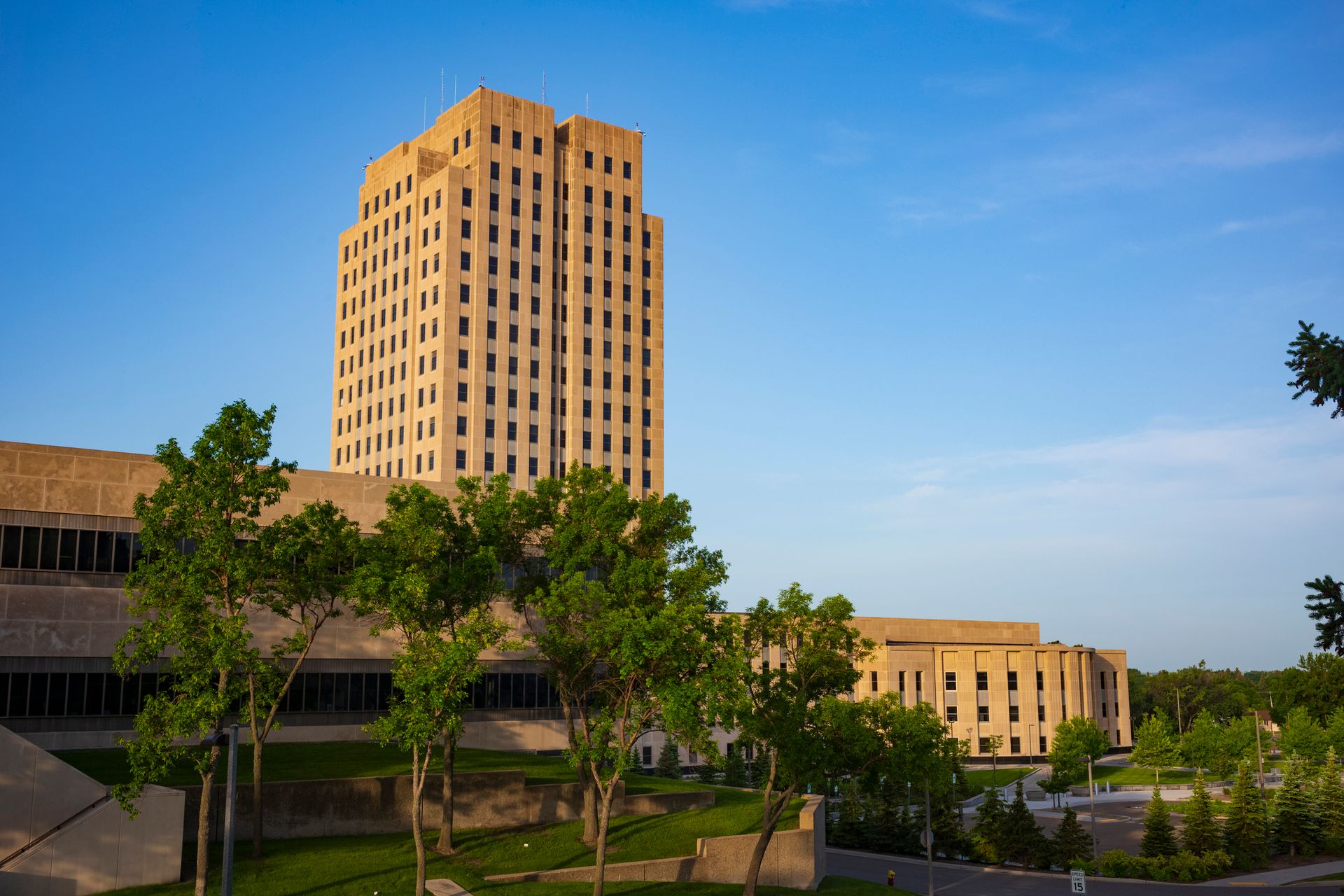
The average student loan debt in North Dakota is $29,115 per borrower, the lowest in the country. Collectively, residents owe $2.6 billion, across about 89,300 borrowers, nearly 59.5% of whom are under 35. About 11.2% of residents have student loan debt, with 17.6% owing less than $5,000 and 23.1% owing between $20,000 and $40,000, averaging $28,155. Just 1.1% of borrowers carry balances over $200,000.
