
President Donald Trump said Thursday that he shelved plans to send U.S. troops to San Francisco, after he heard out appeals from two prominent tech executives urging him against it.
The comments showcase the sizable influence that tech executives enjoy with Trump, particularly those who have aligned close to him
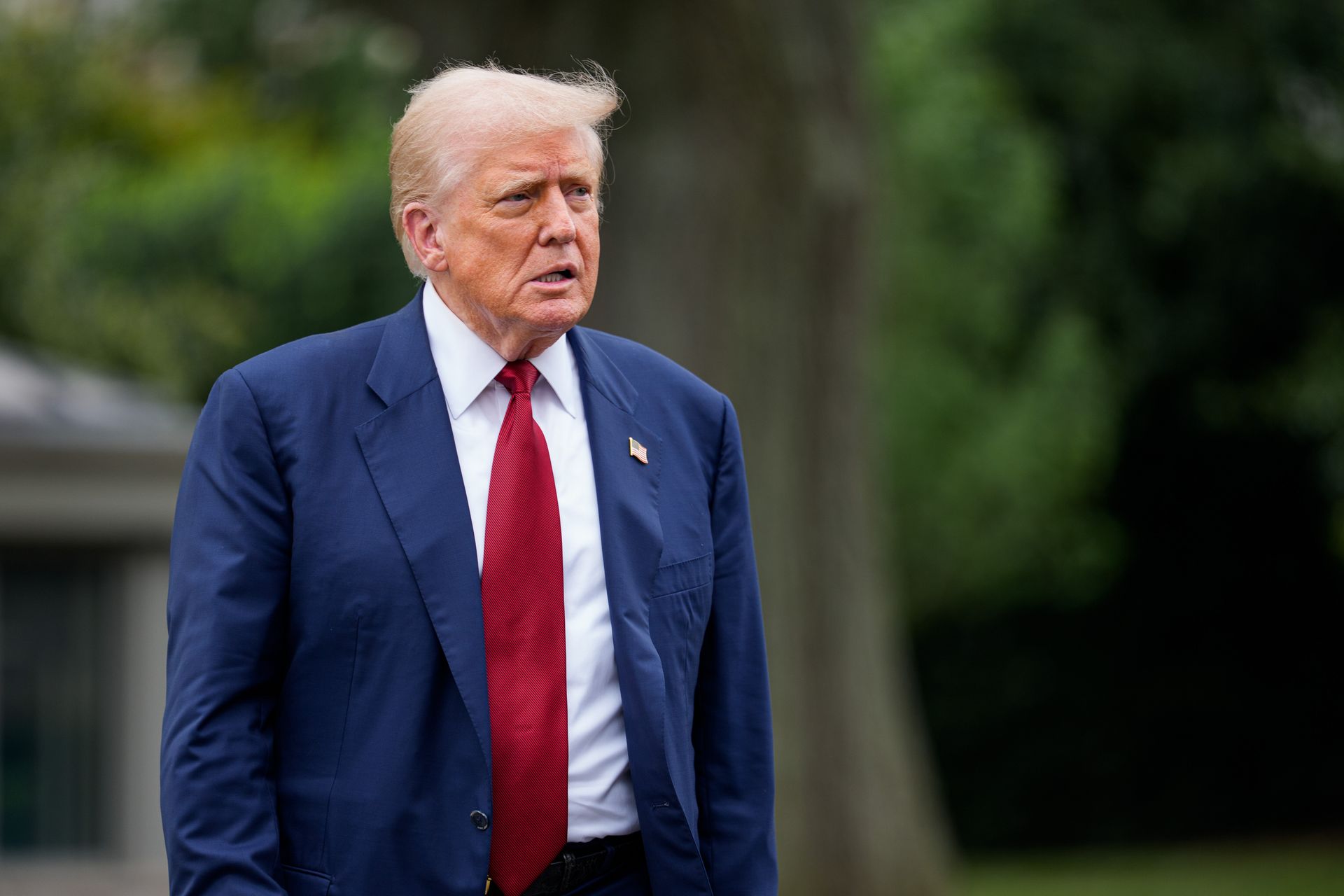
President Donald Trump walks on the South Lawn of the White House (Aaron Schwartz/CNP/Bloomberg via Getty Images).
President Donald Trump said Thursday that he shelved plans to send U.S. troops to San Francisco, after he heard out appeals from two prominent tech executives urging him against it.
Trump had telegraphed his intention to send American soldiers to San Francisco, part of his widening threats to deploy the U.S. military in large cities.
"The Federal Government was preparing to 'surge' San Francisco, California, on Saturday, but friends of mine who live in the area called last night to ask me not to go forward with the surge in that the Mayor, Daniel Lurie, was making substantial progress," he wrote in a Truth Social post.
"Great people like Jensen Huang, Marc Benioff, and others have called saying that the future of San Francisco is great," Trump said. "They want to give it a 'shot.'"
The comments showcase the sizable influence that tech executives enjoy with Trump, particularly those who have aligned close to him.
Benioff, a major past Democratic donor, had recently endorsed Trump sending National Guard troops to San Francisco to reduce the city's crime rate. “We don’t have enough cops, so if they can be cops, I’m all for it,” Benioff told The New York Times earlier this month.
The comments provoked a backlash that included criticism of Benioff from philanthropist Laurene Powell Jobs. Local officials in San Francisco also pushed back, pointing out the U.S. military is barred from being deployed in American cities to carry out law enforcement activities.
Meanwhile, Huang has aligned closely with Trump and praised the president for prioritizing the development of artificial intelligence. Earlier this year, Nvidia struck an extraordinary agreement with the Trump administration that would channel 15% of the revenue stemming from sales of the H20 microchip in China to the U.S. government.
Join 500,000+ readers who start their day with Quartz.
By subscribing, you agree to our Terms of Service and Privacy Policy.