
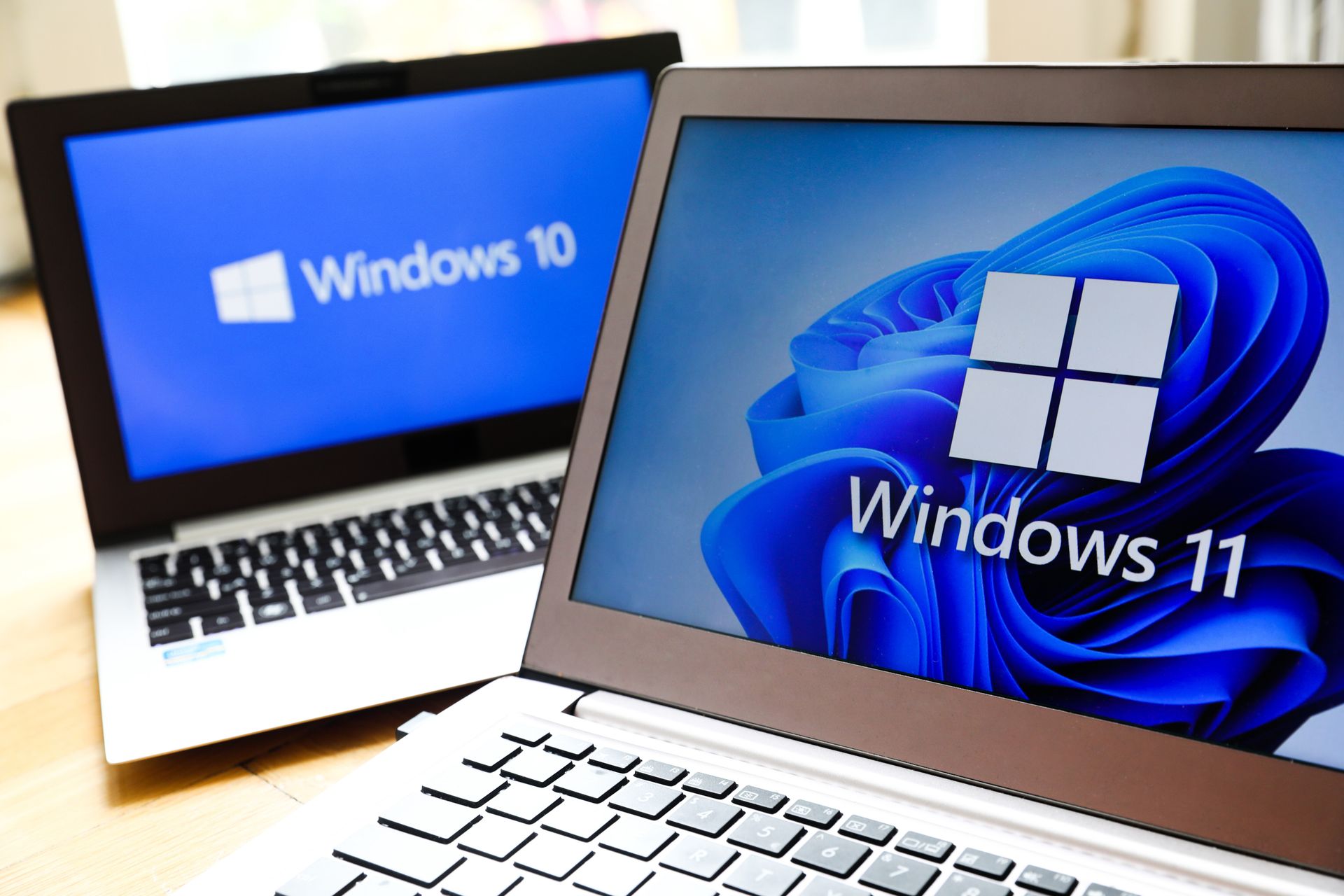
After nearly four years on the market, Windows 11 has finally pulled ahead of Windows 10 to become the most widely used desktop operating system, according to new data from Stat Counter.
Stat Counter data shows Windows 11 finally surpassing Windows 10, driven by upgrade prompts and gamer adoption
Beata Zawrzel/NurPhoto via Getty Images
After nearly four years on the market, Windows 11 has finally pulled ahead of Windows 10 to become the most widely used desktop operating system, according to new data from Stat Counter.
Windows 11 now holds about 52% of the Windows market, cruising past Windows 10’s 44.6%. It’s a big milestone for Microsoft $MSFT, especially with support for Windows 10 ending later this year.
The shift comes after a slow but steady climb for Windows 11, which lagged behind for years thanks to stricter hardware requirements and users’ general reluctance to upgrade. Although the Windows 11 upgrade was free for Windows 10 users, many older PCs weren’t eligible, leaving people to stick with Windows 10 or shell out for a new machine. Plenty of those older Windows 10 computers are still out there, even though they’re nearing a decade old.
Windows 11’s growth has been driven in part by gamers. It became the most popular OS among PC gamers back in September, and its share has been climbing since then. Back in 2023, leaked data showed Windows 11 had hit over 400 million devices, it took twice as long as Windows 10 to reach that milestone.
Going forward, Microsoft is betting big on AI to drive new PC sales. Its upcoming Copilot+ PCs require neural processing units (NPUs) to access new AI features. For people already on Windows 10 with compatible hardware, Windows 11 is still a free upgrade, although there are ongoing complaints about ads, bloatware, and the need for an internet connection and Microsoft account during setup.
In June, Microsoft started offering Windows 10 users a free year of security updates — if they turned on Windows Backup and synced their documents to OneDrive. Otherwise, they’ll have to pay $30 a year for updates starting October 14, when Windows 10 officially reaches end of support.
Join 500,000+ readers who start their day with Quartz.
By subscribing, you agree to our Terms of Service and Privacy Policy.