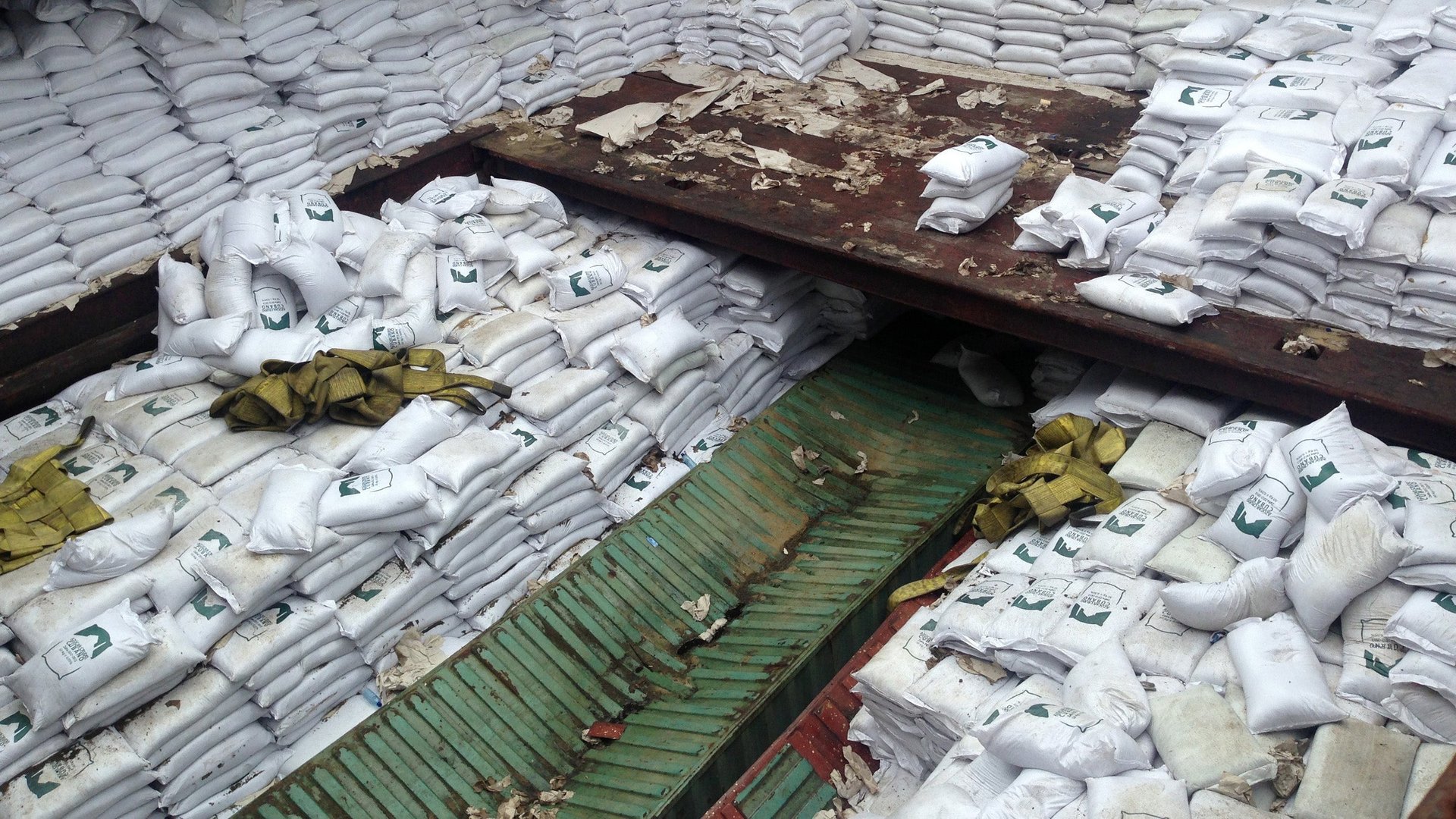
This may be the most important tweet in the history of arms control:
That’s Panama’s President Ricardo Martinelli revealing missile parts concealed beneath a cargo of Cuban sugar. The compartment was discovered in the North Korean freighter Chong Chon Gang, homeward bound from Cuba. Law enforcement seized the vessel as it traversed the Panama Canal, subdued a rambunctious crew and a captain who reportedly preferred suicide to capture, and discovered a load of what Cuba calls “obsolete weapons“—two anti-aircraft batteries, nine disassembled rockets, and two MiG-21 aircraft,” apparently heading to North Korea for repair. The sugar, some theorized, was a payment for the work.
How did Panamanian authorities catch this big fish? Well, it wasn’t as hard as you might think.
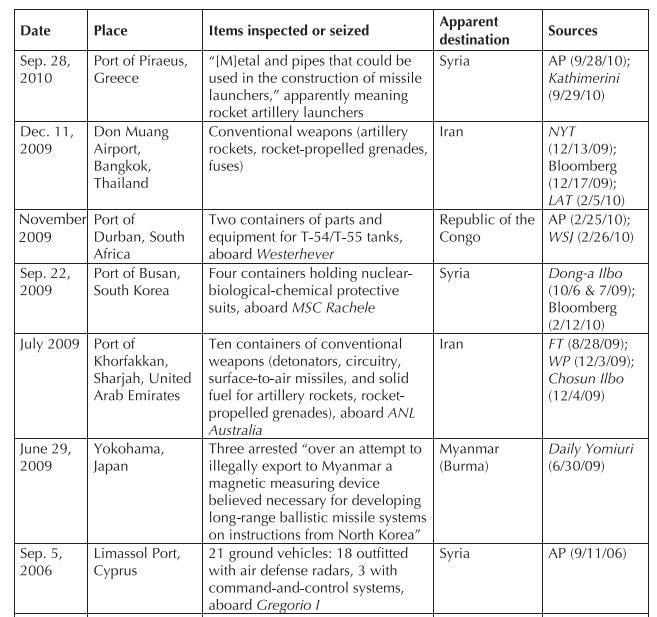
While the fate of the 35 crew members and their captain remain unclear, Martinelli’s government has said that it will relay the matter to the United Nations. Inspectors will determine whether Cuba and North Korea violated security council sanctions on weapons trade. Whether that conclusion will matter to the governments in frequently intransigent North Korea is an entirely separate question. But it’s a setback for Cuba’s government, which has hoped to cultivate better relations with the United States.
