The design for the UK’s new one-pound coin was unveiled today, and it brings a new meaning to the concept of inflation. When Britain introduced the 50-pence coin, it was the world’s first seven-sided coin—an equilateral curve heptagon, to be precise.
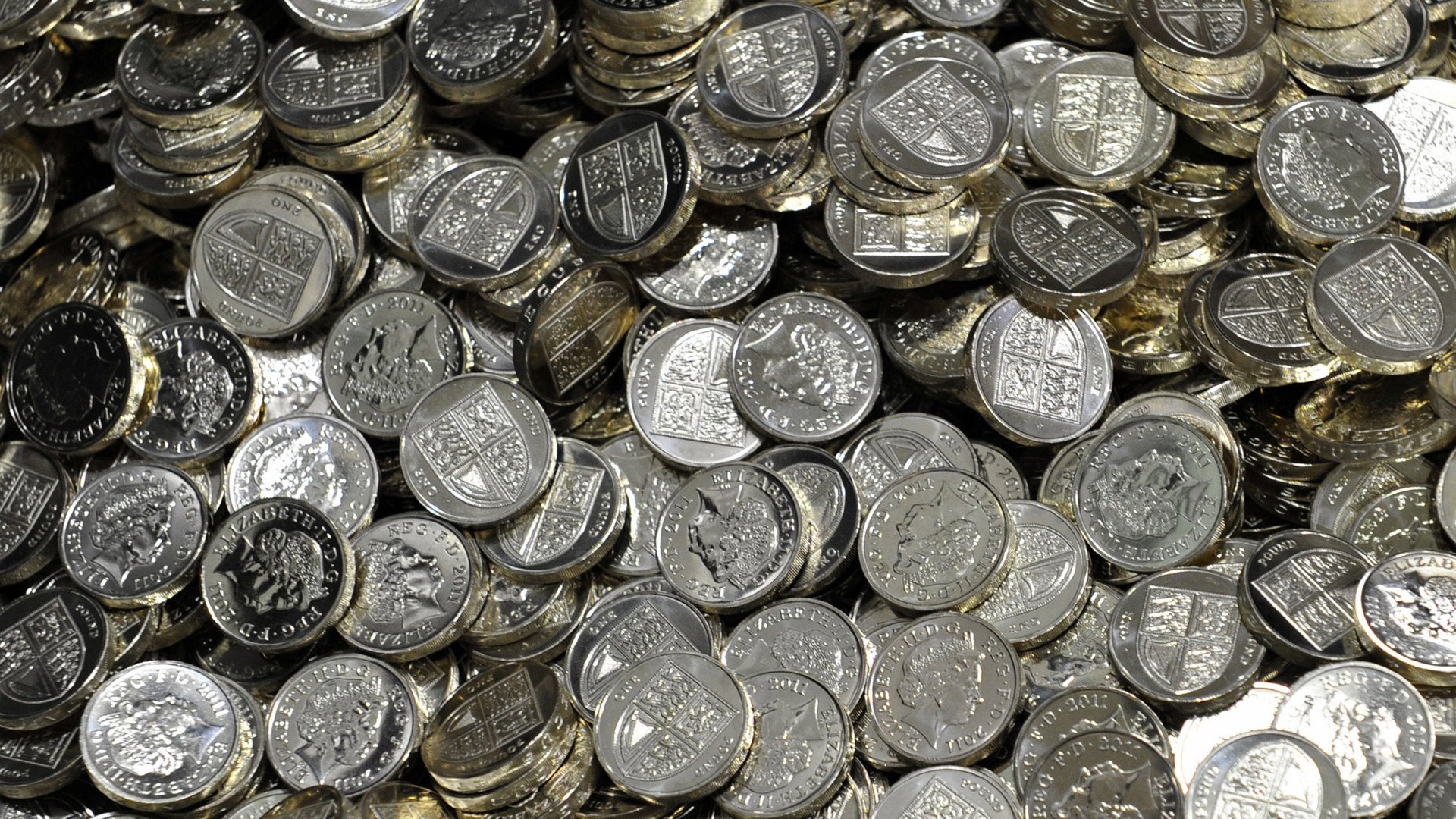
The design for the UK’s new one-pound coin was unveiled today, and it brings a new meaning to the concept of inflation. When Britain introduced the 50-pence coin, it was the world’s first seven-sided coin—an equilateral curve heptagon, to be precise.
The new pound coin, to be introduced in 2017, has roughly 70% more sides than the mint’s edgiest offering. It will have 12 sides.
Join 500,000+ readers who start their day with Quartz.
By subscribing, you agree to our Terms of Service and Privacy Policy.
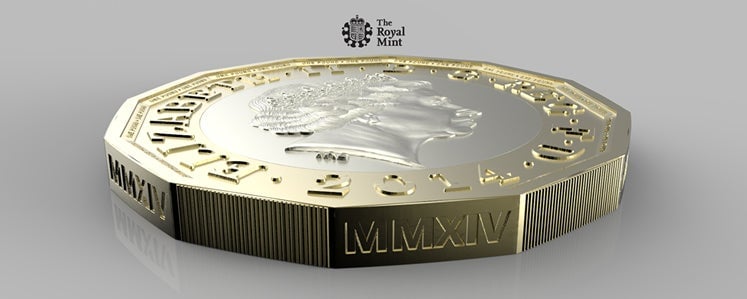
The treasury says that the run-of-the-mill round version of the one-pound coin was long overdue a refresh. Around 3% of the 1.5 billion one-pound coins are thought to be forgeries, it says, with some two million fakes removed from circulation every year.
In 2007 an industrial coin-forging operation which police said cranked out two million fake one-pound coins per year was shut down. The owner, who served a five-year jail sentence, received around £2,000 ($3,330) a week for his services, a comfortable but hardly spectacular income for a high-tech criminal organization (especially when adjusted for risk).
Given the relatively modest returns on offer for coin fraudsters, there are grumbles about the cost of retrofitting vending machines to accept the new coins, which could run to £20 million over the next three years. Warning of “disaster” and “chaos,” the vending-machine lobby delayed the introduction of new 5p and 10p coins by a year in 2010.
But the new one-pound coin is a pet project of chancellor George Osborne—it is apparently dubbed the “Gideon” in government circles, after Osborne’s real first name—so its issuance is probably a foregone conclusion. The announcement also gave the chancellor something else to talk about today, as he unveiled another austerity-heavy budget.
For the numismatists, the new coin will mark Britain’s return to the dodecagonal fold. The design was inspired by the threepenny bit, which was used from 1937 to 1971. Polygonal coins in active circulation are relatively rare, phased out in the name of circular uniformity and found mostly as small-batch commemorative coins.
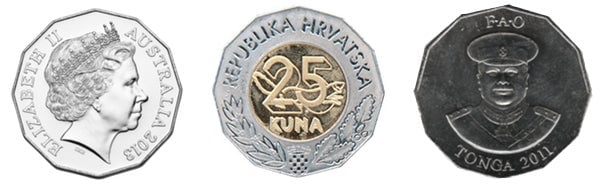
Active users of 12-sided coins can be found in Australia, Croatia, and some Pacific islands, among other countries.
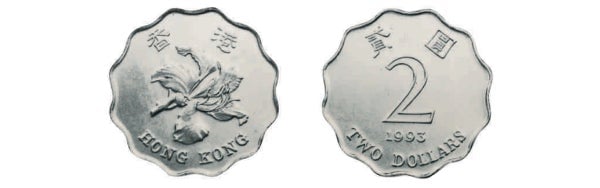
And although it might upset the purists, we would also include Hong Kong’s “scalloped” two-dollar coin among the dodecagons:
Britain’s return to the 12-sided coin club is a cause for celebration among fans of polygonal coinage everywhere.
In the late 1990s, when European officials were considering designs for the first batch of euro coins, the debate got heated between the faction in favor of polygons and the one, led by the Germans, against “these unattractive unsymmetrical things,” as reported by European Voice. The round lobby won the day, but not without some angst.
“Very emotional things, coins,” an official told the newspaper at the time.
