We’d like progress to be a smooth, upward trajectory, where every year things are better than the year before.
We’d like progress to be a smooth, upward trajectory, where every year things are better than the year before.
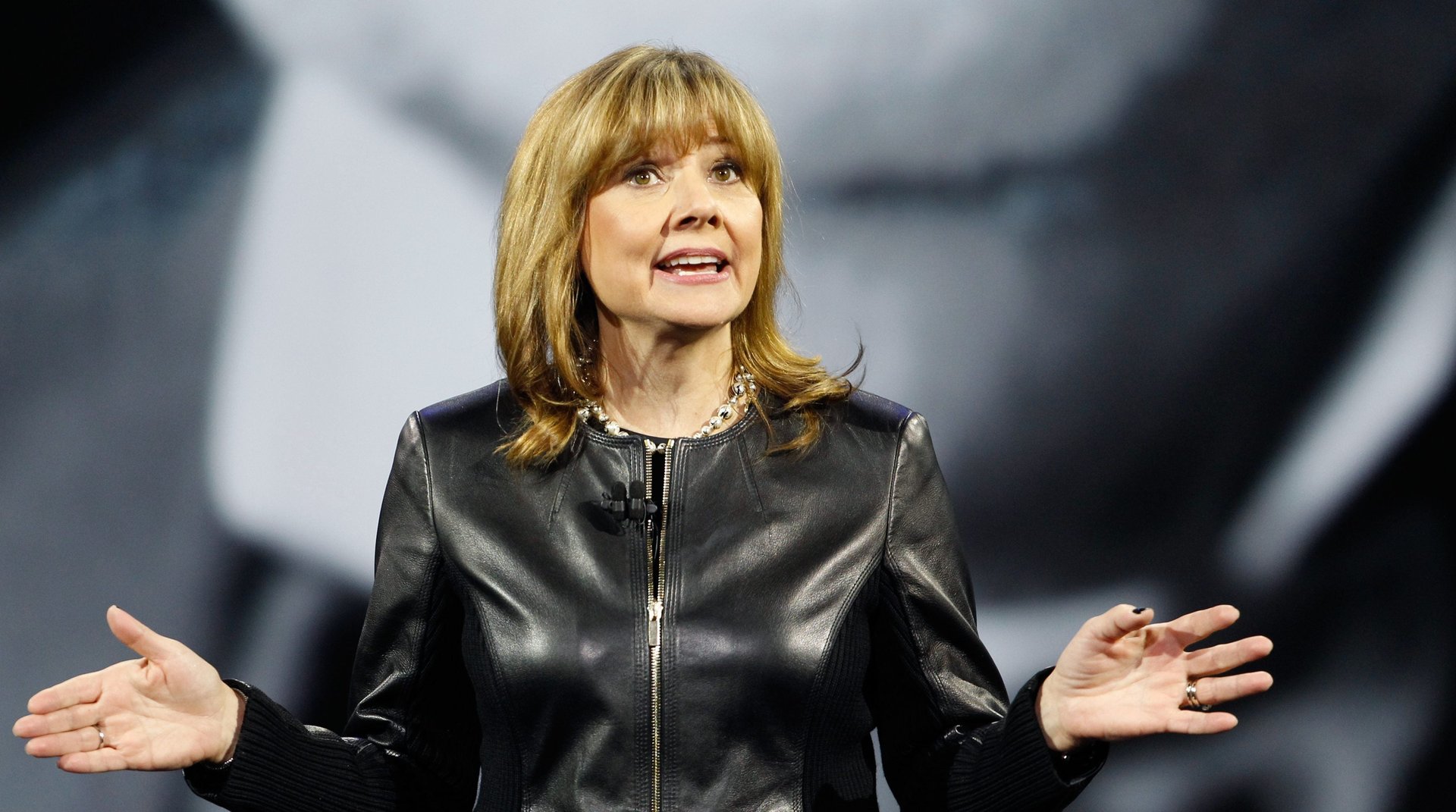
But sometimes there’s a reversal. Such is the case with the number of women running America’s largest companies. After years of increasing, that number fell to 21 from 24 last year, according to Fortune, which today (June 6) released its list of the 500 biggest companies by revenue for the 2015 fiscal year. At the very top, there are also very few women: Only GM’s Mary Barra is running one of the country’s 10 biggest companies.
Among the casualties: Carol Meyrowitz, who retired as CEO of TJX Companies $TJX; Ellen Kullman, who retired from DuPont after a bruising battle with shareholder activists; and Gracia Matore, who was CEO of Gannett before it spun off its print publishing business. Matore is head of the remaining media company, called Tegna, but it’s now too small to make the Fortune 500.
And unless a new female CEO joins the ranks, the number will fall by one more when Ursula Burns steps down as CEO of Xerox later this year.
Despite this year’s blip, the number of women CEOs has climbed rapidly since 1996, when the US had no female CEOs. By 2010, the number reached 15. The numbers are still paltry, though. Last year’s record of 24 still represents just 5.2 percent of the companies in the Fortune 500.
Join 500,000+ readers who start their day with Quartz.
By subscribing, you agree to our Terms of Service and Privacy Policy.
