
Tech & Innovation
How Xiaomi’s Hugo Barra plans to conquer IndiaThis post has been corrected.
Updated July 21, 202212 min read
This post has been corrected.
20 WTF Signboards You Will Only See In India
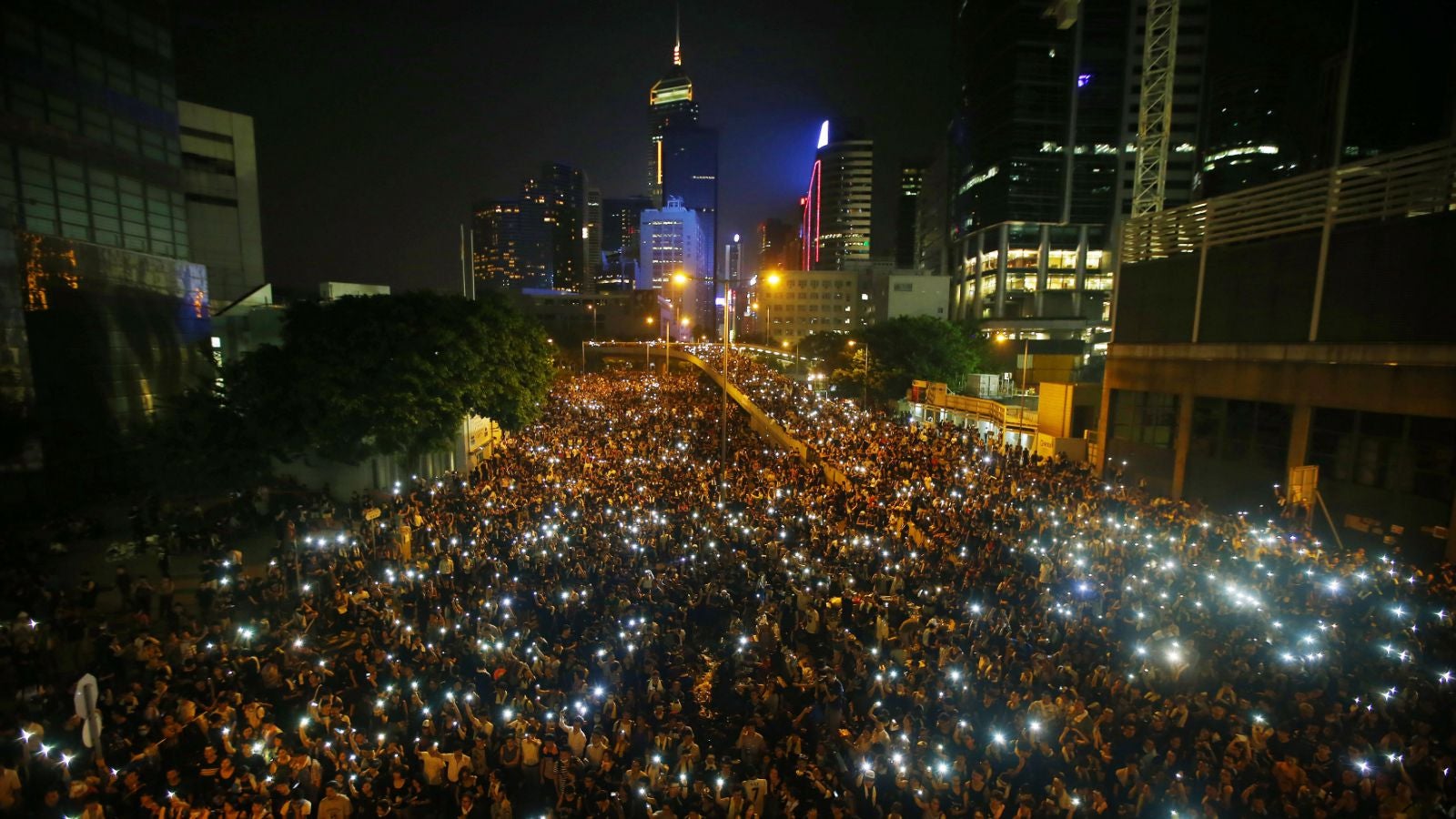
Firechat, an app that allows people to communicate without an internet connection, is firing up the pro-democracy street protests in Hong Kong. The app has been downloaded by more than 100,000 users in Hong Kong in the last 24 hours, according to Open Garden, the company that created it.
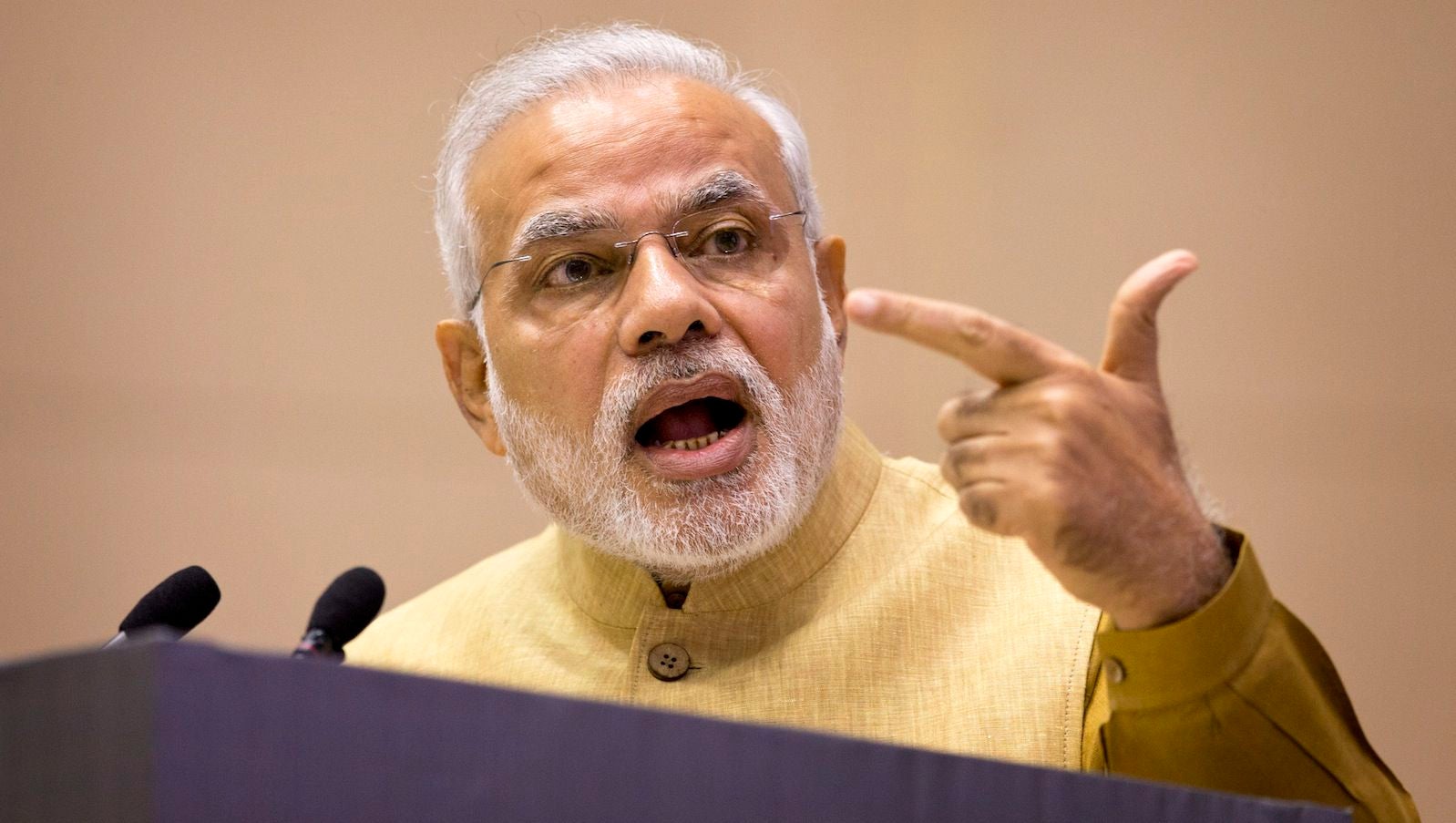
We don’t know it yet, but before Narendra Modi sets foot on US soil, he will have finalised in his mind a mantra. A slogan that to his mind captures ties between India and the United States. He will introduce this slogan during his speech at Madison Square Gardens before 20,000 adoring admirers. He will repeat it in subsequent meetings. Some will cringe, others might be amused, and a lot of people will see in it the touch of Modi’s genius.
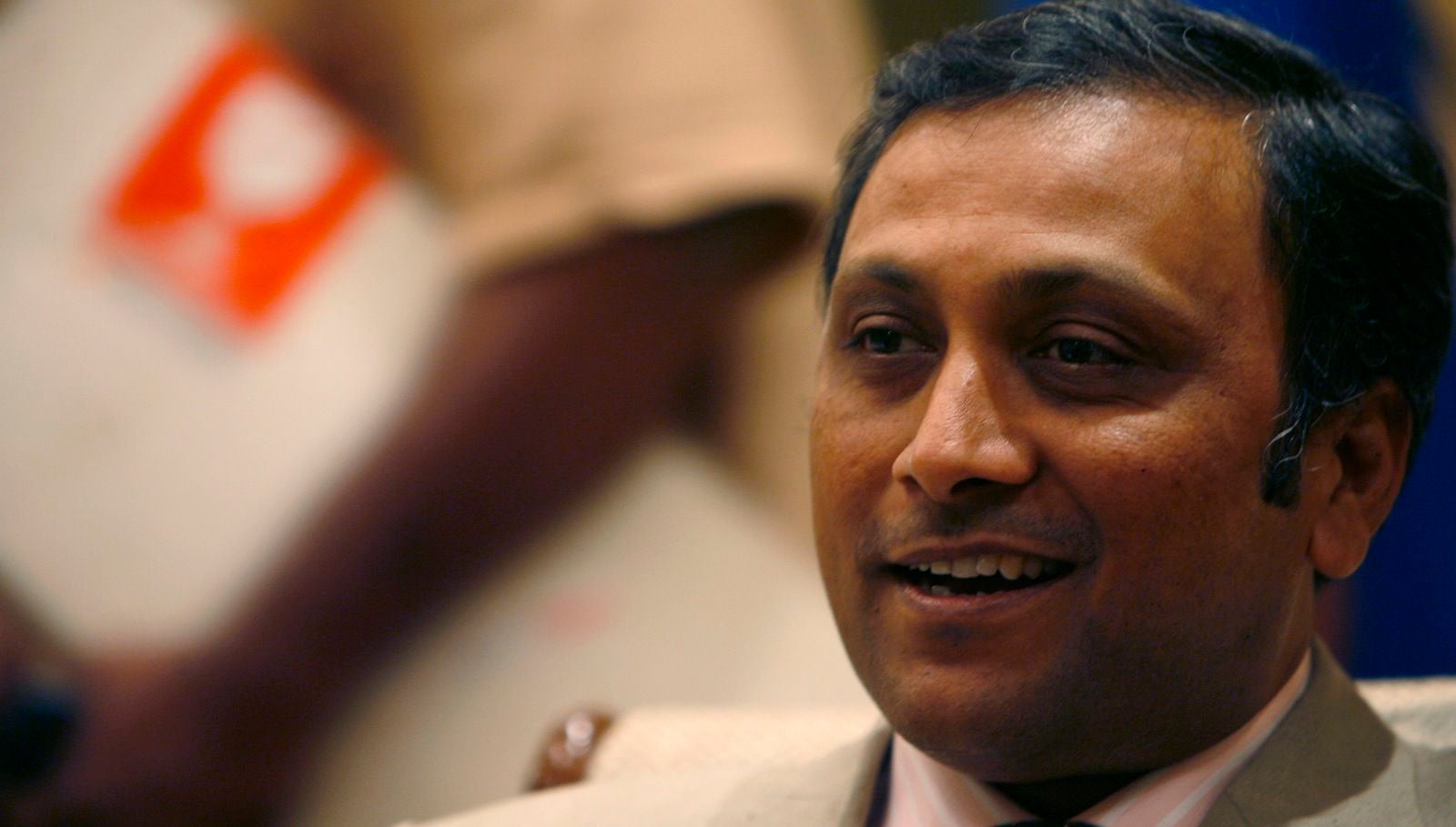
Former Walmart executive Raj Jain has been picked to lead Bennett, Coleman & Co. Ltd (BCCL), the powerful media company that publishes the Times of India and the Economic Times, among others.
In his previous job as editor-in-chief of the Indian Express, Shekhar Gupta clocked 19 years. In his new job as editor-in-chief at all India Today properties, he won’t complete three months.
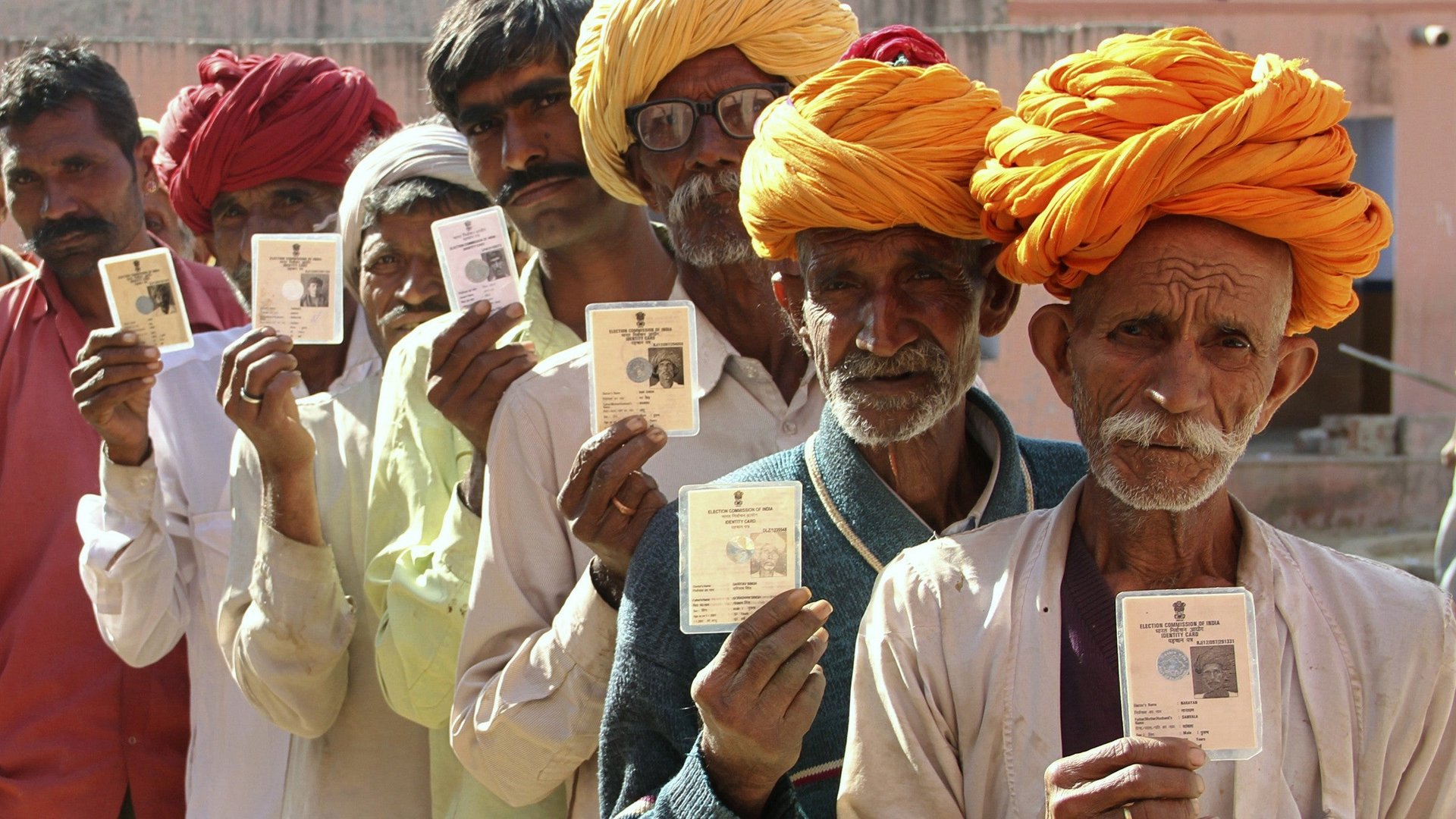
Fifteen million Indians who have never known the benefits of a bank account queued up at 77,000 account-opening camps across the country yesterday as the Narendra Modi government’s first major flagship scheme—the Jan Dhan Yojna, or people’s wealth scheme—got a dream start.
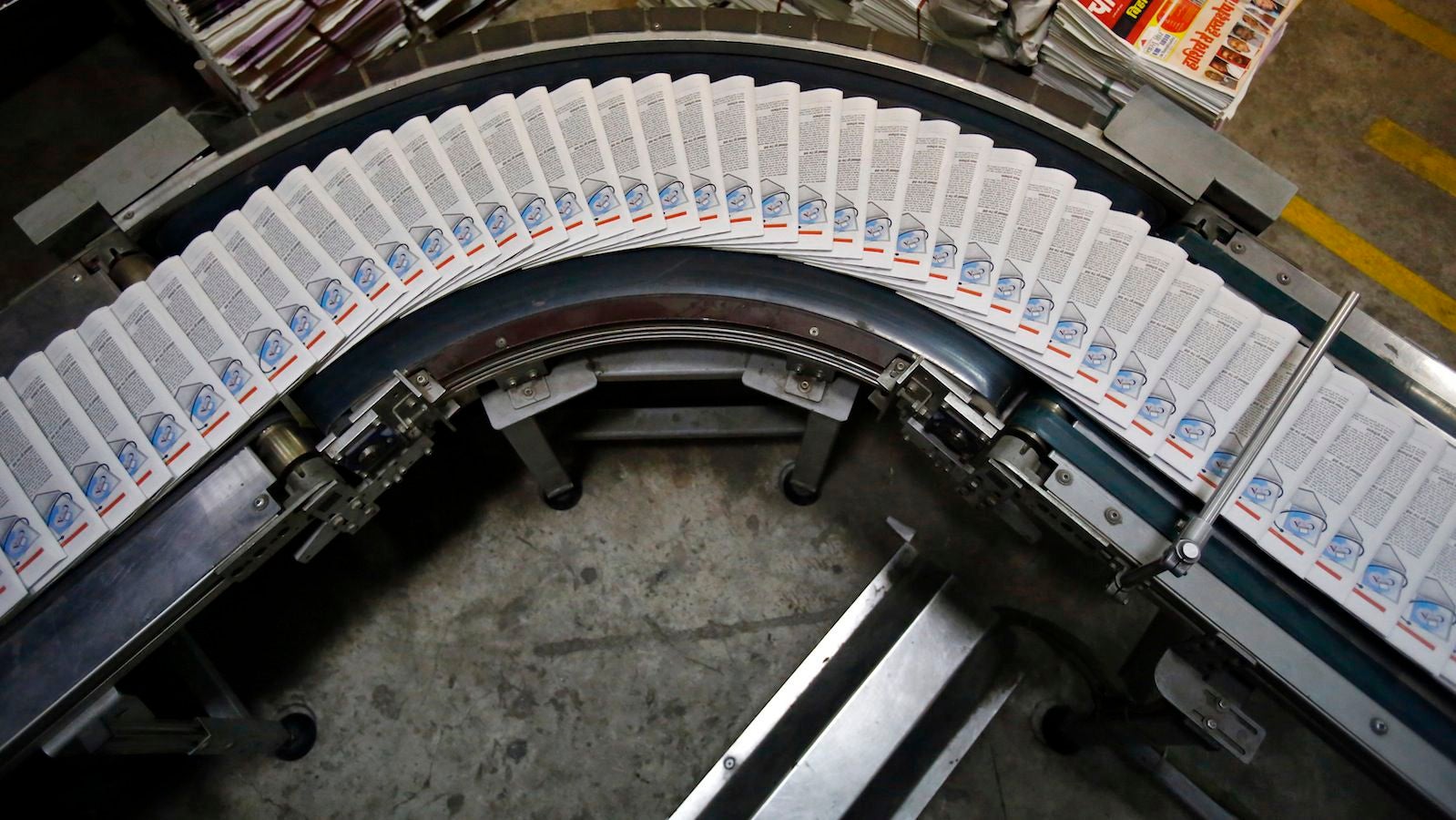
The Times of India issued a new social media policy on Wednesday, a day after Quartz reported on a bizarre new contract that would have forced journalists to establish official accounts, hand over passwords, and allow the employer to post on their behalf.
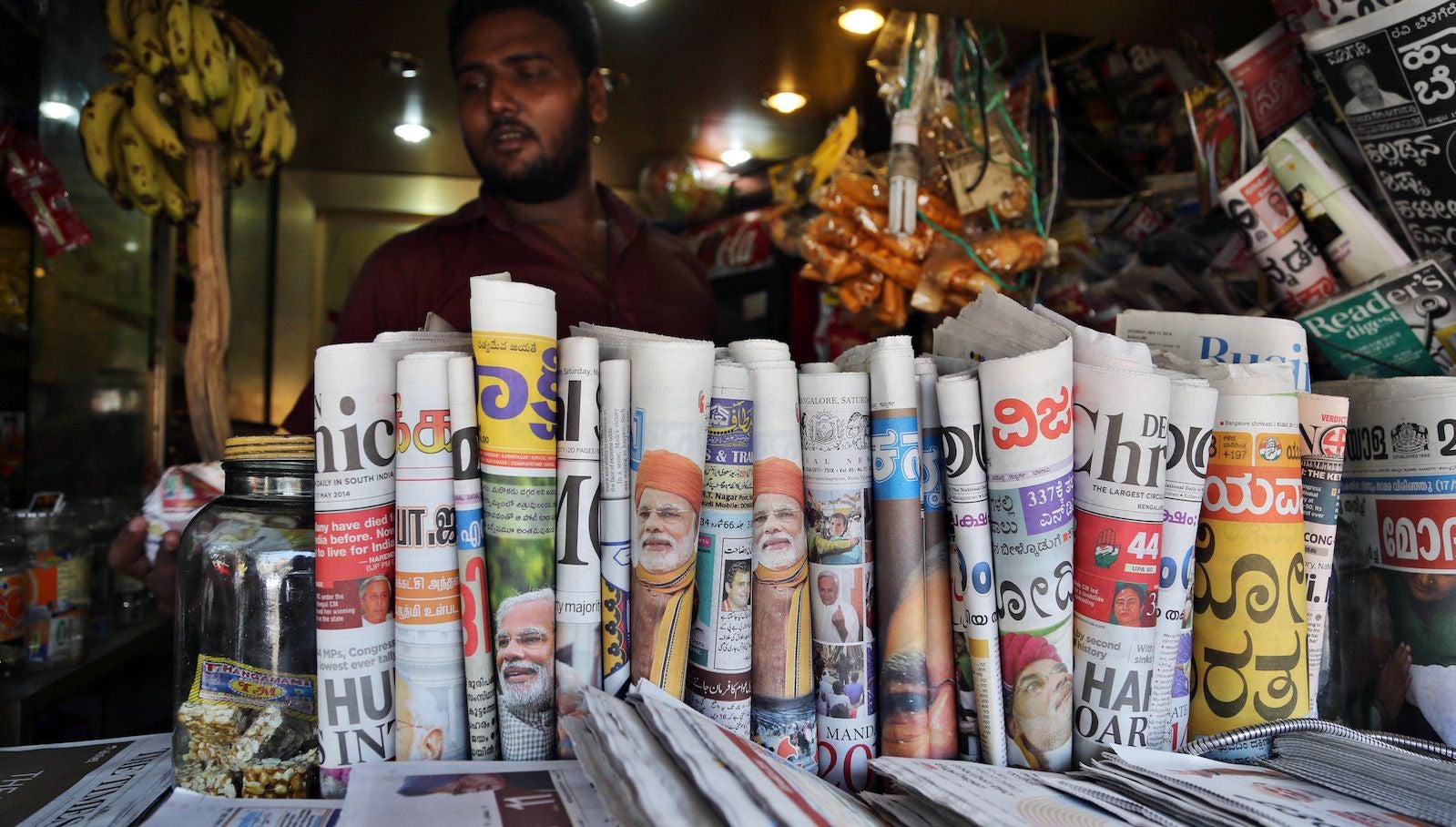
Hundreds of journalists working at the Times of India and its sister publications have received a peculiar request from their employer: hand over your Twitter and Facebook passwords and let us post for you.
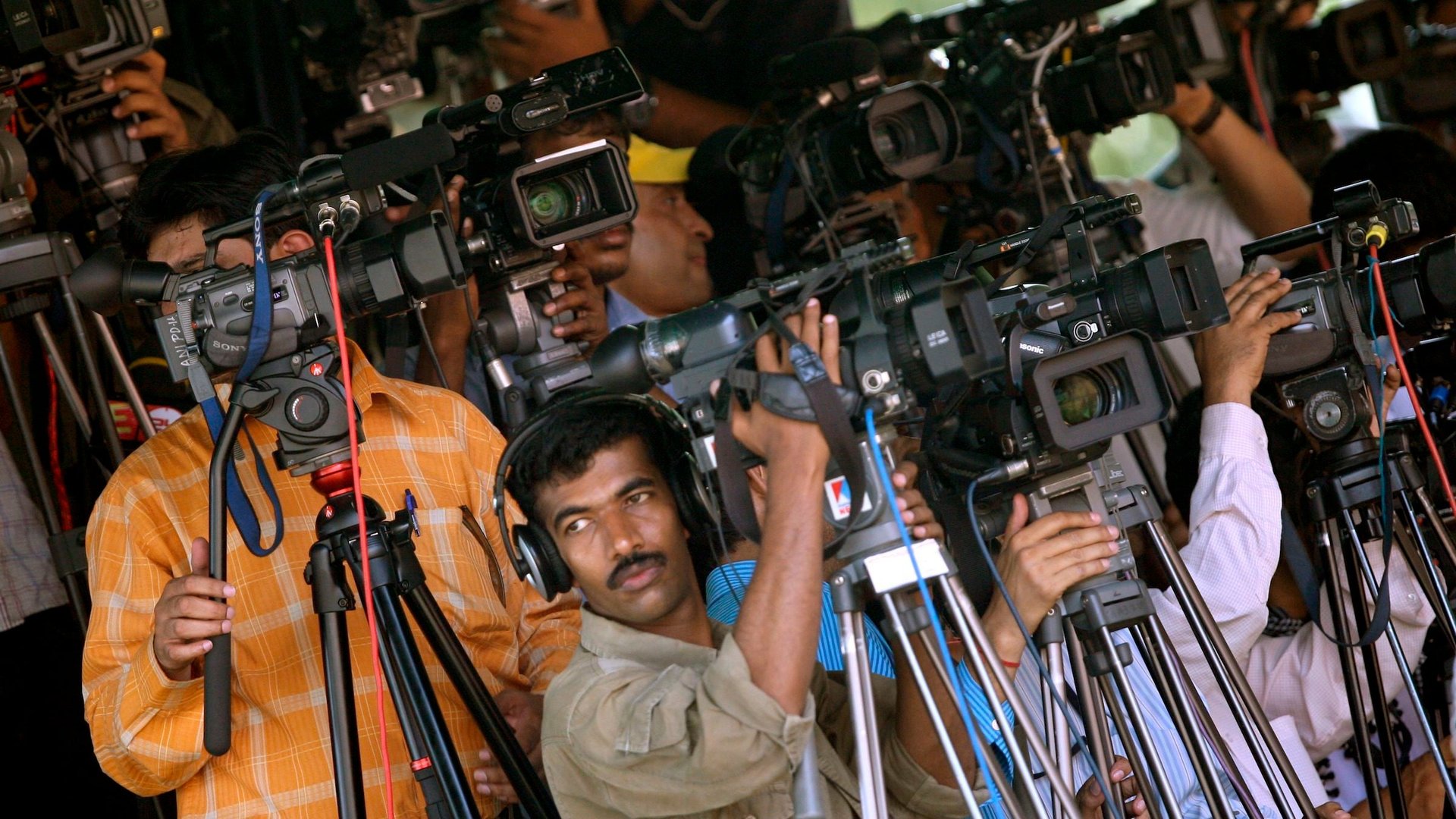
It’s been more than a month since industrial giant Reliance Industries took over Network18 Group, which runs a suite of television channels including the CNN and CNBC affiliates in India. Everyone has wondered if the company owned by billionaire Mukesh Ambani would interfere in the news-gathering operations of its new properties.
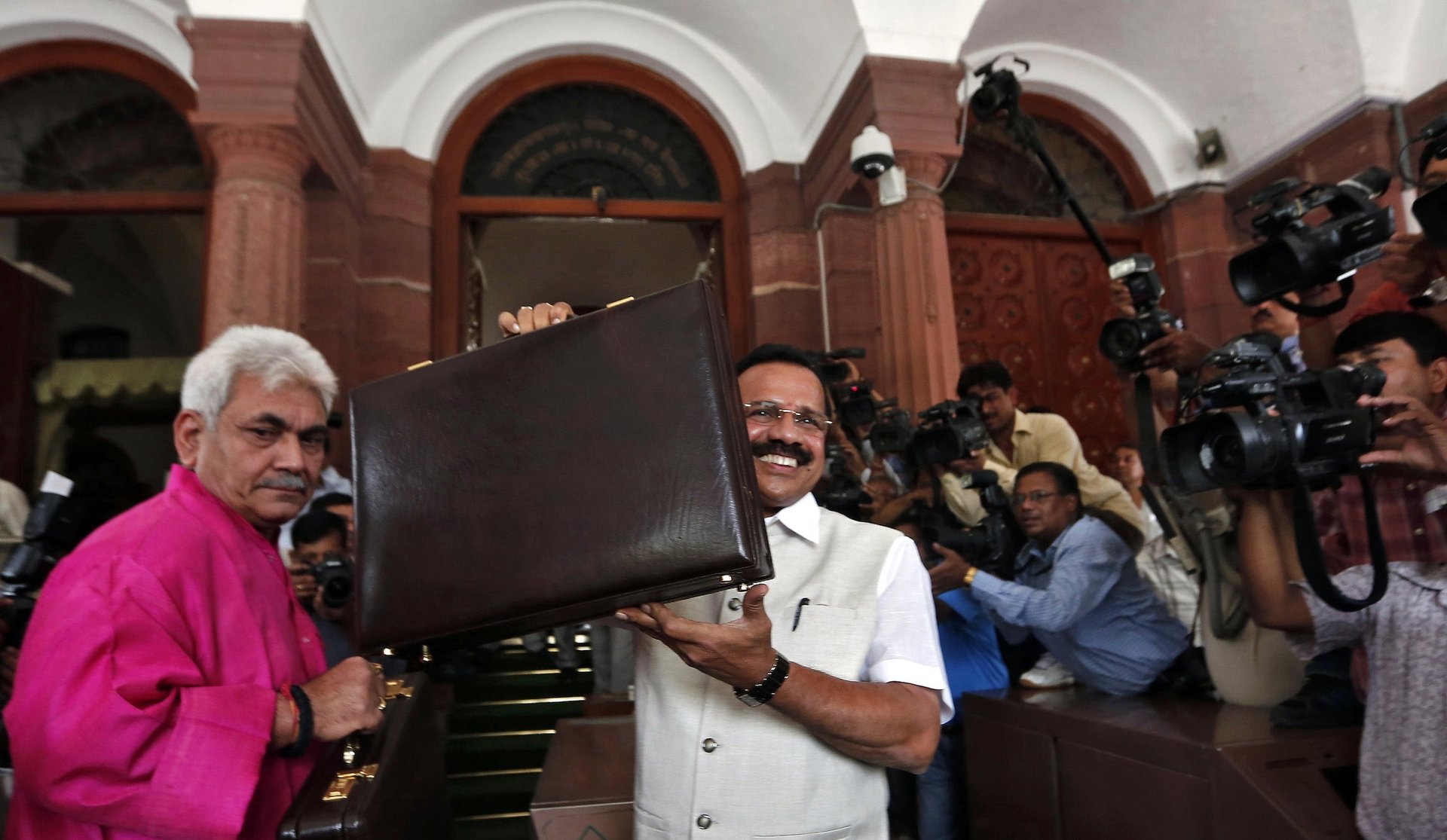
India’s rail minister Sadananda Gowda just presented his first rail budget, promising a number of reforms, foreign direct investment, greater investments through public-private partnership and great emphasis on better passenger convenience. He was clear about the bad shape the railways is in, blaming his predecessors for sacrificing good management at the altar of populism. Railways spends 94% of its earnings in operations, investing just 6% in improving infrastructure.

It’s a landmark property at one of India’s priciest spots of land. It was built by a spunky newspaper baron who set out to built South Asia’s tallest tower in 1972, and succeeded. It is now home to marquee companies such as McKinsey, Blackstone, Warburg Pincus, Temasek and General Atlantic Partners, offering executives in corner offices an enviable view of the Arabian Sea and the Queen’s Necklace. It has now changed hands.
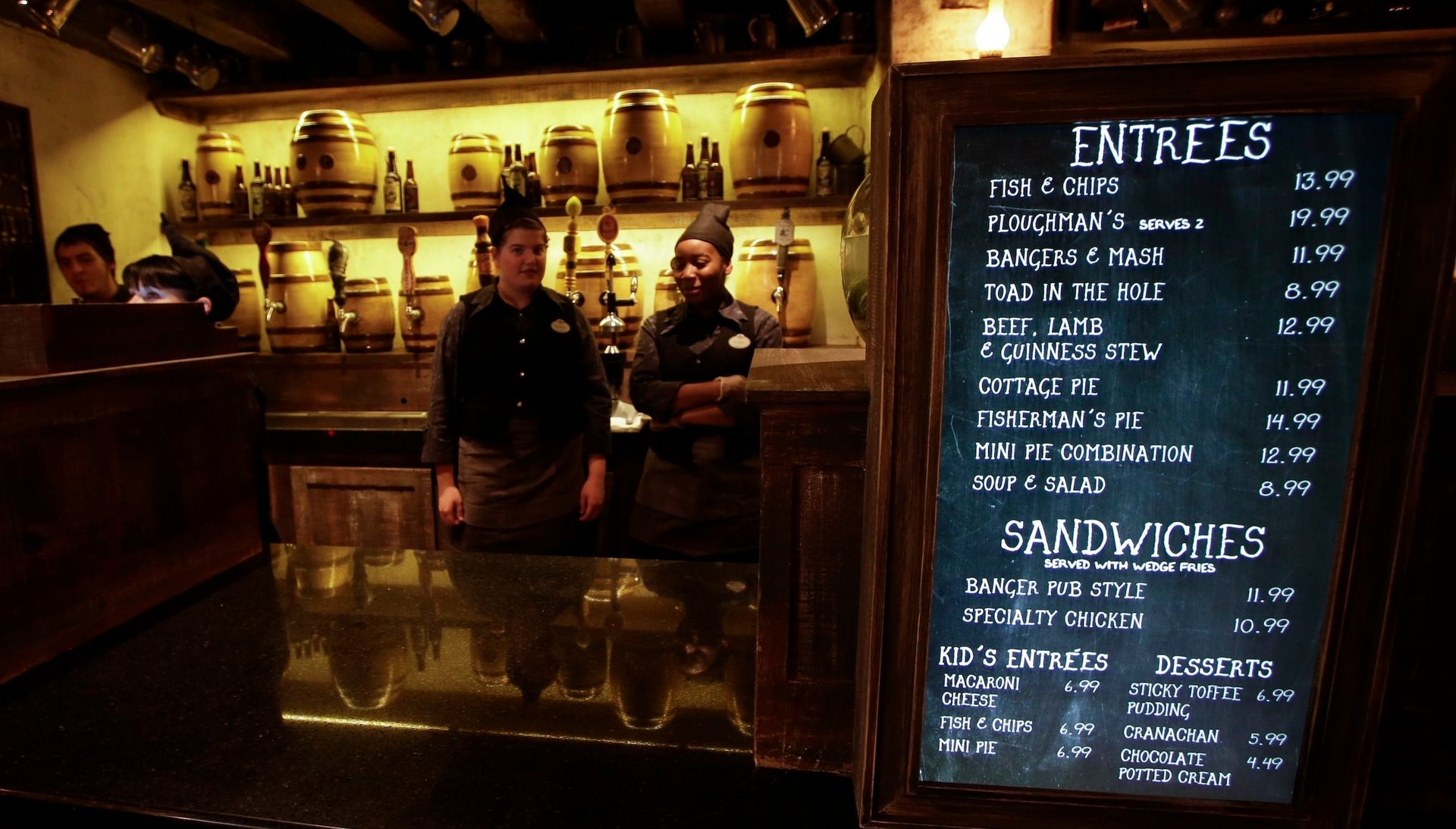
Zomato, the India-born restaurant discovery service with an appetite for global expansion, has made its first acquisition in New Zealand. It has bought that country’s leading restaurant listing and review portal MenuMania for an undisclosed sum in an all-cash deal.
We don’t know if Flipkart, India’s largest shopping website, is serious about launching a tablet. It hasn’t said so, but like hot, well-funded startups everywhere, that won’t stop anyone from speculating. We have heard before that Flipkart is launching cellphones under its in-house Digiflip label. Now, it is apparently working on an Android tablet under the same label.
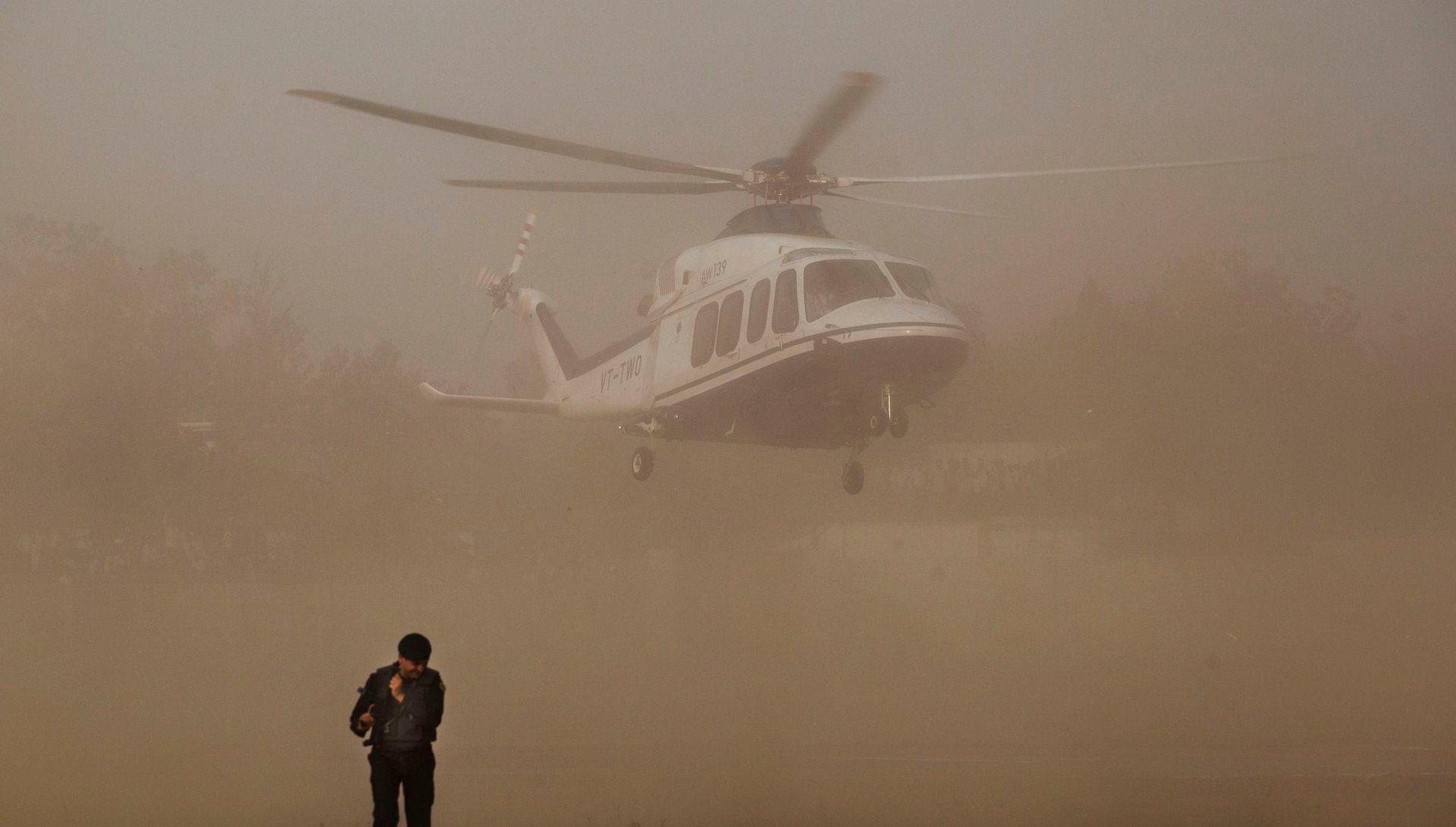
SANAND, India—On 15 May, just 24 hours before the historic counting day that confirmed Narendra Modi’s victory, a group of young men and women gathered at an upscale resort here in Sanand, some 60 km from Ahmedabad.
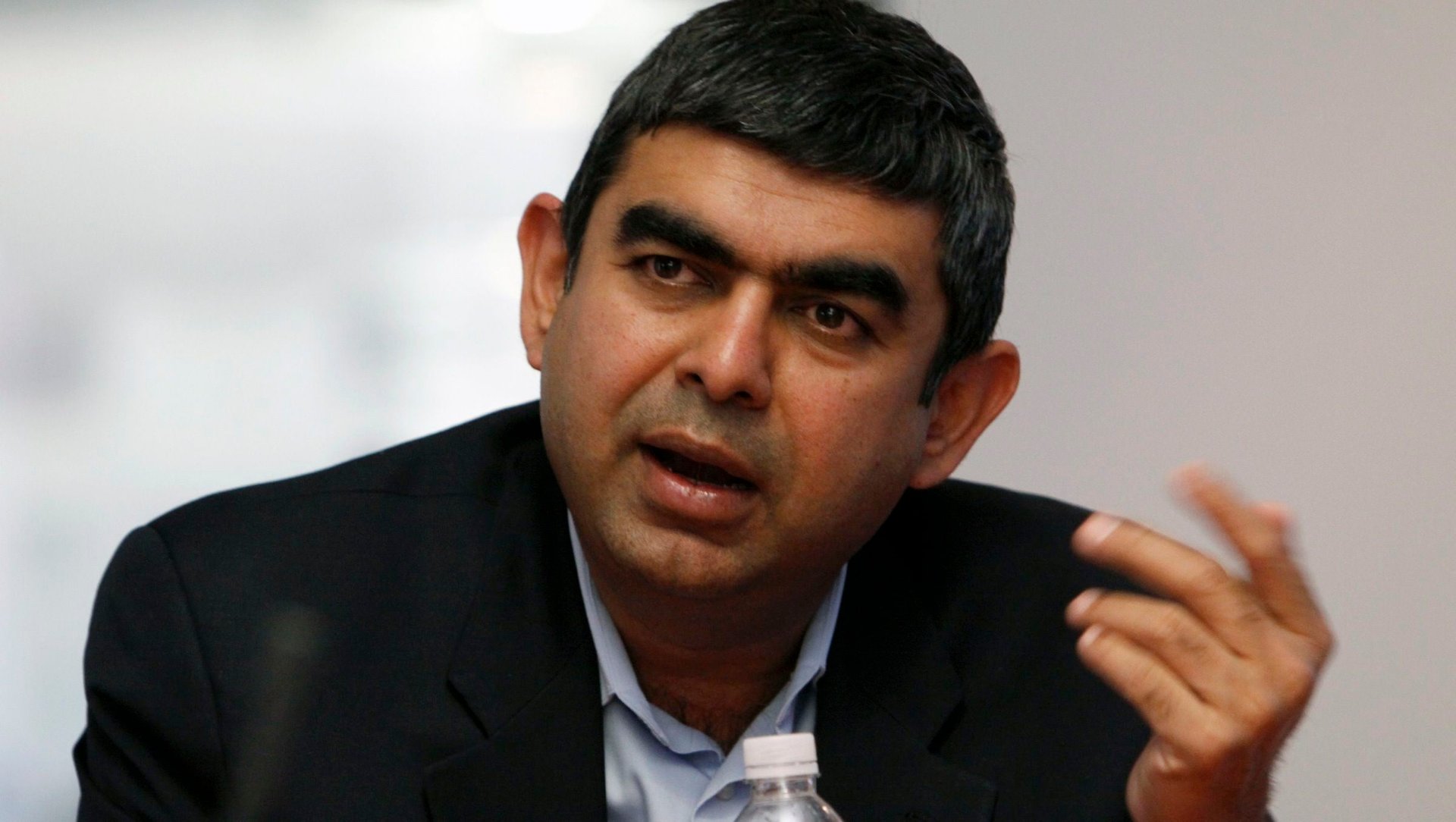
Infosys Ltd, the once-bellwether-now-beleaguered software company, has named Vishal Sikka as its new CEO and managing director. Sikka is a 47-year-old former executive at SAP.

This might be the worst Facebook experience ever.
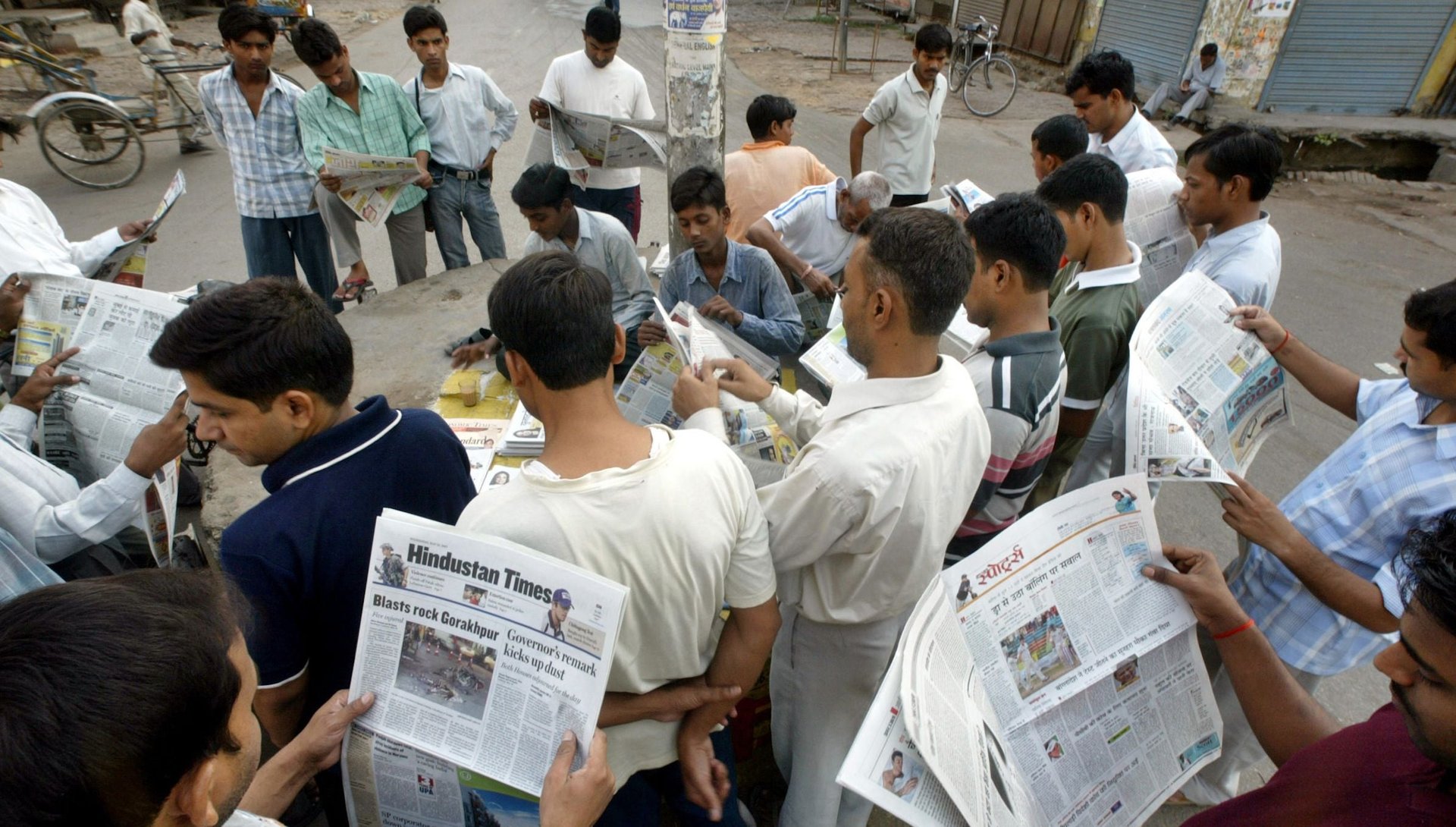
It should have been a relatively quiet period after nonstop coverage of India’s long-running election season. Instead, the country’s media business is finding itself in the news.
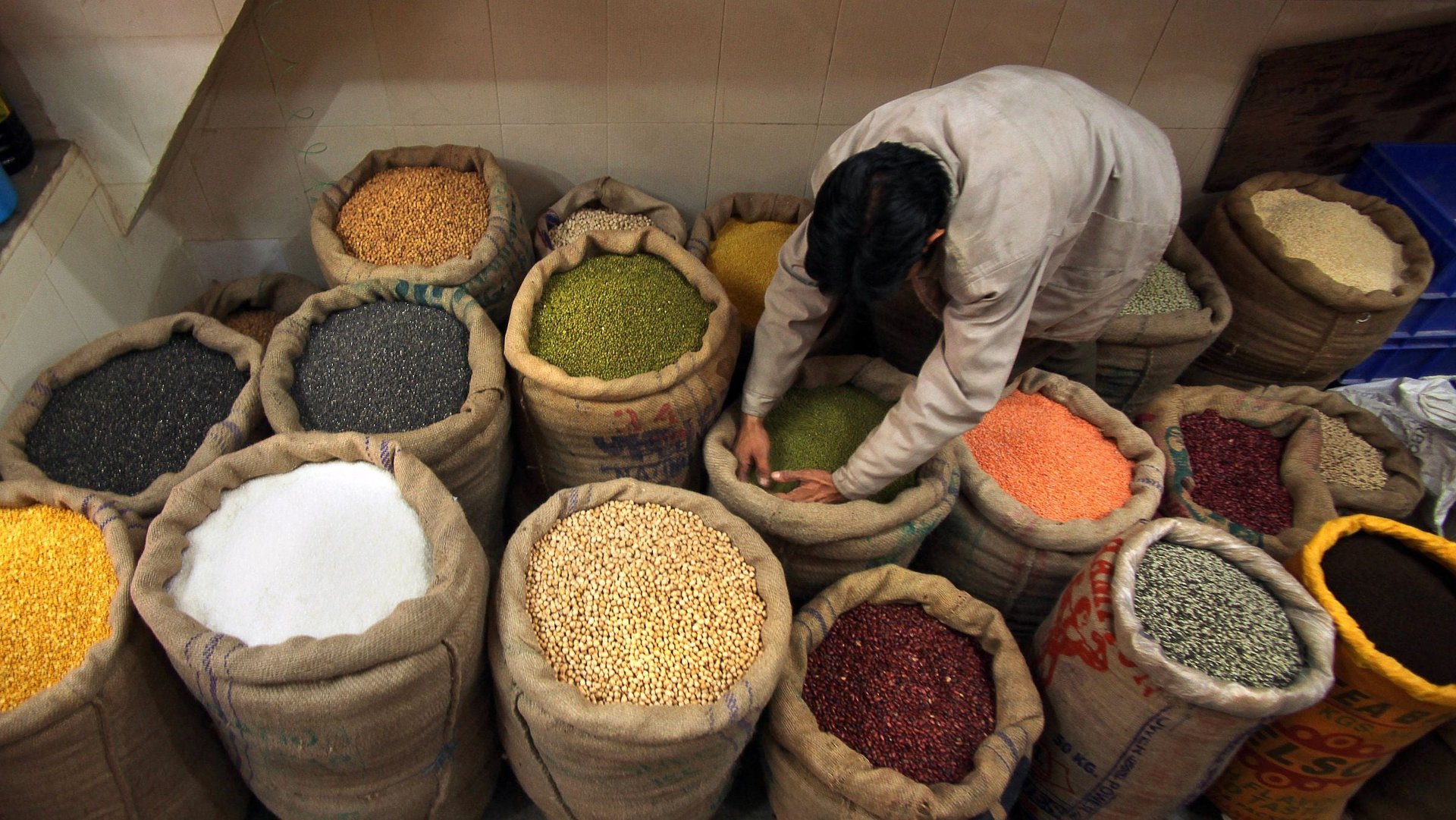
India’s new government is widely expected to ease restrictions on foreign investment and open up several sectors. But international competition won’t be increasing in multi-brand retail, or supermarkets that sell a variety of products and brands. The rationale, as new commerce and industry minister Nirmala Sitharaman said yesterday, is that farmers and small traders might be affected if you “open the floodgates of multi-brand retail”.
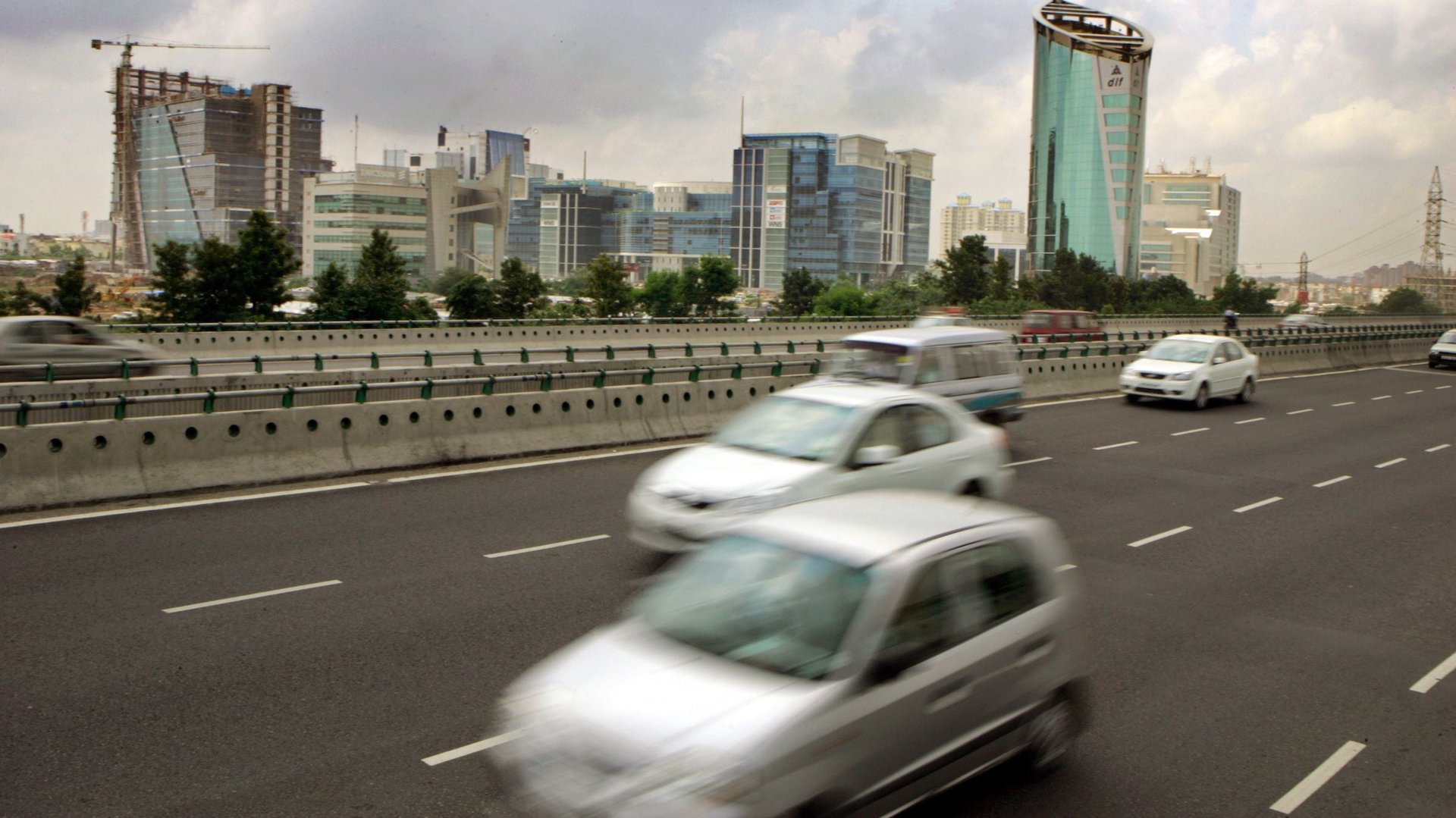
Bangalore is widely regarded as India’s Silicon Valley. It is the cradle of India’s tech and outsourcing success story, the city where Infosys co-founder Nandan Nilekani first told columnist Tom Friedman that the world was flat (yes, you can blame Bangalore). It’s also the city that has become a verb for the forces of globalization that ships American jobs overseas—i.e. “You’ve been Bangalored.”

Editor’s note: This story has been updated to reflect Narendra Modi tweeting at Barack Obama after our original piece ran.
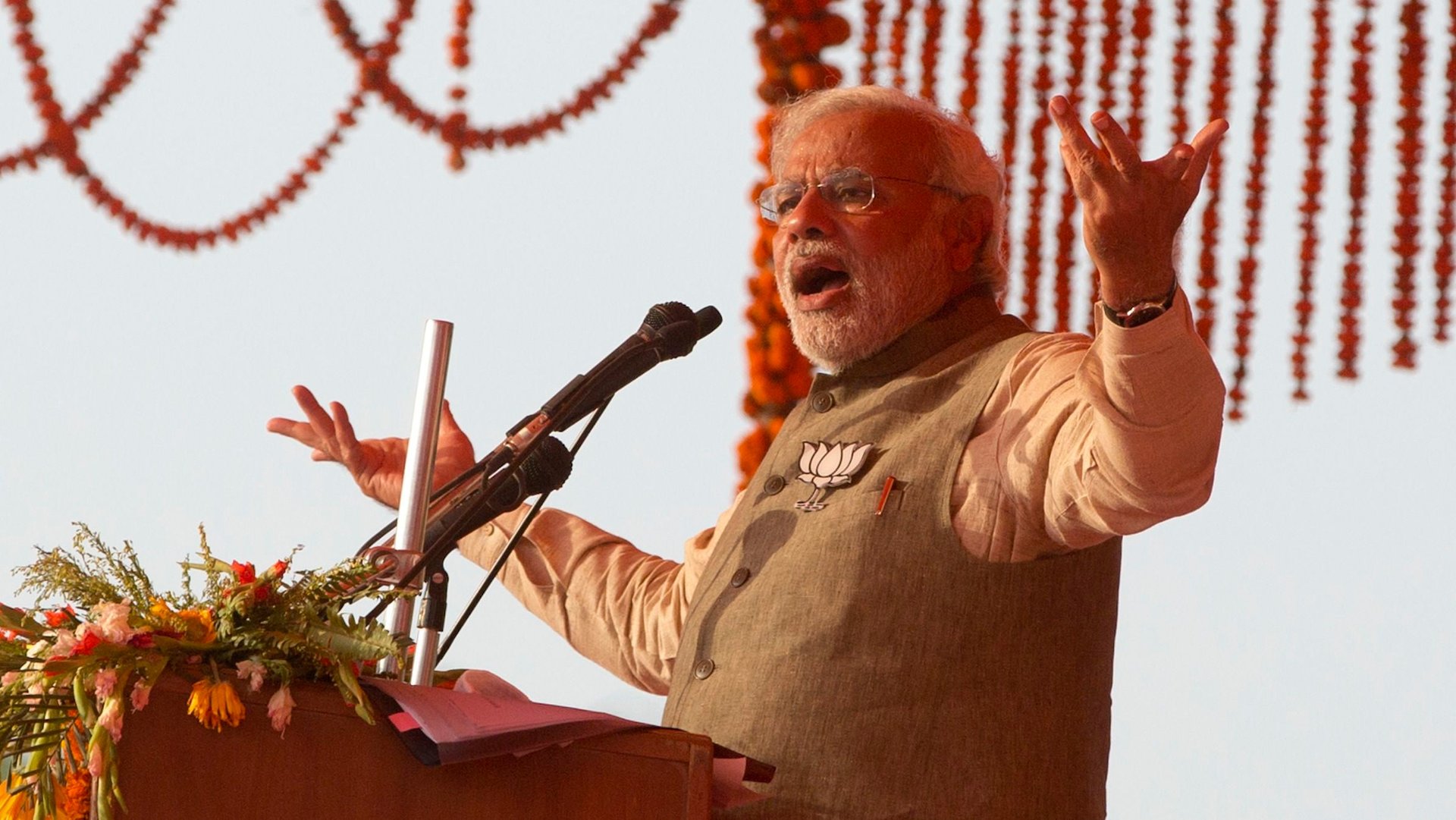
Narendra Modi, a self-made politician who sold tea at train stations as a young man, appears to have led the Bharatiya Janata Party into a mammoth victory. For the first time in three decades, a single party has potential to occupy a majority of seats in the Indian parliament.
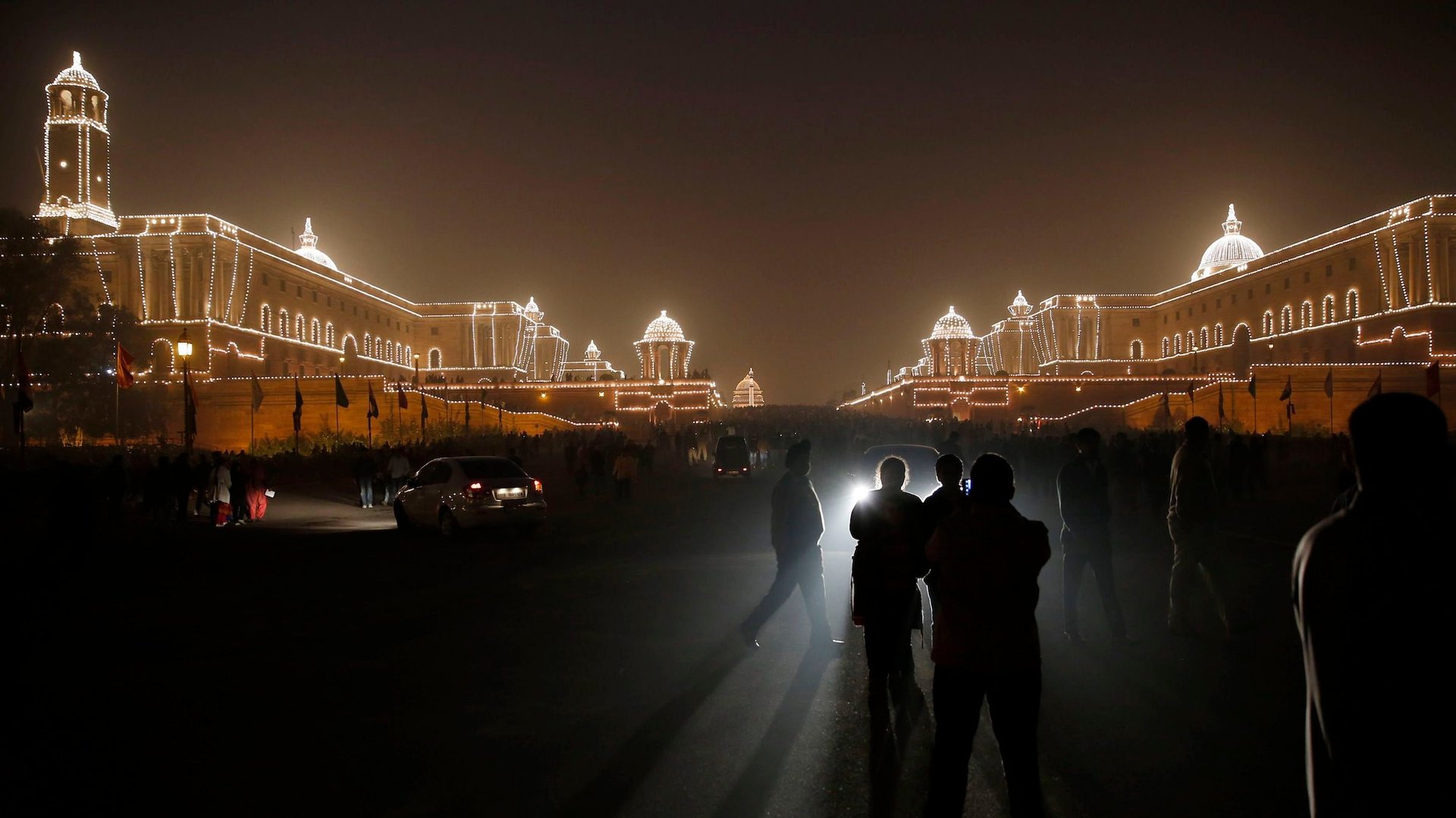
Not only is the biggest election on the planet, but it’s starting to feel like the longest. India’s general election process ran through nine phases across 36 days and will culminate on May 16. That’s when the political verdict of 815 million eligible voters (a record two-thirds actually headed to the polls) will be known. Quartz has rounded up what you need to know to understand what is happening over the next few days: