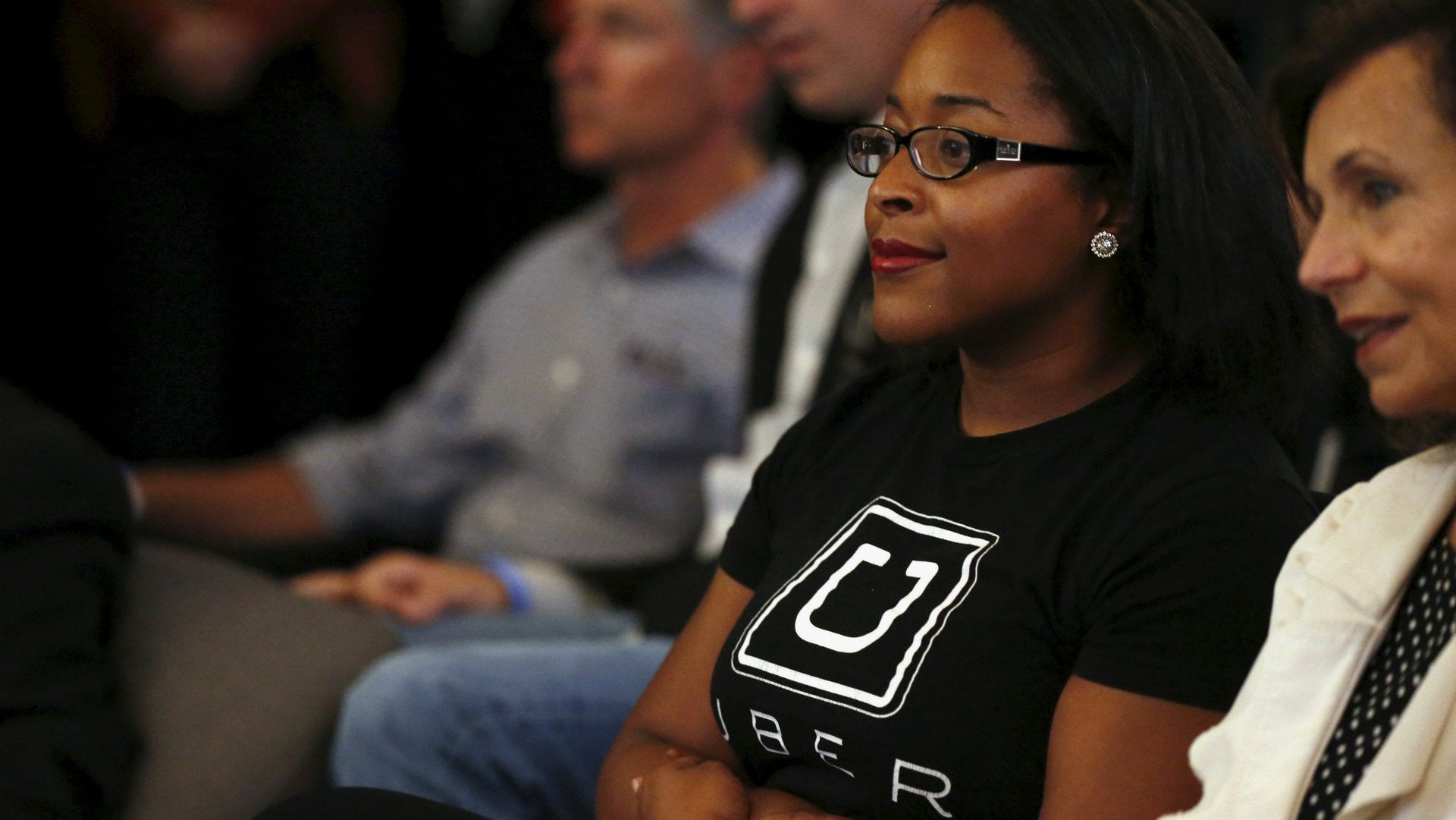
A month after an Uber driver in Delhi was charged with the rape of a female passenger, Uber beefed up its background checks for prospective drivers in India.

A month after an Uber driver in Delhi was charged with the rape of a female passenger, Uber beefed up its background checks for prospective drivers in India.

Usually a divided country, India came together in its outrage over the latest ban. On Monday, Aug 4, India woke up to discover that the government had blocked 857 pornographic websites.

For the past four years, London startup OpenSignal, which tracks networks and sensors, has released an annual report on fragmentation in the Android ecosystem. Where Apple produces fewer models of its iPhone than you have fingers on one hand, Android has long had a vast diversity.

What would you do if you ran an advertising platform with the power to reach 1.4 billion people?

Last year, some 17 million cars rolled off production lines with navigation systems built into them. That’s about one in four of all cars sold worldwide and more than all the cars sold in the US in 2014. That number will only grow as vehicles become increasingly autonomous. For cars to be able to do things on their own, they need to know where they are and where they’re going. And for the maps to be more useful, they need to consume information as well as produce it.

BRUSSELS—It is easy to get lost in European bureaucratese, with its byzantine designations and overlapping commissioners, vice presidents, and directorates-general. But when it comes to digital policy, the important thing to know is just this: Andrus Ansip is the most powerful person in Europe today. As the commissioner in charge of the “digital single market,” his job is, literally, “to make Europe a world leader in information and communication technology.”

This week, China said it will lift a ban on selling video game consoles and games in the country, the latest in a series of rules aimed at loosening restrictions on sales. But despite the nice-sounding sentiment that China is opening up, the fact is that not much has changed. And not much will change.

It seems obvious in retrospect. We can watch television on our phones, so why not listen to television on our phones?

In the past three months alone, Europe’s antitrust enforcer, Margether Vestager, has filed formal charges against Google, opened an investigation into Google’s Android operating system, and started an investigation into Amazon’s e-books business. Today, the Competition Commission announced two more investigations, both looking at the same tech company: Qualcomm, a California-based chip-maker that is the world’s largest supplier of chips for mobile phones.

Even free services come with a cost. On the web, where things often are free because advertisers are willing to pay to target specific users based on their data, the cost to the user is privacy. But there is a financial cost, too, as researchers at Canada’s Simon Fraser University discovered.

Nevermind what this very realistic-looking Bloomberg webpage says. Twitter is not, in fact, “working closely with bankers after receiving an offer to be bought out for $31 billion.” A Bloomberg spokesperson has clarified that both the story and the the website reporting the sale are fake.

Felix Kjellberg is a 25-year-old Swedish man who made $7 million last year playing video games. Known on YouTube at PewDiePie, Kjellberg records videos of himself playing video games and uploads them to his channel, which has nearly 38 million subscribers. By contrast, Taylor Swift’s YouTube channel has 15 million. Kanye West’s has fewer than 2 million.

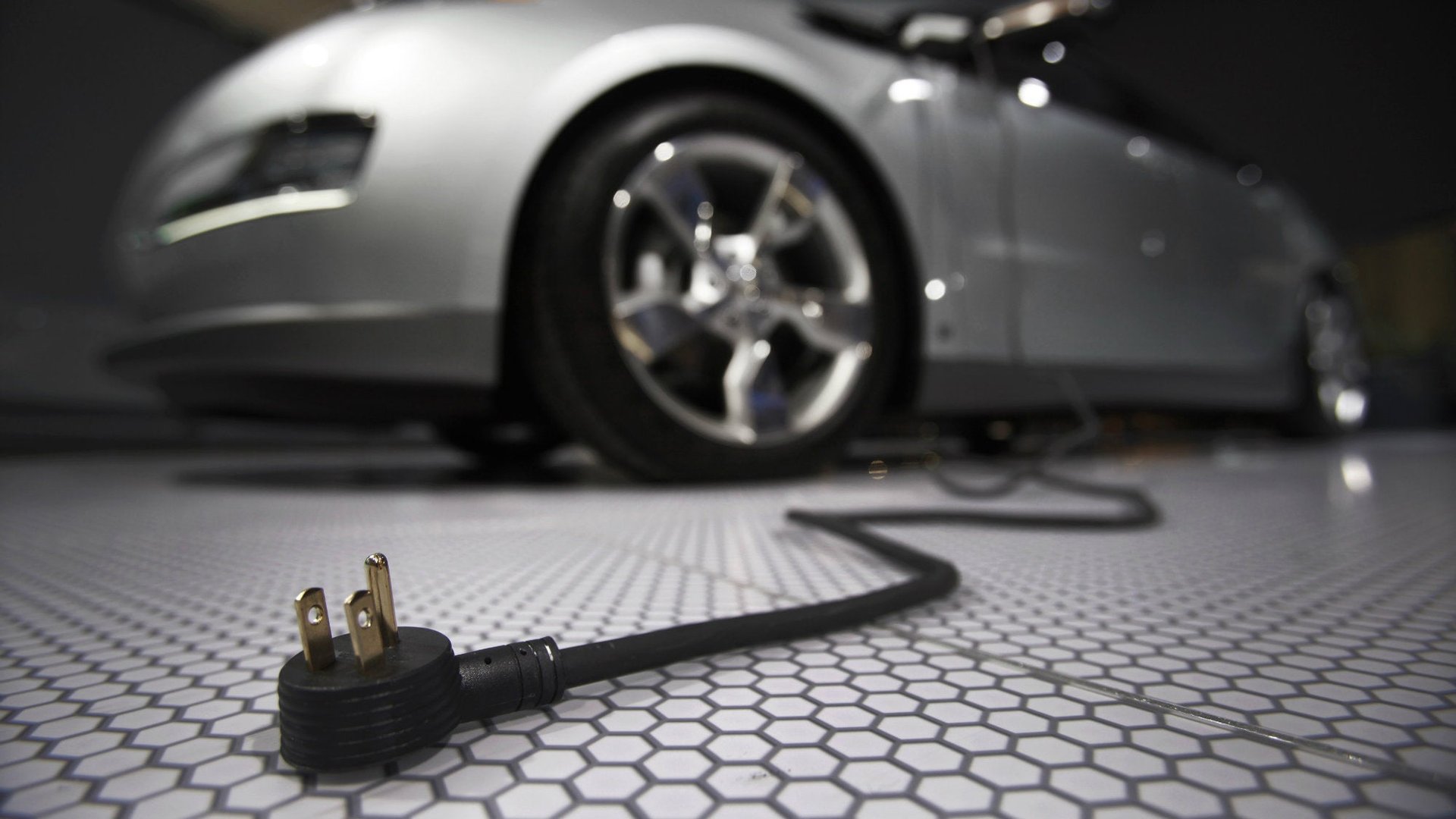
In the first three months of this year, Norwegians registered 8,112 plug-in electric vehicles, up 40% from the 5,775 registered in the same period last year.

Thirty-three years after the BBC introduced the Micro, a rather un-micro computing device that used cassette tapes as input media, the British national broadcaster has released the final design for the BBC Micro Bit, a credit-card-sized computer that will be distributed to 1 million 11- and 12-year-old British school children later this year.

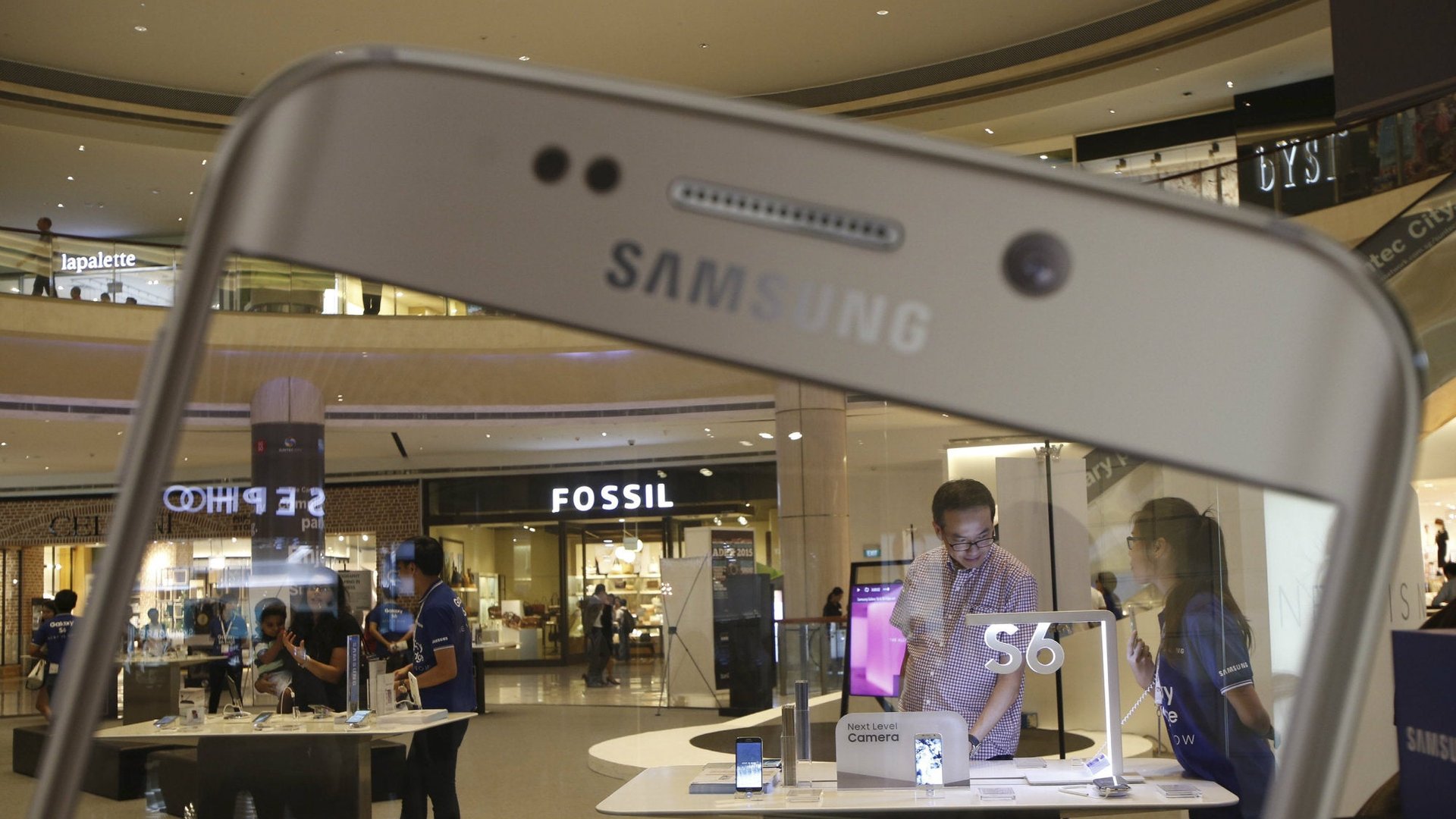
Samsung warned this morning that its second quarter results would fail to live up to expectations, with profits declining slightly to 6.9 trillion won ($6.13 billion), down from 7.1 trillion won in the same period last year. Though it is Samsung’s strongest performance in the past year, it also marks the seventh straight quarter of decline for Samsung’s operating income.

It’s the sort of small software tweak that we at Quartz would normally ignore—if it wasn’t one of the most life-saving software tweaks ever invented.

First came the unicorns. Then came the decacorns. Now people are talking about dragons, centaurs, and even ponies.

When Volkswagen acquired Porsche in 2012, the Wolfsburg-based automaker had reason to feel smug. The acquisition marked the end of a multi-year battle for control, with both German firms trying to acquire the other. Volkswagen won in the end (paywall).

Nest, a connected-appliance company owned by Google, announced yesterday that it has partnered with insurance companies to offer discounts to customers willing to share data generated by Nest’s smoke detector.

In the UK, upstart rightwing party UKIP won a substantial 12.6% of the popular vote in last month’s election, largely thanks to its anti-immigrant platform. Yet the areas where UKIP’s support was strongest were also the ones with some of the lowest levels of migration in the country.

On June 15, Quartz reported that all of Europe’s tech companies privately valued at $1 billion or more, called “unicorns” by the tech-finance industry, were together worth less than half of Facebook. Lest anyone accuse us of anti-Europeanism, here is the corresponding chart for American tech firms:

It’s 2015. It should no longer surprise anyone that the news-consuming populations of the West are online and using smartphones. But that doesn’t actually tell us very much: Are people consuming news on websites or social networks? Is it in the form of text or visuals? What is the starting point: is it search, social, or a news website?

Not many people paid attention on January 30, when Facebook’s new privacy policy took effect. But Belgium’s Commission for the Protection of Privacy noticed, and asked Facebook to explain itself. Facebook declined to engage, according to the Belgians, because Facebook’s European privacy matters fall under the jurisdiction of Irish laws, where its European operations are headquartered.

GP Bullhound, an investment bank that focuses on the technology sector, has a new report out today looking at European tech “unicorns,” the term the industry insists on calling startups valued at $1 billion or more.