Whether you live in a small, mid-size, or large city, chances are it’s becoming easier to bike to work. If the proliferation of bike-sharing programs around the world is an indicator, then cycling is having a moment.

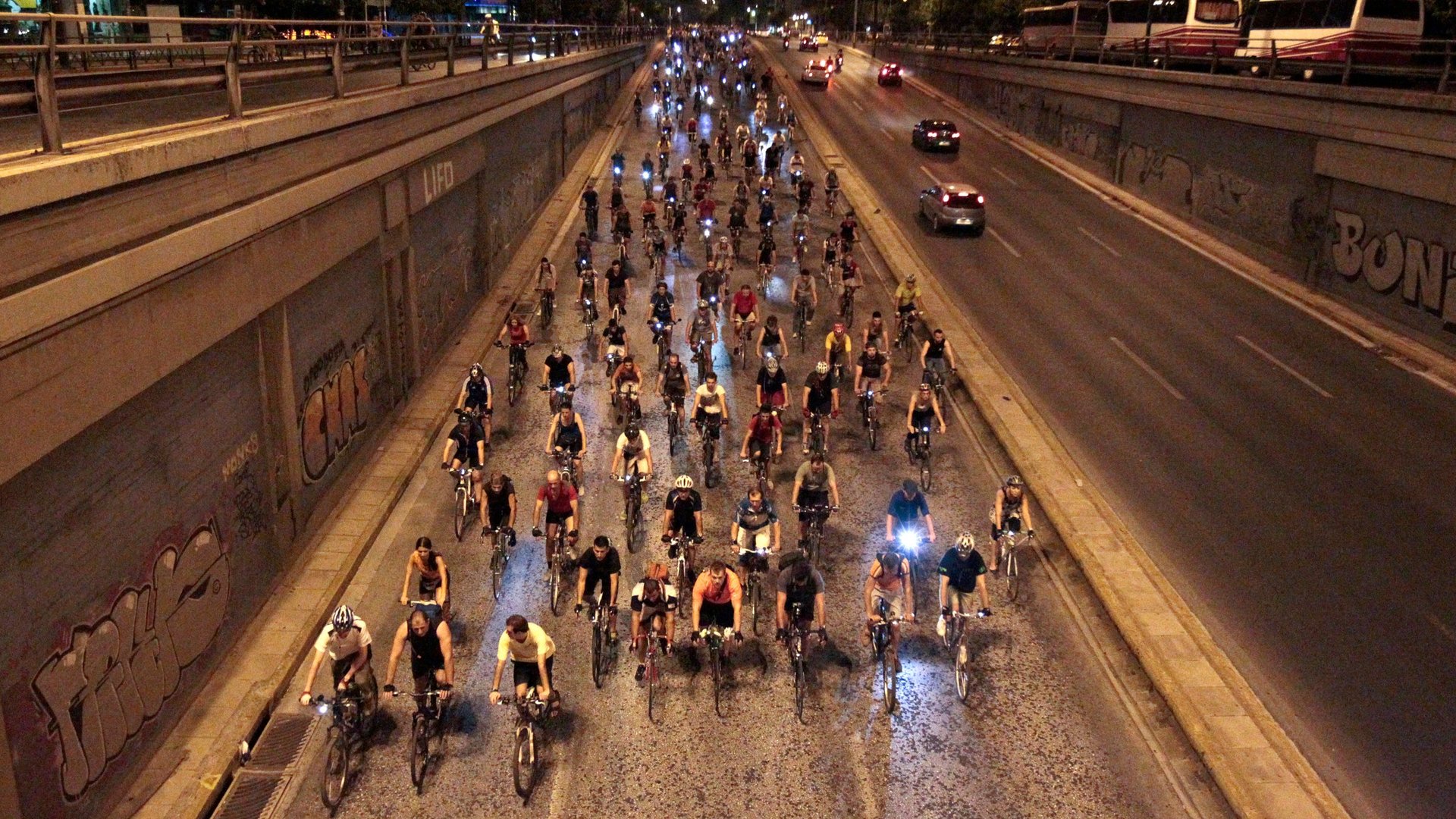
Whether you live in a small, mid-size, or large city, chances are it’s becoming easier to bike to work. If the proliferation of bike-sharing programs around the world is an indicator, then cycling is having a moment.

Following last year’s theft of credit card data from the retailer Target and this year’s discovery of the Heartbleed bug, it’s probably an understatement to say that the credit-card industry has a problem with data breaches.

As any city commuter knows, there’s no worse way to start a day than wrestling with the human gridlock on a subway platform during rush hour.

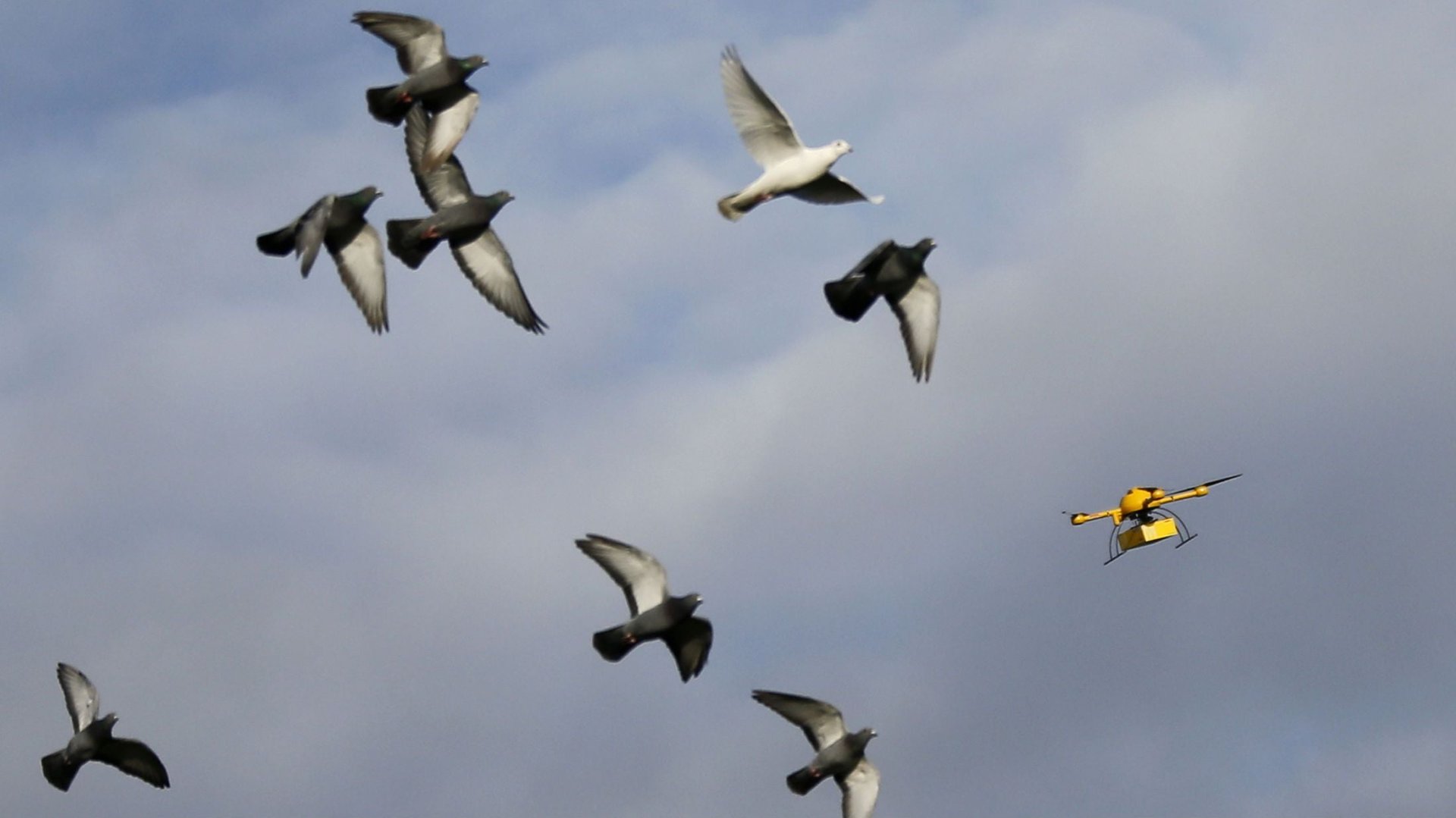
Last week’s near-collision between a hobby drone and a passenger aircraft portends what could happen as the sky gets a lot more crowded. And the nightmare scenario that has people concerned about drones is that one of them flies too close to a passenger jet and gets sucked into an engine.

Making information truly disappear from the internet is hard. That was probably the biggest takeaway from last week’s settlement by Snapchat, which agreed to 20 years of nannying by US regulators after its ephemeral photo-sharing app turned out to be less ephemeral than it promised. However, that hasn’t stopped a proliferation of startups who want you to believe they are a newer, better Snapchat.

Turns out, there’s a healthy international collector’s market for used space gear. Yesterday in Belgium, a Soviet-era space capsule was auctioned off for $1.4 million, and two space suits came close to $100,000 each. Next week, the American company RR Auction will be selling off a plethora of gear from the Apollo era of moon exploration.

Today a photography blog unearthed another strange development in America’s ongoing patent train wreck: Amazon was recently awarded the intellectual rights to taking pictures of people in front of seamless white backgrounds.

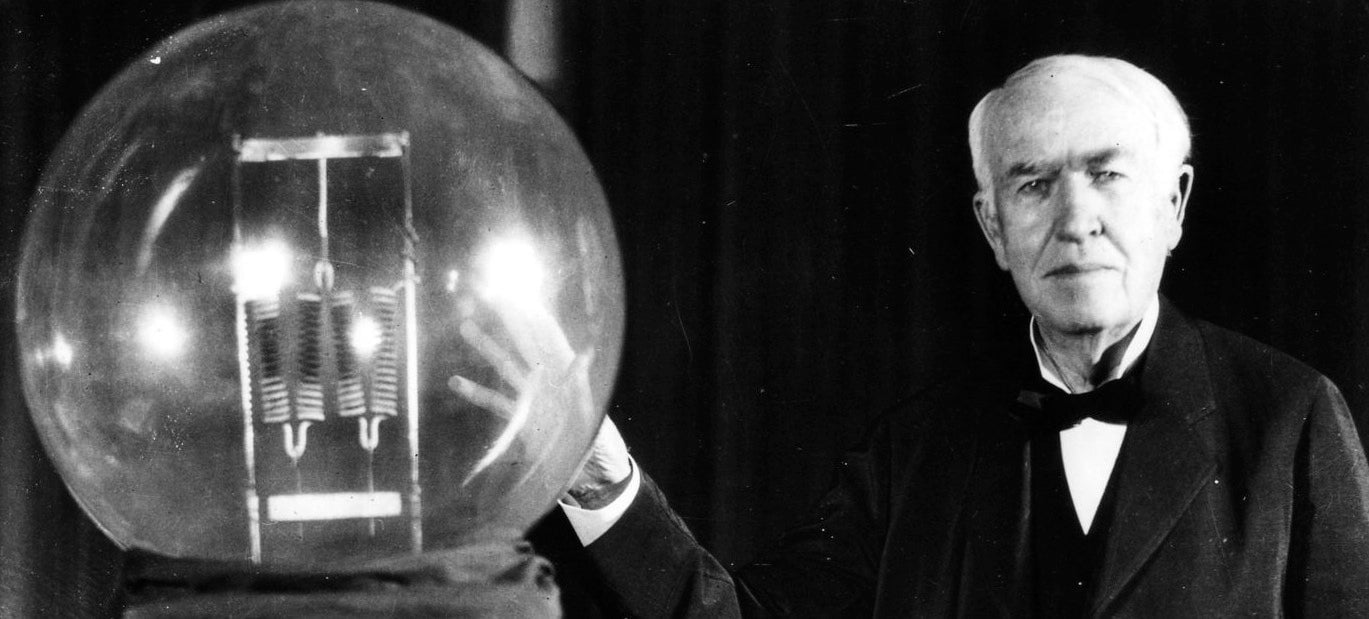
Back in 2012, the U.S. government started phasing out incandescent light bulbs, in an attempt to turn Americans on to energy-efficient alternatives. The reaction has mostly been underwhelming—incandescents still outsell more efficient alternatives like LEDs and compact fluorescents, and make up 65% of lightbulb shipments, due to leftover inventory from before the bans, along with regulation-compliant halogens.

It’s well established that black men are more than twice as likely to die from prostate cancer as white men. A new study (paywall) suggests that differences in the way African-Americans process vitamin D could explain some of these worse outcomes. For several reasons not completely understood, black men with prostate cancer appear to be more sensitive to vitamin D deficiency—and less able to create and use vitamin D—than men of other races.

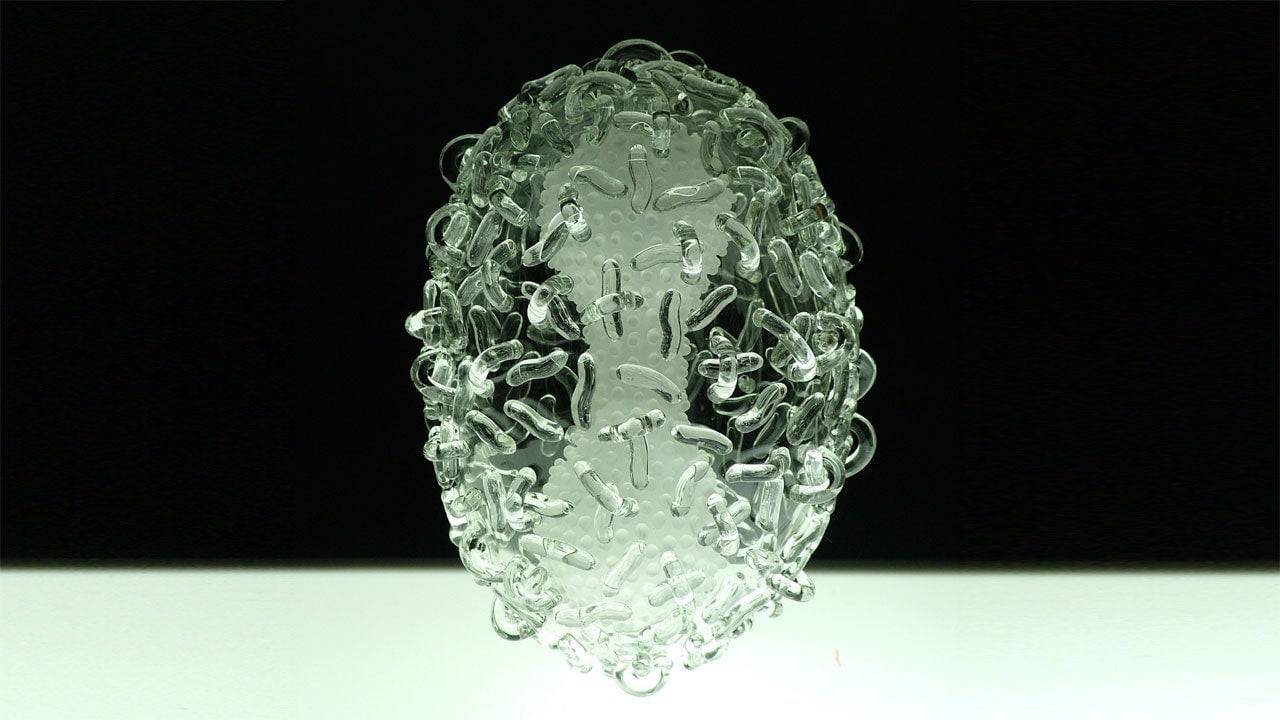
For a disease that was declared extinct nearly 35 years ago, smallpox continues to do a remarkable job of dividing politicians, scientists, and nations.

Sometime in the late Pleistocene period, humans and Neanderthals are believed to have lived together. Only one species still exists, and people who study human pre-history have battled for decades over the reasons why.

When it comes to turning a new idea into a success, the first drops of support—in the form of money, praise, or publicity—are the most important. And the faster they come, the better the idea will be at attracting more.

Like most hospitals, the Manhattan campus of the New York Harbor VA Hospital is laid out like an intestine, and it operates about as fast as one. At the security checkpoint, where the X-ray scanner was broken, three security guards chatted and passively watched the line grow while a fourth wand-frisked and bag-checked people, one-by-one. I walked through the main lobby, where I have in the past spent minutes waiting for one of the eight elevators to show up. Today I was lucky because I only had to walk down one, short, low-ceilinged hallway to get to a clinic on the ground floor.

This article has been corrected.

When it comes to fighting disease, your body’s defense system doesn’t like enlisting outside help. Overcoming this ”locals only” attitude has been a huge handicap for scientists trying to make medical nanorobots, but now a team from Harvard thinks they’ve developed a disguise that will help the nanorobots sneak through and get to work fighting cancer.

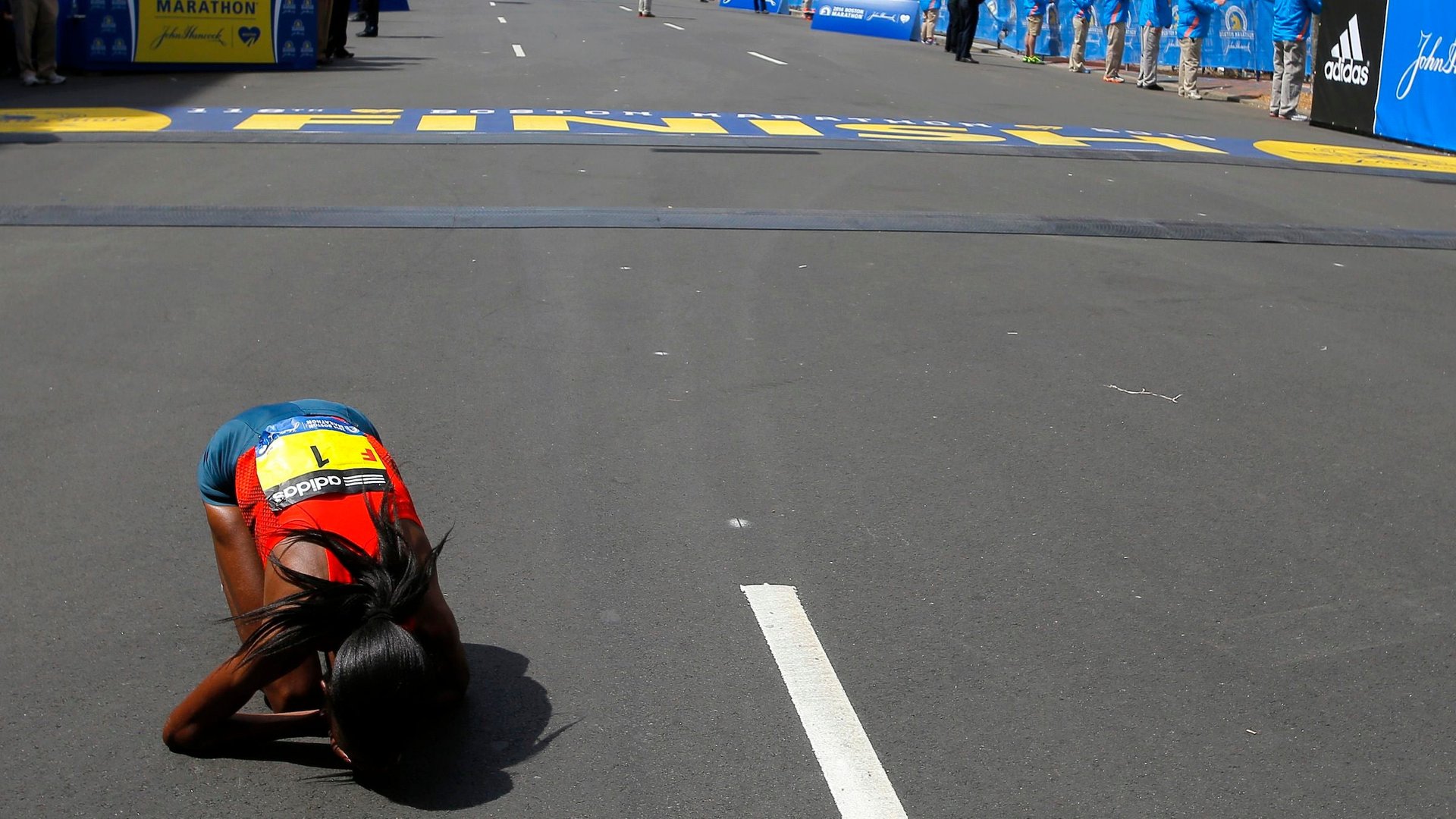
After the tragedy and mayhem of last year’s Boston Marathon bombing, figuring out projected finish times for the race’s non-finishers was a low-priority task. But the attack left runners stranded across the city, distressed and confused, and without a sense of closure—a problem that a team of statisticians decided to tackle.

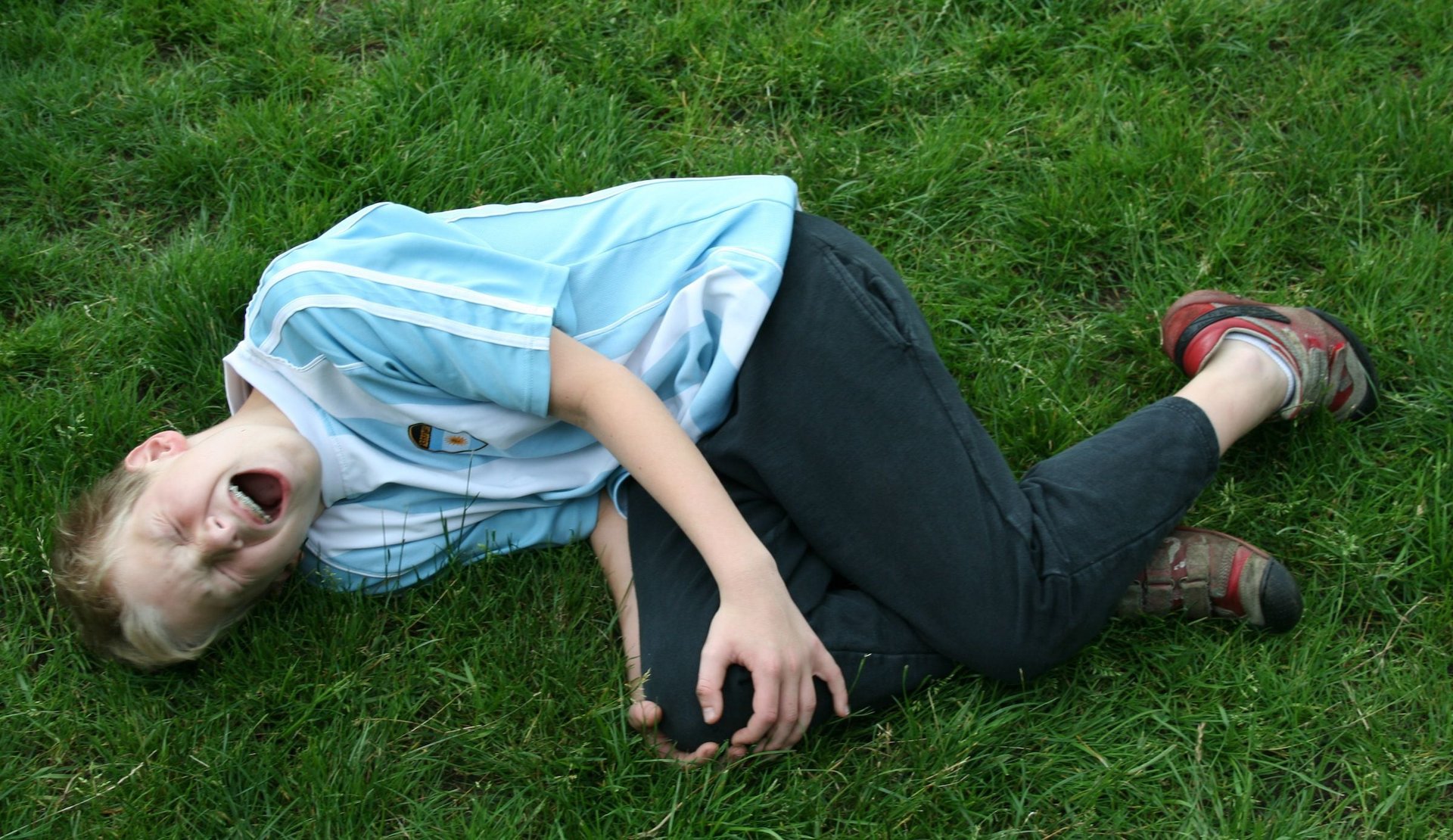
Children from American families that can afford private insurance are 60% more likely to be treated for serious sports injuries than those on Medicaid, a recent study has found.

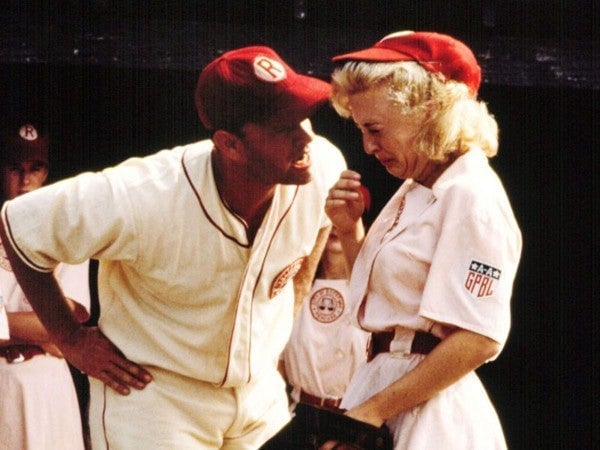
For sports fans, the spectacle of red-faced, screaming coaches—even more than daffodils and chirping birds—is a harbinger of spring. Occasionally, the rage of some of those men (and they are overwhelmingly men) has overflowed into headline-grabbing incidents and viral YouTube clips: former Dodgers coach Tommy LaSorda tackling a mascot, for example, or Newcastle United manager Alan Pardew head-butting a player—not to mention the train wreck of court-side meltdowns at last month’s NCAA college basketball tournament.

Business travelers, factory workers, and grad students all know how hard it can be to regain your circadian rhythm. But a new app is promising to help us plan for, and even shorten, the time it takes to adjust to new time schedules.

Kim Dotcom is tired of being bullied by international laws, domestic harassment, and proponents of ethical business conduct, so he’s fighting back by starting his own political party.

When you really focus your attention on something, you’re said to be “in the present moment.” But a new piece of research suggests that the “present moment” is actually a chunk of the recent past, and it’s about 15 seconds long.

A rough childhood doesn’t just make you grow up faster; it could actually make your body grow old early. In research studying how day-to-day circumstances affect our DNA, researchers have found evidence that social stresses from poverty could wear down children’s genes, making them vulnerable to cancer and age-related disorders at an earlier age.

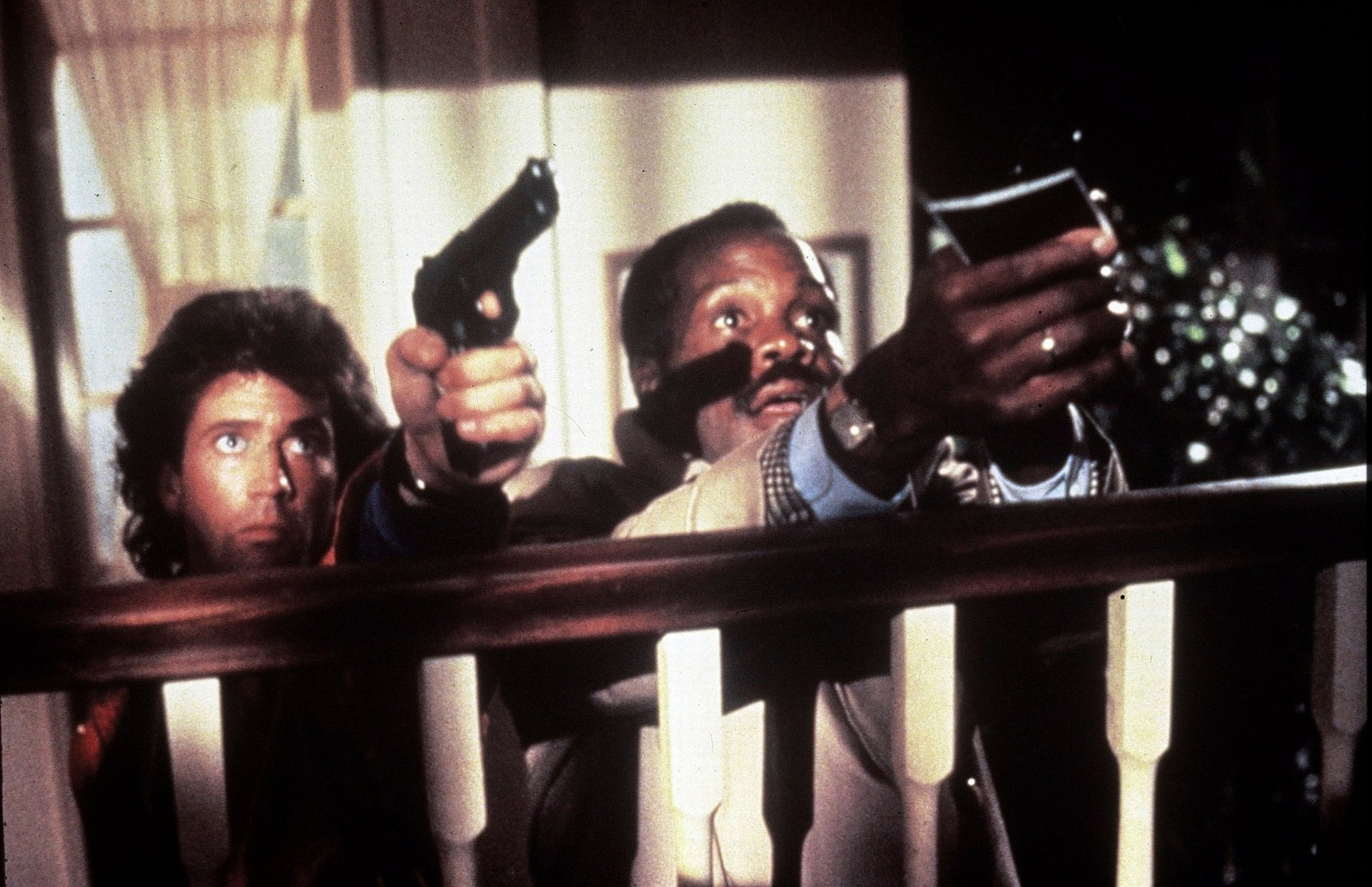
If you’re a black cop in an American movie, you’re a lot more likely to end up squatting on a toilet with a bomb in it than sharing scars with the hottie from Internal Affairs. This isn’t anecdote; it’s research. A recent study from two criminal justice experts shows that for 40 years black police officers have most often been the punchlines of the American cop movie genre.

To cut down on greenhouse gases, the US needs to start canning the crap.