Avoid common travel mistakes with these four airplane etiquette rules every passenger should know for a smoother, more courteous flight
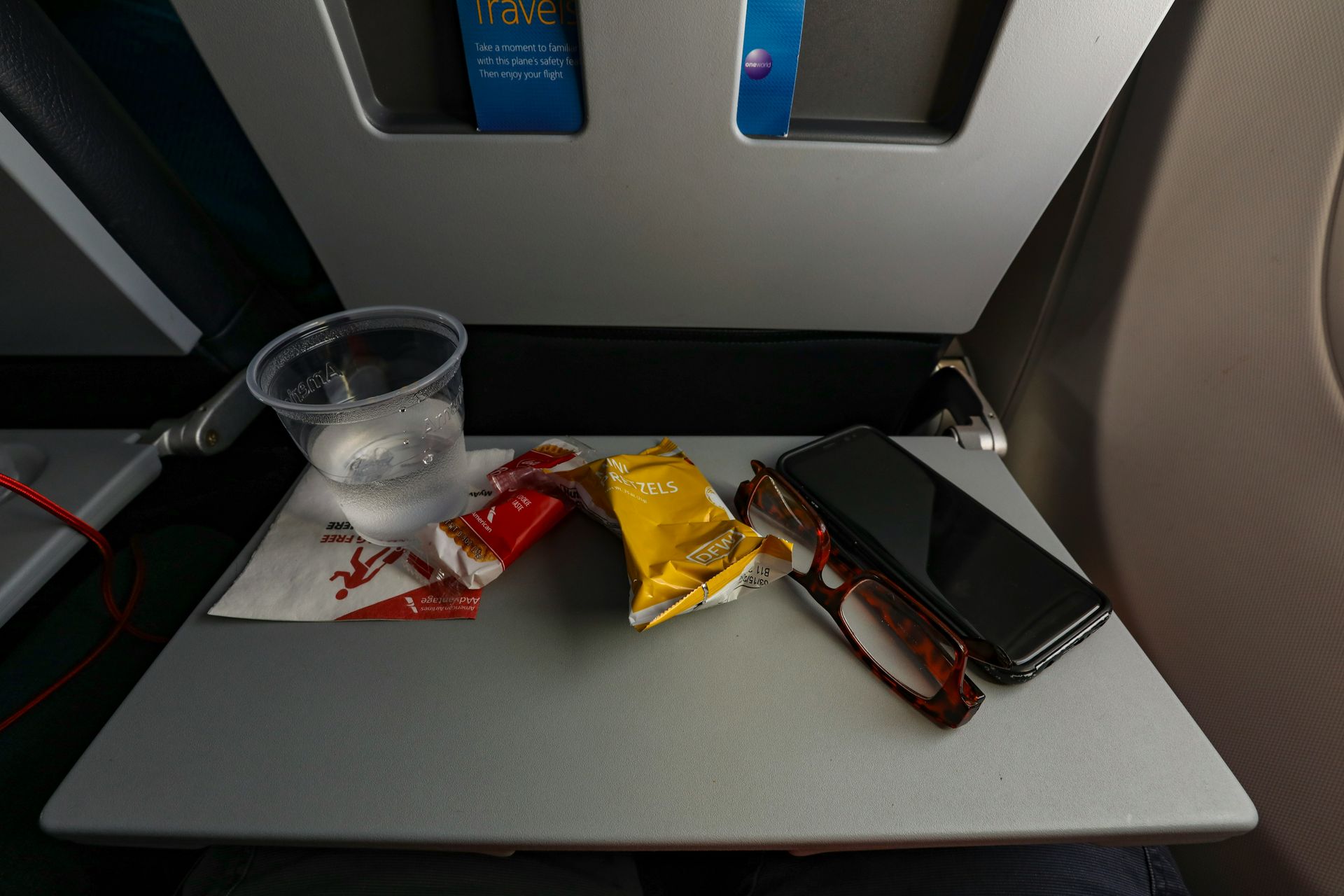
Mick Haupt / Unsplash
Flying is one of the few situations where hundreds of strangers share a small space for hours at a time. A little courtesy can make a big difference, whether you're boarding, settling into your seat, or waiting for landing. While most travelers know the basics, there are plenty of unspoken rules that help everyone enjoy a smoother flight.
Simple habits, like respecting personal space and being mindful of noise, can reduce stress for passengers and flight attendants alike.
Reader's Digest highlights that good airplane etiquette isn't about following strict rules. Rather, it's about remembering that everyone on board is sharing the same experience. Small acts of consideration can prevent common frustrations and make travel more pleasant from takeoff to touchdown.
Here are four airplane etiquette rules every traveler should know before their next flight.
-1920x1281.jpg)
Suhyeon Choi / Unsplash
If you've ever been stuck in the middle seat, you know it comes with very few perks. That's why one of the most widely accepted airplane etiquette rules is giving the middle-seat passenger access to both shared armrests. Window-seat travelers have a wall to lean against, aisle-seat passengers have extra space on one side, but the middle seat offers neither. Allowing the person in the middle to use the armrests is a simple courtesy that can make an uncomfortable flight a little more bearable.
If there's any uncertainty, a polite conversation is always better than silently competing for elbow room. According to Reader's Digest, showing consideration for fellow passengers helps reduce tension and creates a friendlier cabin environment, especially on crowded flights.
Alev Takil / Unsplash
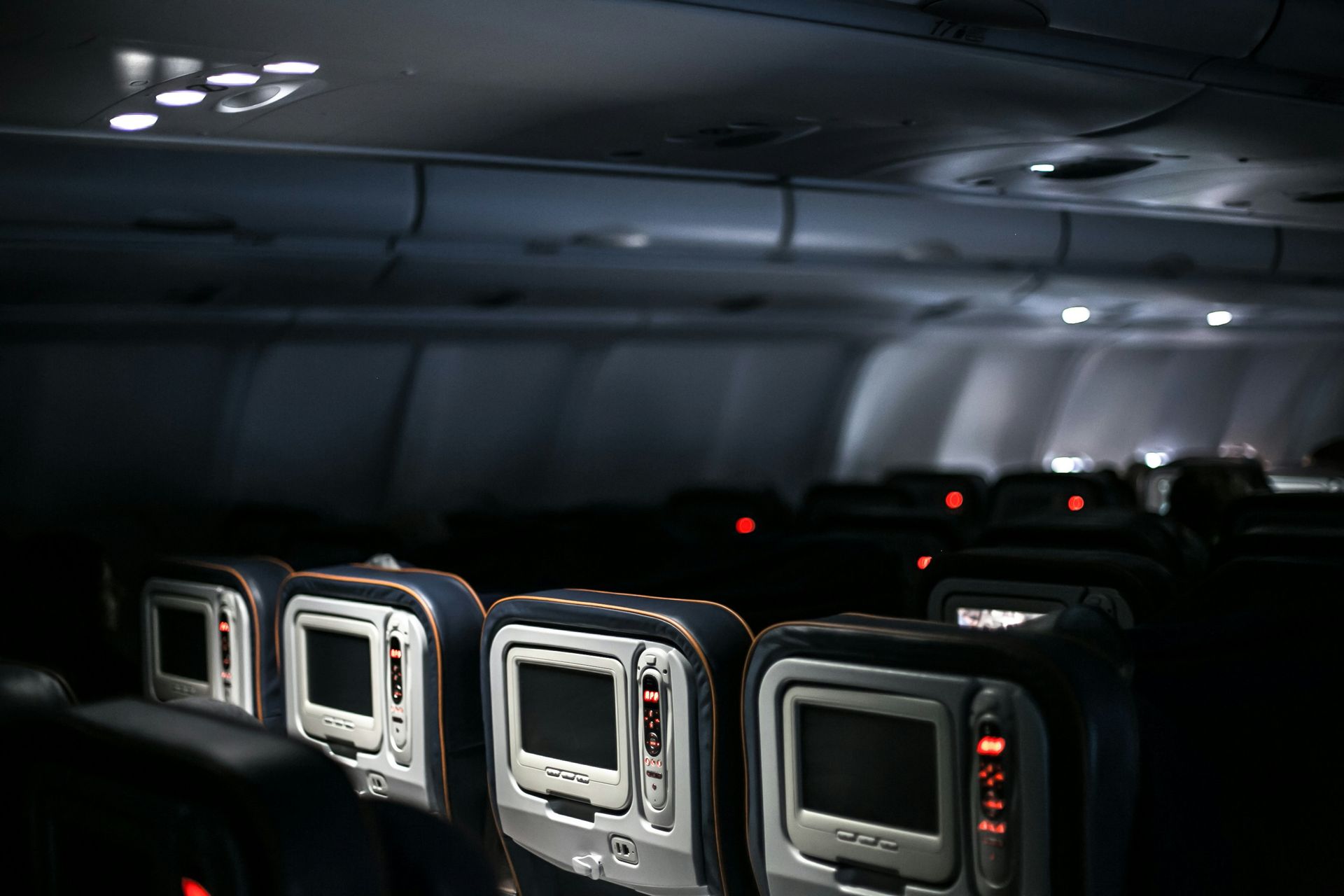
Your favorite movie, podcast, or game shouldn't become everyone else's in-flight entertainment. Reader's Digest recommends always wearing headphones when listening to music, watching videos, or playing games on your devices. Even at low volume, sounds can quickly become distracting inside a quiet cabin.
It's also worth thinking about what you're watching. Airplane seats are close together, and nearby passengers, including children, can easily see your screen. Choosing content that's appropriate for a public setting and keeping the volume contained shows respect for everyone around you. A little awareness helps create a calmer, more comfortable environment for the entire cabin.
Omar Prestwich / Unsplash
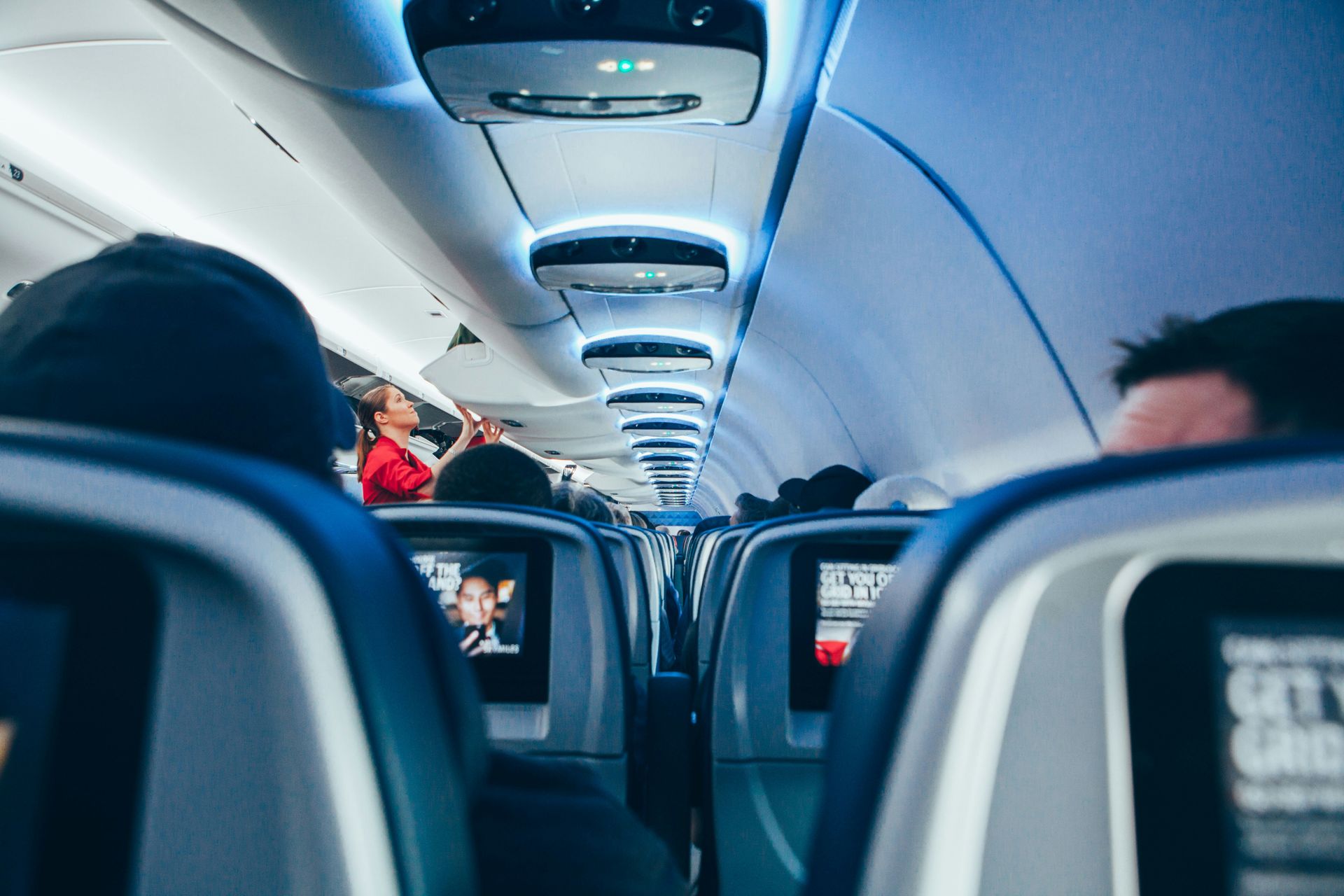
Reclining your seat is allowed on most flights, but that doesn't mean it should happen without consideration. Reader's Digest advises reclining slowly and checking behind you first, especially if the passenger has a drink, laptop, or meal on their tray table. It's also courteous to avoid reclining during meal service, when space is already limited.
While your seat is designed to recline, using that feature responsibly helps avoid unnecessary frustration for the person behind you. A small gesture of awareness can go a long way toward making a shared flight more comfortable for everyone on board.
George Pagan III / Unsplash
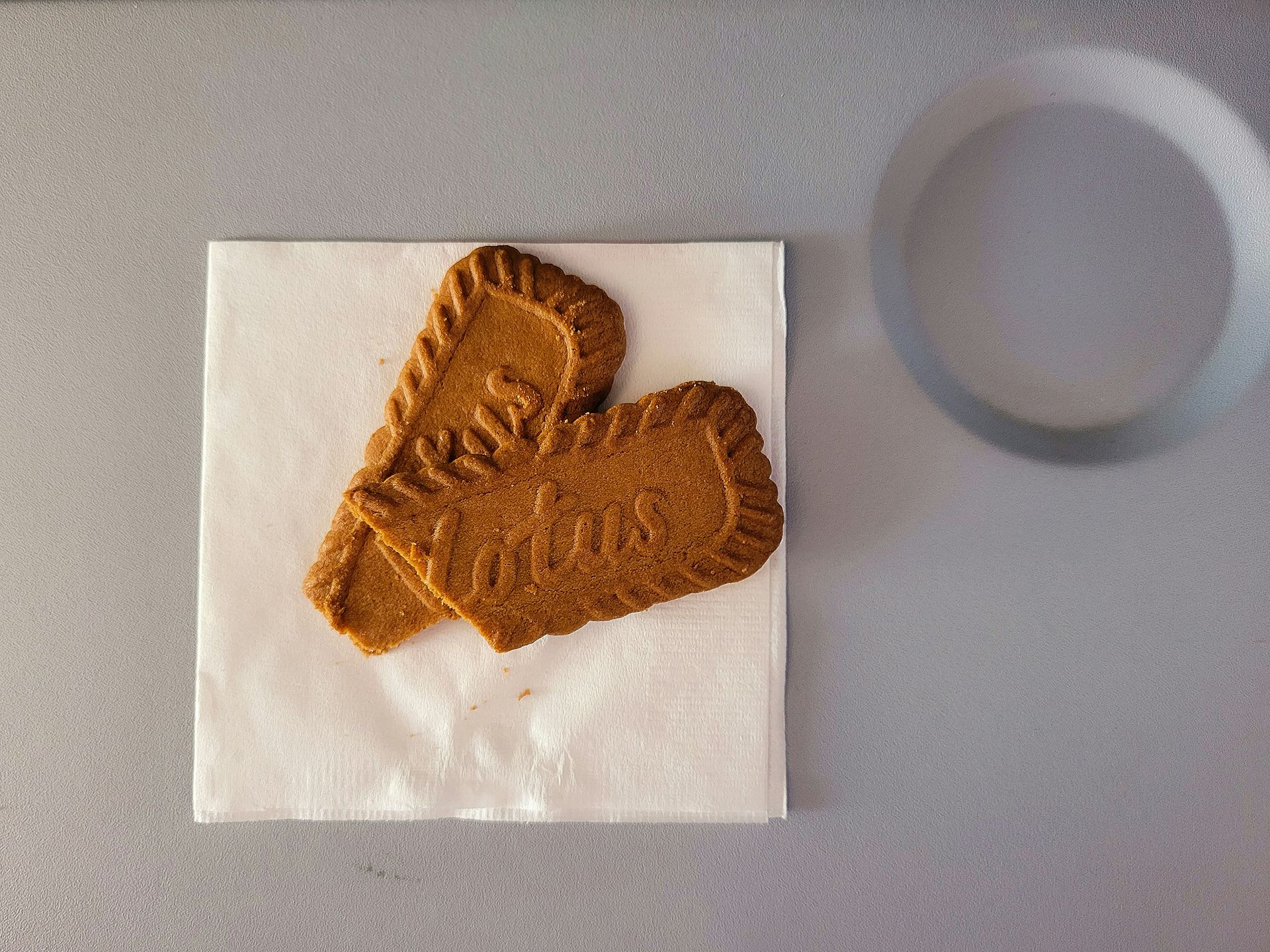
Bringing food on a flight is perfectly acceptable, but strong-smelling meals can quickly become unpleasant in a confined cabin. Reader's Digest recommends avoiding pungent foods such as seafood or messy dishes that may spill or create lingering odors. Instead, opt for simple snacks like protein bars, fruit, sandwiches, or trail mix that are easy to eat and less likely to disturb nearby passengers.
Since airplane cabins recycle air and offer little personal space, being mindful of your food choices is another small act of courtesy that helps make the journey more enjoyable for everyone sharing the flight.
