Discover six key questions that can help you choose the right destination, travel style, and experience for your next trip
-1920x1280.jpg)
Neom / Unsplash
Solo travel has gone from niche travel style to mainstream vacation strategy. Google $GOOGL searches for solo travel doubled between 2018 and 2023, according to Reader's Digest, as more people embrace the freedom of planning trips around their own interests, schedules, and budgets.
But choosing the right solo trip isn't as simple as picking a destination off a bucket list. The best solo vacations reflect who you are, what you want from the experience, and how comfortable you feel traveling independently. A trip that feels exciting and restorative for one traveler can feel overwhelming for another.
According to Reader's Digest, factors such as age, life stage, travel experience, and personal goals all shape what makes a solo trip successful. Some travelers crave structure and built-in support. Others want complete freedom. Some are searching for adventure, while others are looking for rest, personal growth, or a chance to reconnect with a long-forgotten passion.
The good news is that there is no single right way to travel alone. The key is choosing a trip that matches your needs instead of someone else's idea of the perfect vacation.
Here are six questions to ask before booking your next solo adventure.
-1920x1280.jpg)
Photo by Ibrahim Rifath on Unsplash
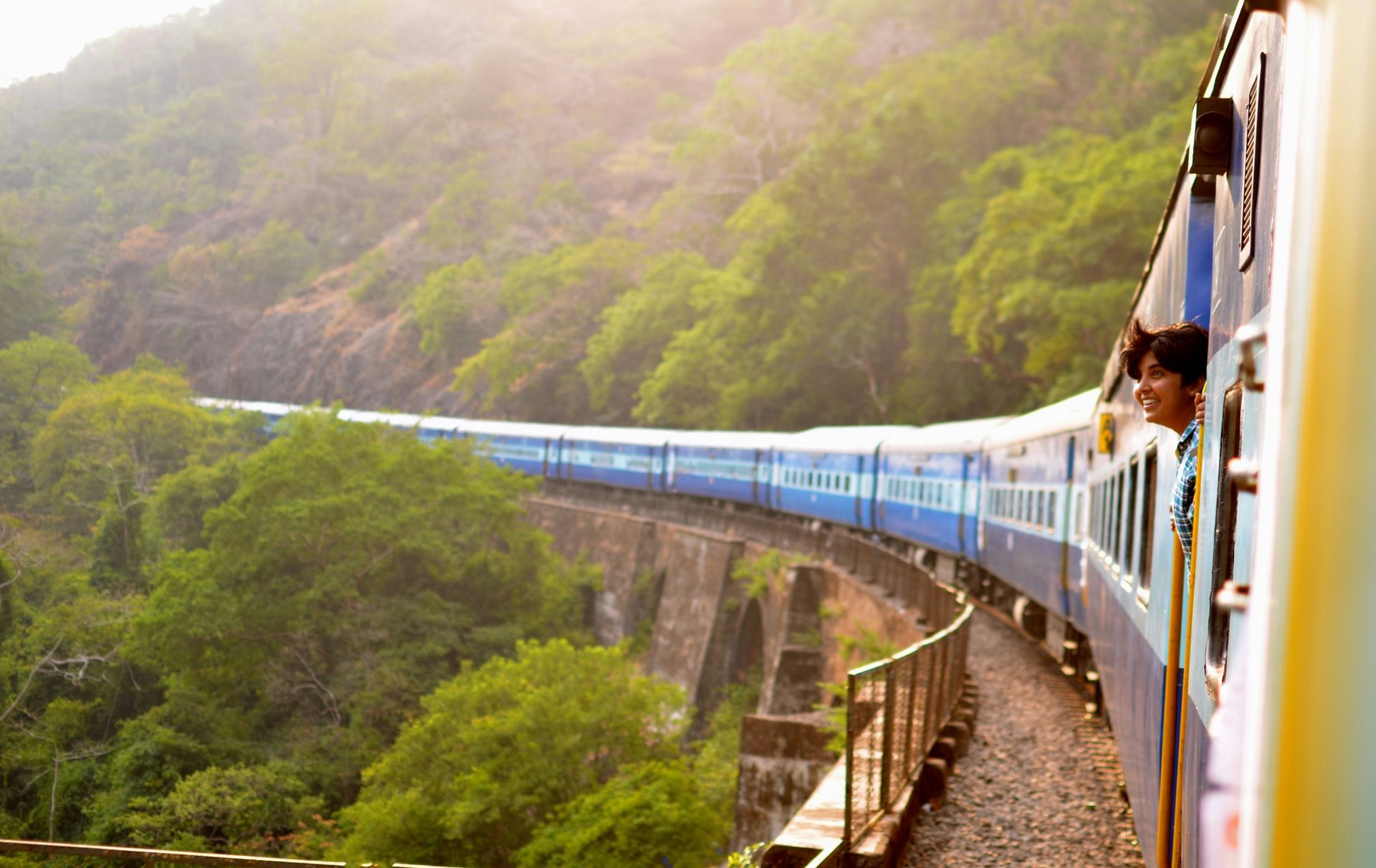
One of the biggest decisions solo travelers face is how much planning they want someone else to handle.
According to the report, comfort with independence varies widely from person to person. Some travelers thrive when every day is unplanned. Others feel more confident with guided tours, cruises, or organized itineraries that provide transportation, accommodations, and built-in support.
Neither approach is better. The goal is matching the trip to your comfort level. If managing logistics sounds stressful, a structured experience may free you to enjoy the destination. If flexibility is your priority, an independent trip may be more rewarding.
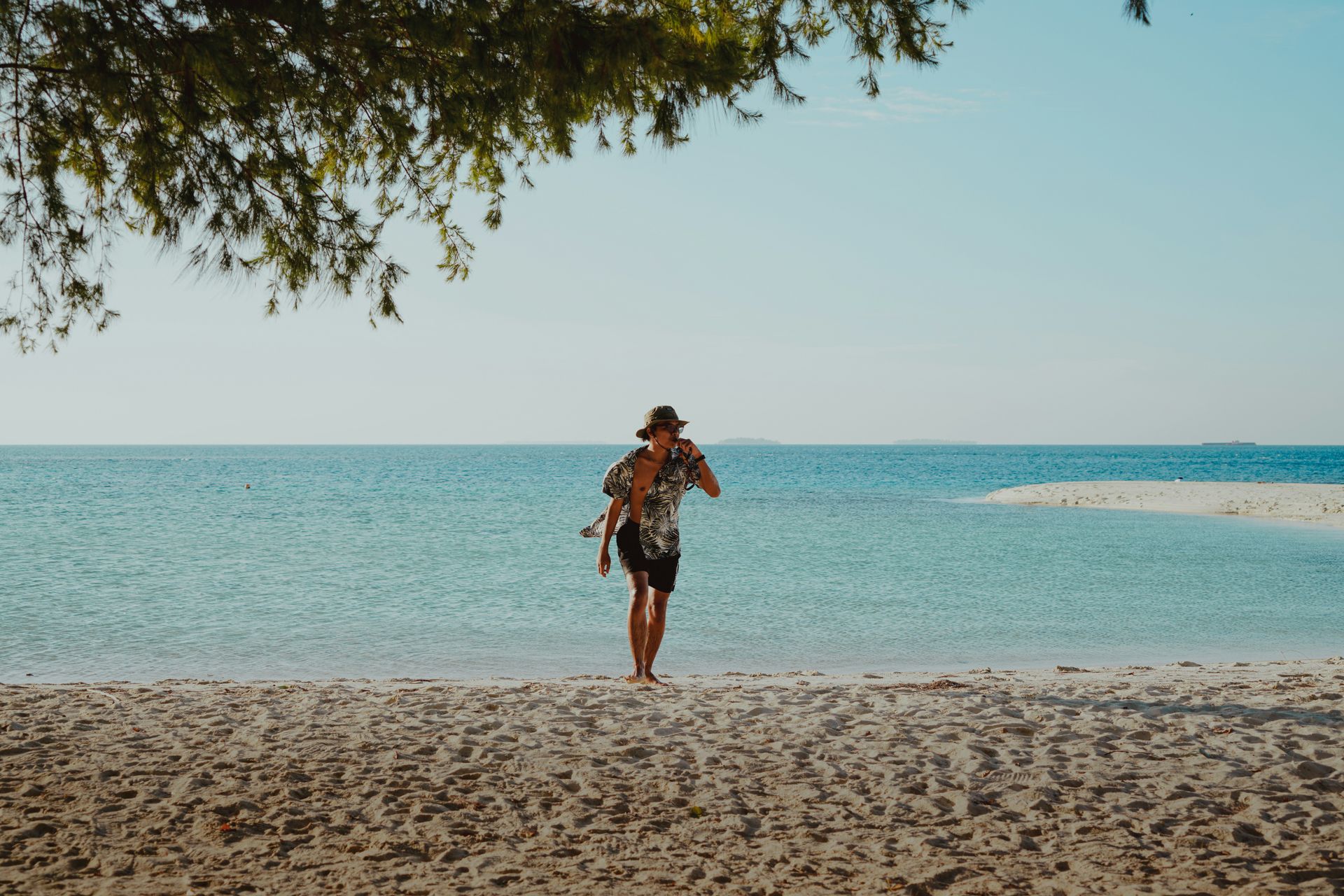
Photo by Nasik Lababan on Unsplash
The best solo vacations start with a purpose.
According to the report, travelers often choose solo trips for very different reasons. Some want adventure. Others are looking for self-reflection, personal growth, relaxation, or a chance to pursue a specific interest.
The answer shapes everything from destination choice to itinerary planning. A traveler seeking a mental reset may prefer a quiet countryside retreat, while someone focused on meeting new people may enjoy a city with a strong social travel scene.
Before choosing where to go, decide what success looks like when you return home.
Traveling alone does not always mean being alone.
According to the report, many solo travelers actively seek connection through hostels, group excursions, workshops, cruises, and community-based experiences. Others choose solo travel specifically because they want uninterrupted time to themselves.
The important thing is knowing which camp you fall into before you book. A highly social destination can feel exhausting if you're craving solitude. A remote retreat may feel isolating if you hoped to meet fellow travelers.
The right balance depends entirely on your personality and travel goals.
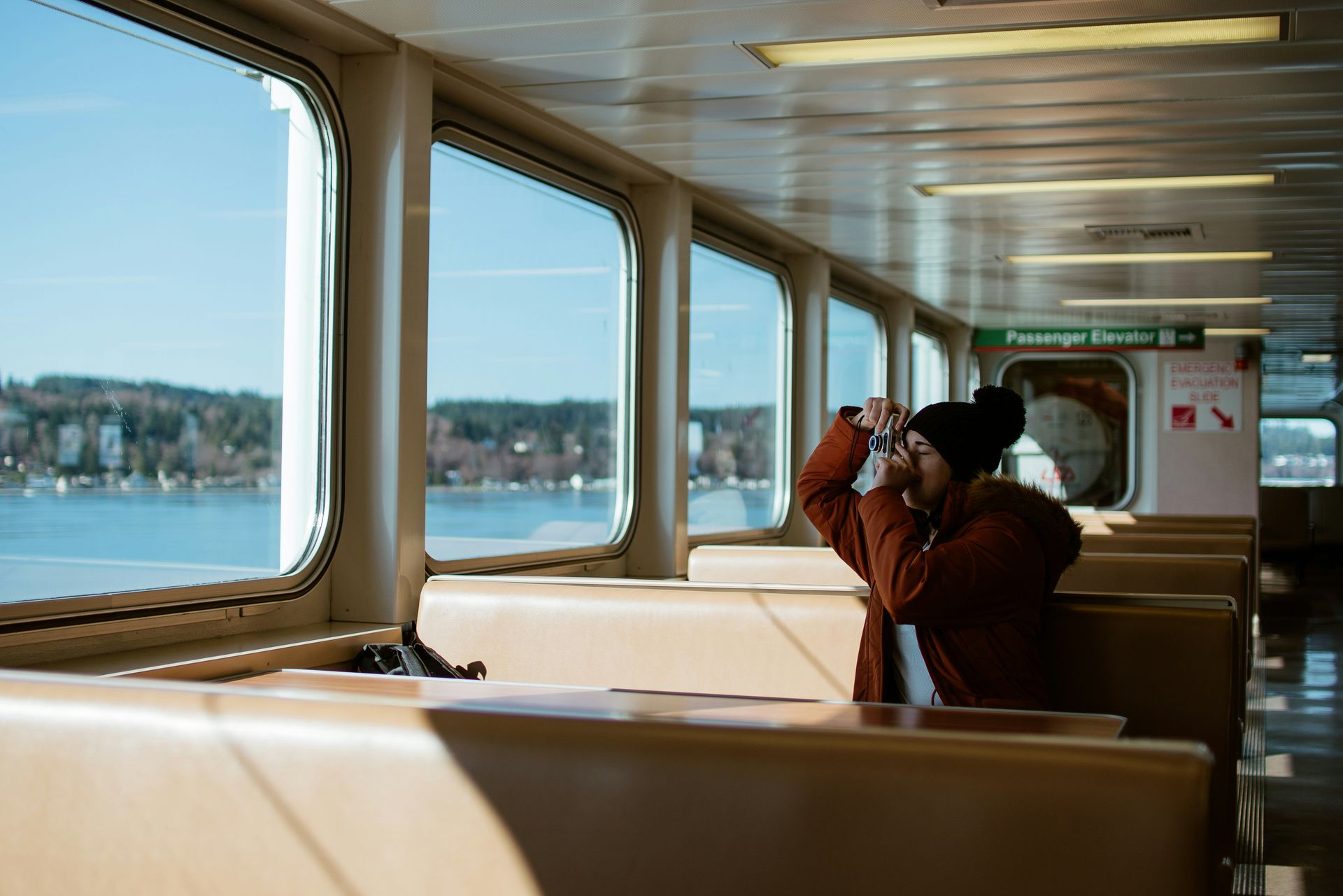
Photo by Christopher Ott on Unsplash
One of the biggest advantages of solo travel is that nobody gets a vote except you.
The Reader's Digest article opens with a traveler who built an entire Florida vacation around lifelong interests in mermaids, circuses, and carnival history. It's a highly tailored example, but that's exactly the point. Solo travel gives people permission to lean into niche passions without worrying whether anyone else will enjoy them.
Whether your interests involve food, history, wellness, art, hiking, genealogy, or learning a new skill, the most memorable solo trips are often the ones built around genuine curiosity.
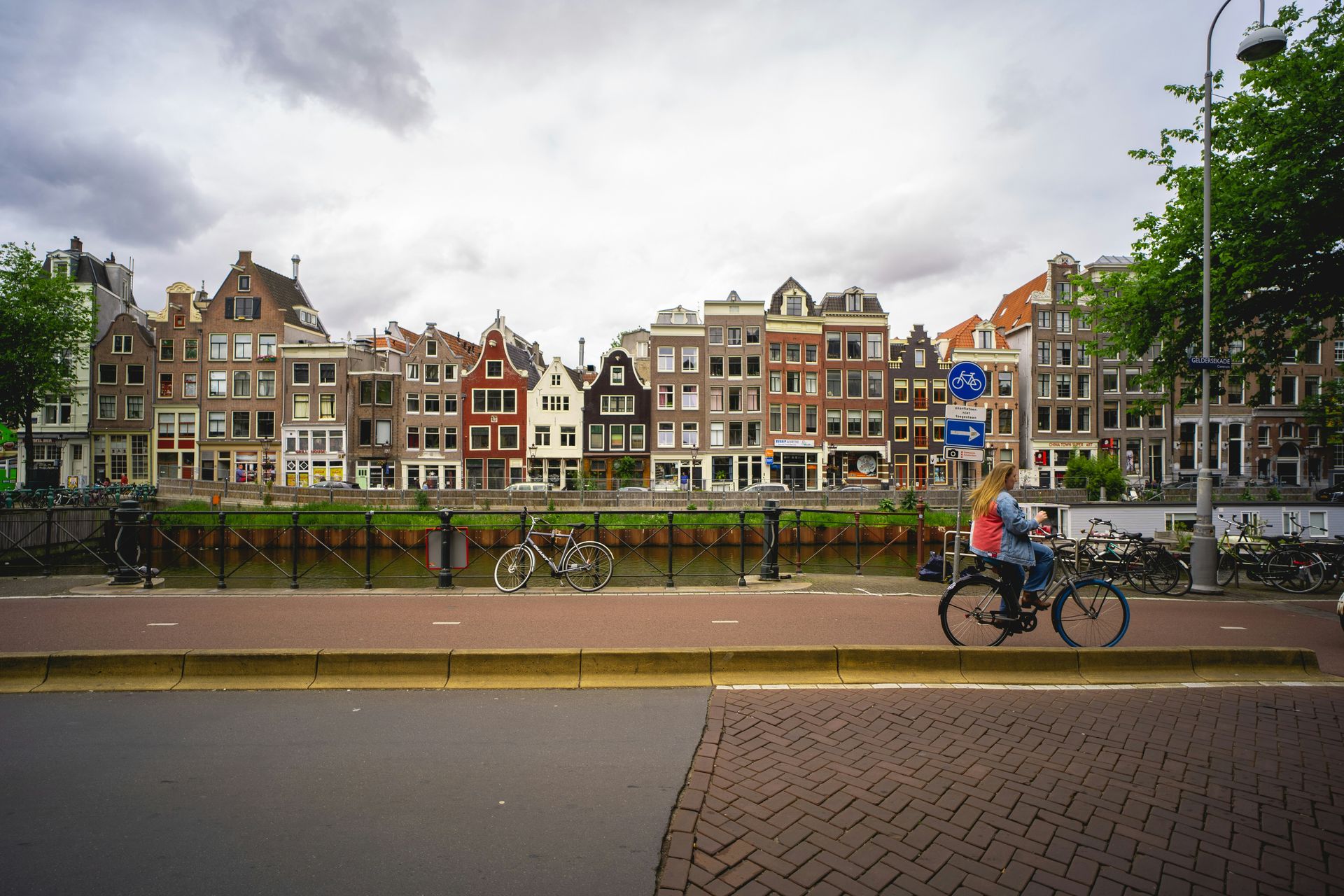
Photo by Eilis Garvey on Unsplash
A dream destination is not always the best first solo destination.
Reader's Digest notes that technology has made independent travel easier than ever, but factors such as language barriers, transportation systems, safety, and accessibility still matter. Travelers $TRV new to solo travel may feel more comfortable choosing destinations known for easy navigation and strong tourism infrastructure.
As confidence grows, more complex itineraries can become part of the adventure. The key is setting yourself up for success rather than creating unnecessary stress.

Photo by Georgi Kalaydzhiev on Unsplash
Freedom is one of solo travel's greatest luxuries.
Reader's Digest recommends building a loose framework rather than scheduling every moment. A few anchor activities each day provide structure, while open time creates opportunities for unexpected discoveries, conversations, and detours.
That flexibility is often what makes solo travel feel different from every other vacation. You can stay longer, leave earlier, change plans, or follow a recommendation from a stranger without negotiating with anyone else.
Sometimes the best part of traveling alone is having the freedom to change your mind.