Here’s what you might be doing wrong, and the simple adjustments that make cooking more predictable and less frustrating
Jason Briscoe / Unsplash
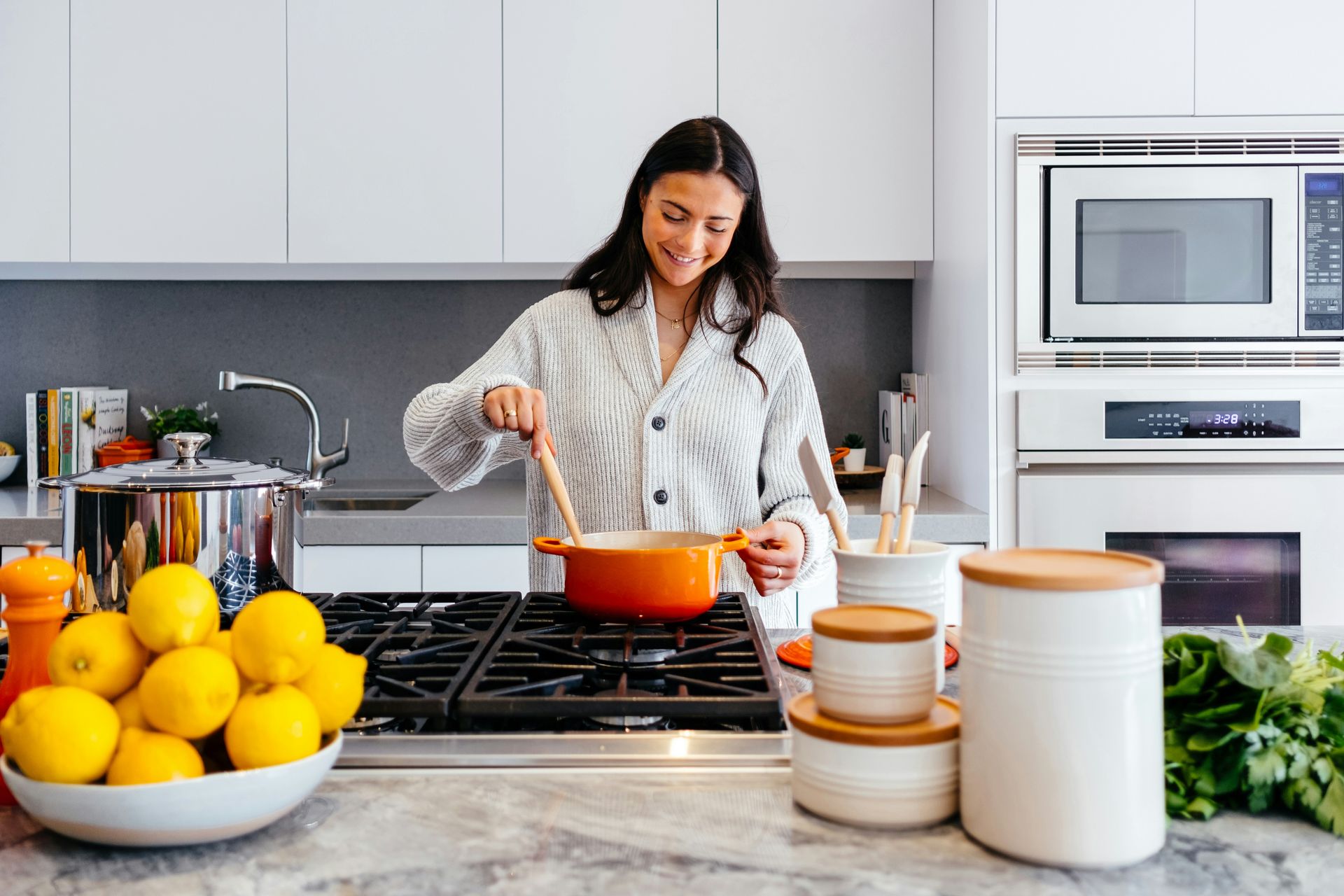
Cooking usually goes wrong in ways that feel small enough to ignore. A pan gets used before it is fully ready. Ingredients go in at the same time because it seems easier. A recipe gets skimmed instead of followed closely. None of it feels like a real issue in the moment, which is usually why it keeps happening.
Reader’s Digest’s guide to common kitchen mistakes suggests most problems come from habit rather than ability. People are not necessarily doing anything wildly incorrect. They are just working around timing, attention, and shortcuts that feel harmless until the final result is slightly off. Cooking tends to respond better to consistency than urgency, even though urgency is usually what shows up in a busy kitchen.
A lot of issues start before cooking really begins. Ingredients are still getting chopped while the pan is already heating up, which is usually where things start to feel slightly rushed. A tool turns out to be missing right when you need it, even though it was probably just used yesterday. Something in the fridge gets nudged to the back and slowly disappears from view until it becomes a surprise later. Nothing is technically going wrong, but the whole process starts to feel a bit more complicated than it should.
Professional cooks often treat cooking as something that unfolds in steps rather than all at once. Small adjustments can change results in ways that are not immediately obvious. A knife that feels more controlled can make prep less frustrating. A pan that has time to heat properly behaves more predictably. Tasting during cooking helps avoid discovering problems only at the end, when fixing them is harder and less pleasant.
Here are five kitchen mistakes you might be making, and what to do instead.
Or Hakim / Unsplash
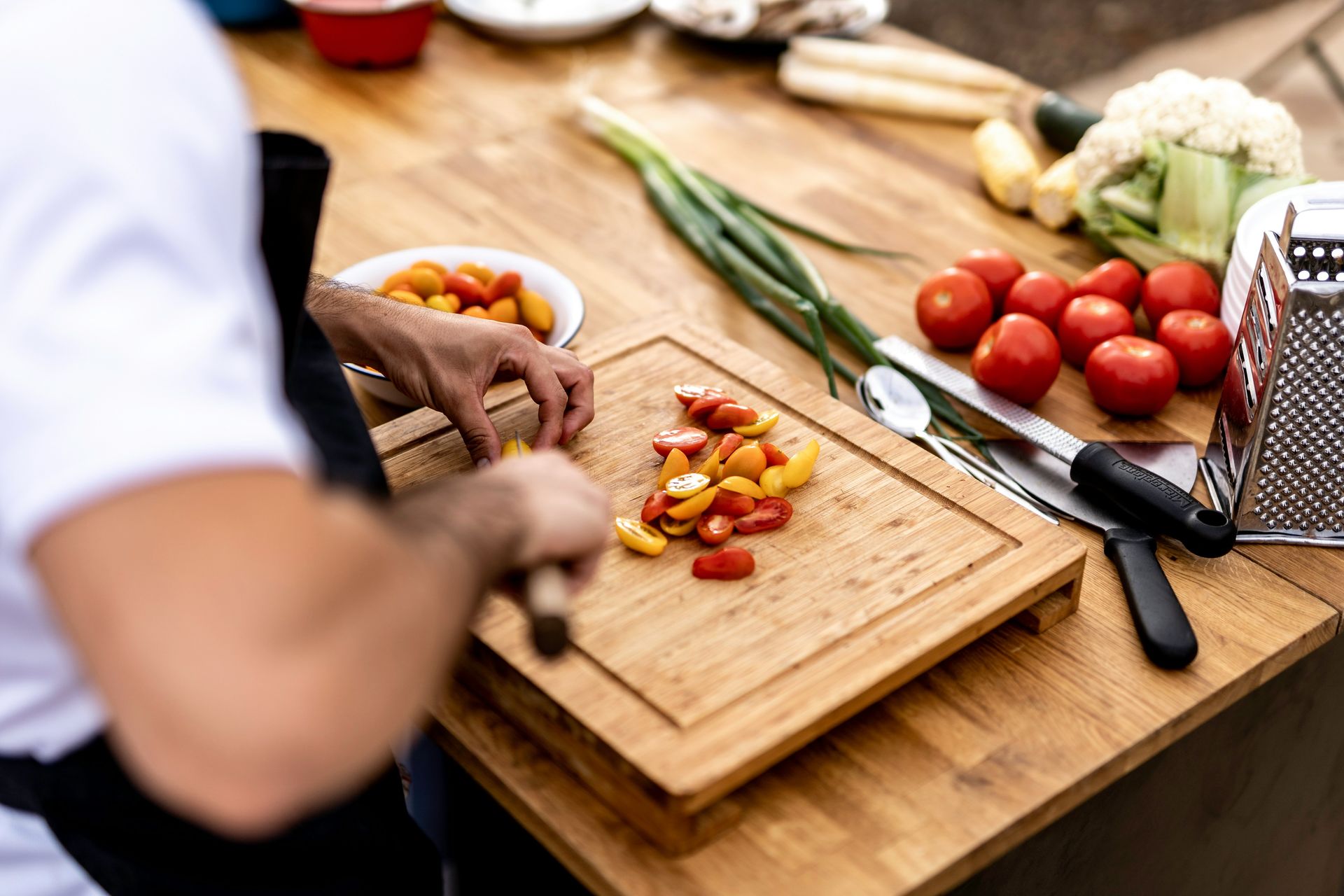
Most people grip a knife in a way that feels natural but is not especially stable. It gets wrapped entirely around the handle, which seems fine until the blade starts slipping slightly during more precise cuts. According to the guide, better control comes from gripping closer to the blade itself, which reduces wobble and improves accuracy.
This does not instantly turn anyone into a professional cook, but it tends to make chopping feel less chaotic. There is less overcorrection mid-cut. Ingredients end up more even, which affects how they cook later. It also reduces the sense that every slice is a small negotiation with the knife.
A dull knife complicates things further. It requires more pressure than expected and can shift suddenly when it finally gives. Sharper blades feel safer in practice because they behave more predictably, even if that sounds backwards at first.

Jason Briscoe / Unsplash
Cooking while still prepping ingredients often feels efficient, but it tends to slow everything down in practice. Something always needs chopping mid-step. A spice gets missed because it was not measured yet. Timing starts to drift in small ways that add up.
Reader’s Digest references the idea of mise en place, where everything is prepared before heat enters the equation. It is less about discipline and more about removing interruptions once cooking begins. When everything is ready ahead of time, the process feels more controlled, even if nothing else about the kitchen changes.
This also reduces the number of moments where attention splits between tasks that do not really want to share it, like stirring something while searching for garlic.
Becca Tapert / Unsplash
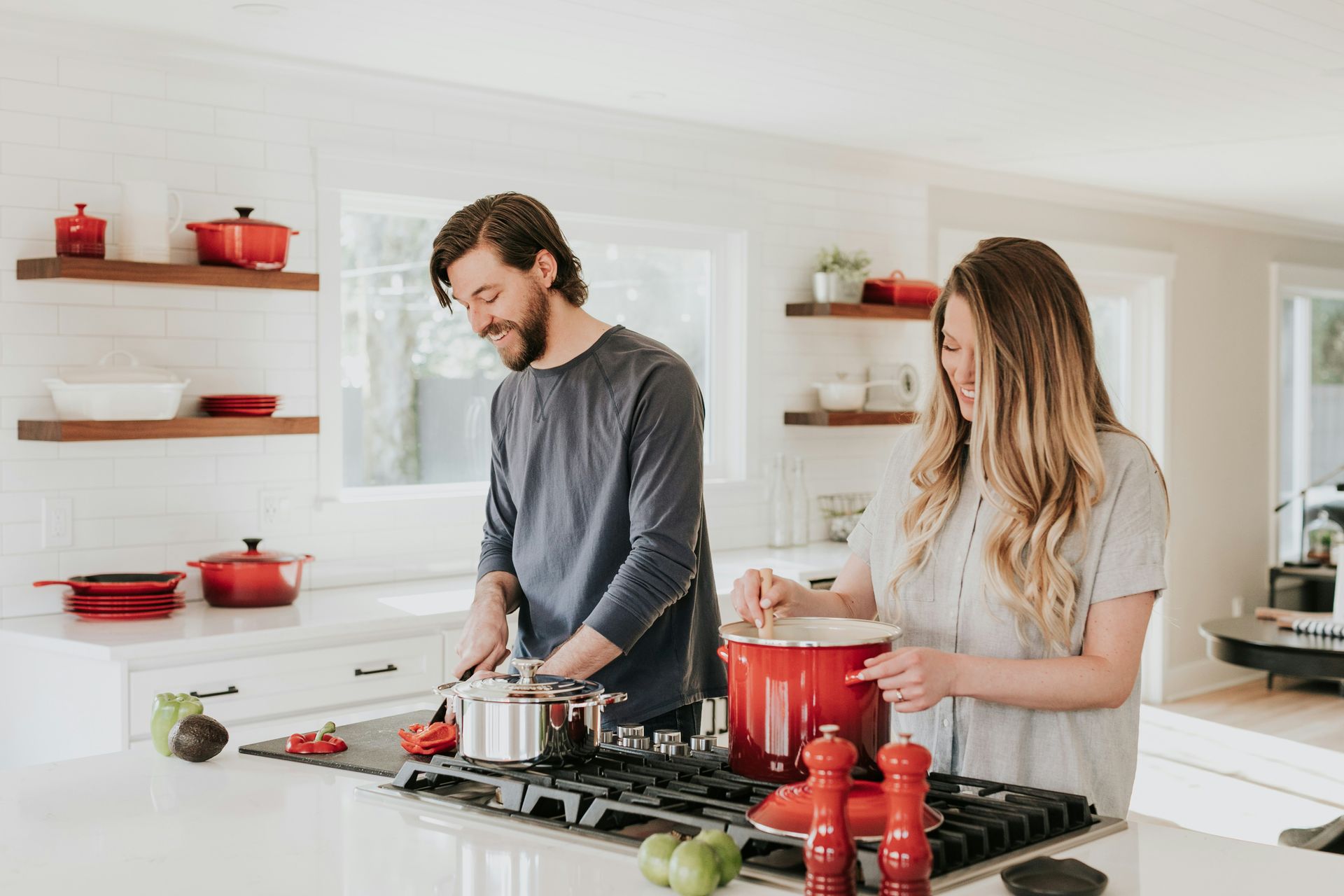
It often looks reasonable to fit everything into a single pan. It saves time and reduces cleanup, at least in theory. In practice, it changes how food cooks. Moisture gets trapped, and instead of browning, ingredients tend to soften.
According to the guide, the method of spacing allows heat to actually reach the surface of each piece of food. When everything touches too closely, the pan behaves more like a steamer than a searing surface.
Cooking in batches usually solves the problem, although it feels slightly inefficient at first. The payoff is food that behaves more predictably and finishes with better texture.

Vitaly Gariev / Unsplash
Cross-contamination rarely looks dramatic while it is happening. It is usually just a cutting board being reused or hands moving between raw ingredients and other surfaces without much thought.
Reader’s Digest highlights guidance from food safety experts who recommend separating raw meats from ready-to-eat foods whenever possible. The issue is less about strict separation in every moment and more about avoiding accidental transfer through routine habits.
Handwashing comes up often in expert advice, not because people never do it, but because it needs to happen more often than most assume during cooking.
Apartment Life / Unsplash
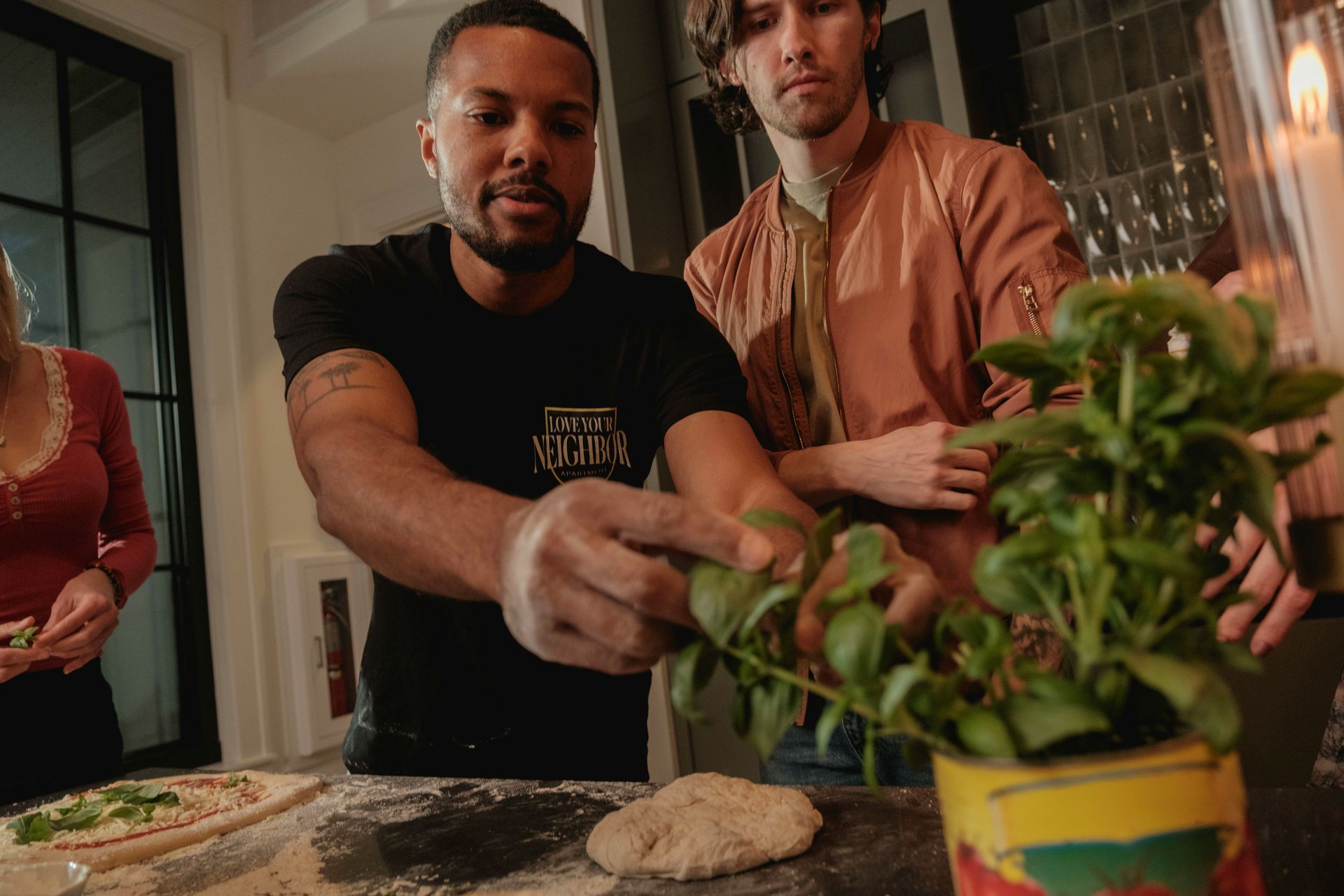
Waiting until the end to season food tends to create uneven flavor. Some parts end up well-seasoned while others stay bland. It can be fixed, but usually only after a bit of guesswork.
Reader’s Digest emphasizes layering seasoning as food cooks rather than applying it all at once. It allows flavor to develop gradually instead of being forced in at the finish.
This approach also makes it easier to adjust along the way, which reduces the need for last-minute corrections that rarely feel elegant.
