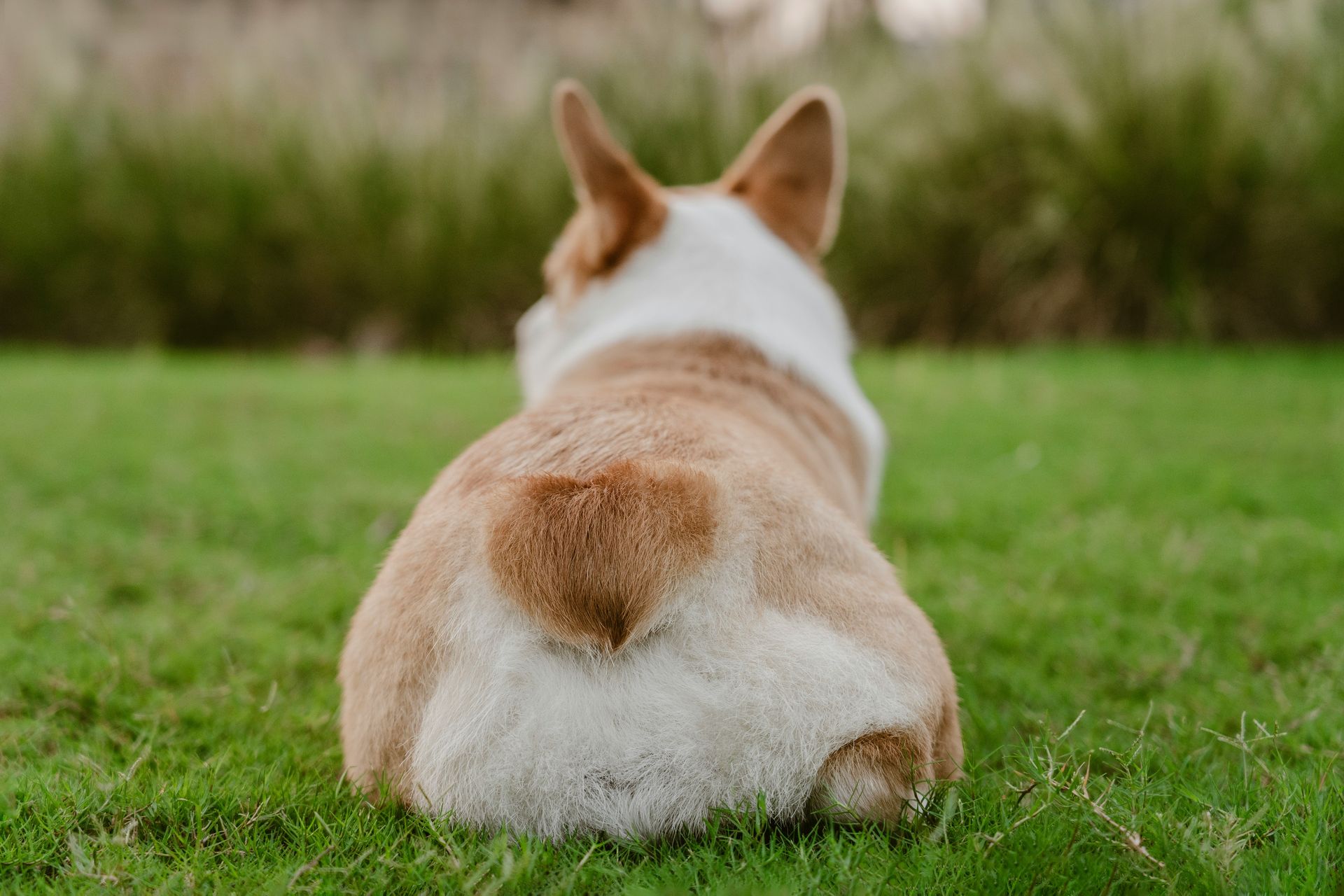
These expert-backed behaviors, from following your routine to sleeping nearby, reveal just how strong your bond really is
Milli / Unsplash
Building trust with a dog doesn't happen overnight. It develops through daily routines, positive interactions and learning to understand each other's behaviors over time. While every dog has a unique personality, experts say there are several common signs that show when a pup feels safe, secure and genuinely connected to its favorite human.
Trust is especially important because dogs experience the world differently than people do. Rather than relying primarily on words, they pay close attention to body language, routines, tone of voice and consistency. When they know what to expect from you and feel confident you'll meet their needs, they become more relaxed and willing to form deeper bonds. That trust influences everything from how they respond in unfamiliar situations to where they choose to sleep each night.
According to Reader's Digest, many of the behaviors owners see every day are actually meaningful signs of trust. Scientific research also supports several of these observations, including studies on oxytocin, canine body language and the way dogs use humans as a secure base when exploring new environments.
Some of these signals are obvious, like choosing to sleep nearby, while others are much more subtle, such as the direction of a tail wag or how your dog responds when you're feeling stressed. Learning to recognize these behaviors can help you better understand your relationship and strengthen it even further.
Here are eight expert-backed signs your dog truly trusts you.
-1920x1336.jpg)
Photo by Andriyko Podilnyk on Unsplash
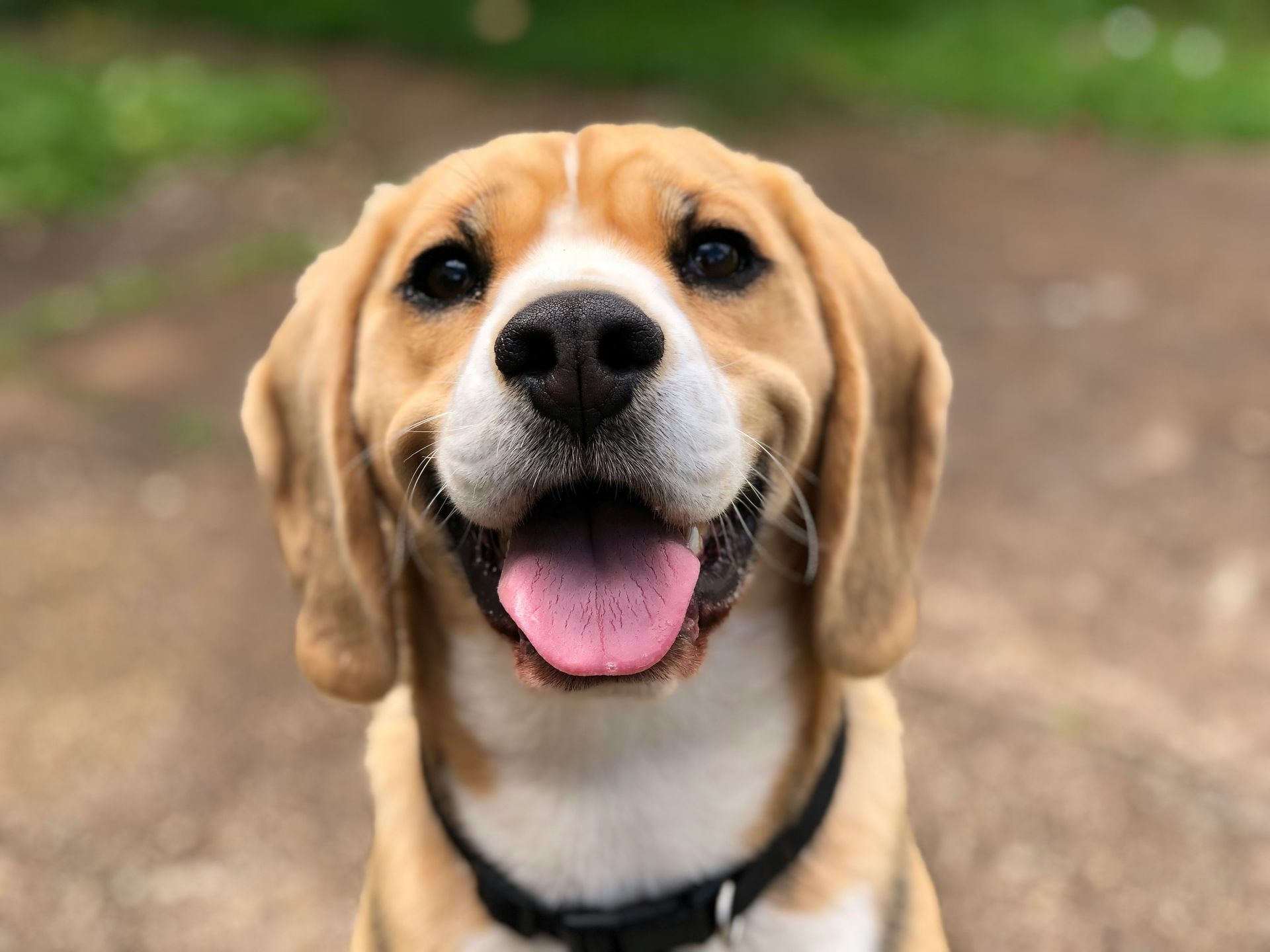
According to Reader's Digest, one of the strongest signs of trust is when your dog confidently anticipates your daily schedule. Dogs thrive on consistency, and routines help them feel secure because they know what comes next. If breakfast always arrives at the same time each morning or your evening walk begins shortly after you get home from work, your dog quickly learns those patterns and begins to rely on them.
That anticipation isn't simply excitement. It's a reflection of confidence that you'll follow through. A dog waiting patiently by the door before walk time or sitting near its food bowl before dinner is demonstrating that it trusts you to meet its needs. Predictable routines reduce anxiety and help dogs navigate their environment without unnecessary stress.
These routines also become opportunities for positive interactions. Regular feeding, walks, playtime and quiet moments together reinforce that you're dependable, which strengthens your bond over time. Dogs don't need grand gestures to build trust; they need consistency. By showing up every day in the same caring ways, you teach your pet that you're someone they can count on, making routine one of the clearest foundations of a trusting relationship.
-1920x1281.jpg)
Photo by James Barker on Unsplash
According to Reader's Digest, researchers at the University of Japan found that mutual eye contact between dogs and their owners increased oxytocin levels in both species. Often called the "love hormone," oxytocin plays an important role in bonding between parents and children and appears to strengthen relationships between people and their dogs as well.
When your dog calmly looks into your eyes, it may be expressing affection and trust rather than simply waiting for a treat. That shared gaze can reinforce your emotional connection, particularly when paired with relaxed body language such as loose muscles, soft ears and a gently wagging tail.
The article notes that eye contact shouldn't be viewed in isolation because every dog communicates differently. Some dogs naturally make frequent eye contact, while others show trust through different behaviors. Context matters, and owners should consider the dog's overall posture and surroundings before interpreting prolonged staring.
Still, when your dog comfortably seeks your gaze during relaxed moments, it's often a meaningful sign that they feel safe in your presence and enjoy interacting with you.
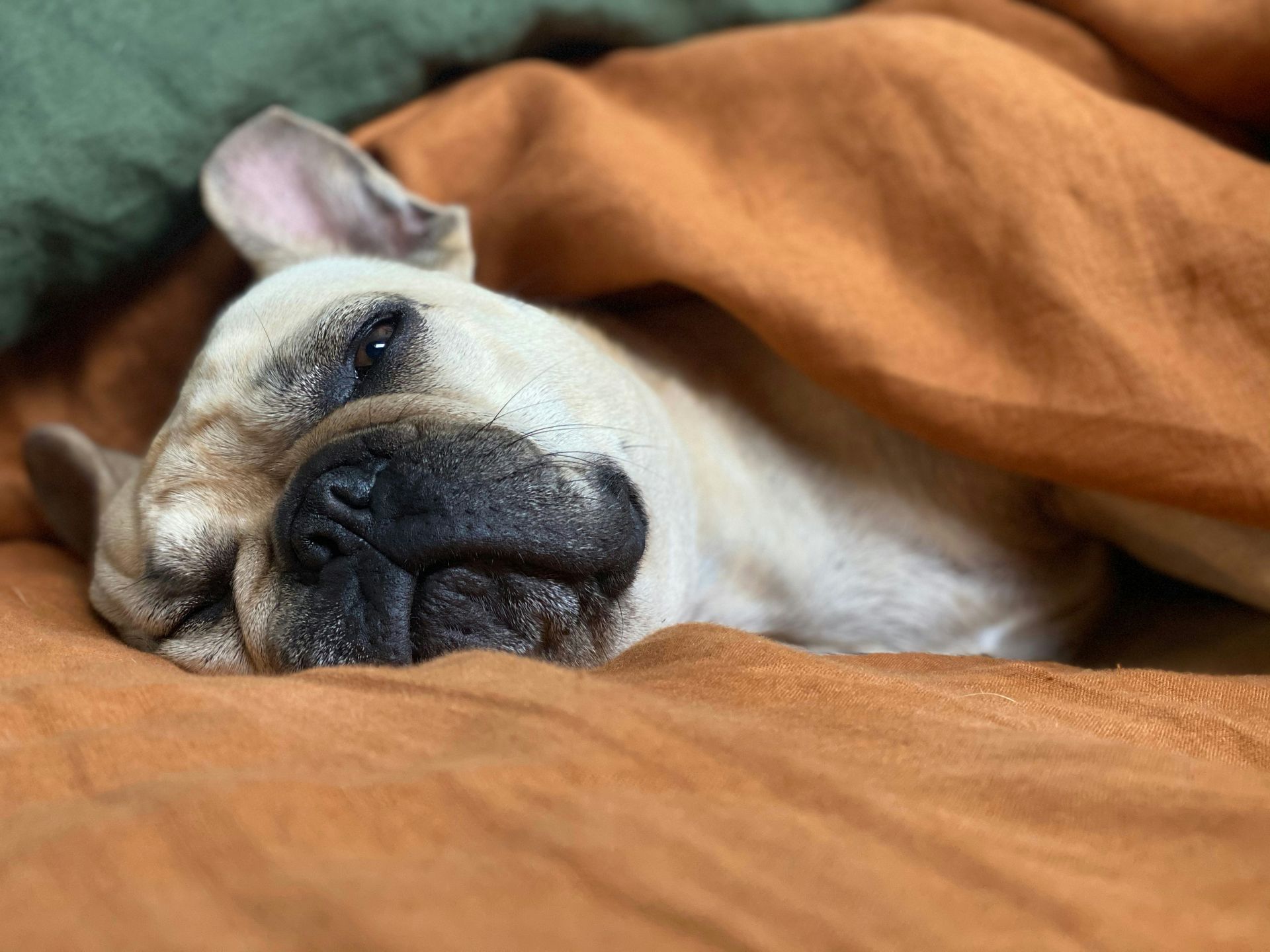
Photo by Graham Holtshausen on Unsplash
According to Reader's Digest, dogs naturally choose to sleep where they feel safest. If your dog consistently sleeps in your bedroom, beside your bed or even at your feet, it's often a strong indication that they trust you and feel comfortable in your presence.
Dogs are at their most vulnerable while sleeping. Choosing to rest near someone signals confidence that they won't be threatened or disturbed. Whether your dog curls up on your bed, claims a favorite blanket nearby or simply settles on the bedroom floor, the location reflects emotional security more than convenience.
Some dogs may prefer sleeping independently while still choosing the same room. Others enjoy sharing the bed with their owners. Neither choice is inherently better; the important point is that your dog voluntarily seeks proximity while resting.
Of course, every household has different sleeping arrangements, and allowing dogs on the bed is a personal decision. Regardless of where they sleep, a dog that repeatedly chooses to be close during periods of rest is demonstrating a level of trust that has been built through positive experiences and daily companionship.
-1920x1371.jpg)
Photo by Wade Austin Ellis on Unsplash
According to Reader's Digest, research suggests dogs pay close attention to human emotions, and consistently negative interactions can weaken trust. The article highlights one study that found dogs less likely to follow human guidance when people displayed angry facial expressions and harsh vocal tones. Separate research has also shown that dogs can detect the scent of human stress.
This emotional awareness means your dog isn't simply reacting to commands—it is also responding to your overall demeanor. Calm, encouraging interactions help reinforce trust, while frequent yelling or visible frustration may cause hesitation or uncertainty.
That doesn't mean owners can never become frustrated. Every dog owner has challenging moments. The key is maintaining a relationship built primarily on patience, consistency and positive reinforcement rather than fear or punishment.
When your dog remains relaxed around you, even during unfamiliar situations, it's often because you've created an environment where they feel emotionally secure and know what to expect.
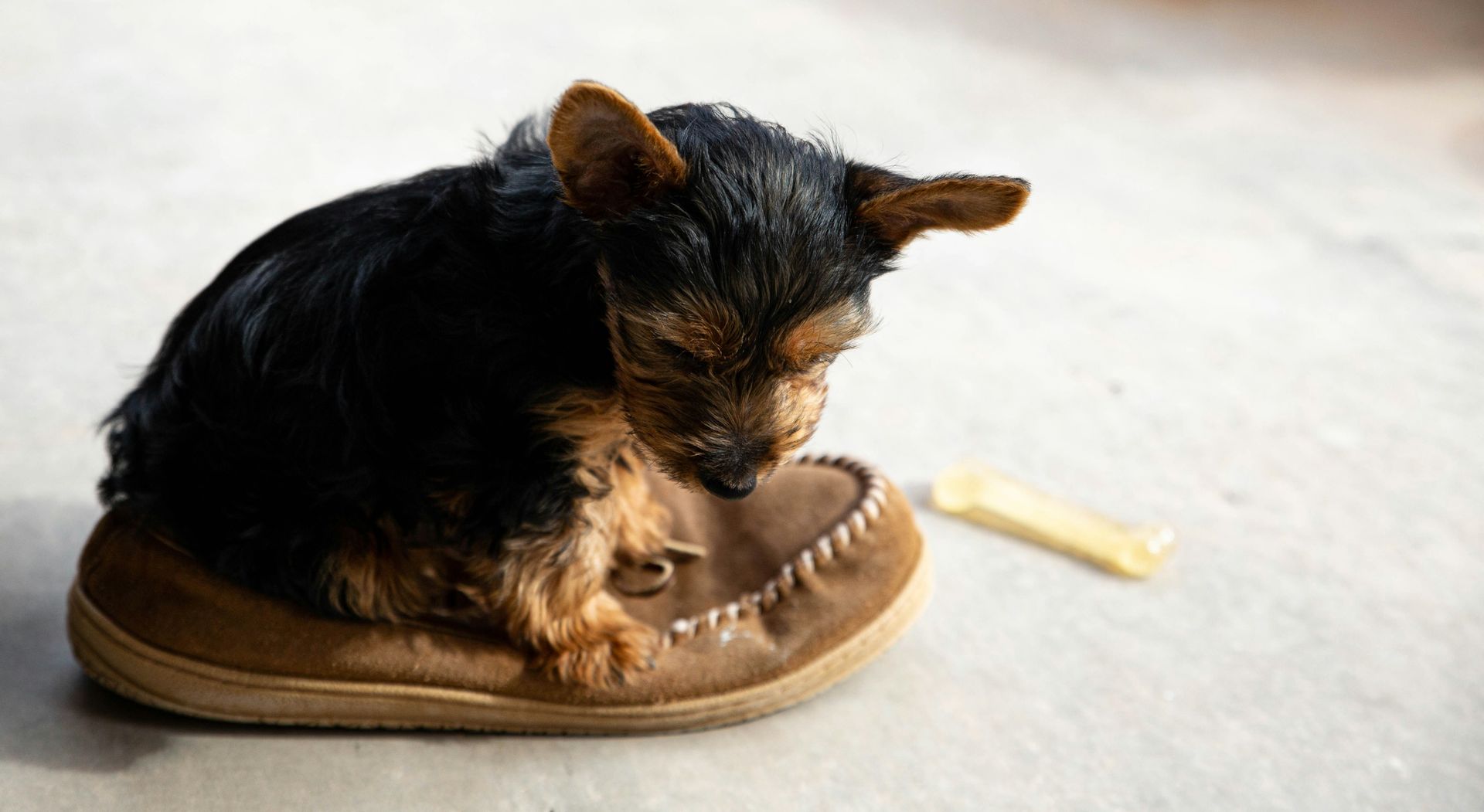
Photo by Tammy Gann on Unsplash
According to Reader's Digest, grabbing your shoes, socks or favorite sweatshirt may be less about mischief than comfort. Because these items carry your scent, some dogs seek them out when you're away as a way of feeling connected to you.
While attention-seeking can certainly play a role, scent is incredibly important to dogs. Familiar smells provide reassurance, especially during periods of separation. Carrying or cuddling one of your belongings may help reduce anxiety and make your absence feel less stressful.
Of course, this doesn't mean destructive chewing should be encouraged. Providing appropriate toys and training remains important. But if your dog frequently carries your belongings without damaging them, it may simply be seeking the comfort that comes from your familiar scent.
It's another reminder that dogs often express affection and trust through behaviors that may seem unusual to humans.
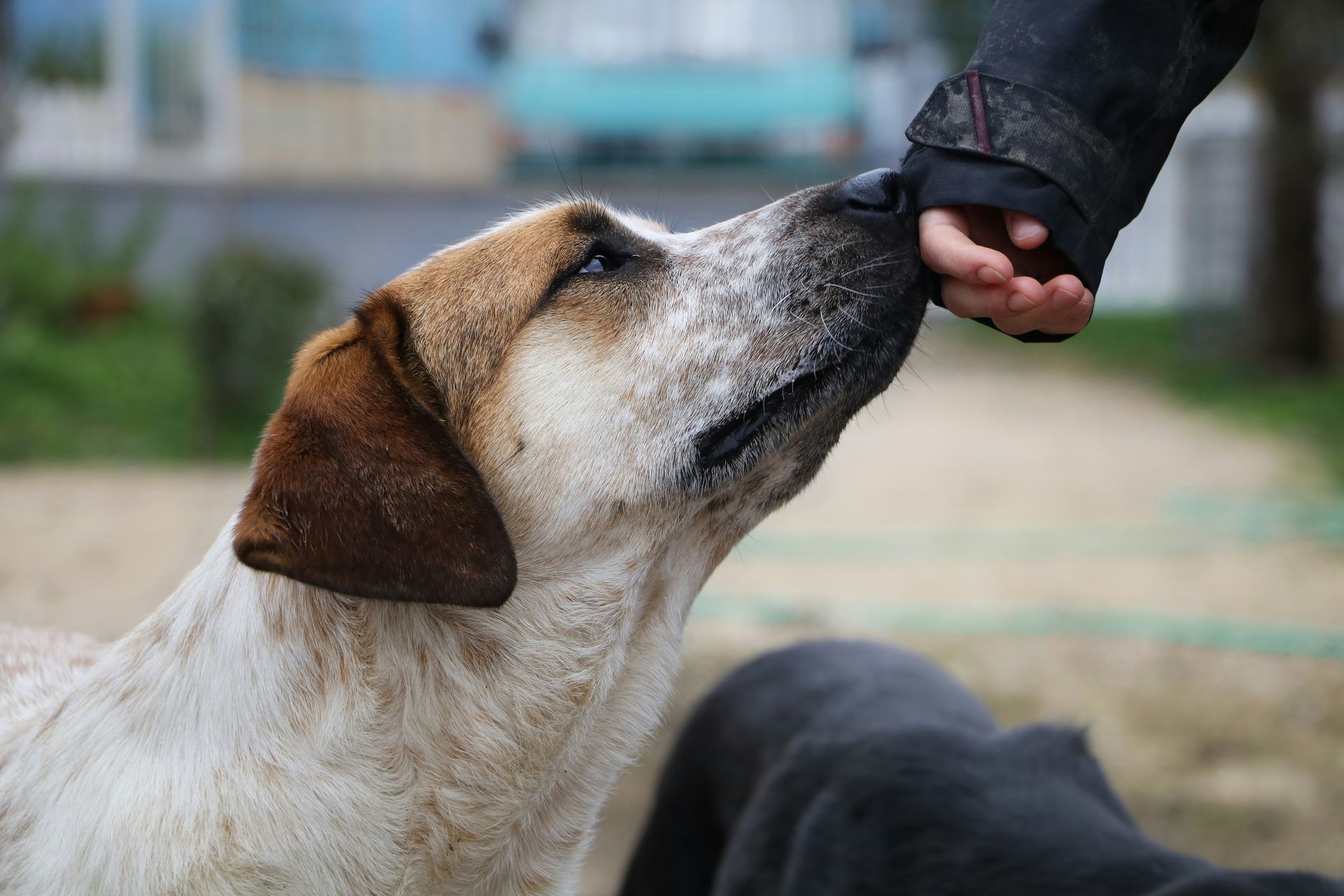
Photo by Simon Moog on Unsplash
According to Reader's Digest, trust grows when owners learn to recognize what their dogs are communicating. Rather than assuming every dog wants constant affection, paying attention to body language allows you to respect your dog's comfort level.
Lockhart recommends practicing "consent petting." After briefly petting your dog, pause and observe their response. If they lean into your hand or nudge you for more attention, they're likely enjoying the interaction. If they turn away, yawn repeatedly or lick their lips, they may be signaling that they'd prefer a break.
Respecting those signals helps dogs feel heard rather than pressured. Over time, consistently responding to their communication teaches them that they can rely on you to understand their needs.
Just as trust between people depends on listening, trust between dogs and owners strengthens when communication goes both ways.
According to Reader's Digest, not every tail wag means the same thing. The article notes that research found dogs tend to wag their tails more toward the right side when experiencing positive emotions and toward the left when reacting to negative situations.
While owners probably won't analyze every wag in real time, the study highlights that tail movement can reveal subtle emotional differences. Combined with relaxed posture, soft facial expressions and an eager greeting, a right-biased wag may indicate genuine happiness at seeing you.
Body language should always be interpreted as a whole rather than focusing on one signal alone. Still, researchers continue to find that dogs communicate far more information through posture and movement than many owners realize.
A joyful greeting complete with relaxed body language and an enthusiastic tail wag remains one of the clearest signs that your dog feels comfortable and secure with you.
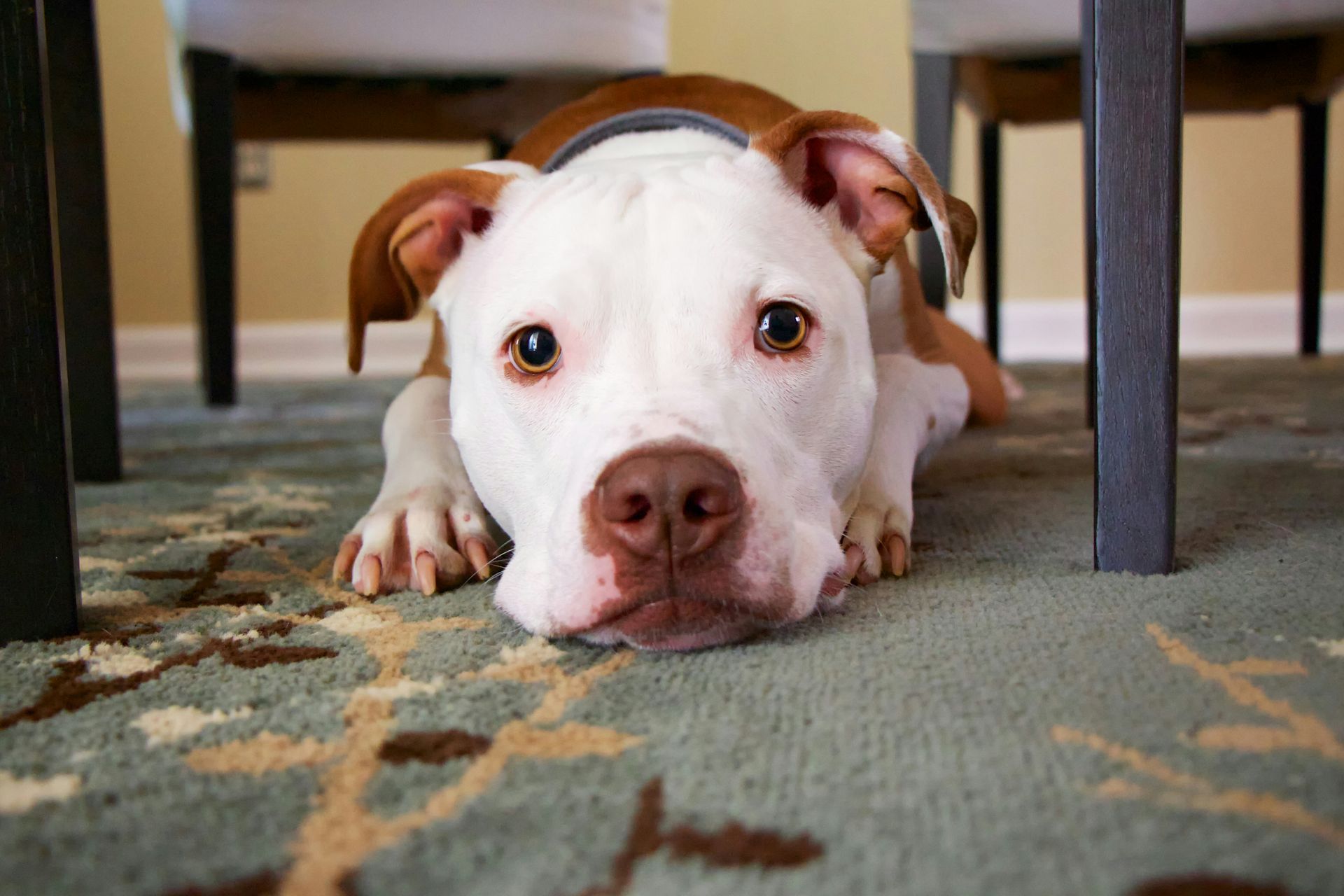
Photo by Mike Burke on Unsplash
According to Reader's Digest, one study found that dogs with strong bonds to their owners often use them as a "secure base," much like young children rely on parents when exploring unfamiliar environments.
Rather than facing uncertainty alone, these dogs regularly check back with their owners before investigating something new. They may glance at you during a walk, stay close in unfamiliar places or become more confident once they know you're nearby.
Reader’s Digest highlights that, while this behavior isn't exclusively a sign of trust, it clearly demonstrates familiarity and emotional comfort. Your presence helps your dog feel confident enough to explore situations they might otherwise avoid.
That balance between independence and reassurance is one of the strongest indicators of a healthy relationship. A dog that knows you're there when needed is showing not only affection but confidence that you'll provide safety, guidance and support whenever it matters.