Discover the top summer stargazing events in 2026 worth watching across the U.S. night sky, from meteor showers to a partial lunar eclipse
Ryan Hutton / Unsplash
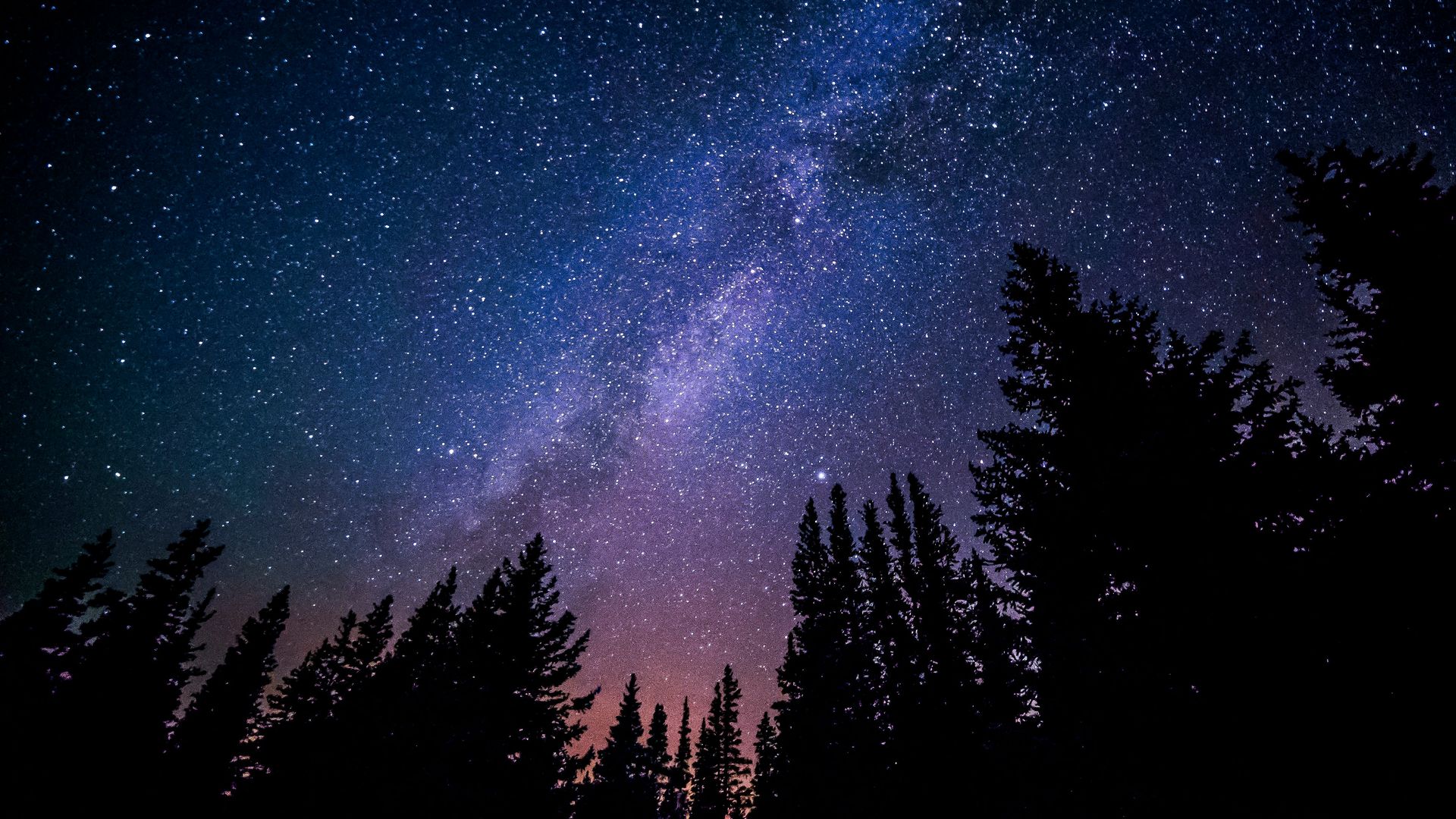
Summer has a way of pulling people outside and keeping them there a little longer than planned. Nights feel slower, warmer, and more open, which makes it the perfect season to notice what is happening above you instead of just around you.
In 2026, the night sky puts on a steady run of highlights. Planets gather in close groupings, meteor showers cut across dark skies, and the Milky Way becomes visible in ways that are easy to miss during the rest of the year. A partial lunar eclipse closes out the season with a darker, more dramatic moment.
Many of these events do not require much to enjoy. A clear sky, a bit of patience, and a place away from bright city lights go a long way. Some events can be seen from a backyard. Others reward a short drive into darker, quieter spaces.
Reader’s Digest highlighted several of the most notable stargazing events of the summer, based on astronomical forecasts and expert input. Together, they offer a simple reminder that some of the best seasonal experiences do not cost anything at all.
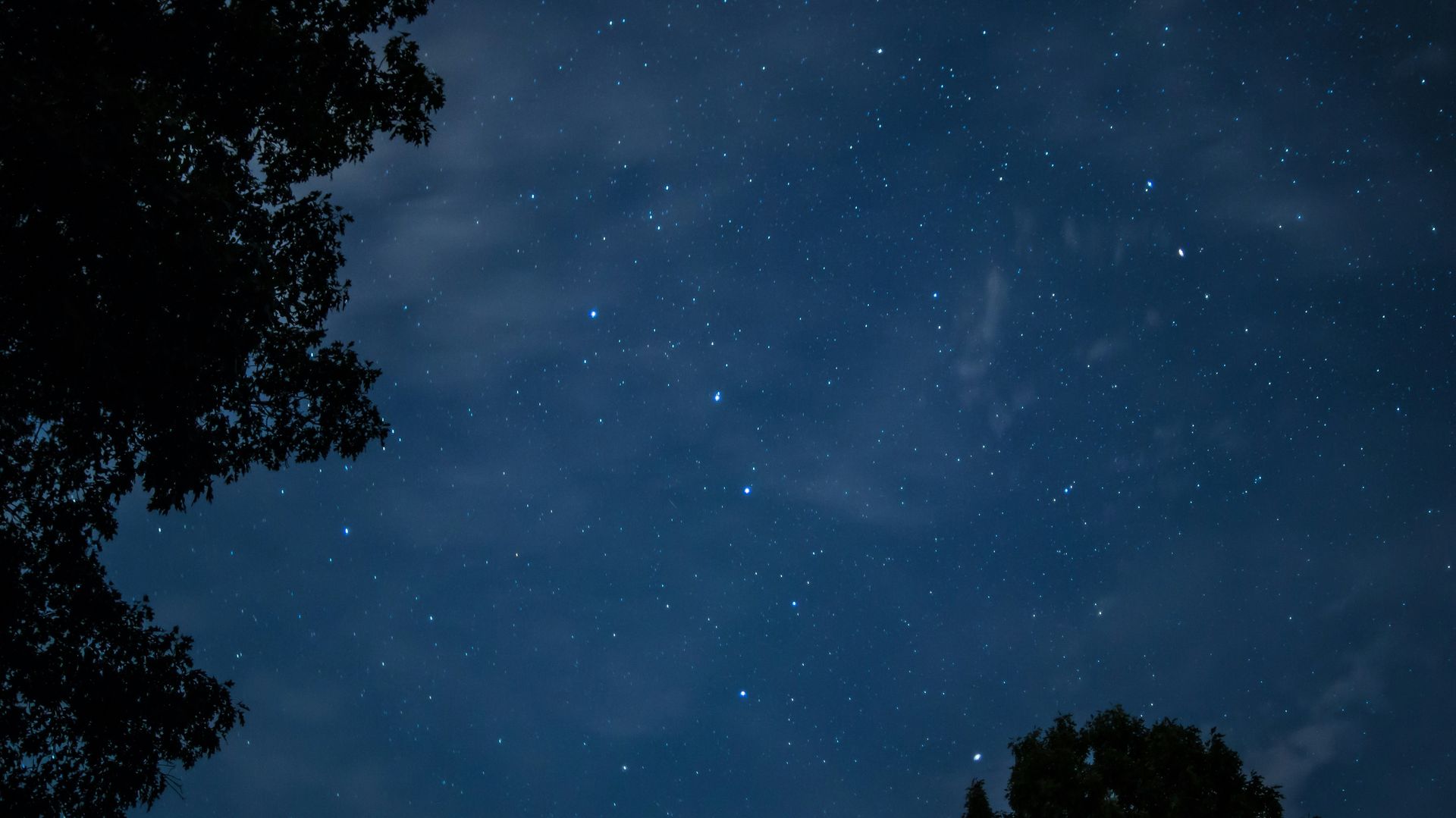
Photo by Isaac Mehegan on Unsplash
Early June brings a rare planetary grouping in the western sky just after sunset. Venus and Jupiter appear especially close, with Mercury nearby, creating one of the most noticeable sky events of the season.
Reader’s Digest notes that June 8 and 9 offer the best chance to see Venus and Jupiter nearly side by side. Venus is extremely bright, Jupiter follows close behind, and Mercury appears lower and dimmer but still visible under clear conditions.
The event is easy to catch with the naked eye. No telescope is needed. Looking toward the western horizon shortly after sunset is enough. As the days continue, a crescent moon briefly joins the lineup, adding to the visual effect.
It is visible across the U.S., though darker, higher locations tend to give the clearest view. Even from suburban areas, the brightness of Venus and Jupiter makes the pairing hard to miss once you know where to look.
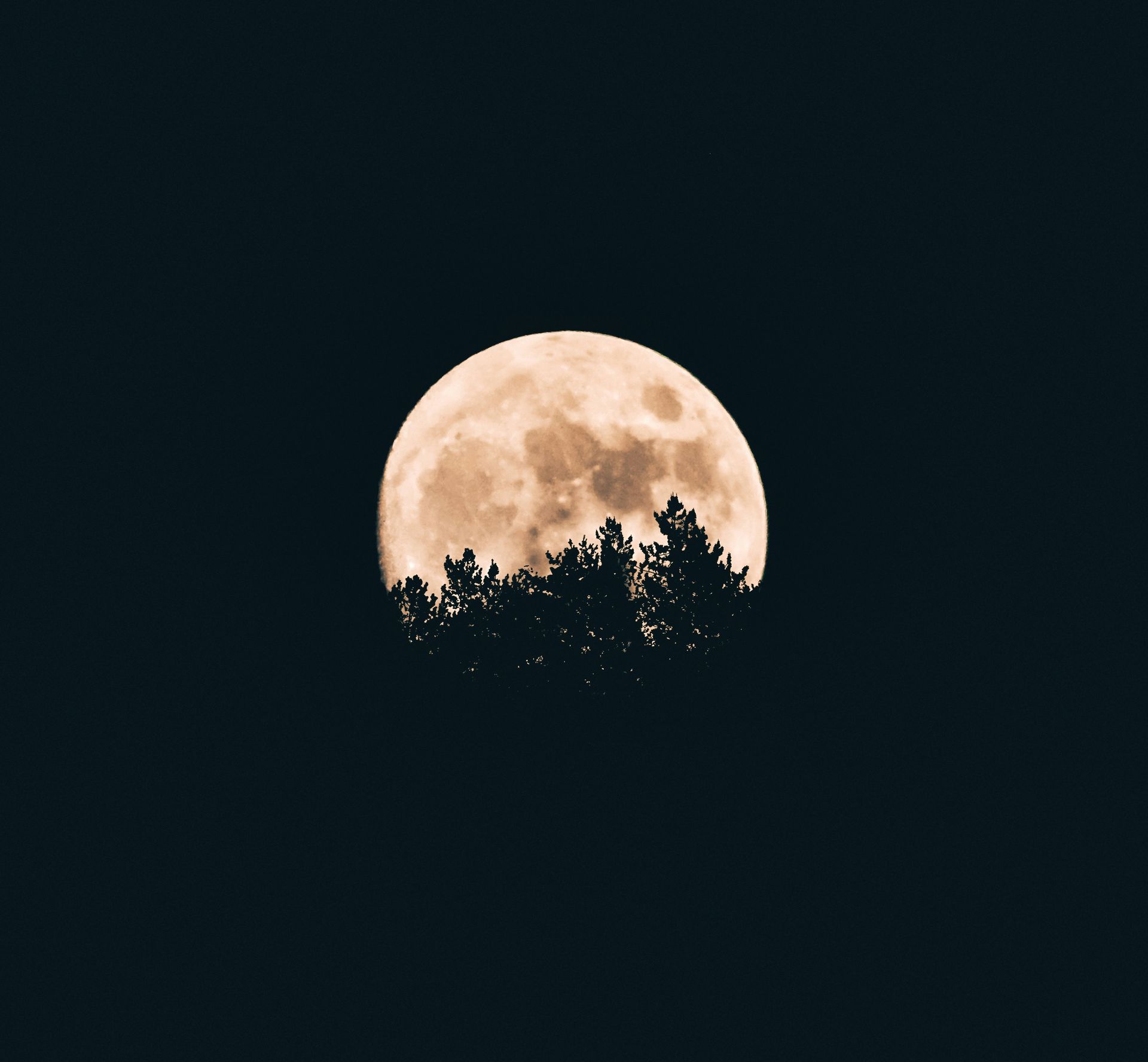
Photo by Aron Visuals on Unsplash
Late June brings a full moon known as the Strawberry Moon, rising low on the horizon and often appearing larger than usual. The name comes from seasonal harvest traditions rather than its color, though it can take on warm tones as it rises.
According to Reader’s Digest, the Strawberry Moon peaks on June 29 and is best seen at moonrise. Looking toward the southeastern horizon at sunset gives the best chance to catch it as it climbs into the sky.
Its low path across the sky makes it especially striking against natural landscapes. Hills, buildings, and tree lines often frame the moon in ways that make it feel unusually close.
The effect does not require special equipment. It is one of the simplest skywatching moments of the summer, and one of the most photogenic if you happen to be in the right place at the right time.
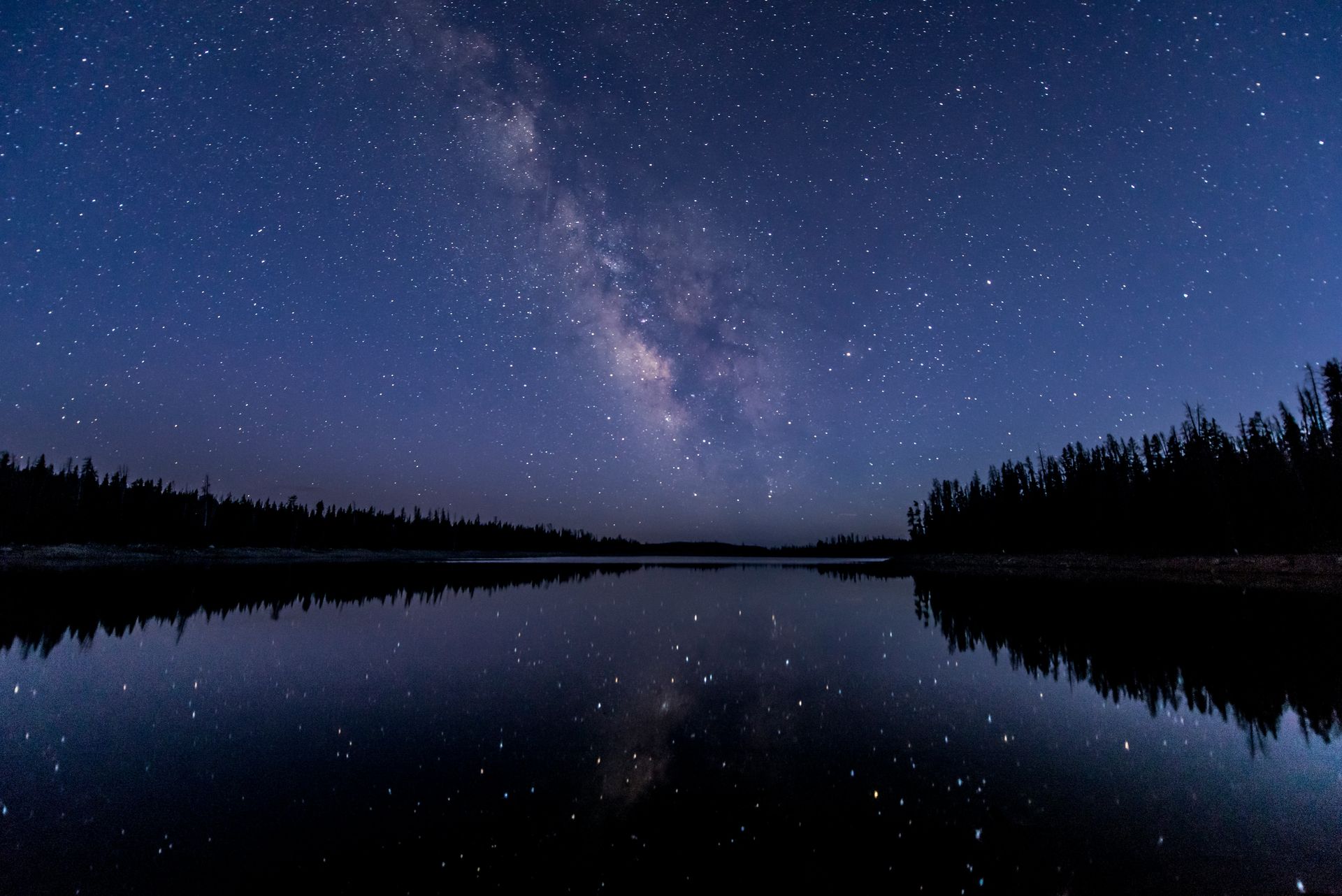
Photo by Jackson Hendry on Unsplash
Summer is one of the best times of year to see the Milky Way in the Northern Hemisphere. As nights grow warmer and skies stay clearer, the galaxy’s bright core becomes visible under dark conditions.
Reader’s Digest explains that the Milky Way is visible year-round, but summer offers the clearest view of its dense central band. From late June through August, it appears to arc across the southern sky after midnight.
The key factor is darkness. Light pollution hides the Milky Way for many people, but heading away from city lights and allowing time for your eyes to adjust can reveal a dense field of stars stretching overhead.
In places like southern Arizona, conditions are especially favorable, but much of the U.S. can still catch a glimpse from rural or remote areas. The experience does not require equipment, only patience and a dark enough sky.
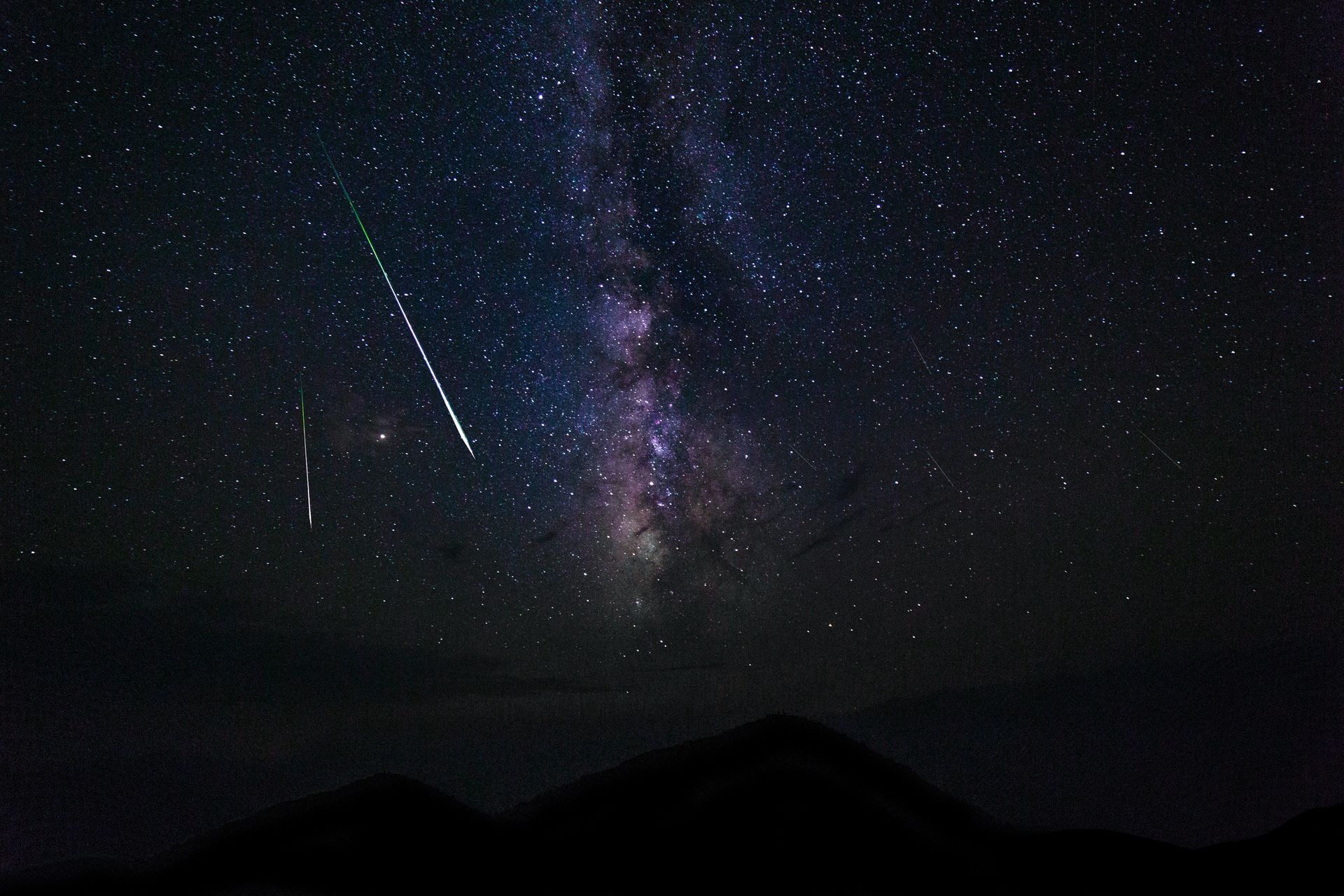
Photo by Austin Human on Unsplash
Late July brings the Delta Aquariid meteor shower, a quieter but steady display of shooting stars. It peaks around July 28 to 30 and can produce dozens of meteors per hour under ideal conditions.
Reader’s Digest notes that this shower is best viewed in the Southern U.S., where the radiant sits higher in the sky. Locations with minimal light pollution make a big difference, especially since moonlight can reduce visibility.
The meteors are not always dramatic, but they are consistent. The longer you stay outside, the more likely you are to catch multiple streaks across the sky.
No special tools are required. A dark, open view of the sky is enough. It is a slower-paced event that rewards simply staying outside and paying attention.
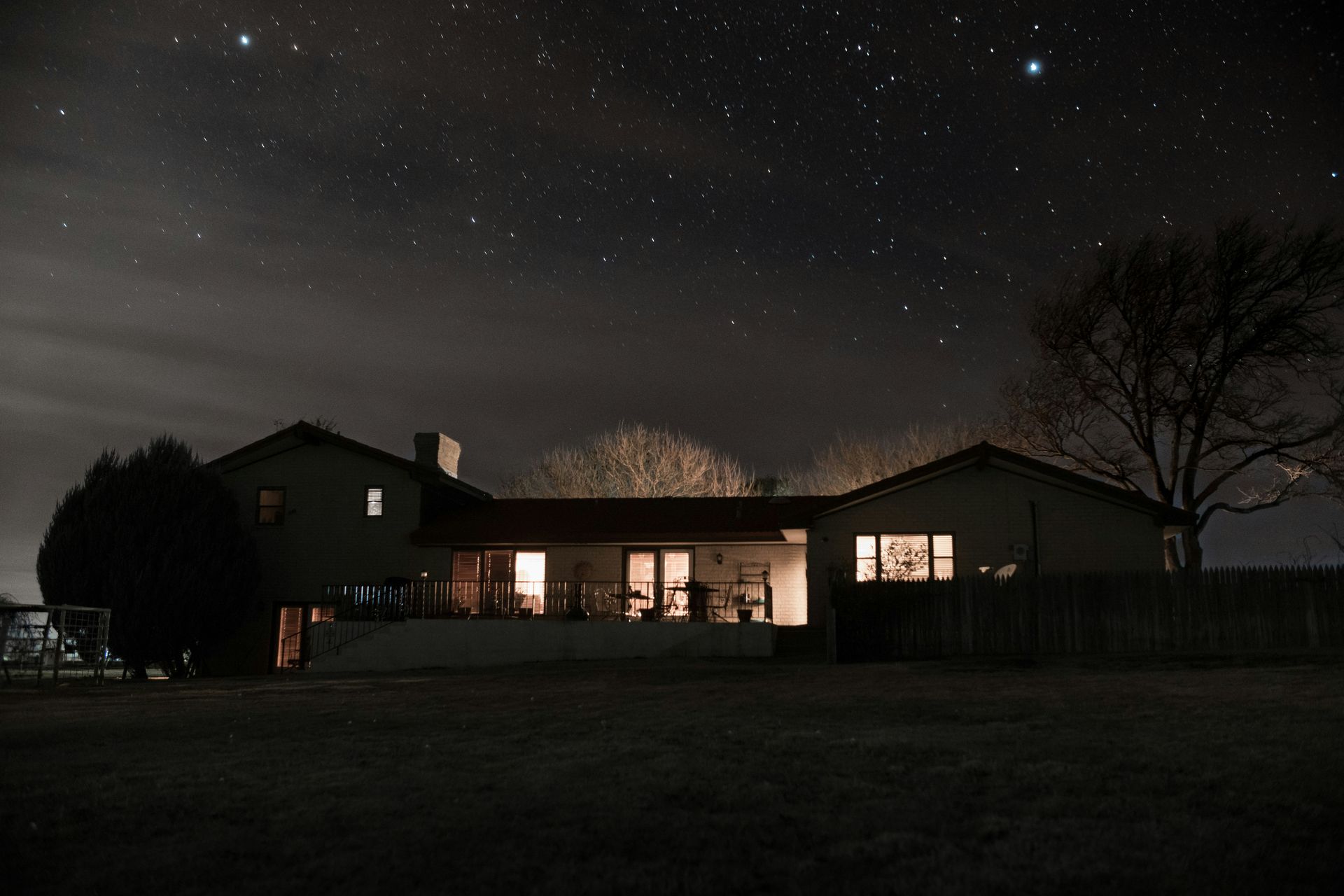
Photo by Sixties Photography on Unsplash
The Perseids are the most famous meteor shower of the season, and for good reason. As Earth passes through debris from Comet Swift-Tuttle, bright meteors and occasional fireballs streak across the sky.
Reader’s Digest identifies peak viewing around August 11 to 13, with visibility across the U.S. Under dark skies, observers can see dozens of meteors per hour.
The shower is especially memorable because of its intensity and consistency. Even brief stargazing sessions can produce multiple visible meteors, while longer stretches often feel like a continuous display.
Rural and dark-sky locations offer the best experience, but the Perseids are bright enough that many can still be seen from suburban areas. Viewing parties are also common during peak nights.
