Discover six simple things organized people do every day without overthinking it, for a more orderly home

Grant Shew / Unsplash
Clutter-free homes are not usually the result of some dramatic weekend purge or a personality transplant involving label makers and matching bins. They come from small habits that quietly repeat until mess never really gets a chance to settle in.
Reader’s Digest points out notes that people who stay tidy are not doing more cleaning in a heroic way. They are just letting less chaos accumulate in the first place.
Most clutter shows up as a cup left on the counter, a shirt that never quite makes it back into the drawer, or mail that is “temporarily” placed somewhere flat. None of it feels like a big deal in the moment. That is kind of the problem.
Clutter-free people tend to interrupt those tiny moments early. They do not let small tasks sit around long enough to become background noise. They also seem to have a personal rule against using flat surfaces as emotional parking lots for random objects.
There is nothing particularly magical about it. It is less about discipline and more about not giving mess a head start. When things get handled quickly, they do not get the chance to multiply into something that suddenly needs a full afternoon and snacks.
Reader’s Digest highlights that these habits are not about perfection or aesthetic minimalism. Most of them are just about making it slightly easier to keep life from spiraling into piles.
And honestly, there is also a comfort factor. A home that resets itself a little each day feels calmer without trying too hard. It is easier to think when your environment is not always asking you to deal with twelve unfinished things.
Here are six everyday habits that help keep homes from sliding into slow-motion chaos.
-1920x1273.jpg)
Photo by Ty Carlson on Unsplash
Making the bed is not really about impressing anyone. It is more like telling your room that the day has officially started and we are not living in “just rolled out of bed” energy anymore.
Reader’s Digest notes that minimalist organizer Joshua Becker sees the bed as the visual anchor of the bedroom. That sounds dramatic, but it is also kind of true. A messy bed makes everything else feel slightly more chaotic than it actually is.
People who stay clutter-free usually do not turn this into a debate with themselves. They just do it.

Photo by Bailey Alexander on Unsplash
Clutter-free people have a strong “just do it now” reflex, especially for small things. Reader’s Digest points out that clutter usually starts with postponed decisions, not big messes.
The habit that changes everything is dealing with the tidying immediately, especially if they take under a couple of minutes. Not later. Not after one more episode. Just done.
It keeps your house from turning into a collection of tiny unfinished tasks that slowly start judging you from every surface.
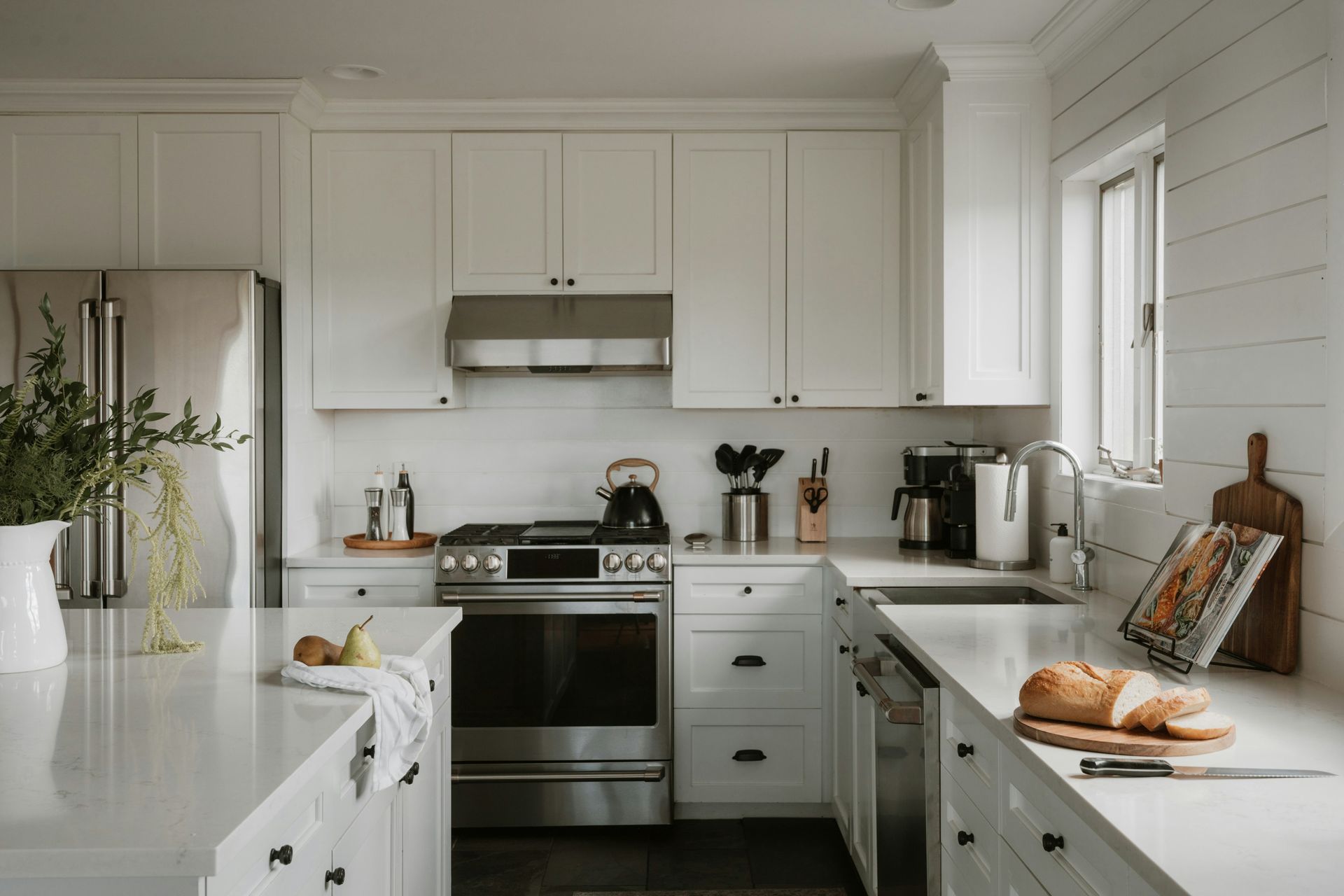
Photo by Clay Banks on Unsplash
Counters, tables, and dressers are basically magnets for anything you are temporarily holding and emotionally not ready to commit to.
Reader’s Digest notes that clutter-free people try hard not to let that happen. If something lands on a surface, it either has a real home or it is on its way out. There is not a lot of “I will figure this out later” energy happening on open counters.
This one habit does a lot of heavy lifting. It stops your kitchen table from becoming a storage unit for everything you touched in the last 48 hours.
It is not strict. It is just intentional enough that your furniture does not slowly turn into a waiting room for forgotten objects.
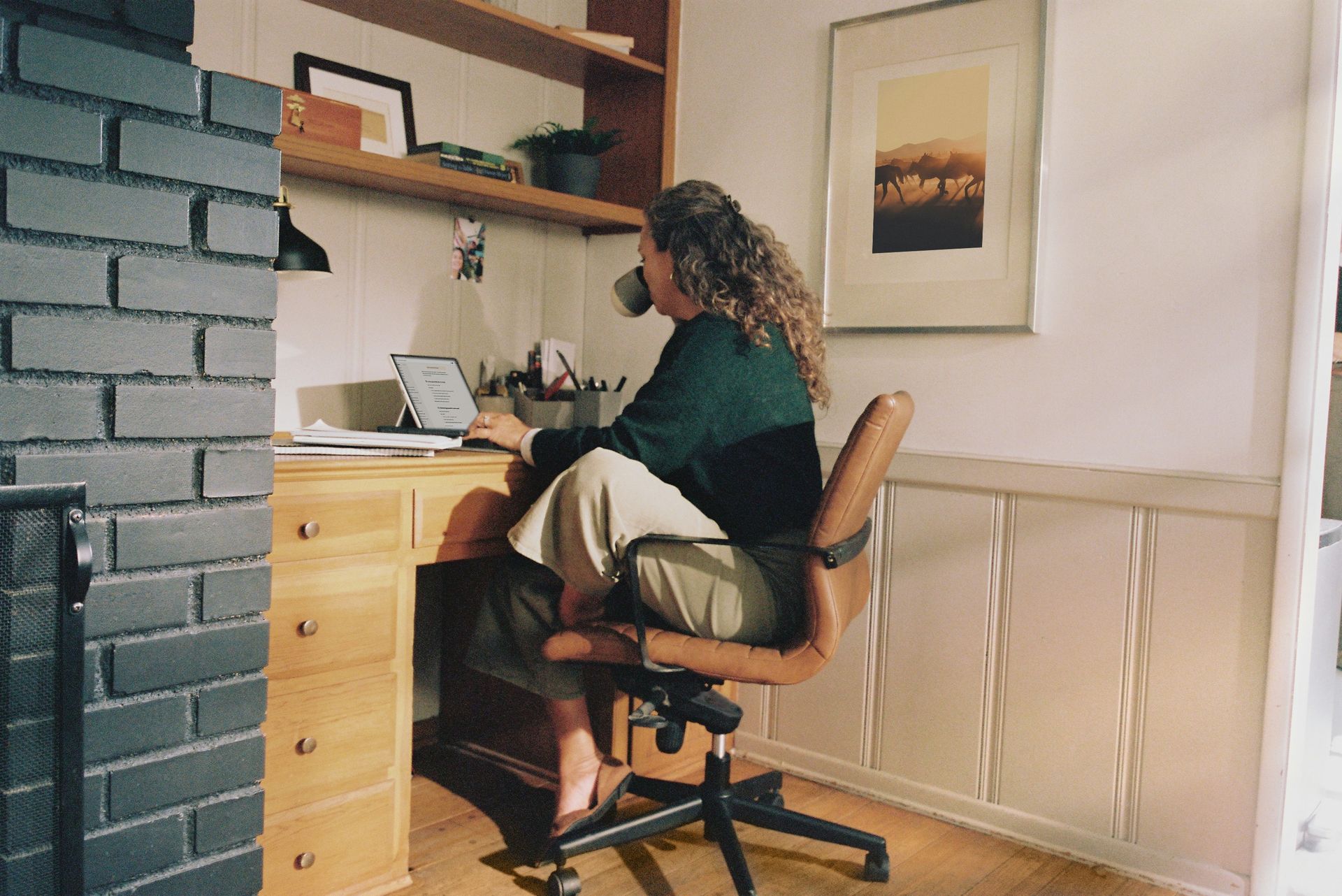
Photo by Microsoft Copilot on Unsplash
Mail is sneaky. It walks into your home as paper and somehow tries to become part of the decor.
Reader’s Digest highlights that clutter-free people deal with it quickly, usually right after it comes in. Junk mail gets tossed. Important stuff gets separated. Nothing gets the chance to evolve into a “mystery pile” on a counter.
The key is not letting mail enter the “I will sort this later” zone, because that zone has no exit.
Once you break the habit of setting it down first and thinking about it later, it stops becoming a source of clutter almost entirely.
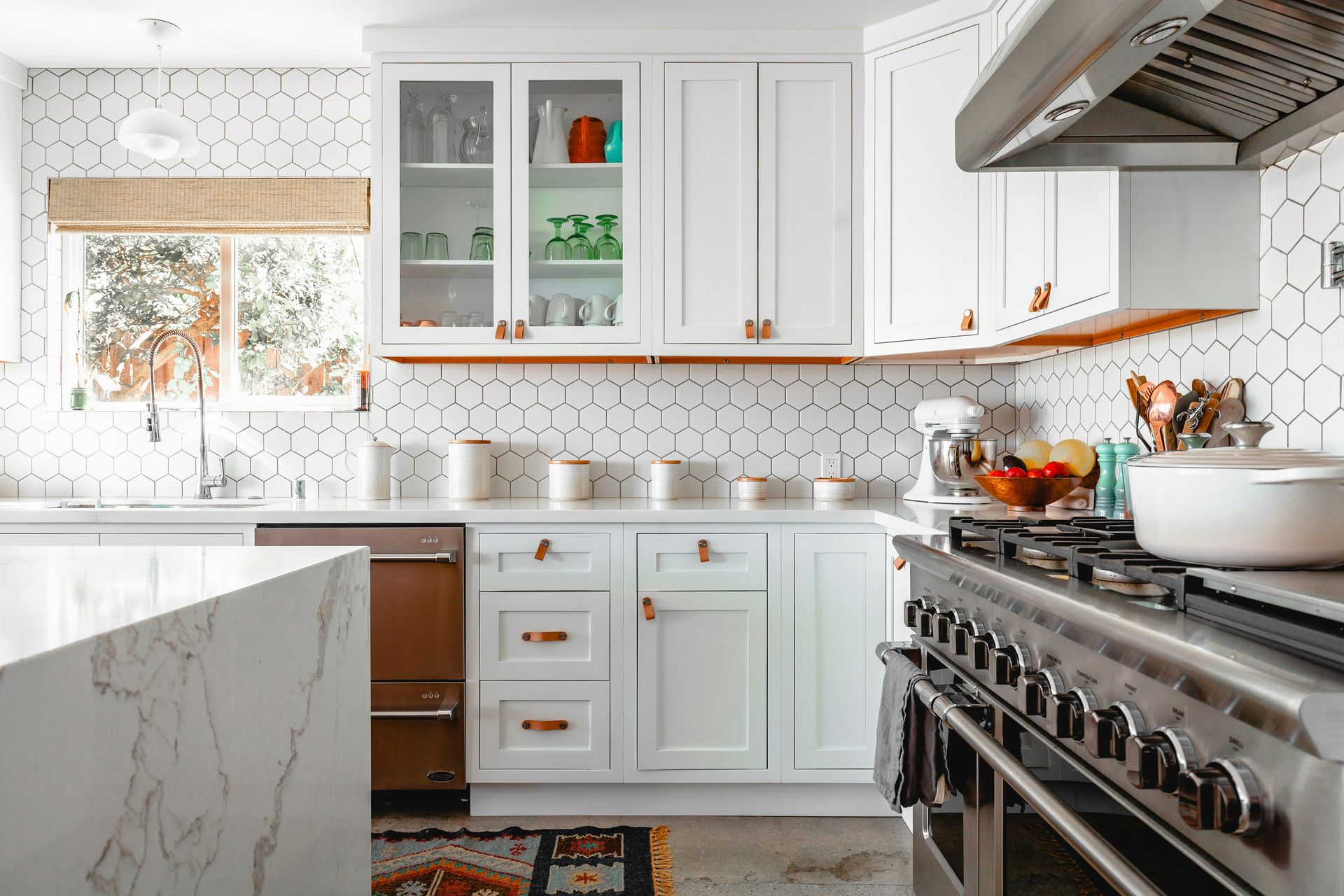
Photo by roam in color on Unsplash
A sink full of dishes has a way of making an entire kitchen feel like it gave up.
Reader’s Digest notes that clutter-free people try to stop that cycle early. Dishes either go straight into the dishwasher or get washed before they have time to stage a takeover.
It is not about never having dishes. It is about not letting them linger long enough to become a visual announcement that things are falling behind.
The difference is mostly timing, but it changes the entire mood of the room.

Photo by Kailun Zhang on Unsplash
Clutter-free people do not wait for a big emotional decluttering moment where they question their entire relationship with objects.
Reader’s Digest notes that they tend to use everyday routines, like trash day, as a quick excuse to scan for things that are no longer needed.
Old packaging, expired food, random items that somehow migrated into drawers and never left again. Nothing dramatic, just small exits happening regularly.
It keeps clutter from ever getting the chance to feel permanent.
