Not everything belongs in a Walmart cart, but a few categories consistently deliver better value there than elsewhere

KDavid Montero / Unsplash
Walmart $WMT is not exactly subtle about what it is. It is big, bright, and built around the idea that you can go in for one thing and come out with a cart full of items you may or may not remember choosing. Somehow it usually makes sense later, after you get home and start unpacking.
Still, past the sensory overload and the seasonal displays you did not plan on looking at, there is a quieter reality. Some categories genuinely work better there than they do elsewhere.
According to Reader’s Digest, there can be a few consistent advantages. Walmart usually wins on scale, steady pricing, and store brands that hold their own against more expensive versions. It also leans into exclusive collaborations that can undercut similar products at other retailers. Put together, that creates a small group of items where it is hard to justify shopping around.
This is not really about loyalty. It is more about practicality. Some products are simple enough that a premium version does not add much. Others are essentially identical everywhere but happen to be cheaper here. A few are just reliable staples that do not need much reinvention at all.
There is also the way shopping feels once you are inside. Walmart is built for function more than browsing. It is less about discovery and more about getting through a list. That tends to cut down on impulse “maybe I need this” decisions, even if it does not eliminate them entirely.
Here are five items you should probably only be buying at Walmart, because elsewhere they are usually more expensive for no particular reason.
Brandon Bell / Getty Images
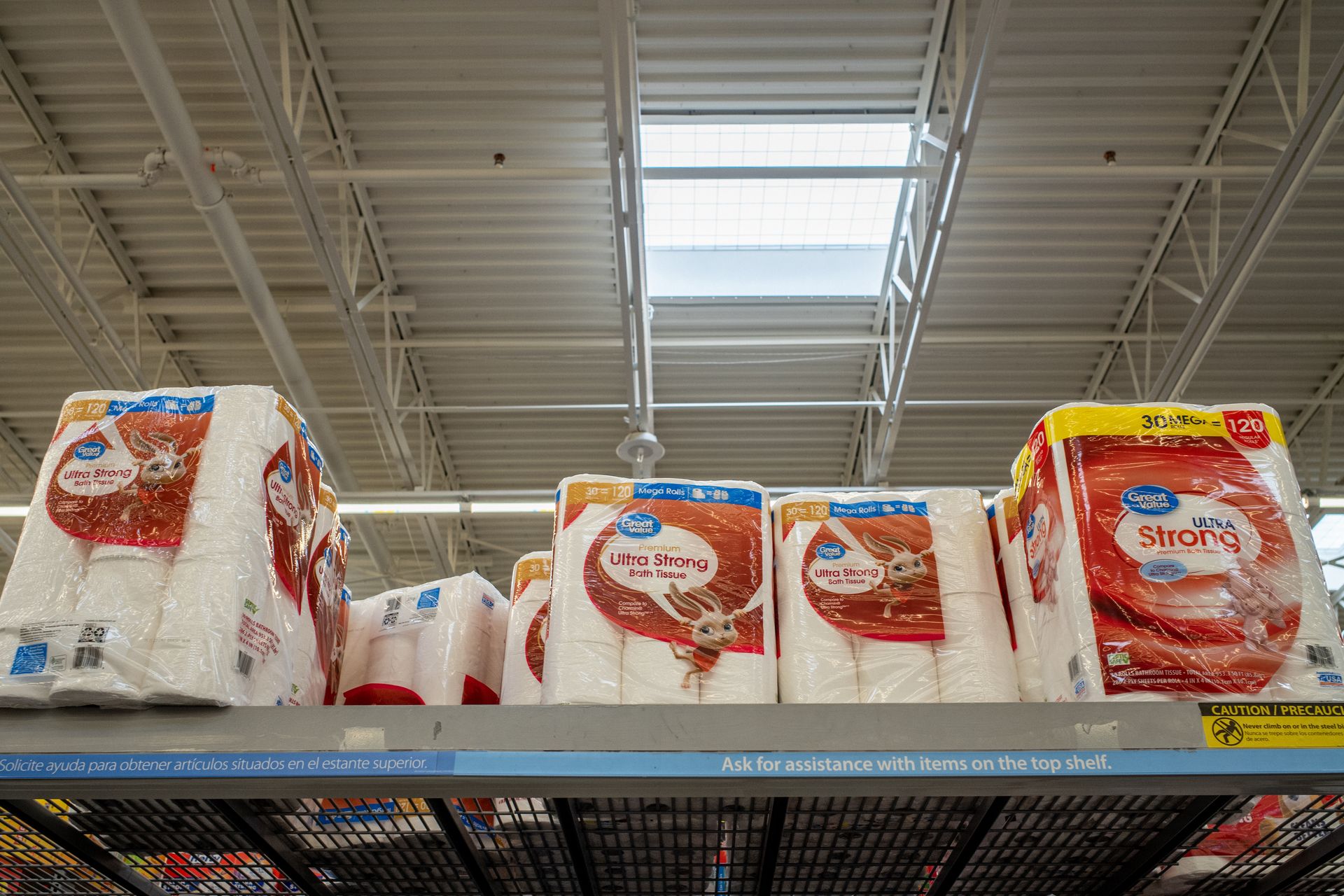
Household basics are where Walmart $WMT’s scale shows up most clearly. Items like cleaning supplies, paper towels, trash bags, and storage containers rarely vary in meaningful quality between retailers, according to Reader’s Digest, yet prices elsewhere can creep higher without adding anything useful.
Walmart’s scale quietly does a lot of the heavy lifting here. Since it buys in such large volumes, Walmart can usually keep everyday staples priced consistently lower.
Private-label brands also help. Walmart’s store brands tend to do the same job as national ones, just without the extra cost baked into branding and advertising. For most everyday items, that tradeoff barely registers in real life.
Over time, shoppers tend to notice a pattern. A product you always buy is just a little cheaper here. Not dramatically, but enough that it adds up when you keep buying it week after week. A few cents here, a dollar there, and suddenly it shows up in your budget without you really changing anything about how you shop.
There is also something to be said for not having to think too hard about it. These items are usually in stock, in the same place, every time. You do not need to bounce between stores or compare versions just to refill something you go through on autopilot.
Rap Dela Rea / Unsplash
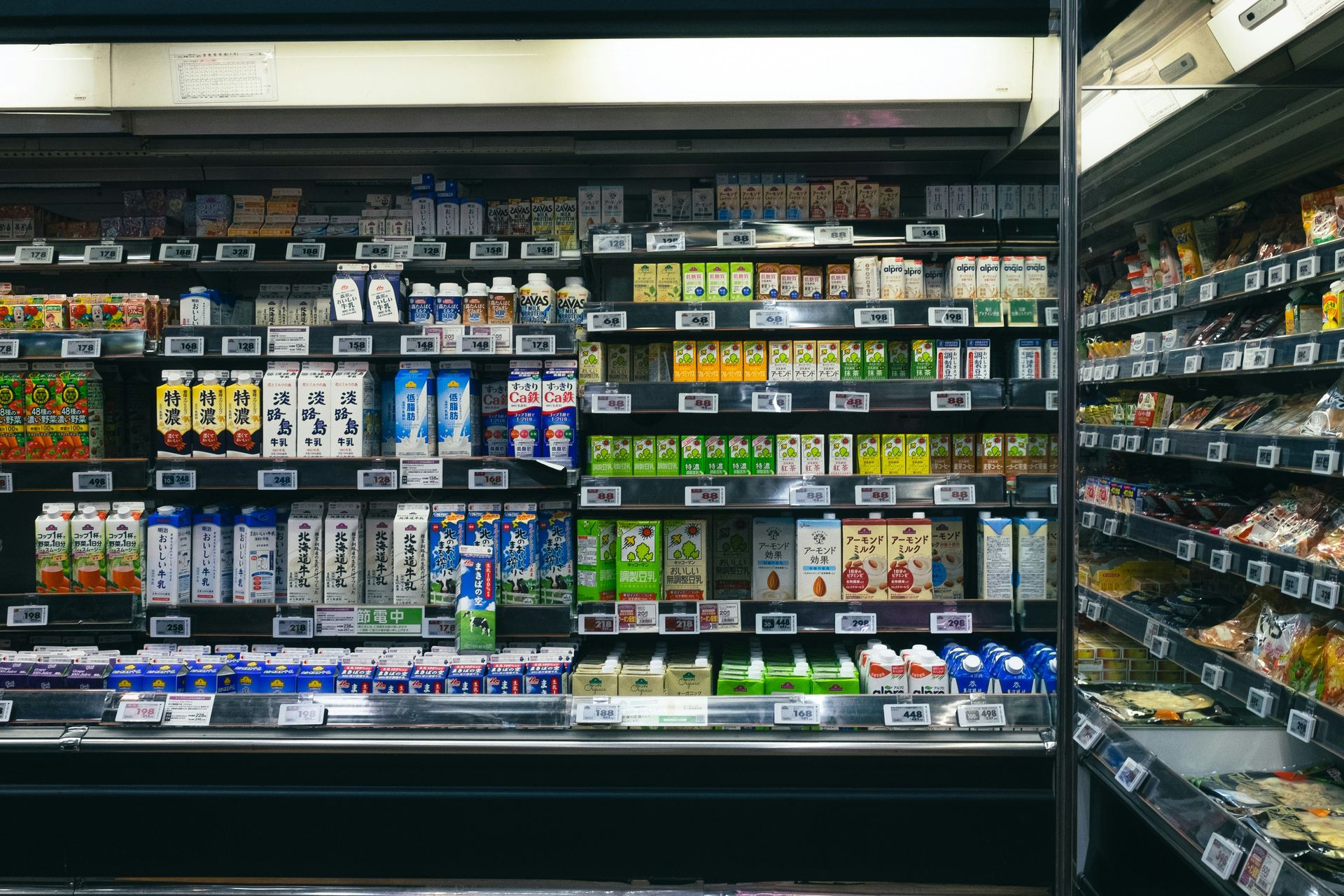
Grocery aisles are where Walmart $WMT’s store brands start to feel especially hard to ignore. Staples like canned goods, pasta, frozen vegetables, and dairy are often made by the same manufacturers behind national brands. In many cases, what changes is the label more than anything else, according to Reader’s Digest.
That is usually why people start switching after a couple of side-by-side comparisons. The taste is the same. The ingredients list looks almost identical. The price is lower. It does not feel dramatic in the moment, but it does add up over a weekly grocery run.
Walmart’s supply chain also helps here. High turnover keeps these everyday items moving, which supports consistency and freshness in categories that get replaced constantly anyway. For most basic groceries, that matters more than branding or packaging.
Retail experts often note that grocery loyalty has less to do with quality than people assume. It is mostly habit until it is not. Once shoppers try store brands and realize they are not giving anything up, the switch tends to stick.
Lower prices on familiar items make repeat purchases feel automatic. When something is dependable and cheap enough, you stop questioning it each time you put it in the cart.
Allen J. Schaben / Getty Images
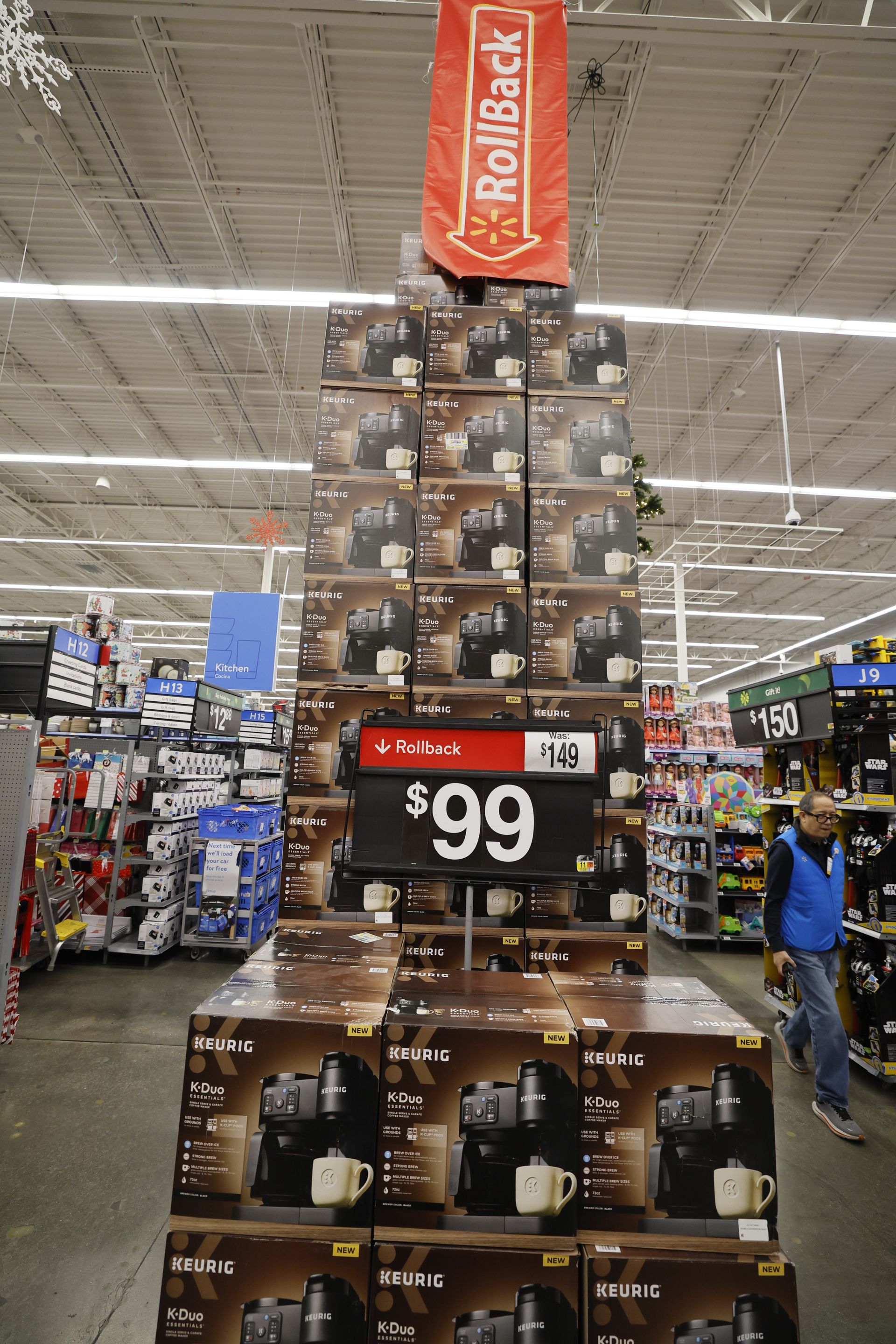
Small kitchen appliances are another place where Walmart $WMT’s partnerships and exclusive lines show up. Blenders, coffee makers, and compact cooking gadgets often come in at lower prices than the same or very similar models listed elsewhere, according to Reader’s Digest, especially when promotions are running.
Part of that comes from retailer-specific deals. Brands sometimes offer Walmart-only versions, bundles, or configurations that are built for mass retail pricing. They are usually not cheaper because they are worse. They are just packaged differently for scale.
Seasonal discounts also play a role. Walmart tends to lean hard into price cuts in high-traffic categories, and its scale makes it easier to absorb those drops without changing the underlying product mix.
Practically speaking, if you are buying a standard appliance without a long list of specialty features, Walmart is often the simplest and least expensive place to get it. Paying more elsewhere rarely changes how it performs on your counter.
Retail analysts point out that this category is heavily shaped by perception. A lot of the price variation comes from branding and positioning rather than meaningful differences in function. Walmart’s setup tends to strip that back.
Jeff Greenberg / Getty Images
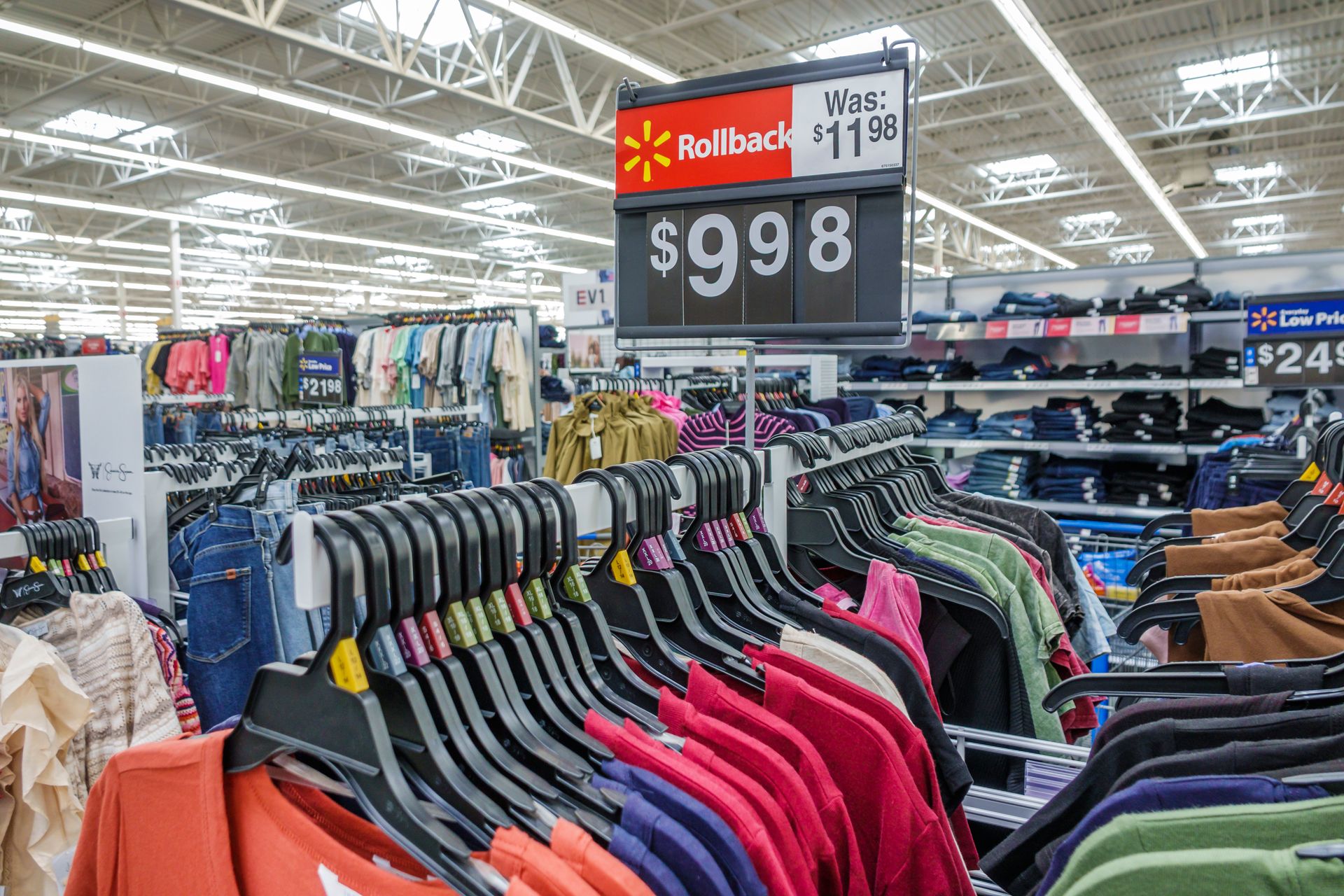
Walmart $WMT’s fashion section has changed quite a bit over the past decade, largely through collaborations with recognizable designers and brands. Those partnerships tend to focus on simple, wearable pieces rather than trend-heavy items that feel outdated after a season or two.
Basics like T-shirts, activewear, and casual shoes tend to stand out for value. The designs are kept straightforward, which helps control cost while still maintaining consistency in fit and sizing, according to Reader’s Digest.
Shoppers are often a little surprised by how well these items hold up for the price. They are not positioned as luxury fashion, but they usually meet or exceed expectations for everyday use. That makes them easy choices for wardrobe staples you do not want to replace too often.
There is also a practical side to the pricing, according to Reader’s Digest. Lower costs make it easier to refresh clothing when needed without turning it into a bigger decision than it has to be.
Bloomberg / Getty Images
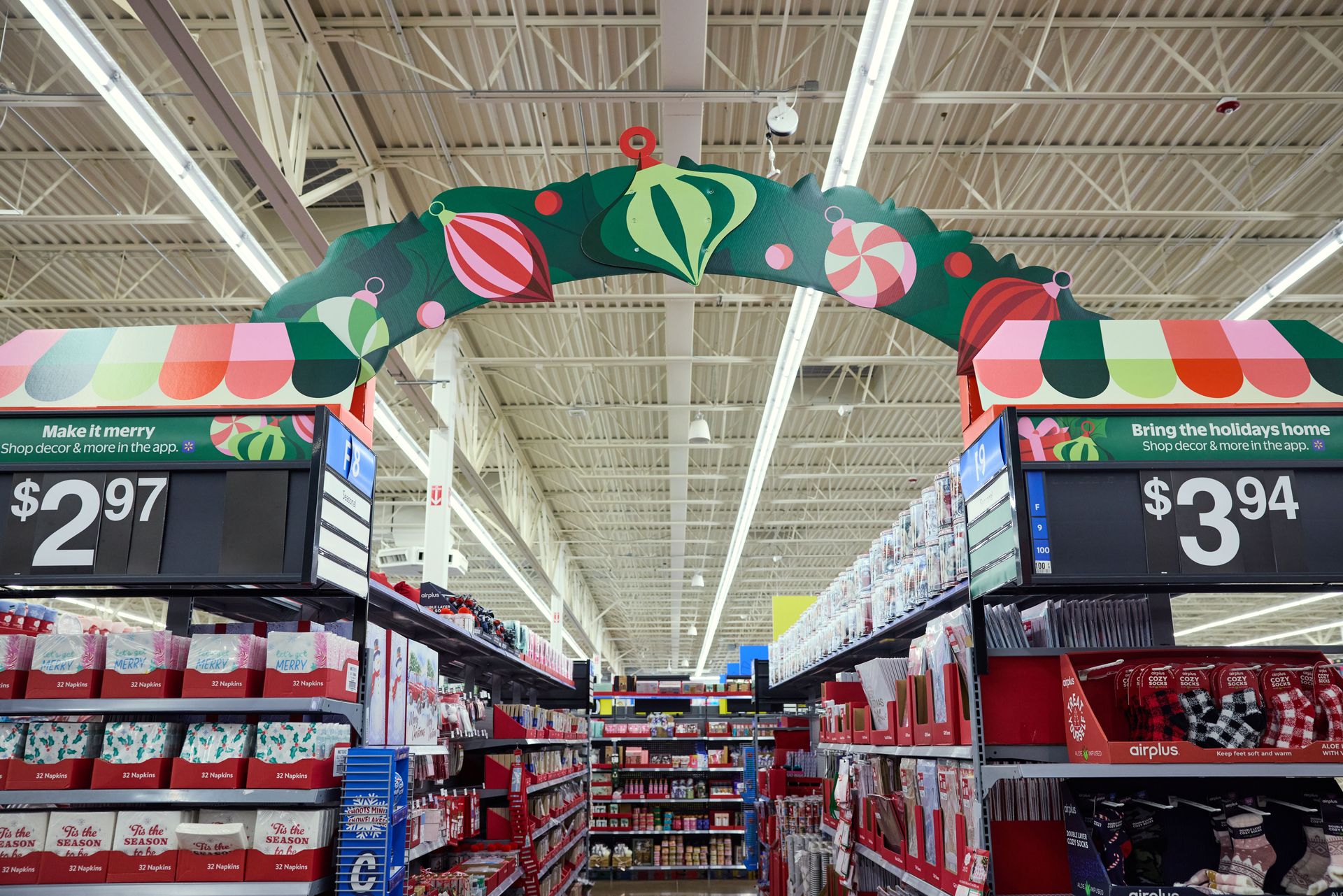
Seasonal items are one of Walmart $WMT’s most strategically predictable categories. Decorations, holiday supplies, and party goods are made for short-term use, so durability matters less than price and availability, according to Reader’s Digest.
Retailers know demand spikes at the same times every year, and Walmart is especially good at leaning into that rhythm. Its scale allows it to stock large assortments and still keep prices low, even when everyone is shopping at once.
For shoppers, the appeal is simple. You do not need to overinvest in things that only come out once a year. A Halloween decoration or birthday banner just has to do its job for a weekend, not last a decade.
Retail logistics experts often point out that this is where efficiency matters most. Once the season is over, most of these items are packed away or thrown out, so long-term durability is not really the point.
Walmart’s pricing and inventory model makes it easy to grab everything in one place without paying much of a premium for convenience. It is less about finding the perfect item and more about getting what you need quickly, at a reasonable cost.
