
6 things your dog wishes you’d stop doing
Discover six common things your dog would prefer you stop doing to improve trust, comfort, and behavior

Michelle Tresemer / Unsplash
Dogs are deeply loyal, highly observant, and far more emotionally sensitive than many people realize. While they may tolerate a lot of human behavior, that doesn’t mean they always enjoy it. In fact, some everyday habits can confuse, stress, or even frustrate your dog more than you’d expect.
Many of the behaviors people assume are harmless or even affectionate can land very differently from a dog’s perspective. Dogs rely heavily on body language, routine, and clear signals to feel secure. Mixed messages from their humans can quickly create uncertainty. Over time, those small misunderstandings can affect trust, behavior, and how comfortable your dog feels in everyday situations.
Reader’s Digest highlighted the most common missteps that reveal which human behaviors dogs are most likely to find stressful or confusing. From misunderstanding body language to unintentionally creating anxiety, small adjustments in how you interact with your dog can make a big difference in their comfort and trust.
Here are six things your dog would probably prefer you stop doing.
1. Hugging them too tightly
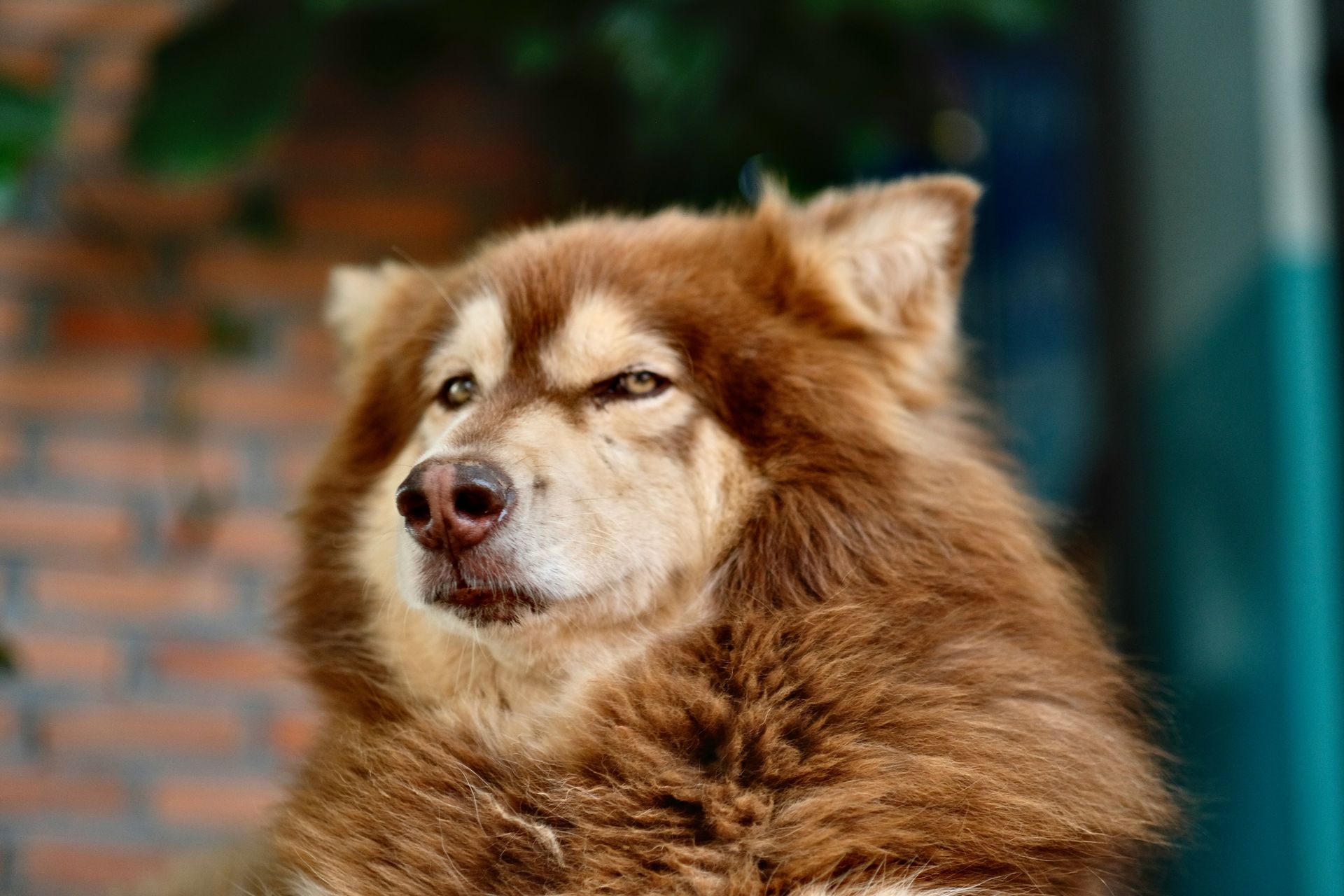
According to Reader’s Digest, many dogs experience hugs as restrictive rather than comforting. While humans see hugs as affection, dogs can interpret the pressure and close face contact as stressful or overwhelming.
Signs like freezing, turning away, or trying to escape often indicate discomfort. Letting your dog initiate physical contact instead helps them feel safer and more in control of the interaction.
Over time, this approach can strengthen trust, making your dog more likely to seek out affection on their own terms and feel relaxed during close contact with you.
2. Ignoring their body language
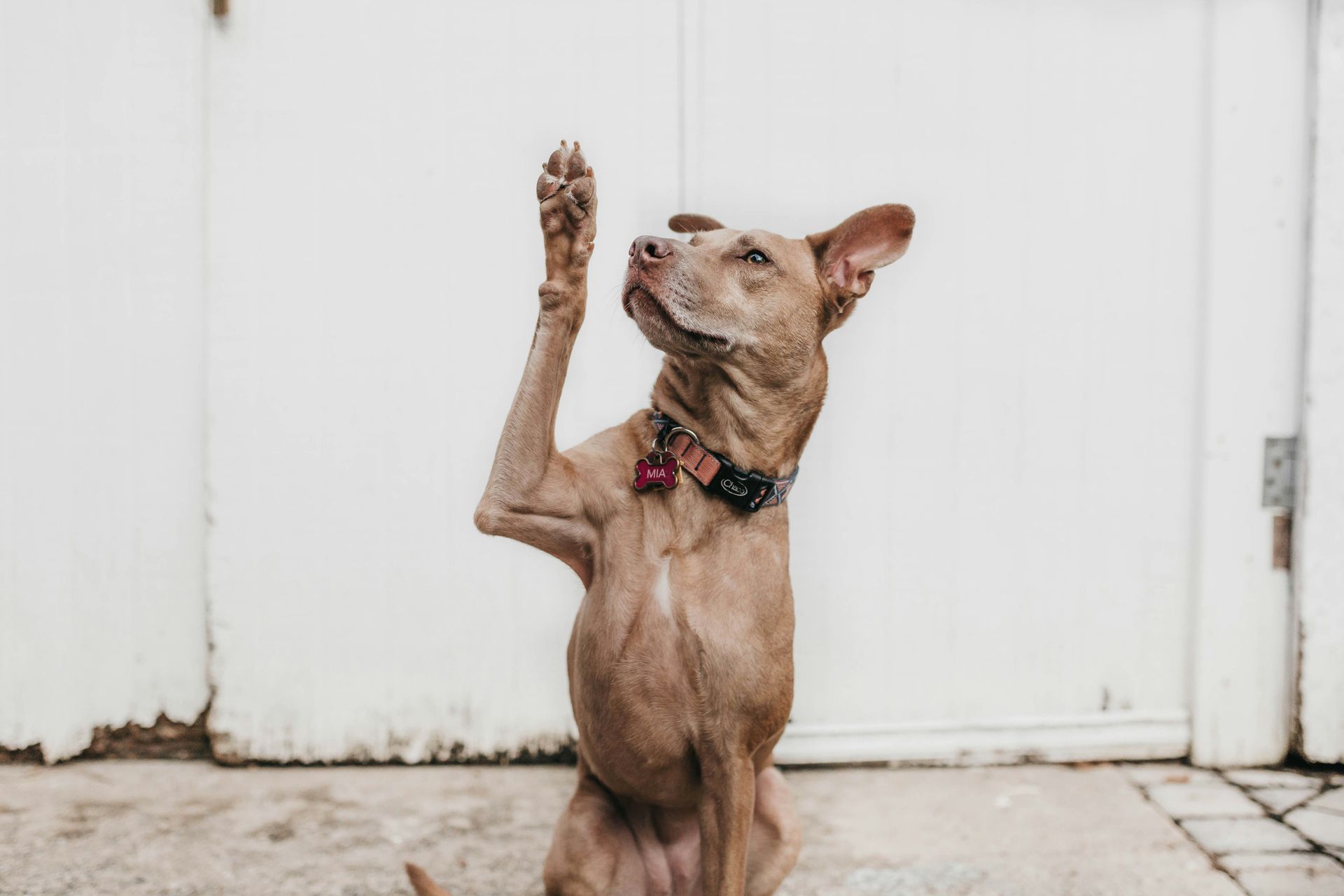
Photo by Camylla Battani on Unsplash
Reader’s Digest emphasizes that dogs communicate constantly through posture, tail position, ears, and facial expression. When owners miss or misread these signals, dogs can become anxious or misunderstood.
For example, a wagging tail doesn’t always mean happiness, and stiffness can signal discomfort. Paying attention to these cues helps prevent stress and builds clearer communication between you and your dog.
Learning to read your dog’s subtle signals can help you respond more appropriately in the moment, avoid escalating situations, and create a stronger sense of mutual understanding in your relationship.
3. Inconsistent rules and training
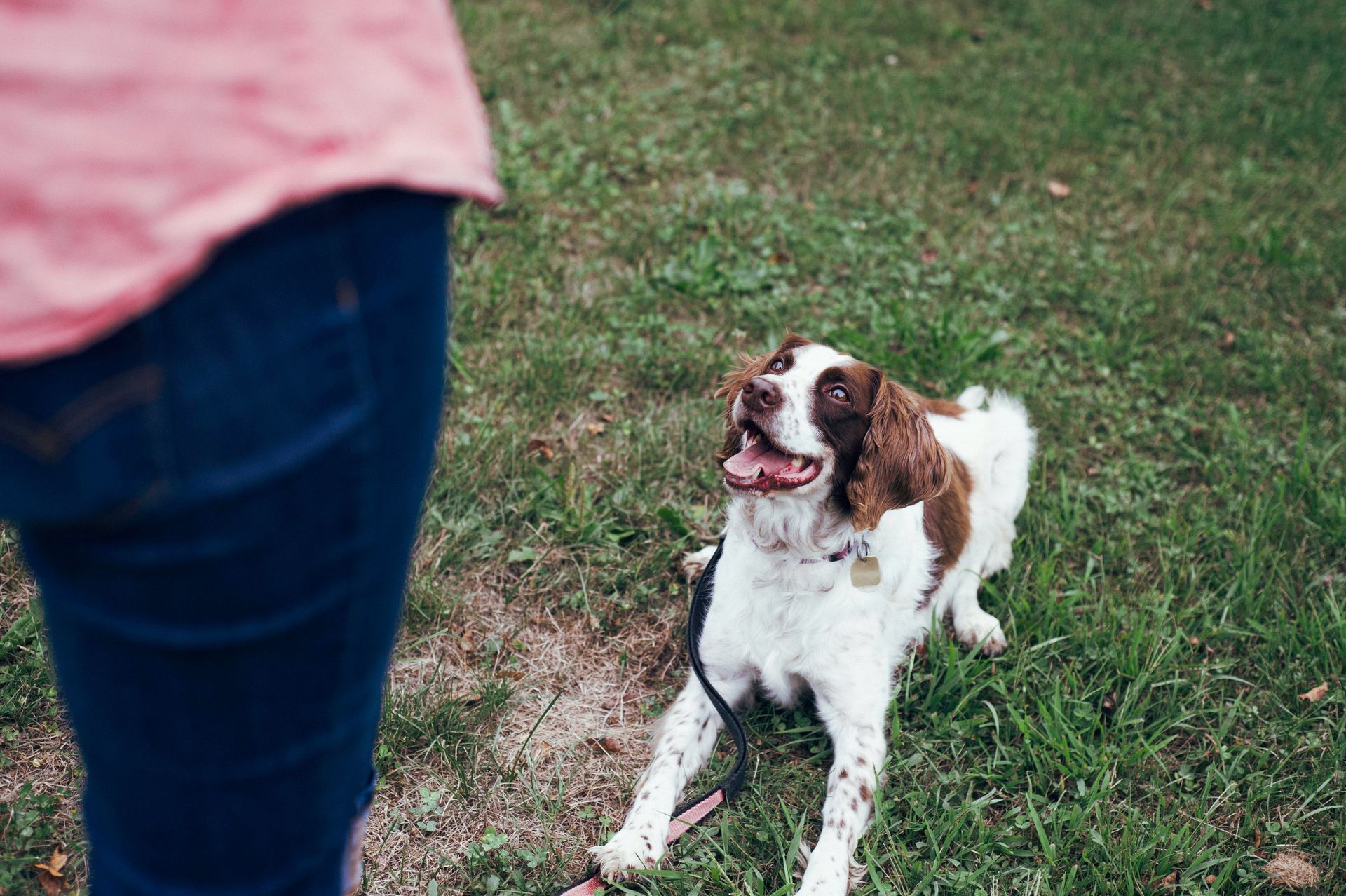
Photo by Destiny Wiens on Unsplash
Dogs thrive on structure, and Reader’s Digest notes that constantly changing commands, expectations, or routines can be confusing.
If “down” sometimes means get off the couch and other times means lie down, your dog has no clear way to succeed. Consistency helps your dog understand what you want and reduces frustration on both sides.
Clear, predictable communication reinforces training, strengthens good behavior, and gives your dog the confidence of knowing exactly what is expected of them in everyday situations.
4. Overlooking their need for routine
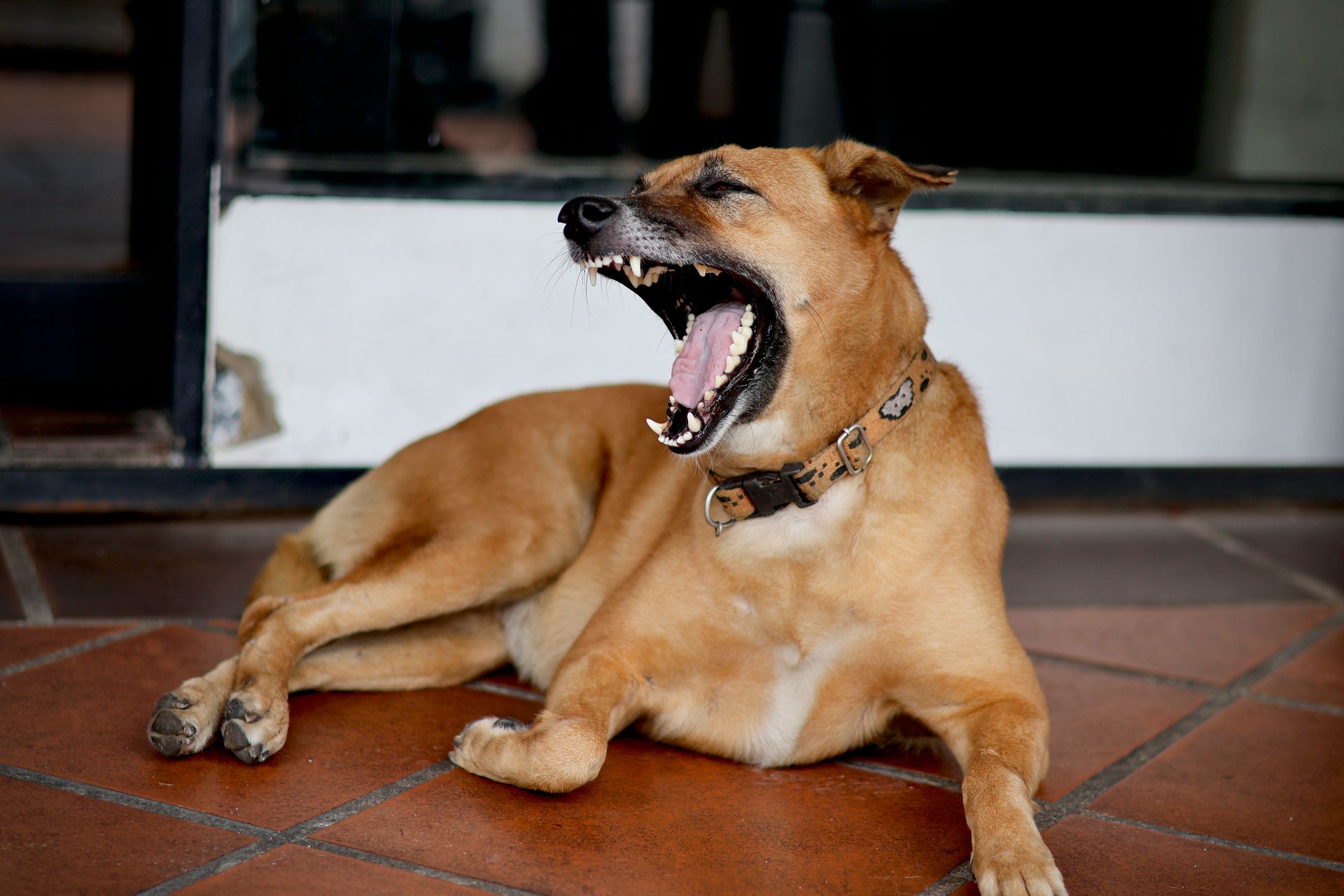
Reader’s Digest explains that dogs feel most secure when their daily life is predictable. Irregular feeding times, inconsistent walks, or sudden schedule changes can lead to anxiety or unwanted behaviors like barking or chewing.
A steady routine helps your dog anticipate what comes next, which creates a calmer and more confident pet. Predictability gives your dog a sense of stability throughout the day, making it easier for them to relax, settle into good habits, and respond more positively to their environment.
5. Forcing unwanted social interactions
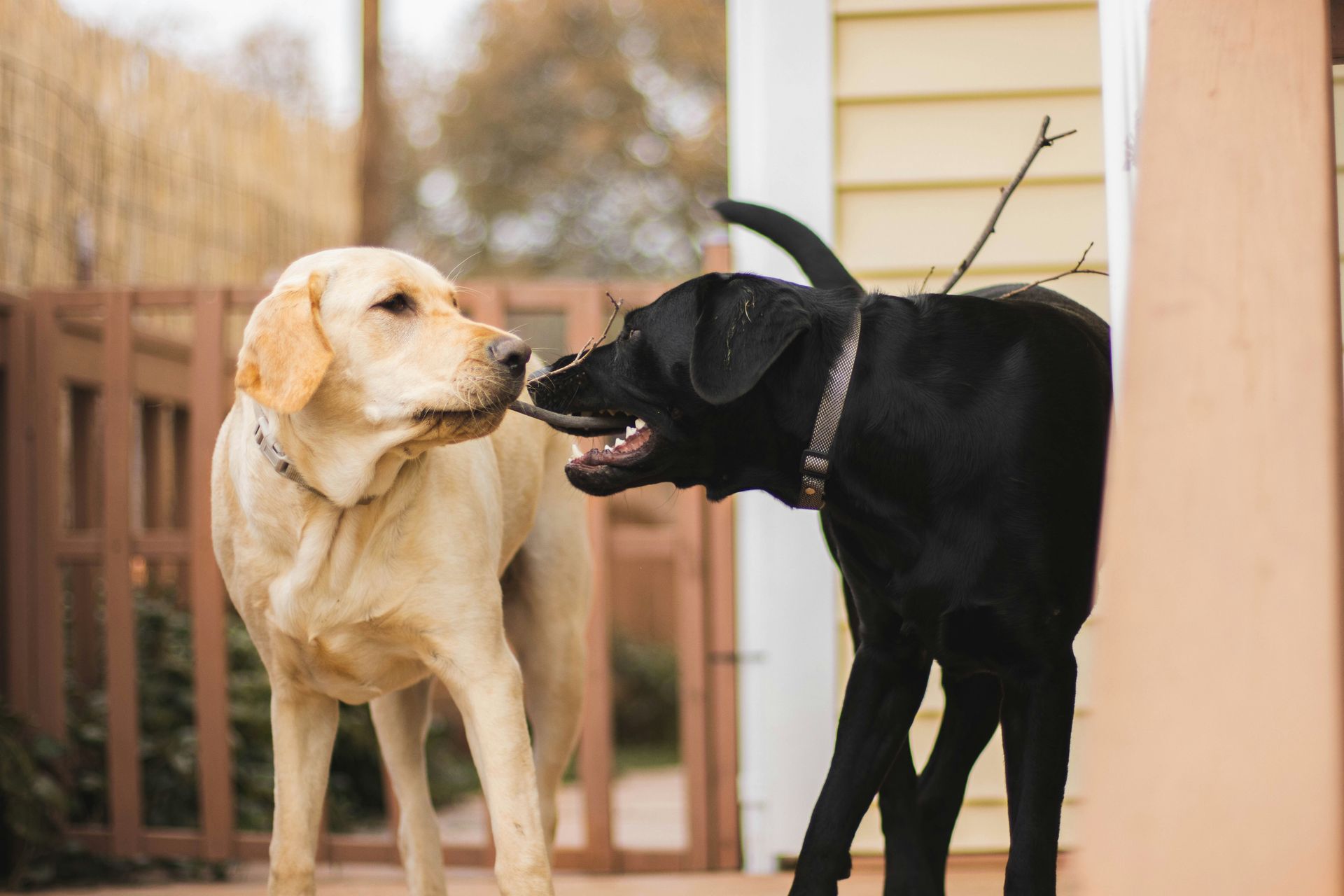
Not every dog enjoys meeting strangers or other dogs, and Reader’s Digest highlights that forcing interactions can actually increase fear or aggression.
Some dogs prefer space or controlled introductions at their own pace. Respecting your dog’s comfort level in social situations helps them feel secure and prevents unnecessary stress.
Allowing your dog to choose when and how to engage also builds confidence. When they learn that they won’t be pushed into uncomfortable encounters, they’re more likely to stay relaxed in new environments and develop healthier responses to social situations.
6. Overwhelming them with physical affection
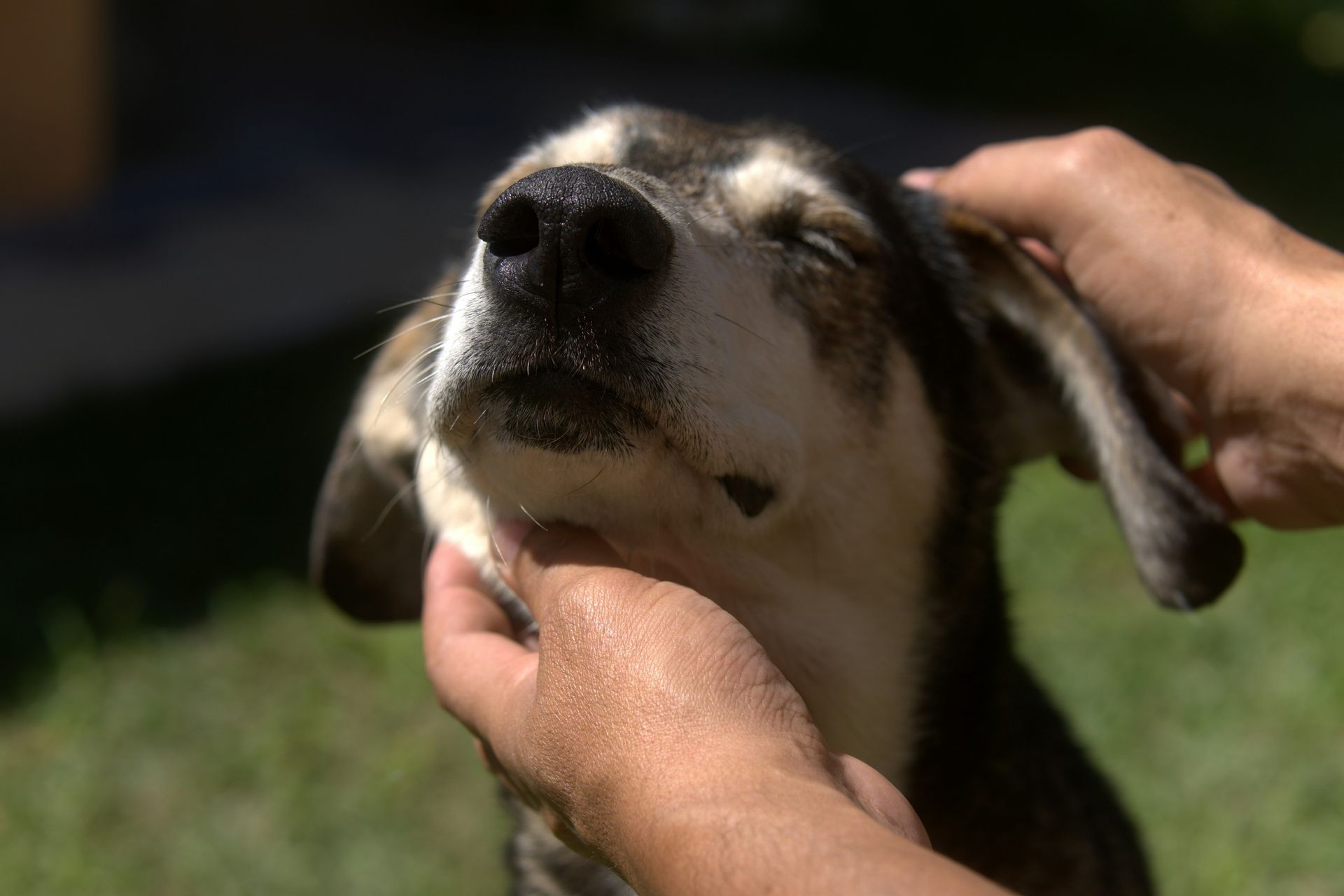
Photo by Vinícius Costa on Unsplash
Reader’s Digest notes that constant petting, face touching, or unsolicited affection can become overwhelming for dogs, even when well-intentioned.
Many dogs prefer brief, gentle interactions and appreciate having the ability to walk away when they’re done. Letting your dog choose when affection happens strengthens trust and makes those moments more meaningful.
Paying attention to how your dog responds in the moment also helps you fine-tune your interactions. Subtle cues like leaning away, shifting position, or licking their lips can signal that they’re ready for a break, and responding to those signals reinforces a sense of safety and mutual respect.