Discover ways to break down daily, weekly, and monthly cleaning, into a realistic schedule that keeps your home consistently clean without overwhelm

Josue Michel / Unsplash
A clean home rarely comes from sudden bursts of motivation. Most people imagine spotless spaces as the result of marathon cleaning sessions, yet homes that stay consistently tidy usually rely on quieter habits that repeat almost without notice. Mess builds slowly, often in ways that feel harmless at first, until one day the kitchen counter feels crowded and the bathroom mirror begins telling uncomfortable truths.
Reader’s Digest’s Ultimate Cleaning Schedule approaches housekeeping from a more forgiving angle. The goal is not perfection. It is prevention. Instead of waiting until chores pile up into an exhausting weekend project, the schedule encourages small actions spread across days, weeks, and months. The guide emphasizes maintaining momentum rather than trying to reset the entire house at once. The idea sounds modest, though it tends to work because routine removes decision-making.
Many people struggle with cleaning not because the work itself is difficult but because the timing feels unclear. One task leads to another, and suddenly nothing feels finished. Reader’s Digest organizes chores by frequency so responsibilities become predictable. Daily habits handle visible mess. Weekly cleaning addresses buildup before it becomes noticeable. Monthly and seasonal tasks protect appliances and surfaces that quietly collect grime over time.
The guide notes that around 20 minutes of effort per day can keep household chaos under control. That amount feels achievable even when schedules are busy or energy runs low. Consistency matters more than intensity, and homes benefit from steady maintenance rather than occasional heroic effort.
A better cleaning schedule does not demand rigid discipline. It works more as a rhythm that adapts to real life. Some weeks will be imperfect. Certain chores will be skipped. The system still functions because progress continues in small increments.
Here are five tips to help you build a routine that keeps a home comfortably clean without turning housekeeping into a full-time identity.
Vitaly Gariev / Unsplash
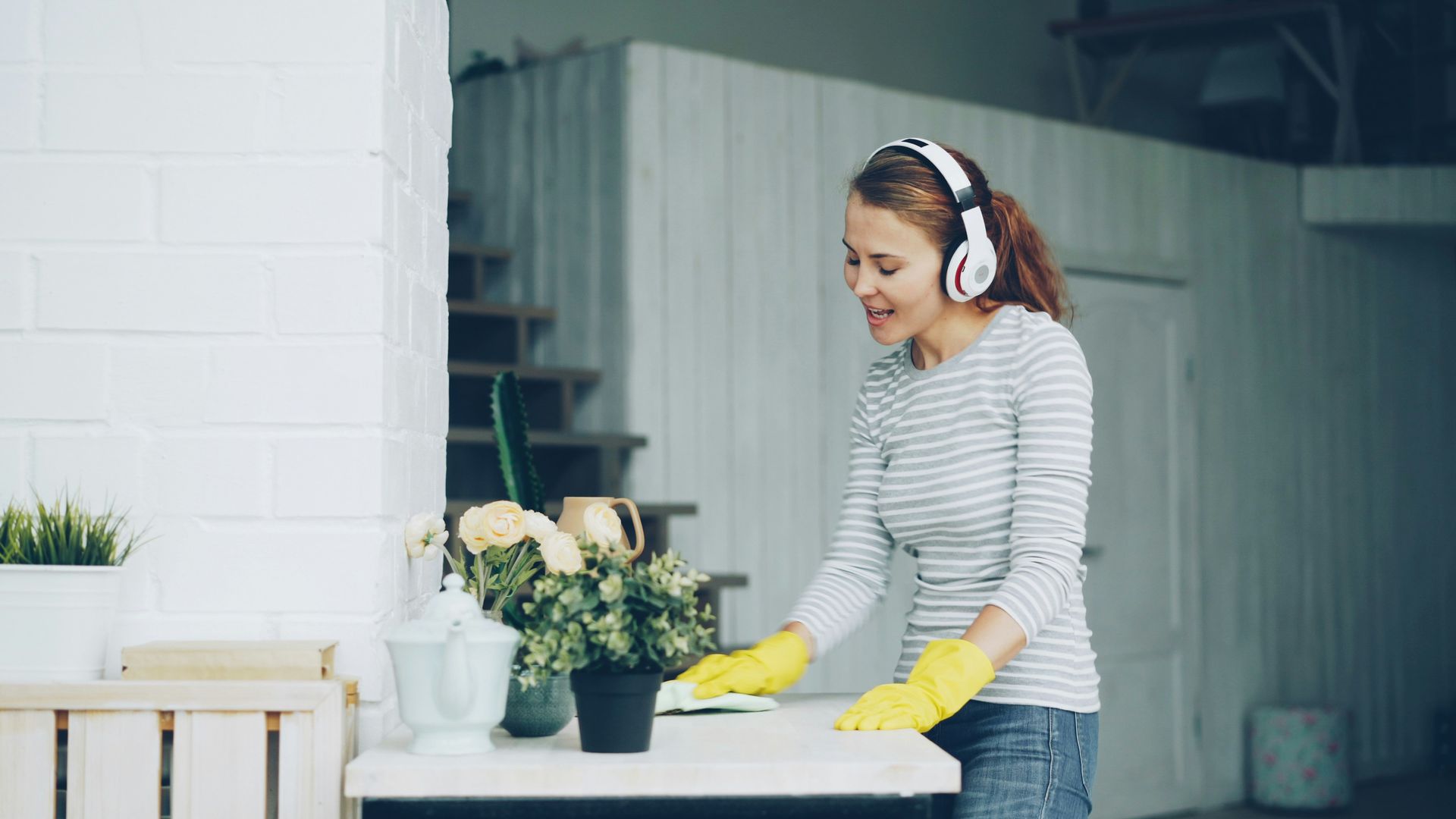
Cleaning often fails before it begins because preparation gets skipped. Reader’s Digest recommends assembling dedicated cleaning caddies for different areas of the home so supplies are always within reach. One caddy for bathrooms, another for kitchens, and another for living spaces eliminates the familiar ritual of wandering the house searching for a missing spray bottle. The process sounds simple, yet it quietly removes friction that delays cleaning altogether.
Clearing clutter comes next. Reader’s Digest advises putting belongings back into drawers or grouping items together before dusting or vacuuming. Surfaces become accessible. Cleaning moves faster. Motivation tends to follow visible progress. A messy room can feel impossible. A cleared surface invites action.
Grouping chores by task also saves time during larger cleaning sessions. Instead of cleaning one room at a time, Reader’s Digest suggests completing similar tasks together, such as wiping mirrors throughout the home or vacuuming all floors at once. Tools stay in hand. Momentum builds naturally. The brain interprets this as efficiency, which helps prevent burnout.
Preparation may not feel productive compared with scrubbing a sink, yet it determines whether cleaning becomes routine or avoidance. When supplies are ready and clutter is minimized, starting requires less mental negotiation.

Vitaly Gariev / Unsplash
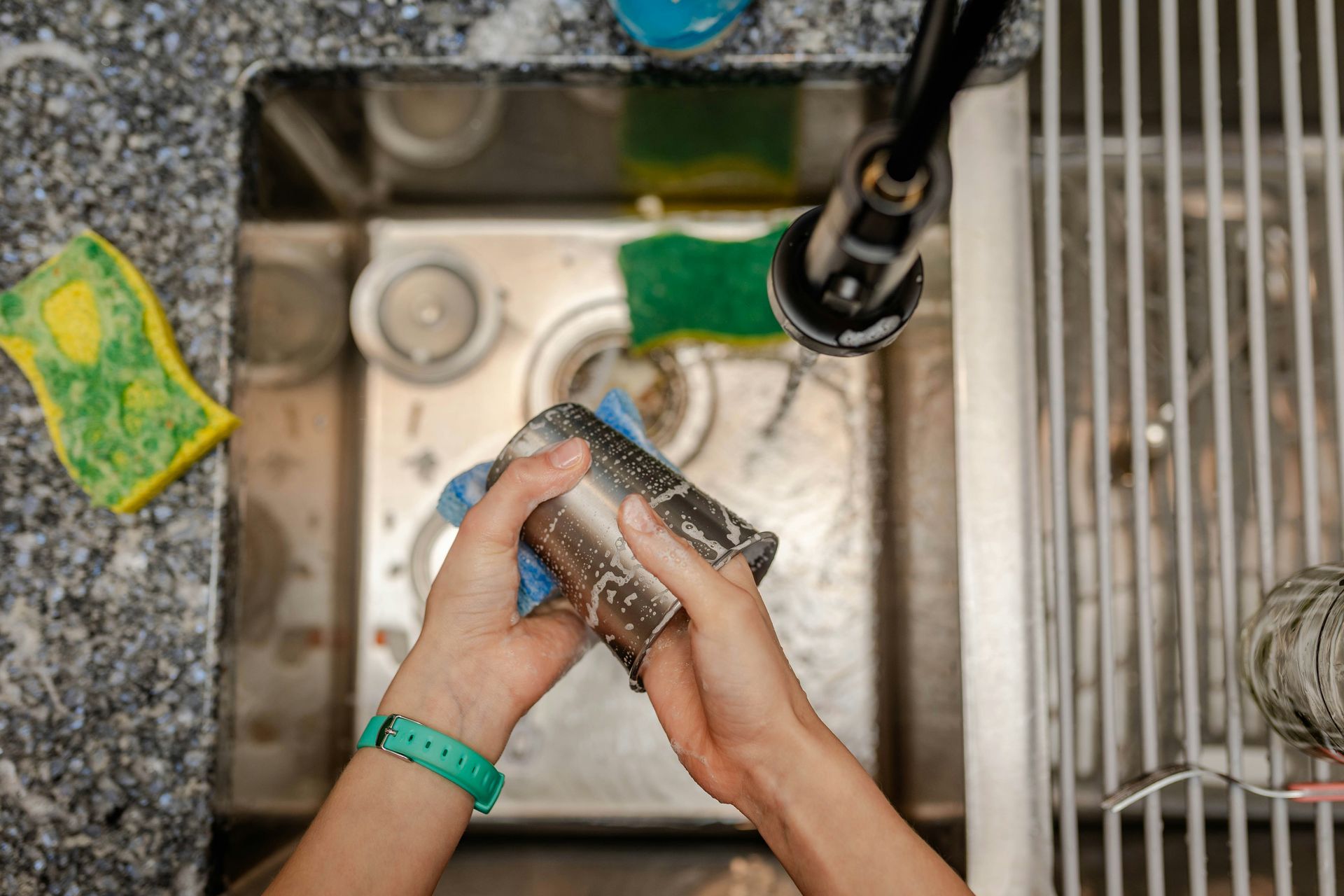
Daily cleaning sounds intimidating until you realize how small the tasks actually are. Reader’s Digest frames daily chores as quick resets rather than deep cleaning sessions. Making the bed, washing dishes, wiping bathroom surfaces, and tidying high-use areas create immediate visual improvement with minimal effort.
The strategy relies on frequency. Reader’s Digest notes that these daily tasks prevent grime from accumulating to the point where cleaning feels overwhelming.
Small habits carry disproportionate impact. Sprinkling baking soda in the kitchen sink after dishes helps prevent buildup. Keeping sanitizing wipes under the bathroom vanity allows quick removal of toothpaste spots and fingerprints before they become stubborn stains. Squeegeeing shower walls reduces mildew and watermarks without requiring future scrubbing sessions.
Technology can help carry some of the load. Reader’s Digest points to programmable robot vacuums as an easy way to keep floors under control without much effort, although pets sometimes treat the device as an unexpected rival rather than a household helper.
Daily cleaning works because it lowers expectations. You are not restoring the entire home. You are preserving yesterday’s progress.
Laura Ohlman / Unsplash
Weekly cleaning sits in the middle ground between daily upkeep and major projects. Reader’s Digest describes these chores as “big cleans,” tasks that require more time but prevent long-term buildup. Some households prefer spreading chores across several days. Others consolidate everything into one focused session.
Weekly tasks target areas that collect invisible grime. Reader’s Digest recommends cleaning the microwave regularly if frequently used, dusting doors and light fixtures, wiping high-touch surfaces such as switches and remotes, and vacuuming upholstery along with carpets. These areas accumulate bacteria and dust faster than most people realize.
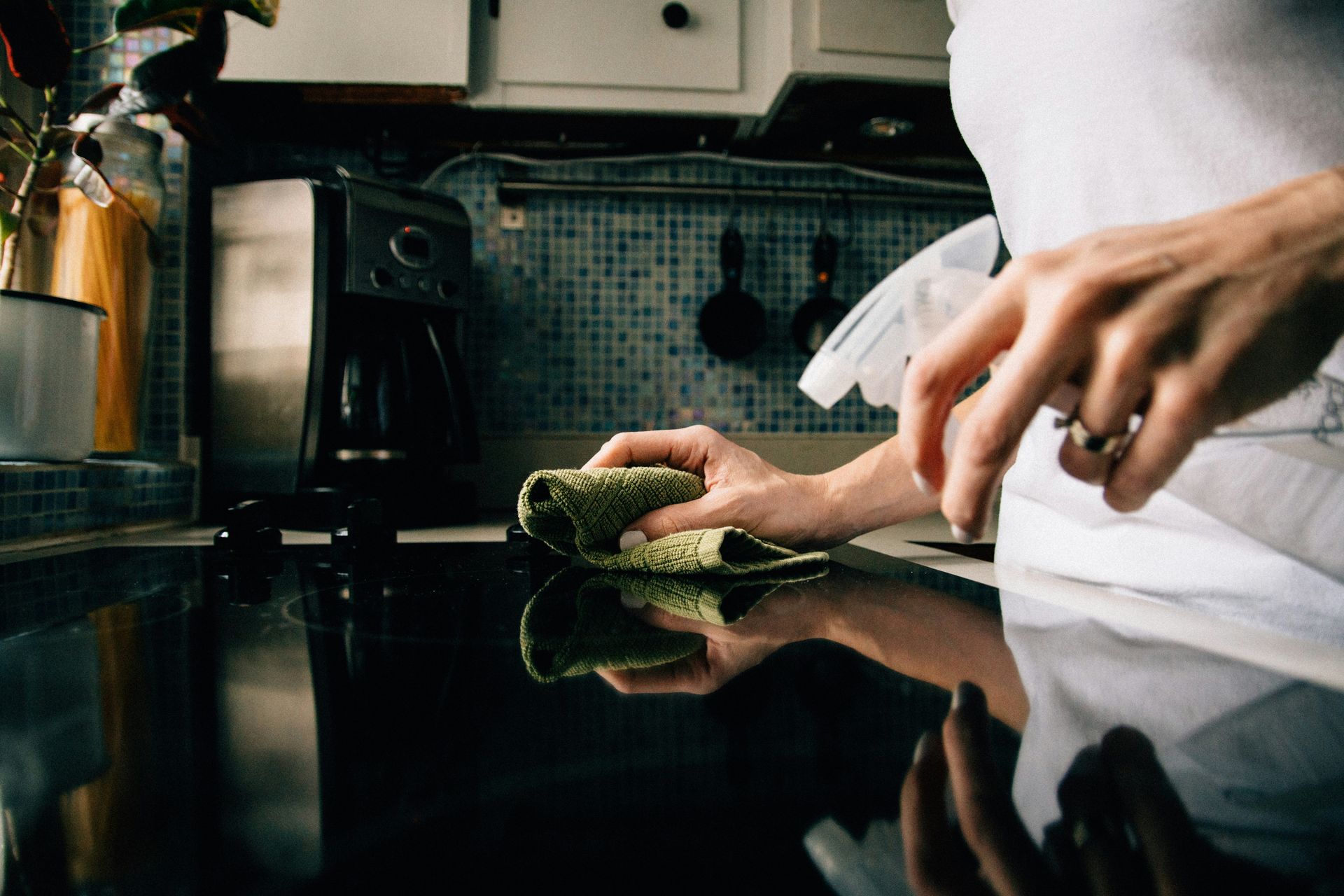
Technique also plays a role. When mopping floors, Reader’s Digest suggests starting at the farthest corner and working toward the exit while rinsing the mop frequently to keep water clean. Mirrors benefit from an “S” pattern wipe using microfiber cloths, which reduces streaking and speeds the process.
Cleaning tools themselves require attention. Reader’s Digest warns that dirty sponges and cloths spread grime instead of removing it. Washing microfiber cloths and sanitizing sponges weekly ensures the cleaning process remains effective rather than symbolic.
Weekly cleaning provides a reset point. It restores order before mess becomes visible chaos. The house begins each new week feeling manageable, which may be the true psychological purpose behind the routine.

Renaldo Matamoro / Unsplash
Monthly cleaning addresses what daily routines cannot reach. Reader’s Digest describes these tasks as investments rather than chores because they extend the life of appliances and maintain overall home cleanliness.
Kitchen areas receive particular attention. The guide recommends cleaning the backsplash using a mixture of baking soda, hydrogen peroxide, and dish soap to break down grease buildup common in cooking spaces. Degreasing the range hood and clearing expired food from the refrigerator also prevent lingering odors and mechanical strain.
Bedrooms and bathrooms benefit from deeper attention. Sprinkling baking soda on a mattress before vacuuming helps freshen sleeping spaces. Scrubbing grout lines with a baking soda and hydrogen peroxide mixture removes accumulated residue that ordinary cleaning misses.
Dust often hides in overlooked areas. Reader’s Digest suggests using a broom covered with a microfiber towel to clean baseboards without bending down. Ceiling fans should be dusted while turned off, using extendable tools to reach higher surfaces safely.
Windows and tracks also require monthly maintenance. Cleaning glass and removing debris from window tracks prevents long-term buildup that becomes difficult to remove later.
Monthly tasks work best when scheduled rather than remembered. Without structure, these chores quietly disappear from awareness. A recurring reminder transforms them into manageable checkpoints instead of overwhelming seasonal projects.
Kelly Sikkema / Unsplash
Deep cleaning tends to happen only when circumstances force it. Reader’s Digest recommends scheduling these larger projects every three to six months so they remain manageable rather than urgent.
Moving major appliances reveals hidden debris. Reader’s Digest notes that sweeping behind stoves and refrigerators often uncovers crumbs and dust accumulation that affects cleanliness and energy efficiency. Vacuuming refrigerator coils improves performance while reducing energy strain, a practical benefit that extends beyond aesthetics.
Storage areas also require periodic resets. Emptying kitchen drawers, wiping organizers, and reorganizing closets restore order that daily routines slowly erode. Removing window screens for gentle scrubbing prevents dirt from blocking airflow and light.
These areas rarely stay clean through everyday effort alone, so putting them on the calendar helps ensure they get attention before small issues turn into obvious problems. A structured deep-clean schedule also makes the work feel less intimidating because you know what’s coming and when. Instead of staring down a vague, overwhelming list of chores, you tackle defined tasks at regular intervals. The result is a home that runs more smoothly, with cleaning that feels intentional rather than rushed or overdue.
