-1920x1280.jpg)
Tech Daily / Unsplash
Budgeting has a reputation problem. The word itself tends to summon images of spreadsheets, guilt and long evenings spent wondering where your paycheck disappeared. Yet most people are not avoiding budgeting because they dislike saving money.
Instead, they tend to avoid it because traditional methods feel complicated, and time-consuming. Modern budget apps exist to fix exactly that problem. Instead of forcing users to become finance experts overnight, these tools translate everyday spending into clear, manageable decisions that fit real life.
Budgeting has long carried a reputation for being tedious or restrictive, but modern apps flip that idea on its head. According to a roundup published by Reader’s Digest, automated tracking can replace manual spreadsheets, visual dashboards make numbers easier to understand, and built-in reminders help prevent missed payments or surprise expenses. The process feels less like discipline and more like gaining visibility over your own habits.
The Reader’s Digest roundup also points to the real-world impact these tools can have. One budgeting platform cited in the guide reports that new users save an average of $600 within their first two months and more than $6,000 over the course of a year. Those results help explain why budgeting apps have moved from niche finance tools to everyday essentials for anyone trying to stay ahead of rising costs.
Whether someone prefers a highly detailed system that tracks every dollar or a lightweight app that offers quick weekly check-ins, the right budget app can remove much of the stress from managing money. Instead of feeling overwhelmed by finances, users gain clarity, confidence and a practical plan for making their income work harder.
Here are five of the recommended budget apps to help you stay on track.
1 / 5
mint.intuit.com
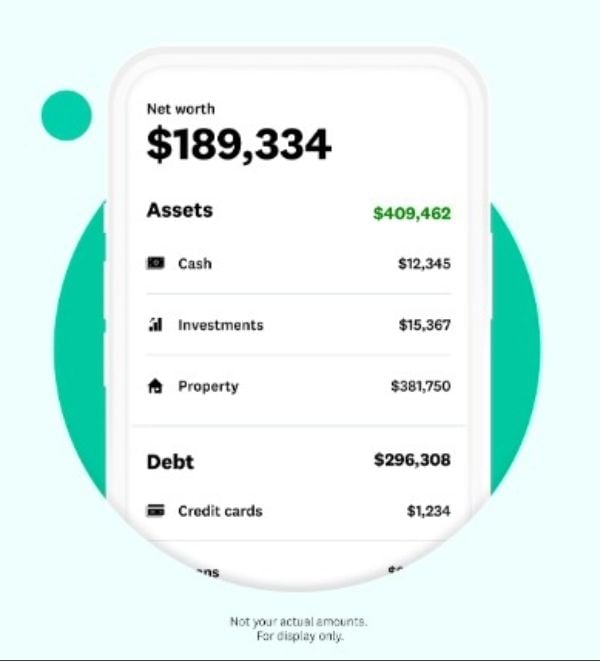
Mint remains one of the most downloaded personal finance apps for a simple reason: it removes the intimidation factor from budgeting almost immediately. According to the report, Mint works especially well for beginners because it connects multiple bank accounts and automatically organizes spending into clear categories without requiring users to build a system from scratch.
Once accounts sync, the app creates a living snapshot of your financial life. Expenses sort themselves into categories such as food, transportation and bills, allowing users to understand spending patterns without manual calculations. Alerts notify you when you approach preset limits, which helps prevent overspending before it happens rather than highlighting mistakes afterward. That subtle shift changes budgeting from reactive to proactive, and many users find themselves adjusting habits naturally once they see the numbers in real time.
Mint also allows unlimited budget categories, giving users flexibility to reflect real lifestyles rather than rigid financial templates. Someone saving for travel, paying down debt or managing irregular freelance income can customize tracking without losing simplicity. Reader’s Digest highlights this balance between automation and control as the reason Mint remains a go-to entry point for people beginning their budgeting journey.
2 / 5
ynab.com
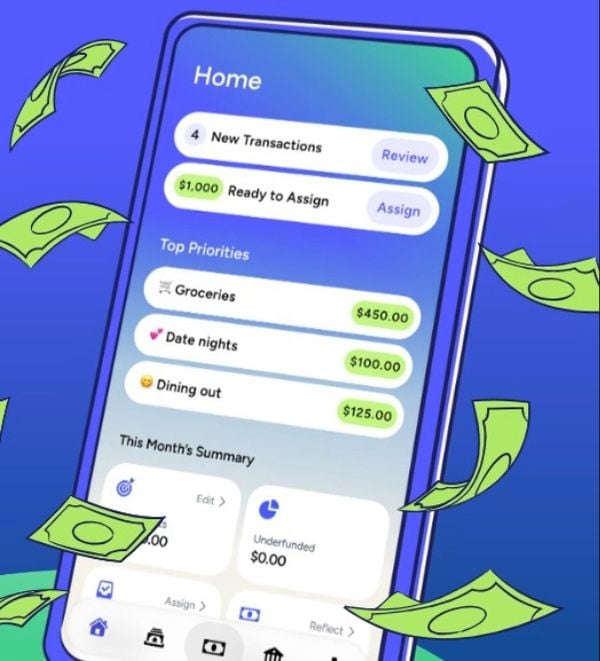
YNAB, short for You Need a Budget, appeals to people who want more than basic tracking and are ready to treat budgeting as a long-term financial strategy. According to the report, the app encourages users to assign every dollar a specific purpose, ensuring income actively supports expenses, savings goals and debt reduction rather than disappearing unnoticed throughout the month.
The platform follows a structured four-rule system designed to help users plan ahead instead of reacting to bills as they arrive. After entering income, YNAB suggests how funds should be distributed, encouraging thoughtful decisions about spending priorities. This hands-on approach can feel transformative because budgeting stops being about limitations, and starts becoming a tool for shaping future goals.
Reader’s Digest reports that new users of this budgeting system saved an average of $600 during their first two months and more than $6,000 in their first year, illustrating how intentional planning can quickly compound into meaningful financial progress. The app also emphasizes education, helping users understand why budgeting works rather than simply showing numbers on a screen.
3 / 5
fudget.com
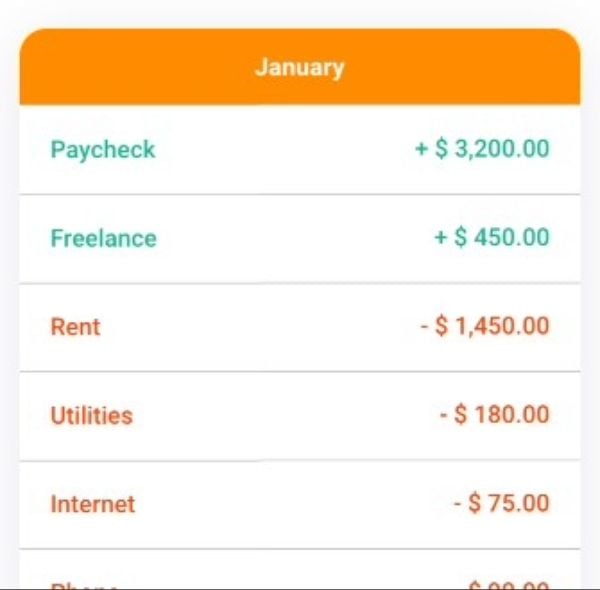
Not everyone wants charts, forecasts or automated syncing, and Fudget embraces that reality with refreshing honesty. The report describes it as a step beyond a spreadsheet, allowing users to manually enter income and expenses using a straightforward line-item system.
The appeal lies in its simplicity. Instead of overwhelming users with features, Fudget focuses on visibility. You write down what comes in, record what goes out and immediately understand your financial balance. Many users find this manual approach surprisingly effective because it creates awareness through participation. Typing each expense encourages mindfulness in a way automation sometimes does not.
Reader reviews highlighted by Reader’s Digest emphasize consistency as Fudget’s greatest strength. Complex budgeting systems often lose users over time, while Fudget remains easy enough to maintain daily or weekly without effort. The app feels less like financial software and more like a personal notebook that happens to live on your phone.
4 / 5
goodbudget.com
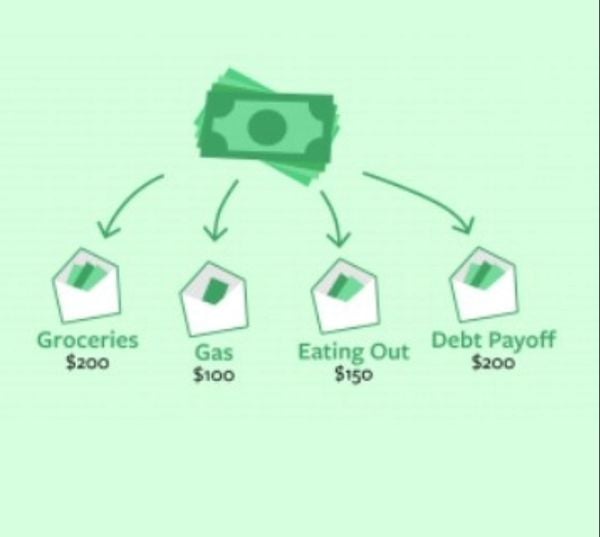
Long before smartphones existed, many households managed money using labeled envelopes filled with cash for groceries, gas and entertainment. Goodbudget recreates that familiar system digitally, combining traditional budgeting wisdom with modern convenience. Reader’s Digest explains that the app divides income into virtual envelopes representing different spending categories, helping users see instantly how much money remains available.
Each purchase draws from its assigned envelope, and visual indicators on the home screen shift from green to red as funds run low. The experience feels intuitive because it mirrors physical cash management while eliminating the need to carry envelopes everywhere. Users gain structure without sacrificing flexibility, making it easier to maintain spending limits throughout the month.
The report describes significant financial improvement after consistent use, with one reviewer reporting a complete turnaround from living paycheck to paycheck to saving money and paying bills promptly.
For people who appreciate traditional budgeting principles but want the convenience of digital tracking, Goodbudget offers a comfortable bridge between old-school discipline and modern financial tools.
5 / 5
pocketguard.com
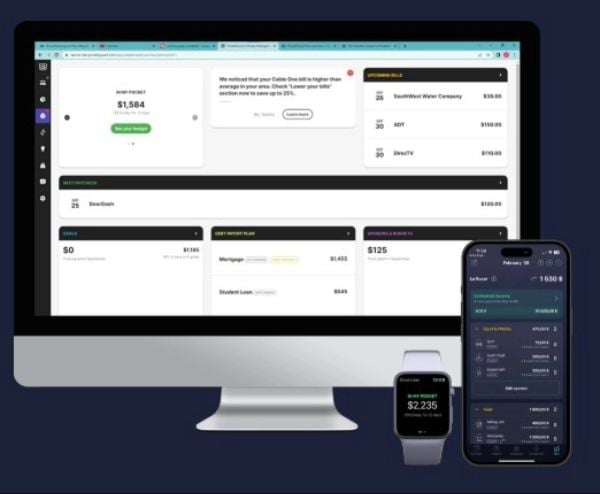
Budgeting often fails because people do not want complicated reports; they want one clear answer. PocketGuard delivers exactly that through its signature In My Pocket feature, which calculates how much money remains available after bills, savings goals and recurring expenses are accounted for. Reader’s Digest includes PocketGuard among the best budget apps for its ability to translate complex financial data into a simple, usable number.
The app connects to thousands of financial institutions, automatically pulling balances from bank accounts, credit cards and loans. A visual pie chart breaks down spending categories, offering a quick overview of where money flows each month. Instead of requiring constant calculations, PocketGuard presents finances as an ongoing conversation between income and priorities.
Predictive tools estimate future expenses and income patterns, helping users anticipate upcoming costs rather than reacting to surprises. That forward-looking perspective makes everyday decisions easier, whether deciding on dining out, planning travel or determining how aggressively to save.
