10 of the coldest — and snowiest — cities in America
From Fairbanks to Syracuse, these American cities face the most extreme cold and snowfall. Discover where winter hits hardest in the U.S.
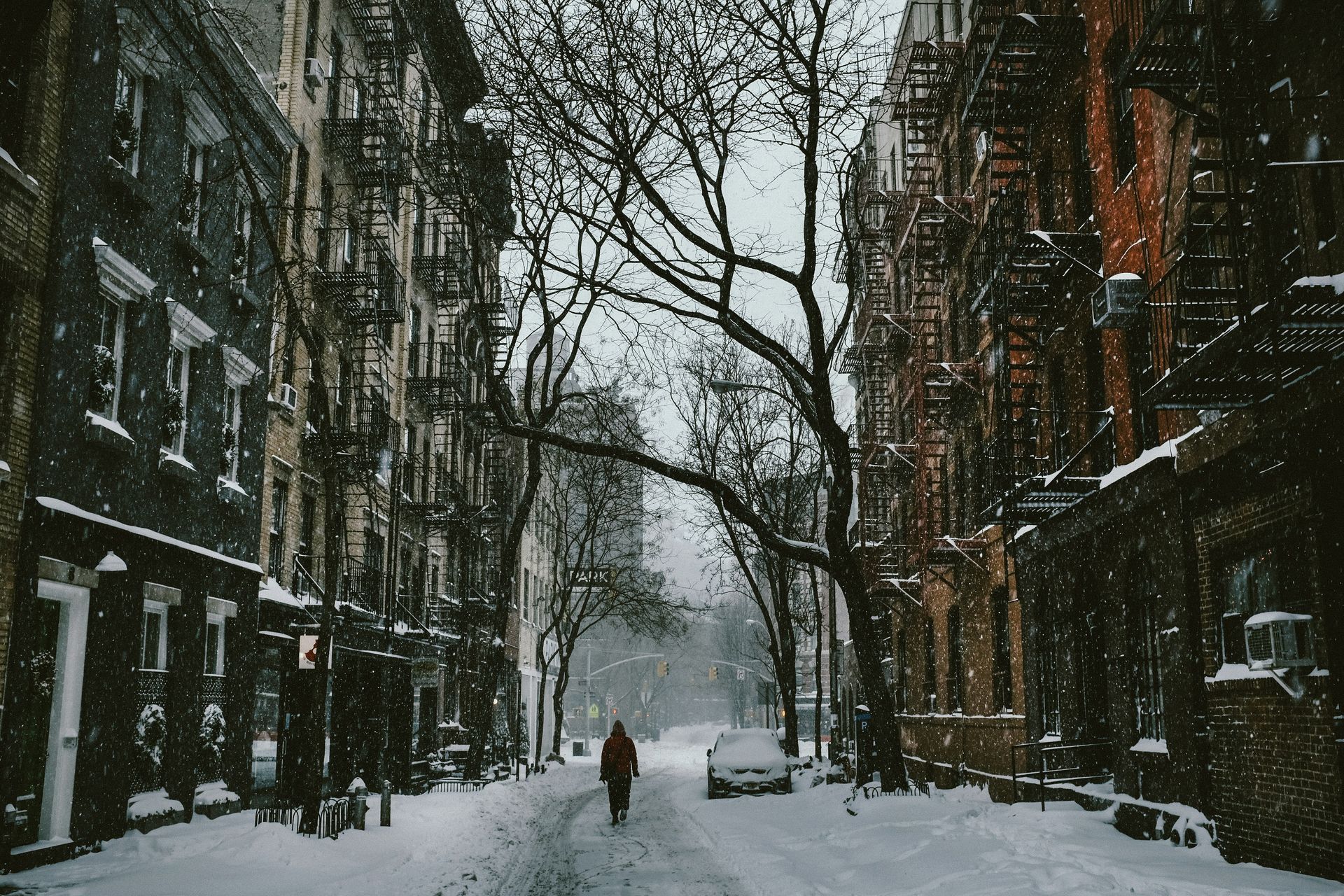
Chanan Greenblatt / Unsplash
Winter in the United States doesn't pick sides — but it does pick on people, and it does it in two very distinct ways: cold that cuts through you and snow that just keeps coming. Some cities spend months frozen solid with barely a flake to show for it, while others disappear under so much snow that digging out feels like a part-time job. Either way, the consequences are real — on how people commute, how cities hold together, and even on what it costs to own a home. In these places, winter isn't just a nuisance. It's a financial reality and a physical one.
Geography is largely to blame. The further north you push, the colder things get — but elevation complicates the story, pinning cold air down in valleys and across high plateaus where it has nowhere to go. The Great Lakes work like open-air snow factories, loading up storm systems and unleashing them on whatever city happens to be downwind. Alaska doesn't really need a more detailed explanation — stack continental cold on top of winters that refuse to end and you've said everything that needs to be said. For the ten cities ahead, winter isn't something that happens to them once a year. It's the backdrop to everything.
1 / 10
Fairbanks stands alone as the coldest city in America
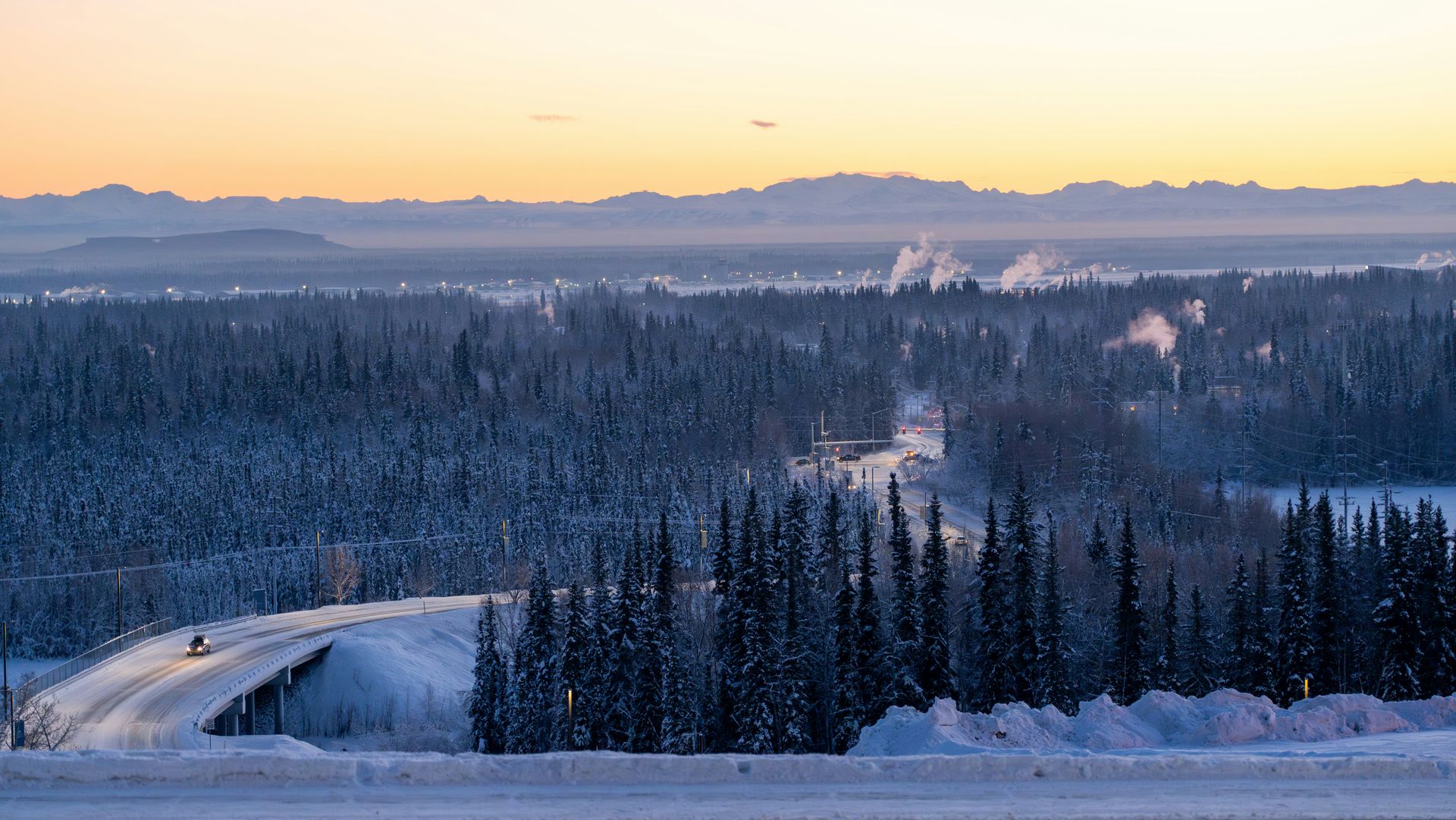
Yuhan Du / Unsplash
Fairbanks has the lowest average annual temperatures of any major city, with winter lows routinely plunging deep below zero. Redfin ranks it at the top of the coldest cities list due to its interior Alaska location and fully continental climate. Their cold-weather analysis places Fairbanks in a category of its own.
2 / 10
Syracuse buries residents under more than ten feet of snow each year
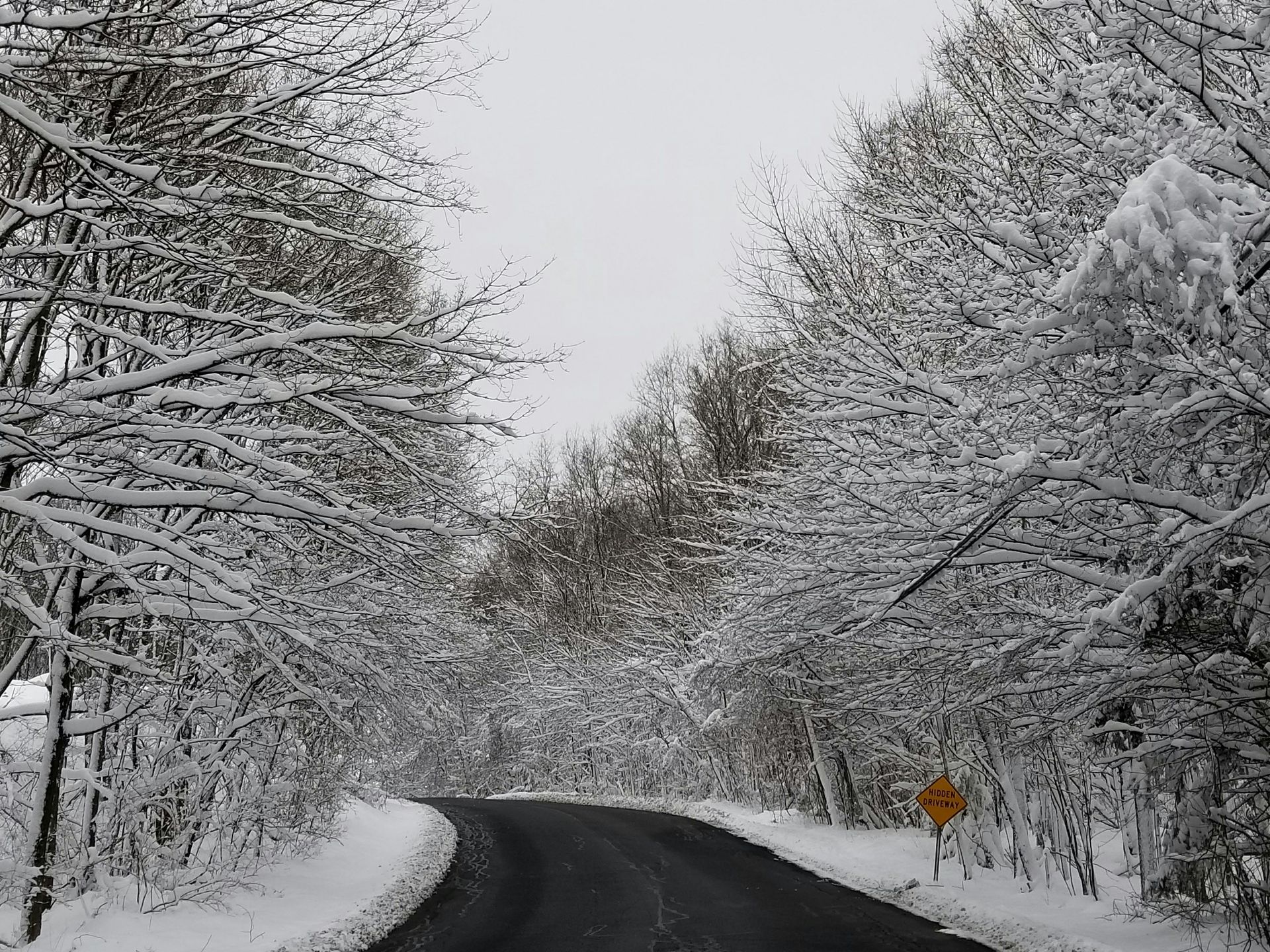
Joshua Ramsdell / Unsplash
Syracuse averages roughly 128 inches of snowfall annually, driven by intense lake-effect storms off Lake Ontario. Outside Online identifies it as the snowiest city in the country, where winter storms arrive early and linger late.
3 / 10
Erie absorbs relentless lake-effect snowfall every winter
Albert / Unsplash
Erie receives more than 100 inches of snow per year as cold air repeatedly crosses Lake Erie and unloads on the city. Groundworks’ snowfall impact report highlights Erie as one of the most snow-impacted cities, noting the structural and logistical strain caused by sustained accumulation.
4 / 10
Anchorage pairs deep cold with steady, heavy snow
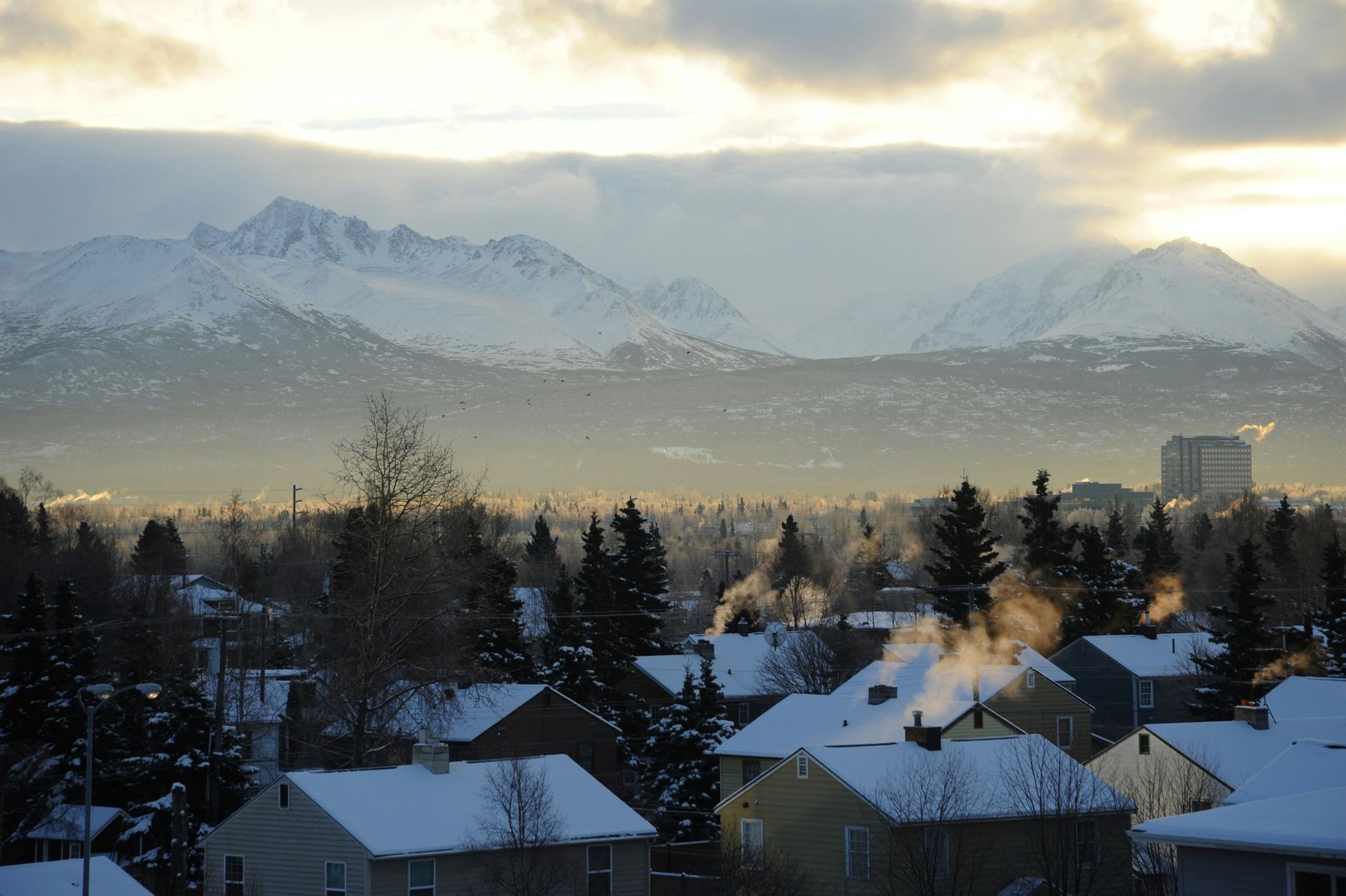
Wonderlane / Unsplash
Anchorage combines long, cold winters with nearly 80 inches of snowfall each year, reflecting its northern latitude and coastal exposure. Redfin includes Anchorage among both the coldest and snowiest major cities due to the consistency of winter conditions.
5 / 10
Buffalo turns lake effect into a seasonal endurance test

Anil Baki Durmus / Unsplash
Buffalo averages more than 95 inches of snow annually and has experienced single-season totals approaching 200 inches. Outside Online attributes this intensity to lake-effect systems that repeatedly regenerate over Lake Erie.
6 / 10
Rochester stacks snowstorm after snowstorm each winter
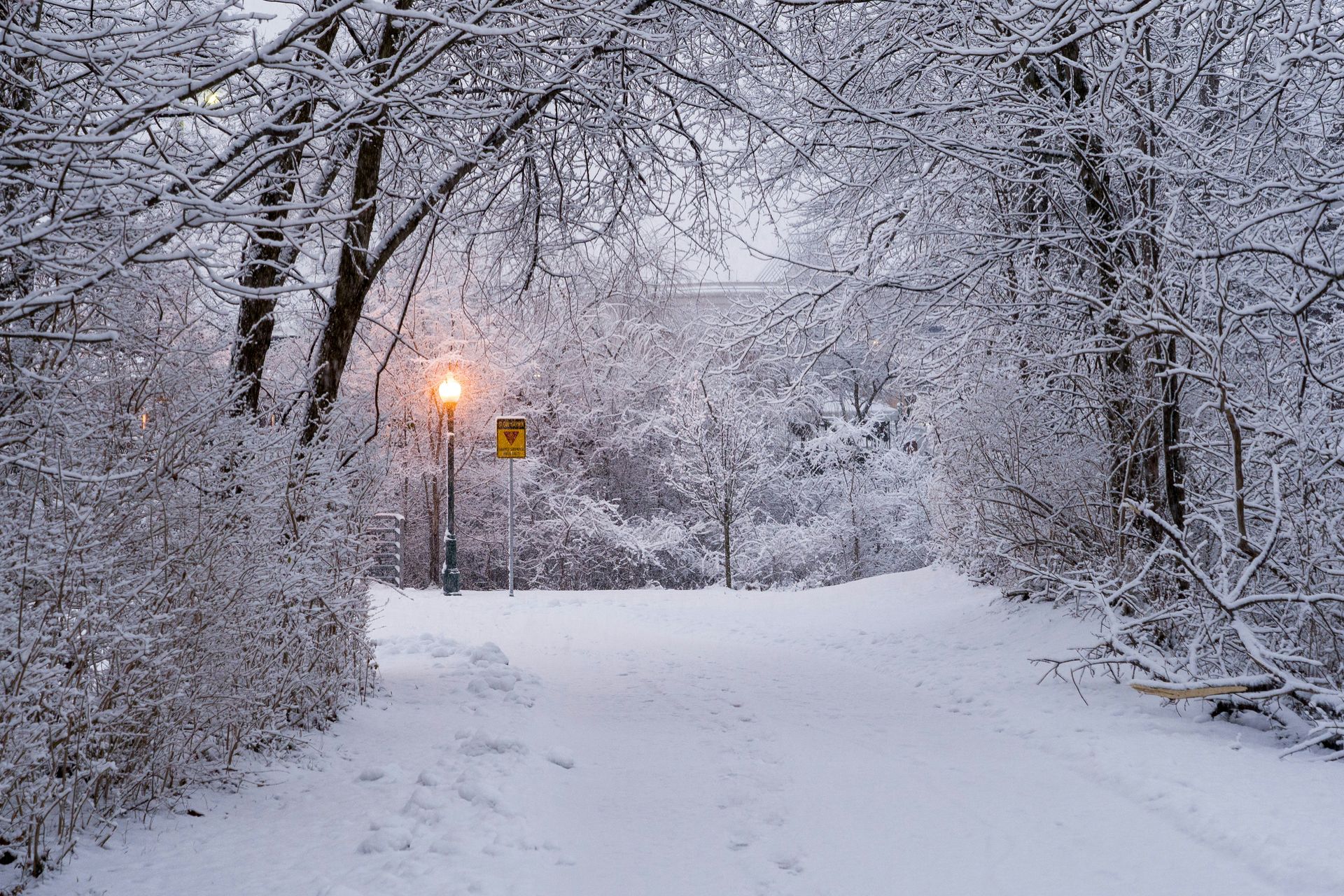
Mr. Hickmott / Unsplash
Rochester, NY, records just over 100 inches of snow in an average season, placing it firmly among the snowiest cities in the country. Groundworks cites Rochester as a city where persistent snowfall places ongoing pressure on homes and foundations.
7 / 10
Grand Forks feels Arctic air without resistance
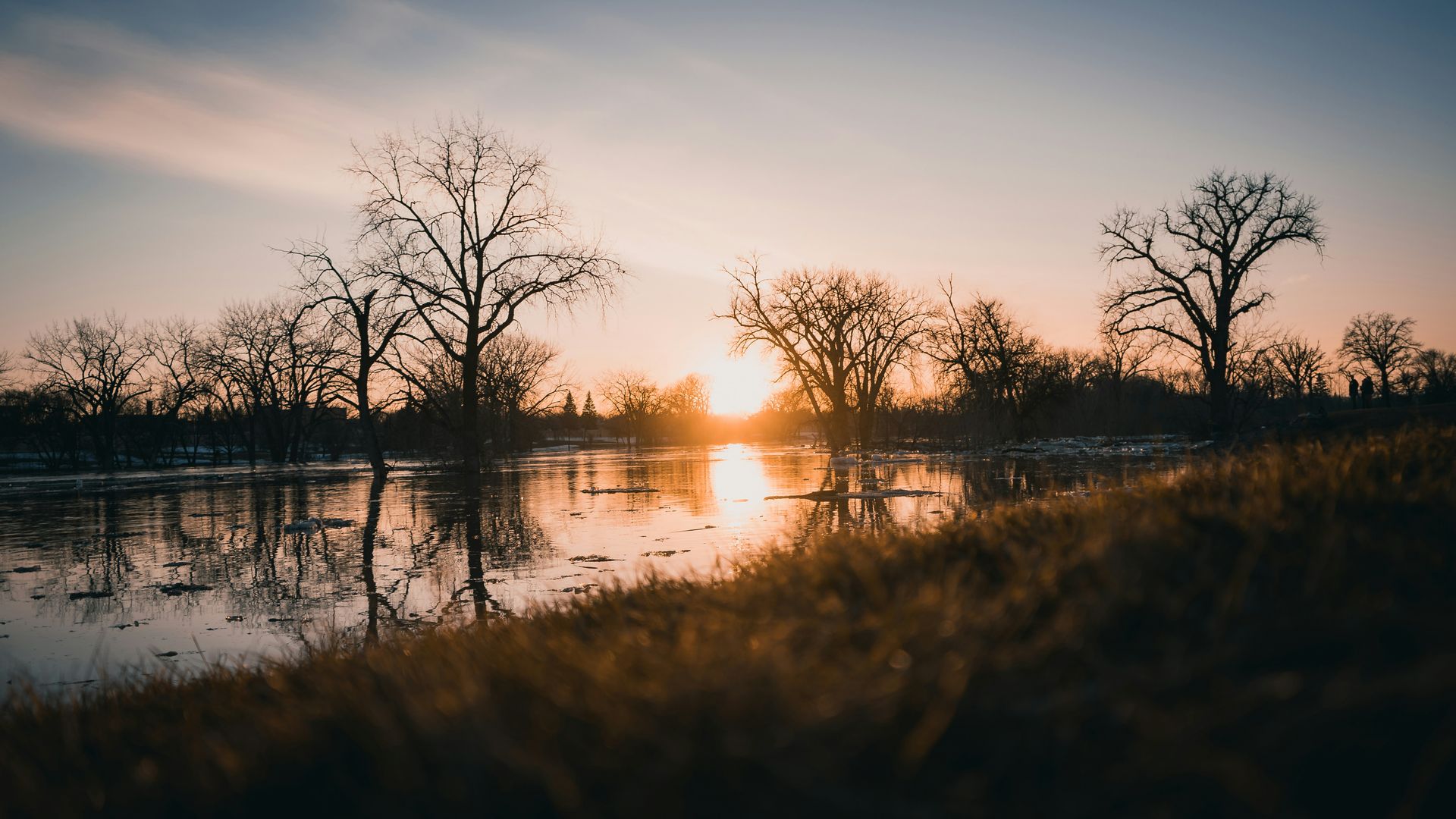
Jason Rojas / Unsplash
Grand Forks ranks among the coldest cities in the lower 48, with flat terrain that offers no barrier to Arctic air masses. Redfin notes that its consistently low winter temperatures drive its placement near the top of cold-weather rankings.
8 / 10
Duluth combines lake-effect snow with sustained cold
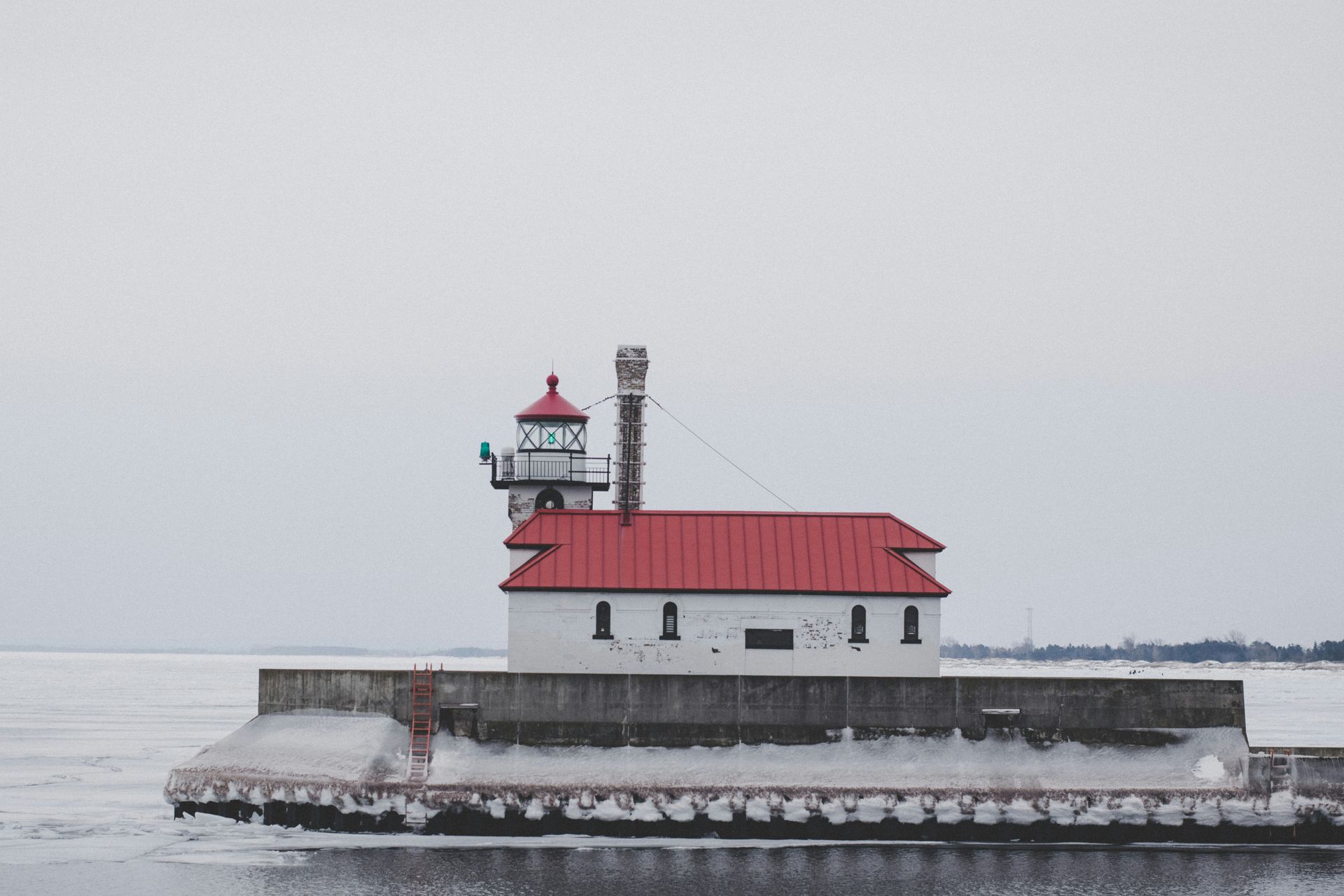
Finden Marketing / Unsplash
Duluth receives close to 90 inches of snow annually while enduring long, cold winters along Lake Superior. Outside Online points to its position on the lake as a key driver of both snowfall volume and storm frequency.
9 / 10
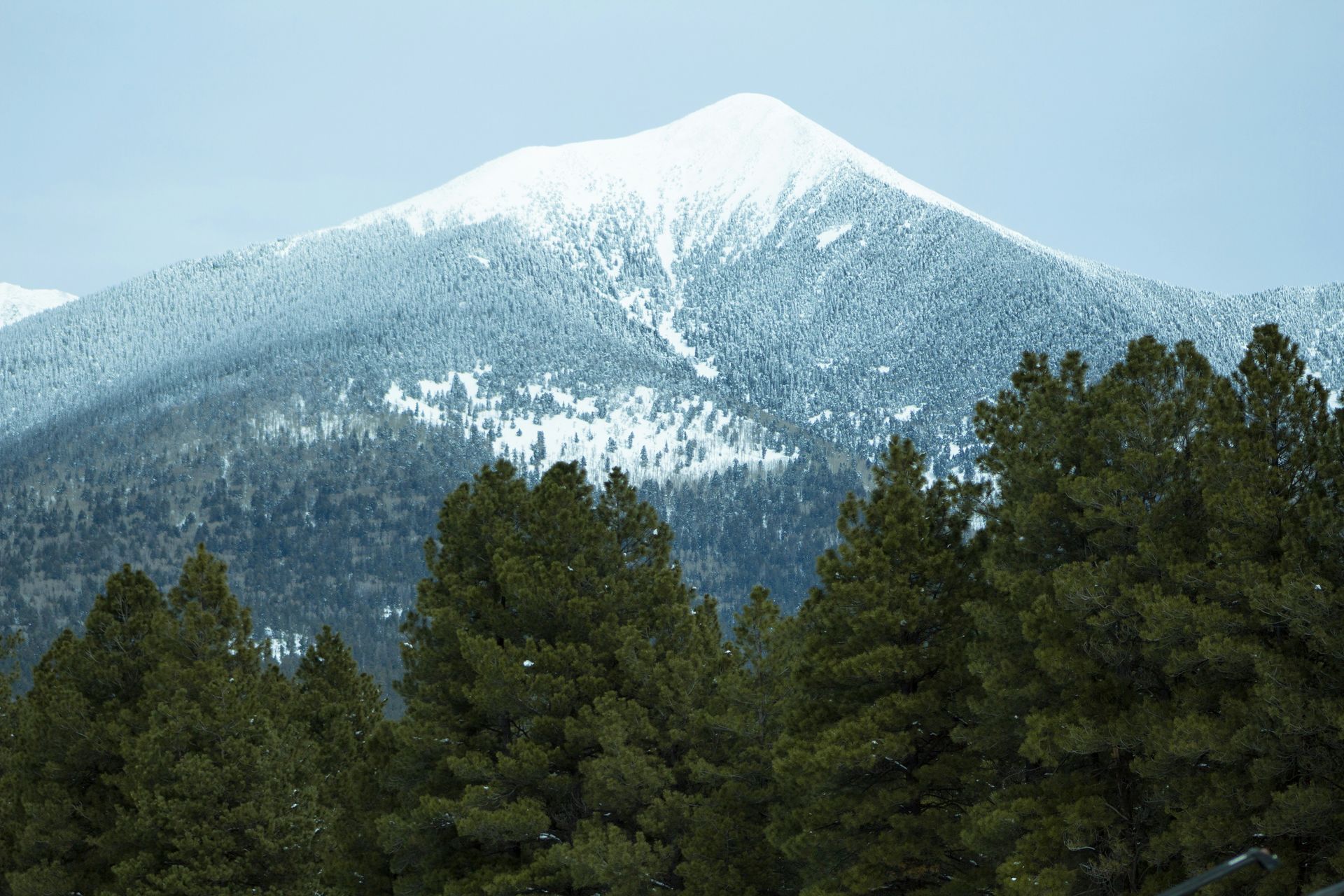
Flagstaff turns elevation into a snow machine
Rylan Hill / Unsplash
Flagstaff averages about 90 inches of snowfall per year, an outlier for Arizona driven by its nearly 7,000-foot elevation. Groundworks highlights the city as an example of how altitude transforms moderate moisture into heavy snow.
10 / 10
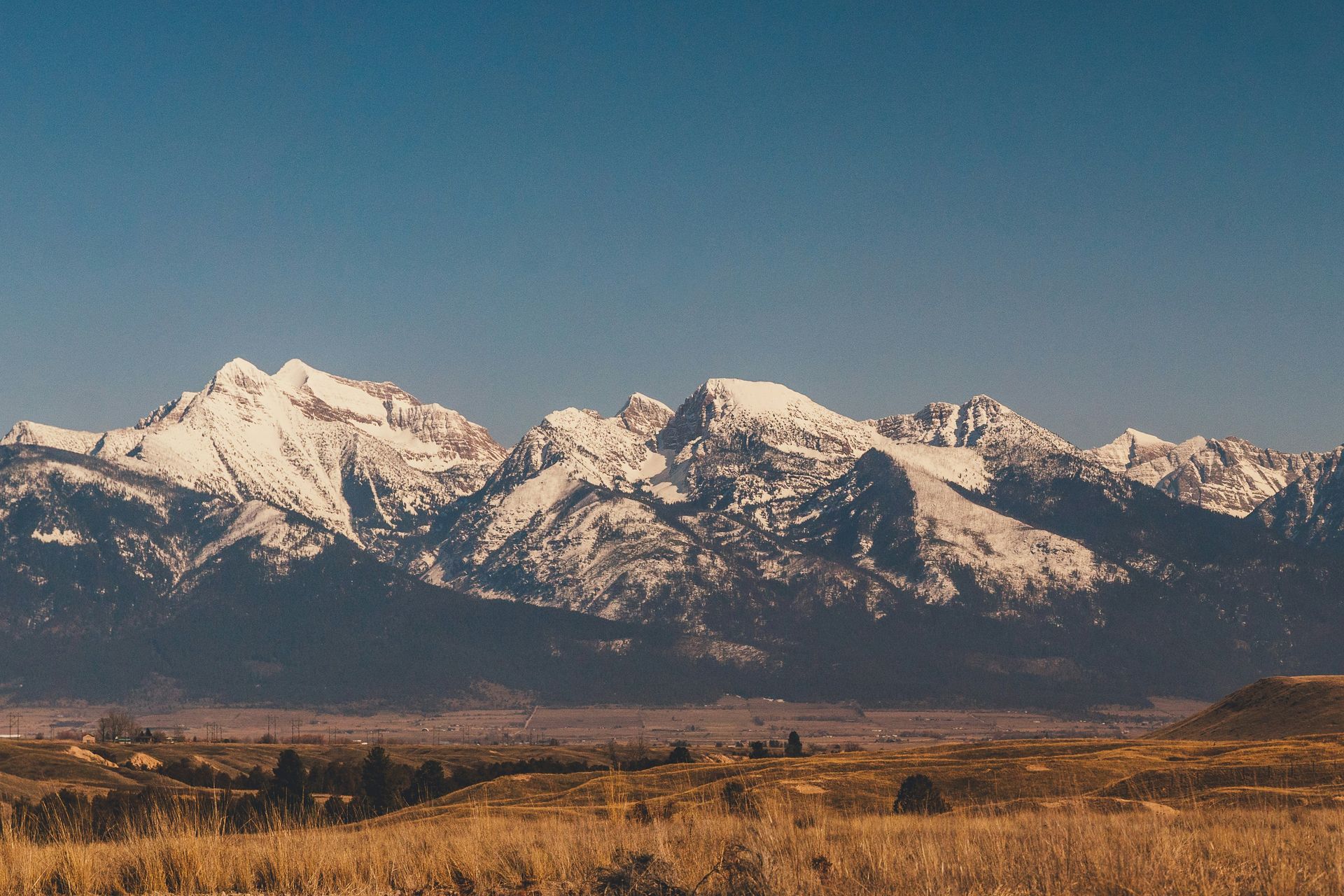
Butte shows how cold lingers at higher elevations
Nic Y-C / Unsplash
Butte’s high elevation and northern latitude keep average temperatures low throughout the year. Redfin includes the city among the coldest in America, citing its prolonged winters and limited seasonal relief.
