From Mount Fuji to Bali's temples, Asia's top destinations ranked across every budget and travel style
Oscar Wong / Getty Images
Asia resists easy summary. The continent stretches from the Arctic coast of Russia to the tropical beaches of Indonesia, encompasses more than four billion people across dozens of languages and religious traditions, and contains landscapes that range from the highest mountains on Earth to some of the world’s most densely populated urban corridors. A traveler who spends a week in Tokyo and a week in Bhutan has technically visited the same continent, but the two experiences share almost nothing in common. Not the infrastructure, not the pace, not the cost, and not the cultural framework that shapes daily life in each place. That breadth is precisely what makes Asia such a compelling destination for travelers who want variety without having to book multiple intercontinental flights.
The practical reality of planning an Asian trip, however, is that breadth can become a source of genuine confusion. A traveler with two weeks and a budget to manage faces a very different decision from one with unlimited time and resources, and the best destination for a wildlife-focused trip bears no resemblance to the best destination for a city-focused one. Asia’s top destinations sort themselves not just by type — beach, city, culture, nature — but also by travel cost, ease of access, tourist infrastructure, and the degree to which a place rewards independent exploration versus guided touring. Getting those factors right matters more here than almost anywhere else because the distances between Asian destinations are vast, and a poorly matched choice is not easily corrected with a quick train ride to the next city.
The 10 destinations below come from U.S. News & World Report’s ranking of the best places to visit in Asia for 2026, which evaluated destinations based on local prices, accessibility, cuisine, and the variety of attractions each location offers, supplemented by reader feedback. The list spans countries across East Asia, Southeast Asia, and South Asia, covering volcanic peaks and island archipelagos, ancient capitals and modern megacities, wildlife reserves and cultural heritage sites, so travelers can find the destination that best suits their priorities before they book.
DoctorEgg / Getty Images
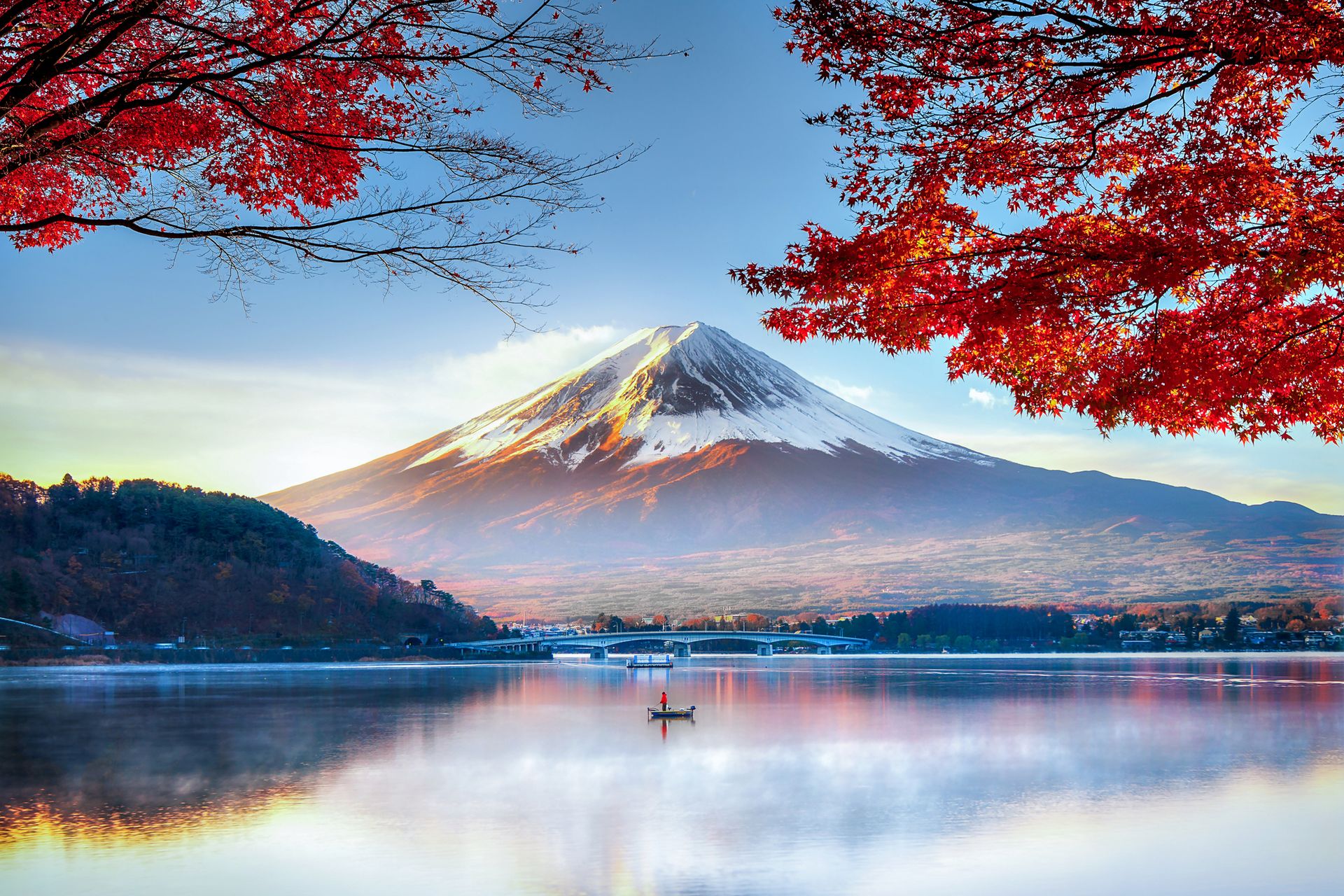
Mount Fuji, Japan’s highest peak and most recognized landmark, earns its first-place position on this list by delivering a compelling reason to visit in every season of the year. Spring brings cherry blossoms to the surrounding landscape, summer opens the mountain’s climbing season, autumn turns the slopes into a foliage showcase, and winter draws skiers to the area’s resorts. The mountain operates as a year-round destination in a way few natural landmarks anywhere in the world can match, which means a traveler visiting Japan at almost any time of year has a strong case for including it in the itinerary.
Access from Tokyo is straightforward. The Fuji Excursion train takes roughly two hours, making Mount Fuji a viable day trip from the capital without requiring an overnight stay. Travelers $TRV who want more time with the mountain can base themselves in the Fuji Five Lakes area on its northern side, where Arakurayama Sengen Park provides one of the most photographed views of the peak, and where Lake Kawaguchiko’s onsens — traditional Japanese hot spring baths — offer a contemplative way to absorb the scenery at closer range.
The surrounding area rounds out the visit with local culinary traditions worth seeking out. Hoto noodles, a hearty regional dish made with flat wheat noodles and vegetables in a miso-based broth, belong to the area and give visitors a food-specific reason to linger beyond the views. Mount Fuji is classified as an active volcano, a geological fact that adds a dimension of latent power to the landscape that purely scenic mountains do not carry. Seasonal versatility, easy transport links from one of the world’s largest cities, distinctive local food, and the mountain's physical scale make this the most broadly accessible major natural attraction in Asia. The two-hour train journey from Tokyo means that even a traveler with a tight itinerary can add the mountain without sacrificing multiple days, and the Fuji Five Lakes area rewards those who stay overnight with a quality of light on the peak — particularly at dawn and dusk — that the day-tripper never encounters.
Marco Bottigelli / Getty Images
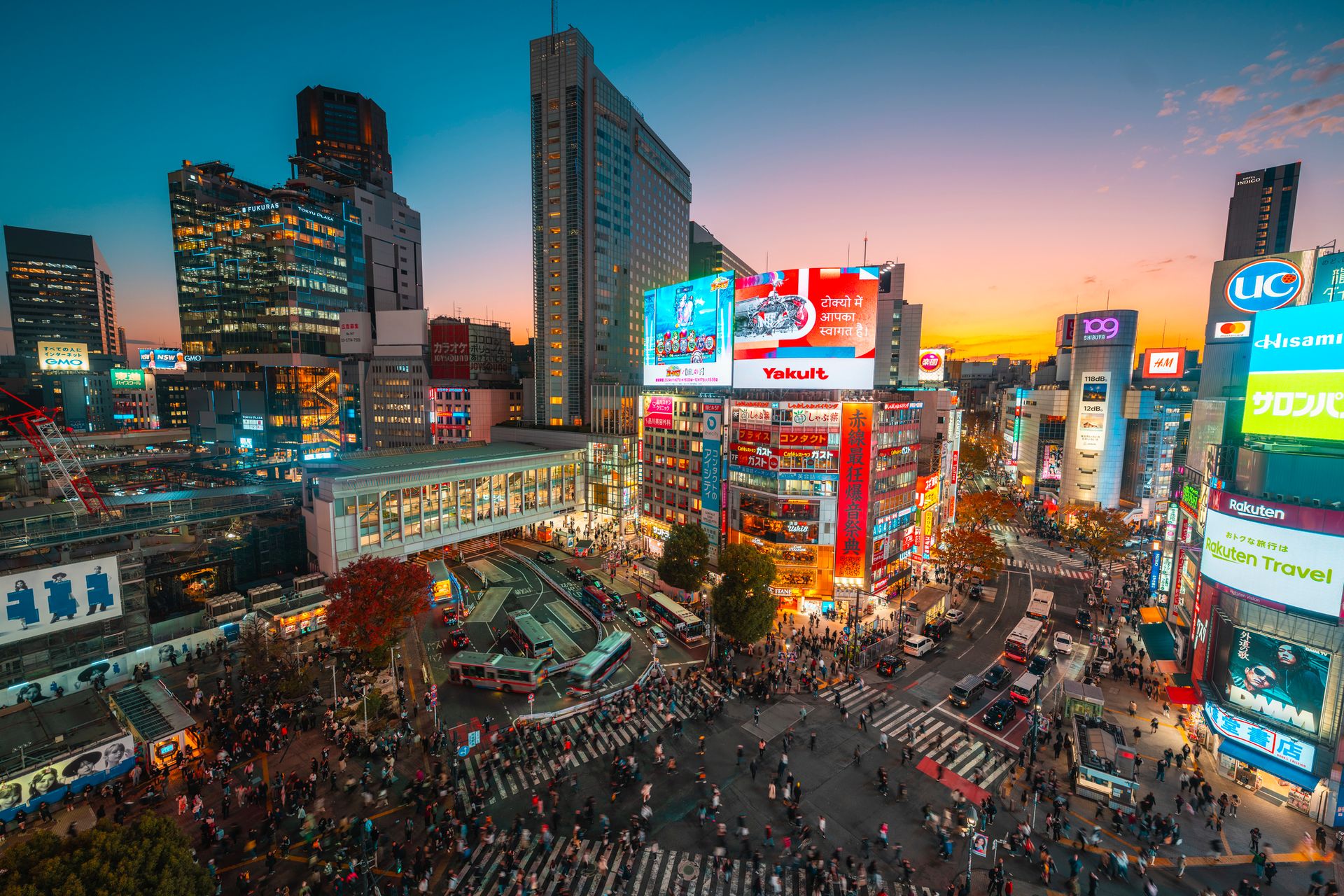
Tokyo is the most populated city in the world, a fact that shapes every aspect of the experience from the moment a traveler exits the train station into a current of hundreds of thousands of daily commuters. The scale registers as dizzying to first-time visitors navigating the neon-lit streets and layered transit infrastructure, but the city rewards persistence. Quirky, specialized museums cover subjects from ramen to parasites to currency, and the architectural variety across neighborhoods gives urban explorers a reason to simply walk without a fixed agenda and find something worth stopping for.
The gastronomic landscape is unmatched anywhere in Asia. Tokyo holds more Michelin-starred restaurants than any other city on Earth, a concentration of culinary achievement that spans everything from a 10-seat sushi counter where a single meal requires a months-long reservation to standing ramen shops that charge less than five dollars for a bowl. Sky-high cocktail bars in the towers of Shinjuku and Shibuya offer a different kind of food experience, pairing elevated views with creative drinks programs that reflect the city’s appetite for craft and precision across every category of consumption.
Cultural and religious sites provide a counterweight to the commercial intensity. The Meiji Shrine, surrounded by a forested park in the middle of the city, absorbs visitors into a quiet ceremonial space that feels genuinely removed from the urban density pressing in from all sides. Sensoji Temple in the Asakusa district offers a more tourist-focused experience while retaining its spiritual identity and connecting visitors to the city’s pre-modern history. Odaiba, an artificial island in Tokyo Bay, offers a different register entirely. Shopping, entertainment, and waterfront leisure in a futuristic setting illustrate the city’s willingness to build new layers of experience atop existing ones. For a traveler spending multiple days in Tokyo, the sheer number of distinct neighborhood identities — each with its own food culture, aesthetic, and social atmosphere — means the city rewards longer stays in a way few destinations anywhere in the world can.
Afriandi / Getty Images
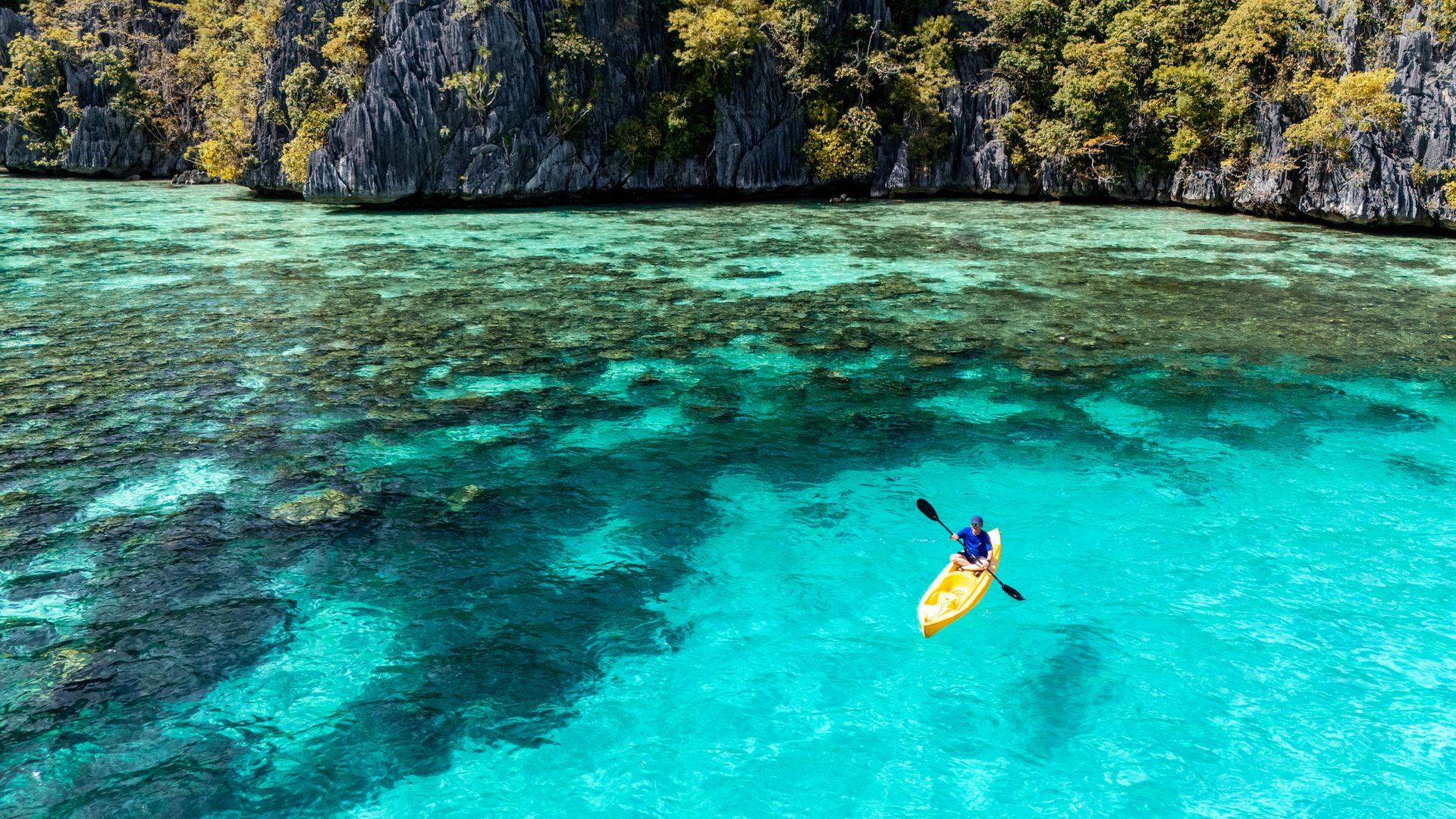
Palawan sits between the Sulu and South China seas, a standout destination within the Philippines’ archipelago of more than 7,000 islands, a country that offers no shortage of beach destinations but none that match Palawan’s concentration of natural assets in a single province. The coastline delivers sprawling white sand beaches and shallow aquamarine lagoons suited for wading and snorkeling, and the two primary destination hubs — El Nido in the north and Coron in the northeast — each offer distinct versions of the same essential appeal: clear water, dramatic scenery, and marine life that rewards underwater exploration.
The adventure options beyond the beach separate Palawan from the region’s purely resort-oriented destinations. Jagged limestone cliffs rise from the water around El Nido, offering technical climbing terrain for travelers who want vertical engagement alongside the marine experience. Sea caves accessible by canoe on the Puerto Princesa Subterranean River, a UNESCO World Heritage Site, take visitors through an underground river system beneath the jungle. No comparable setting exists elsewhere in Southeast Asia at this scale and accessibility. Tubbataha Reefs Natural Park, reachable by liveaboard dive boat from Puerto Princesa, holds some of the richest coral reef systems in the Coral Triangle and supports sea turtle populations large enough to make an encounter on any given dive a reasonable expectation.
The practical case for Palawan rests on the density of genuinely world-class experiences packed into a single destination. A traveler who spends a week between El Nido and Coron can snorkel pristine lagoons in the morning, kayak through sea caves in the afternoon, and eat grilled seafood at a beachside restaurant in the evening without once repeating a core activity. The layering of beach, marine, cave, and cliff environments into a single provincial destination gives Palawan a depth of engagement that most island destinations in Southeast Asia — which tend to specialize in one of those categories — cannot replicate.
Insung Jeon / Getty Images
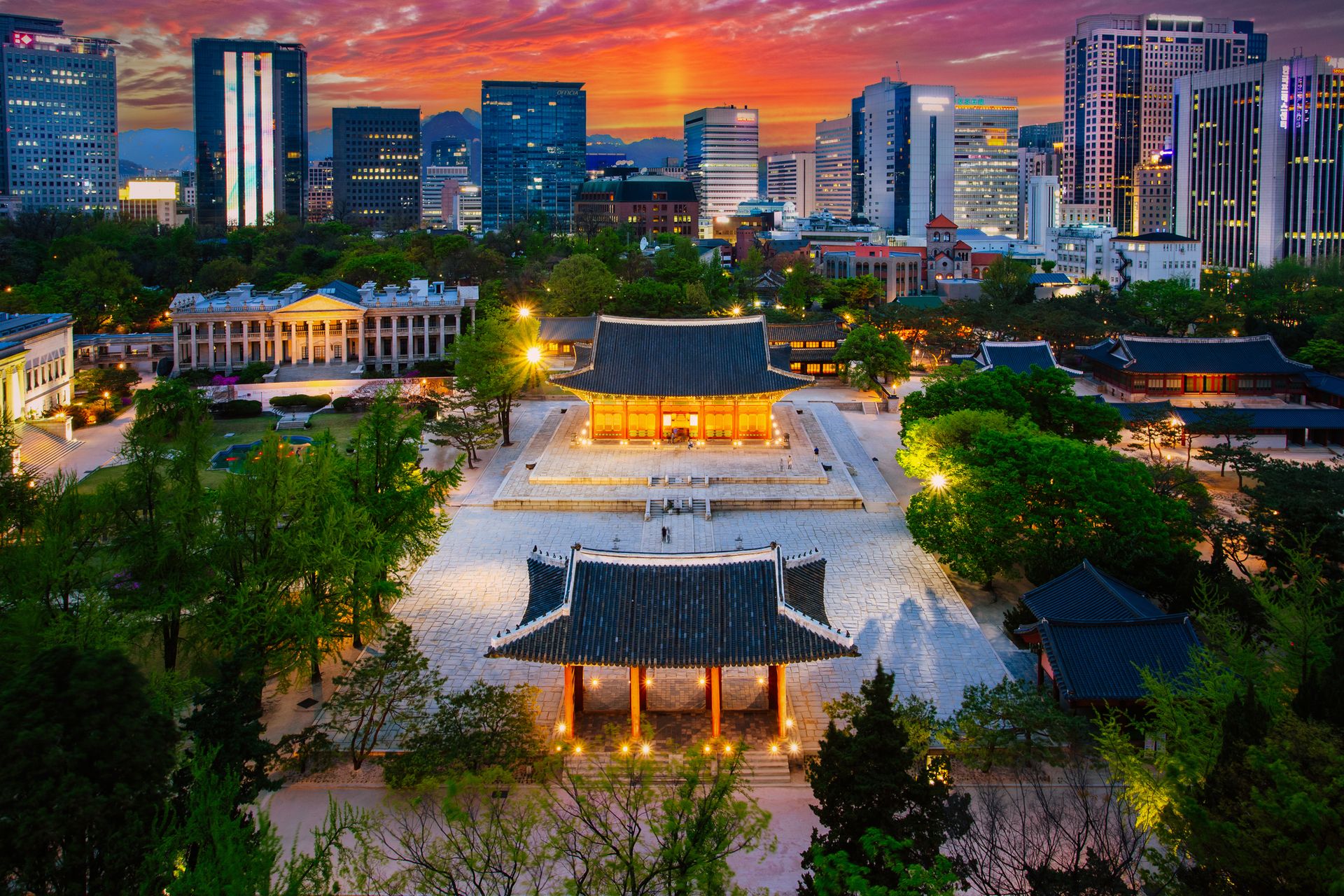
Seoul executes the ancient-modern juxtaposition more fluently than almost any other major Asian city, integrating UNESCO World Heritage Sites into a metropolitan fabric of skyscrapers and high-speed transit without making either element feel like a concession to the other. The 15th-century Changdeokgung Palace Complex, designated by UNESCO for its outstanding example of Far Eastern palace architecture in harmony with its natural setting, is accessible by subway in the center of a city that also hosts one of the world’s most dynamic technology and fashion industries. A traveler can visit a royal throne room in the morning and spend the afternoon in a contemporary art gallery without leaving the same transit zone.
The Changdeokgung complex warrants particular attention. The palace and its Secret Garden — a woodland landscape designed as a private retreat for the royal family — represent the most complete surviving example of Joseon-era palace architecture in Korea, and the UNESCO designation reflects both the physical integrity of the structures and the cultural significance of the site’s design principles. The city’s other historic sites, including additional palaces, shrines, and the hanok village neighborhood of Bukchon, fill out an itinerary that can sustain multiple days of heritage-focused exploration without exhausting the available material.
Myeong-dong, Seoul’s premier retail district, draws visitors seeking fashion, cosmetics, and street food into a dense commercial corridor that operates as a destination in its own right. The district brings together Korean beauty brands, international fashion labels, and street vendors selling skewered snacks and hotteok pancakes into a walkable area that many travelers consider an essential stop regardless of their shopping intentions. The city’s green spaces — Namsan Park, with its views over the Han River basin, and Bukhansan National Park, a granite mountain range on the northern edge of the city — offer natural escapes within easy reach whenever the urban pace demands a counterpoint. Seoul is one of the few cities in Asia where a single visit can justify equal time spent at a UNESCO World Heritage palace, a modern fashion district, and a national park, all without leaving the metropolitan area.
Tuul & Bruno Morandi / Getty Images
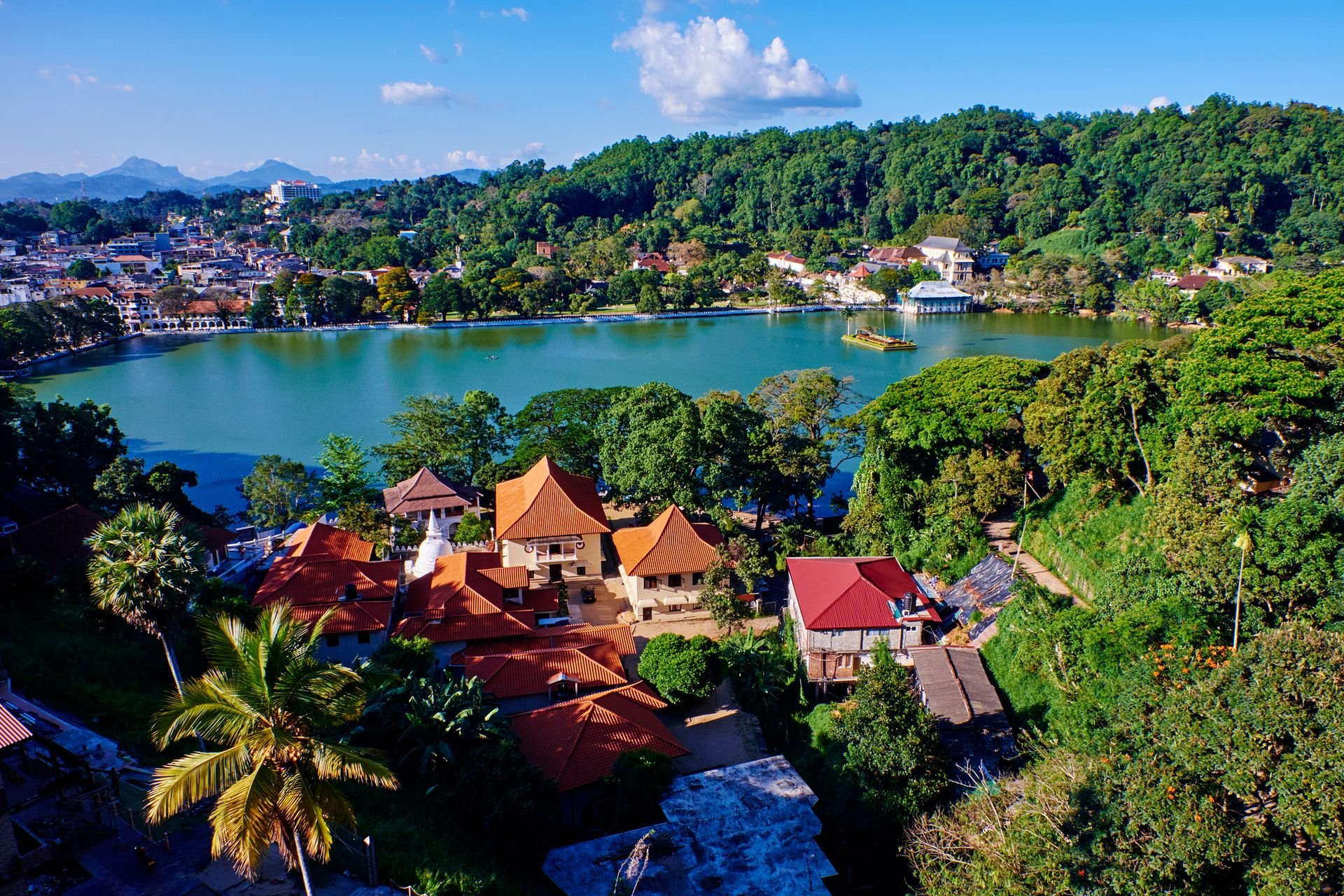
Sri Lanka, positioned off the southern tip of India, holds 26 national parks within a land area roughly the size of Ireland, a concentration of protected wildlife habitat that makes it one of the most accessible safari destinations in Asia for travelers who associate wildlife encounters primarily with East Africa. The parks support populations of Asian elephants, leopards, and sloth bears, and the infrastructure for wildlife viewing — park entry, jeep safaris, and guesthouses near the major reserves — is well-established enough to be navigated without a specialist tour operator, though guided trips remain widely available.
The archaeological dimension of Sri Lanka adds a second complete travel category alongside the wildlife offering. Sigiriya, a fortress city built atop a 600-foot volcanic rock in the fifth century, combines dramatic physical engineering with panoramic views across the central plains and stands as one of the most visually striking ancient monuments in South Asia. The ruins of Polonnaruwa, a medieval capital that served as the seat of Sri Lankan kings from the 11th through 13th centuries, contain temples, palaces, and irrigation reservoirs spread across a landscape that rewards several hours of exploration on bicycle or on foot. Both sites are UNESCO-listed and represent a level of archaeological and architectural achievement that draws serious heritage travelers alongside the wildlife-focused visitor.
Sri Lanka’s beaches complete a three-category destination that covers wildlife, ancient ruins, and coastal relaxation without requiring travel between countries. The palm-fringed golden shorelines on the southern and eastern coasts offer a less crowded alternative to the beaches of Thailand and Bali, and the absence of the mass-tourism infrastructure that defines those destinations gives Sri Lanka a different atmosphere for travelers who value space and quiet alongside scenery. Wildlife parks, fortress ruins, and uncrowded beaches in a geographically compact destination make Sri Lanka the strongest all-round value proposition on this list for travelers who want maximum variety from a single country visit.
phutthiseth thongtae / Getty Images
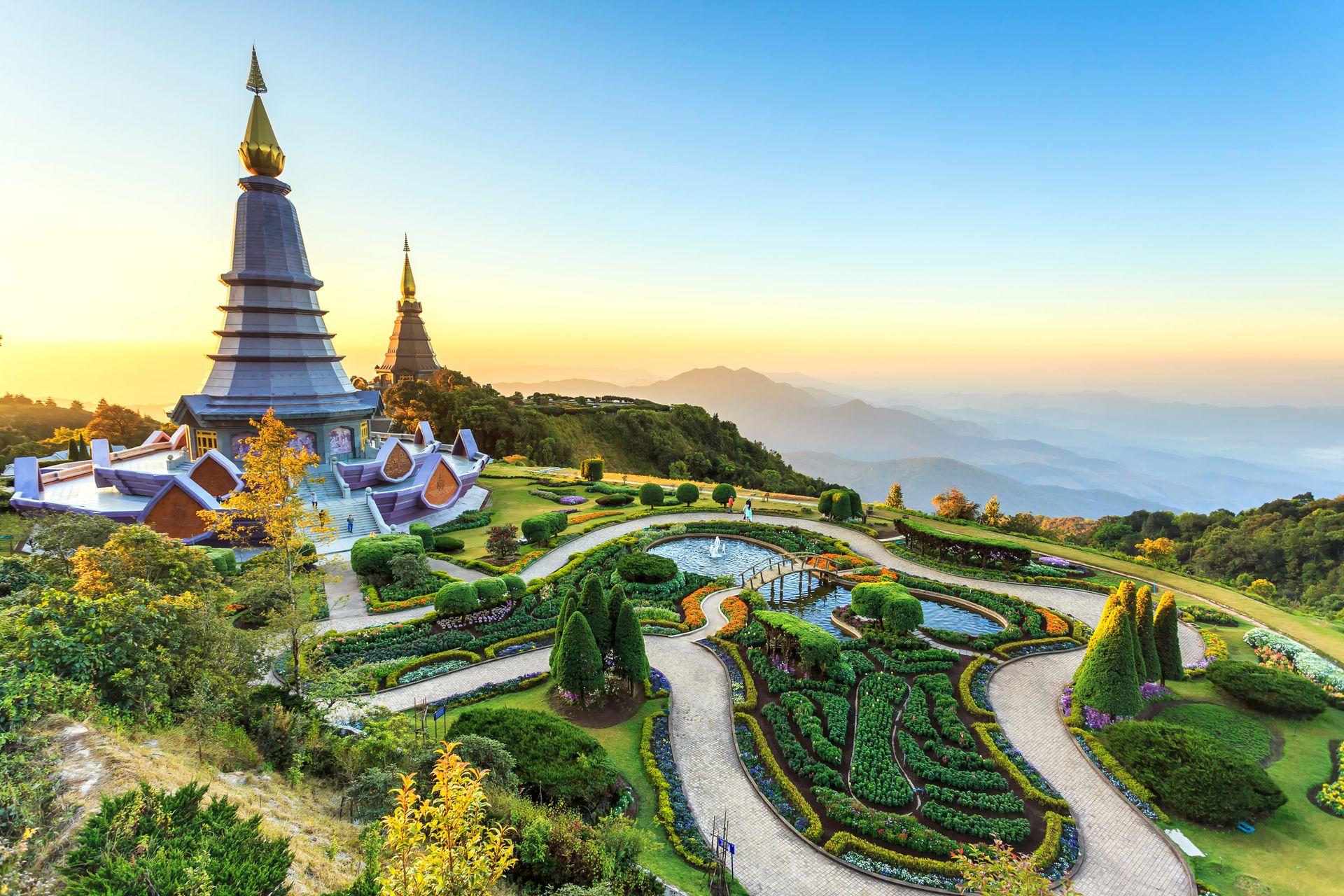
Chiang Mai occupies a valley in the mountains of northwest Thailand and delivers a version of Thai urban culture that runs at a different speed than Bangkok, with a historic walled old city, active temple culture, and an accessible rural hinterland that places elephant sanctuaries and national parks within a short drive of the city center. The scale is manageable — a tuk-tuk ride across the old city takes minutes — and the pace allows visitors to absorb the environment without the sensory overload that Bangkok generates for many first-time visitors to Thailand.
The temple circuit within the old city walls justifies a full day of exploration on its own. Wat Chedi Luang Varavihara, built in the 14th century, contains a partially ruined chedi that once stood among the tallest structures in the country and remains a commanding presence in the city’s religious landscape. Wat Phra Singh houses one of northern Thailand’s most venerated Buddha images and attracts both worshippers and visitors year-round. Night markets in the surrounding streets give the evenings a social and commercial energy distinct from the daytime temple circuit, and a hands-on Thai cooking class provides a structured engagement with local culinary traditions that travelers can take home as a practical skill.
Outside the city, ethical elephant sanctuaries in the surrounding valley allow visitors to observe and interact with rescued elephants in settings that do not involve riding or performing. Verifying that any sanctuary visited does not promote elephant rides or performances is a meaningful distinction in a region where animal tourism spans a wide ethical range. Doi Suthep-Pui National Park, rising above the city on the western side of the valley, provides hiking trails through montane forest and views back across the Chiang Mai basin that contextualize the city within its broader mountain setting. Chiang Mai’s appeal for travelers lies in the density of what it packs into a compact, walkable city — ancient temples, ethical wildlife encounters, mountain hiking, cooking classes, and active night markets — within a format that never demands the logistical stamina required by Bangkok or Tokyo.
Peter Adams / Getty Images
Bhutan enforces a $100-per-day sustainable development fee on all foreign visitors, a deliberate mechanism for managing tourist volume that has preserved the country’s cultural integrity and kept its natural environment largely intact. The policy, combined with the logistical reality that only two airlines serve the country’s single international airport, means that Bhutan never experiences the mass-tourism pressure that has degraded the visitor experience in many of Asia’s most popular destinations. Travelers $TRV who make the effort and absorb the cost encounter a country whose customs, festivals, and landscapes have remained coherent in ways that more accessible Himalayan destinations have not.
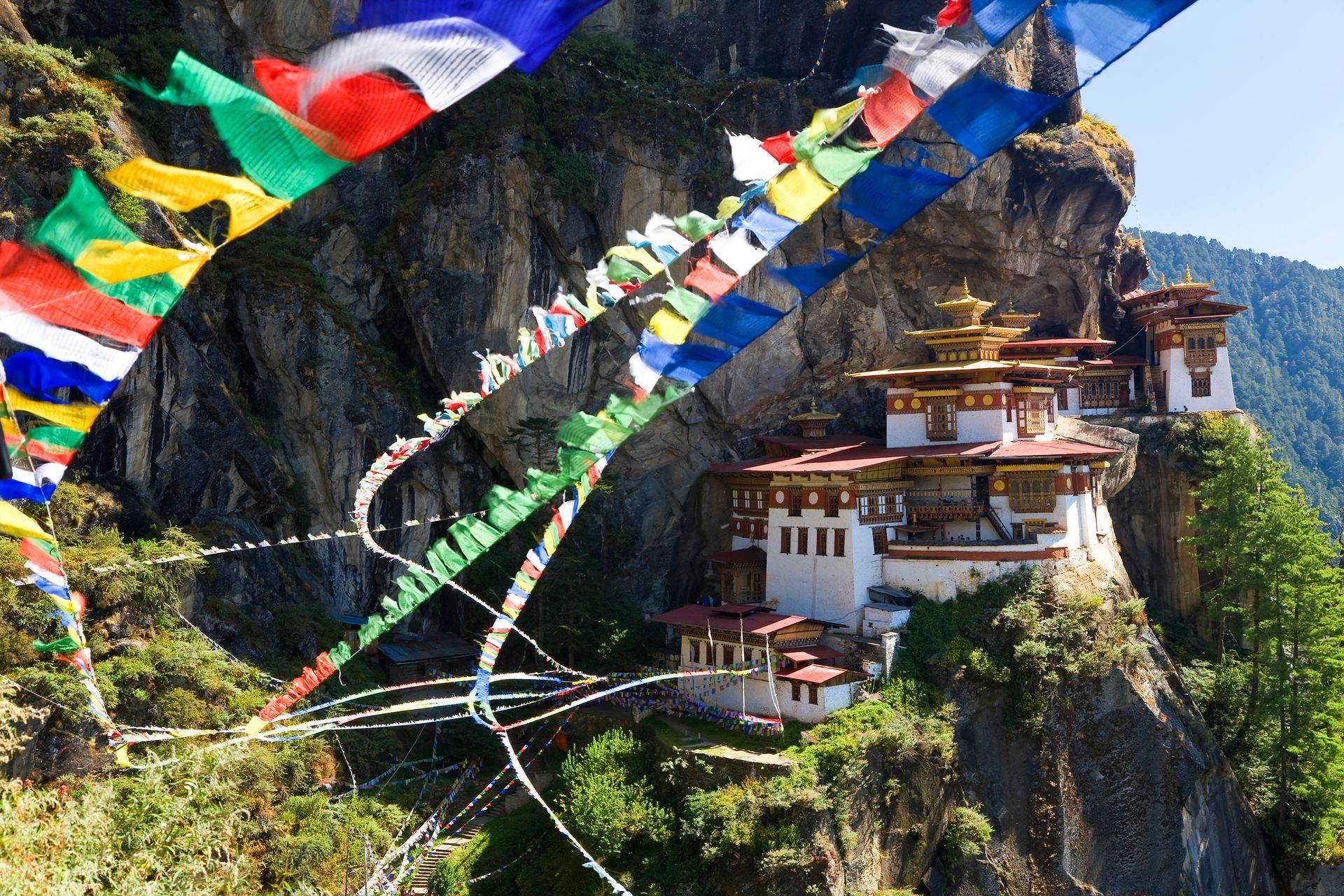
The cultural case for visiting Bhutan centers on the Paro Valley, a mountain-flanked agricultural landscape that holds several of the country’s most significant spiritual sites. Tiger’s Nest monastery — formally Paro Taktsang — clings to a sheer cliff face roughly 900 meters above the valley floor and requires a hike of several hours to reach. The physical effort is proportional to the reward: the monastery complex, built around a cave where Guru Rinpoche is said to have meditated in the eighth century, occupies one of the most dramatically situated religious buildings in Asia. Additional spiritual sites in the valley fill a travel itinerary that rewards slow, contemplative exploration over sightseeing efficiency.
The 250-mile Trans Bhutan Trail, a restored network of ancient footpaths that once connected communities across the country, offers a more extended engagement with the landscape for travelers with the time and fitness to walk it in sections or in full. Bhutan’s vibrant festival calendar — centered on annual tsechu celebrations at dzongs across the country — gives visitors a specific cultural anchor for timing a visit, and the festivals attract both pilgrims and travelers in a shared context that makes attendance feel participatory. For travelers willing to plan carefully and spend accordingly, Bhutan offers a level of cultural and natural authenticity unmatched by any other destination on this list.
Aylata / Getty Images
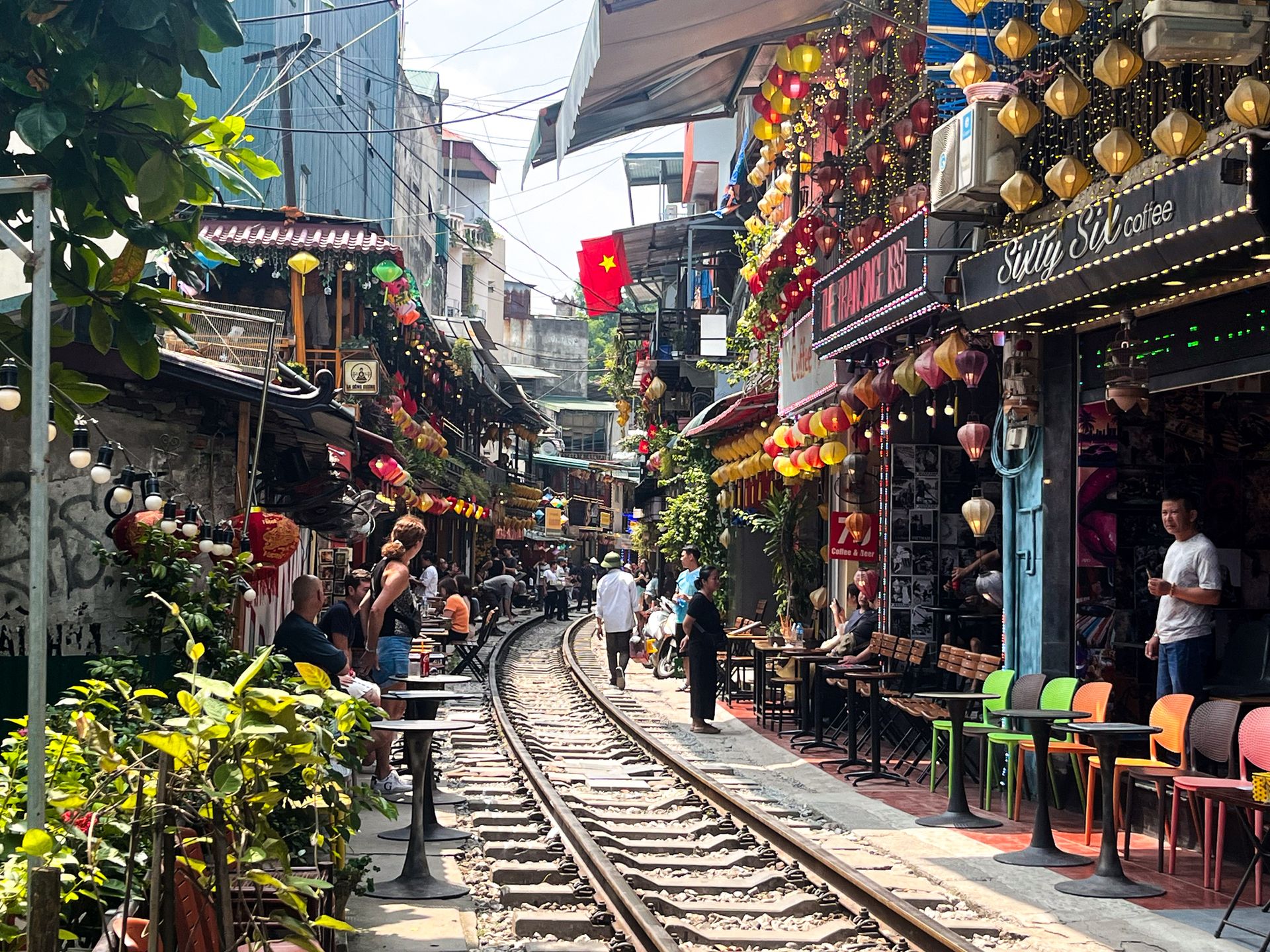
Hanoi serves as the most accessible entry point to Vietnam for travelers new to the country, offering a capital city where a dense historical and cultural program is offset by lakes, tree-lined streets, and a walkable Old Quarter that absorbs visitors at a manageable pace. The city moves fast — motorbikes occupy every available lane and sidewalk, and street vendors work the pavements from dawn through midnight — but the pace carries an energy that feels engaging, not exhausting, for most visitors willing to surrender their expectations of orderly pedestrian space.
The Vietnamese egg coffee served in the cafes of the Old Quarter has become one of Hanoi’s signature food experiences: a thick, custard-like mixture of egg yolk, condensed milk, and coffee that functions as both dessert and beverage and illustrates the city’s capacity for culinary invention within a local tradition. The Old Quarter’s narrow streets, each historically associated with a specific trade, provide a living urban map of the city’s mercantile history and shelter some of Hanoi’s best street food alongside the souvenir shops and tailors that now occupy many of the original workshop spaces.
The Temple of Literature, founded in 1070 and expanded over subsequent centuries as Vietnam’s first national university, stands as the city’s most important historical monument and one of the best-preserved examples of traditional Vietnamese architecture in the country. The Ho Chi Minh Mausoleum, where the embalmed body of Vietnam’s founding leader is displayed in a granite building modeled on Lenin’s tomb in Moscow, draws visitors with a specific interest in 20th-century political history and remains one of the most visited sites in the country. The range of what Hanoi offers — from ancient scholarship to revolutionary politics to contemporary street food — makes it a more layered destination than its reputation as a transit city for trips to Ha Long Bay sometimes suggests.
Ulrich Hollmann / Getty Images
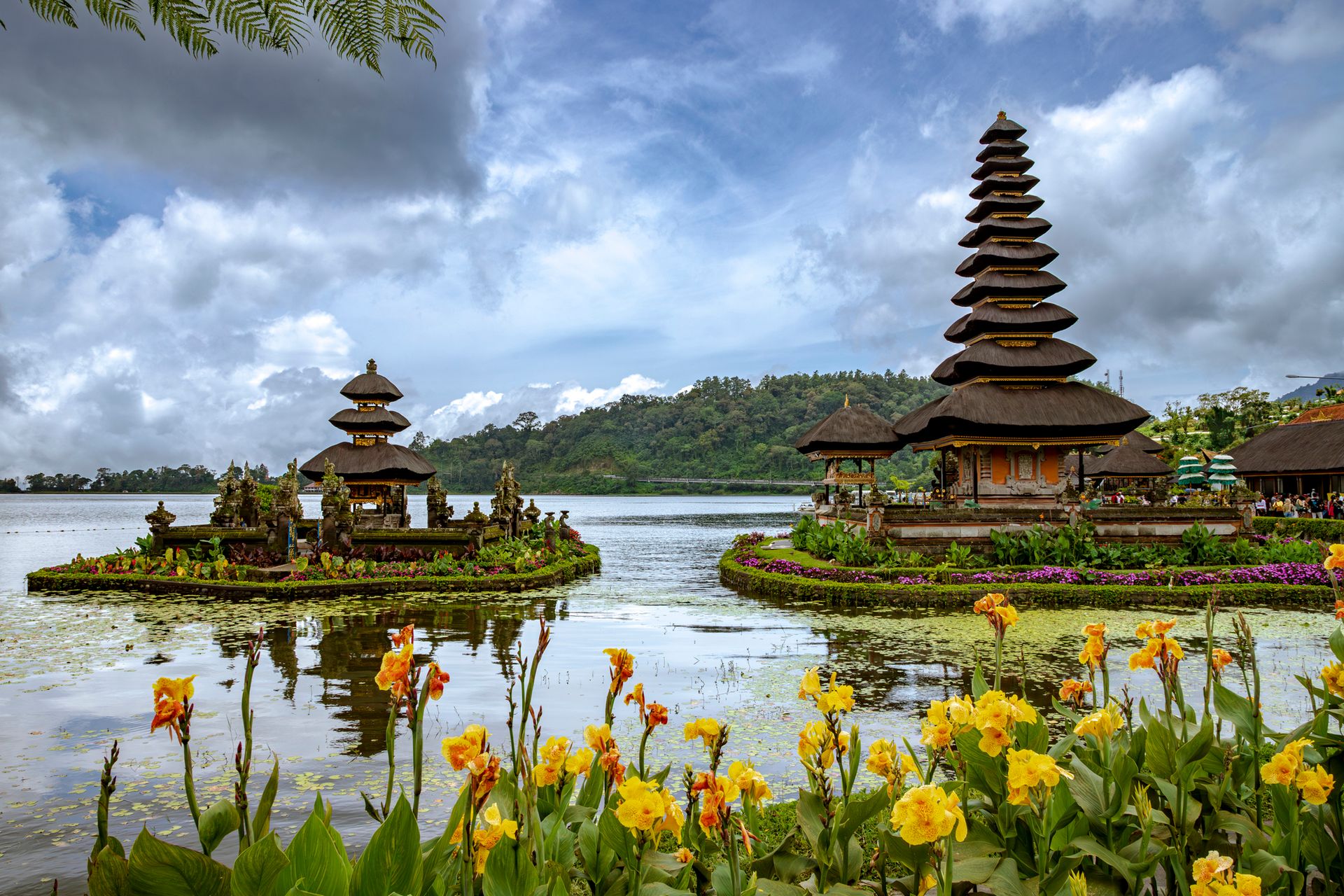
Bali concentrates an unusual density of natural and cultural environments into a single Indonesian island, placing dense rainforest, volcanic mountain terrain, sweeping river valleys, and surf beaches within a geography small enough to traverse in a few hours. The proximity of these environments means that a traveler can visit a water temple in the morning, walk a rice terrace at midday, and watch the sun drop behind a clifftop sea temple in the evening without a long drive separating the experiences. Few islands of Bali’s size offer that range of landscape types within a single day’s reach.
The temple circuit gives Bali its spiritual identity. Uluwatu, perched on a limestone cliff above the Indian Ocean on the island’s southern peninsula, hosts Kecak fire dance performances at sunset that combine theatrical and religious traditions into a spectacle aligned with the setting’s natural drama. Tanah Lot, rising from a tidal outcrop off the western coast, is surrounded by water at high tide and connected to the shore at low tide, and the interplay between the temple and the sea makes it among the most photographed religious sites in Southeast Asia. Both temples are best visited in the late afternoon, when the angle of the light and the presence of sunset crowds give the sites their most vivid character.
Ubud, the island’s inland cultural capital, draws visitors with the Tegalalang rice terraces north of the town — a UNESCO-recognized agricultural landscape of tiered paddies carved into a hillside — and with the Sacred Monkey Forest Sanctuary, a reserve housing three Hindu temple complexes within a patch of ancient woodland. Visiting in late spring or early autumn avoids the peak tourist season that concentrates crowds at Ubud’s most popular sites and raises accommodation prices across the island. The timing recommendation is particularly important for travelers who want to experience the rice terraces and temples without navigating significant visitor volume.
Twenty47studio / Getty Images
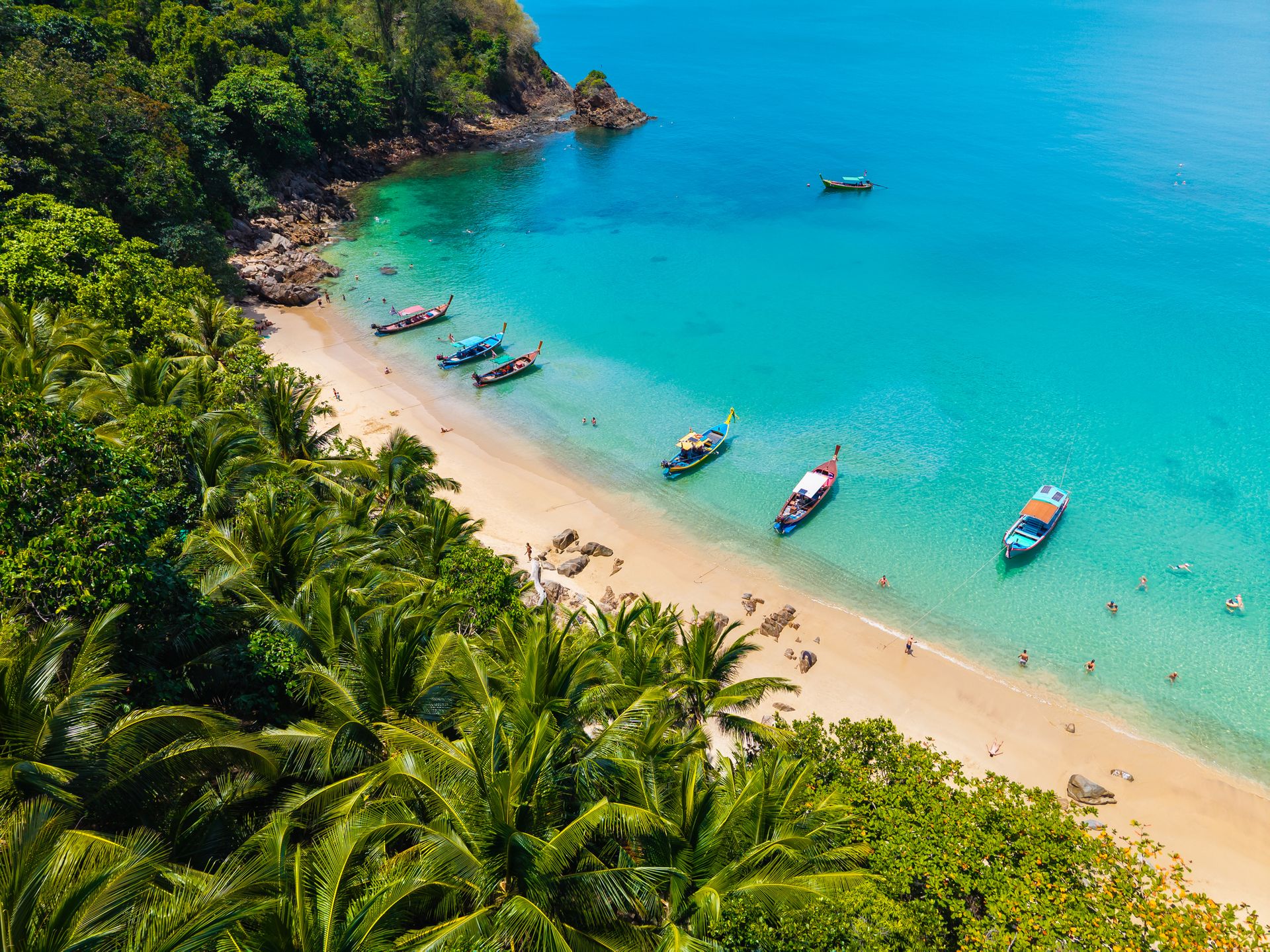
Phuket, Thailand’s largest island, offers the elongated white-sand beaches and clear turquoise water that define the Thai beach archetype, and delivers them alongside a range of accommodation prices and entertainment options that make the island accessible to travelers across a wide budget range. The beach experience on Phuket’s western coast — Patong, Kata, and Karon among the major strands — suits both the traveler who wants a sunlounger and a cocktail and the one who wants to swim, snorkel, or kayak from the shore, and the infrastructure supporting all of those activities is well-established.
The Phang Nga Bay excursion ranks among the most memorable day trips available from any beach destination in Asia. Traditional wooden longtail boats carry visitors through the bay’s labyrinth of limestone karsts — towering rock formations that rise directly from the sea — to James Bond Island, named for its appearance in “The Man with the Golden Gun” and now one of Thailand’s most visited natural landmarks. The karst formations in the bay, eroded by centuries of wave action into shapes that range from the vertical to the improbably overhung, create a seascape with no equivalent elsewhere in the region.
Bangla Road in Patong serves as the island’s nightlife center, a pedestrianized strip of bars, clubs, and street performers that reaches peak activity after midnight and sustains it until the early morning hours. Phuket’s beach clubs, scattered across the island’s western coastline, offer a more daytime-oriented social experience anchored around pools, DJs, and food and drink service. Lodging across the island spans budget guesthouses to five-star resorts, and the availability of affordable options throughout the tourist zone gives Phuket a cost profile that makes it one of the more financially accessible entries on this list for travelers visiting from outside the region. Established tourist infrastructure, a wide beach, an activity menu, and the Phang Nga Bay excursion make Phuket the easiest starting point in Southeast Asia for travelers who want a strong beach-and-adventure week without extensive advance planning.
