Wind turbines are impressive structures, towering higher than some of the world’s tallest buildings. When installed offshore, the extent of the construction beneath the surface is just as impressive (and costly).
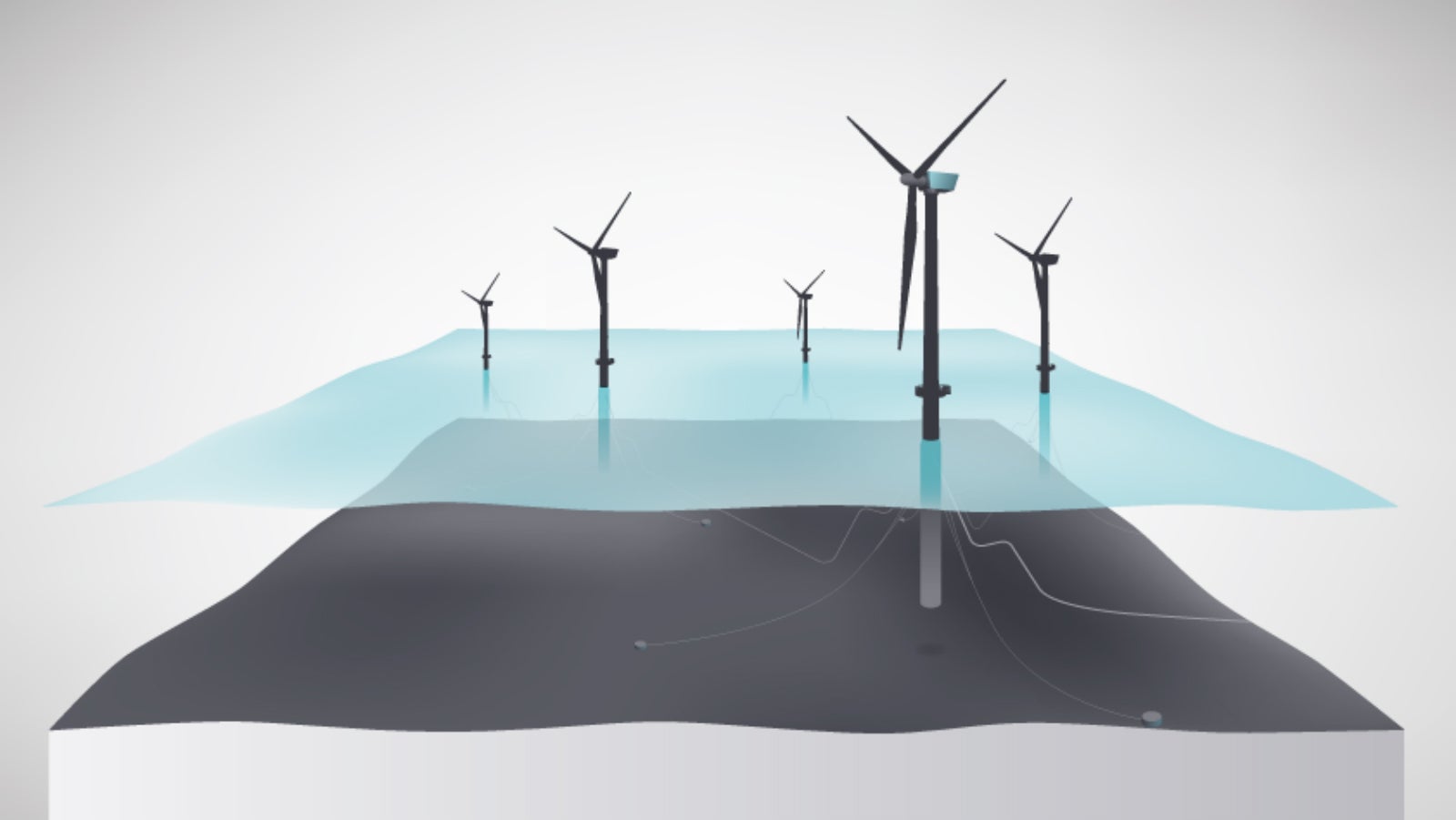
Wind turbines are impressive structures, towering higher than some of the world’s tallest buildings. When installed offshore, the extent of the construction beneath the surface is just as impressive (and costly).
But now, the world’s first floating wind farm has begun to produce power in Scotland. If the technology becomes cheaper, which developer Statoil says is only a matter of time, it will open up parts of the ocean previously considered too deep for stationary turbines.
Join 500,000+ readers who start their day with Quartz.
By subscribing, you agree to our Terms of Service and Privacy Policy.
Statoil developed some nifty software that twists the blades of the floating turbine in response to the motions of the wind, waves, and ocean currents. These dynamic blades, along with ballast at the base of the structure, keep the 175-meter tall, 10,000-metric ton turbines (574 feet, 11,00 short tons) upright. The floating structures can operate in water as deep as 1,000 meters.
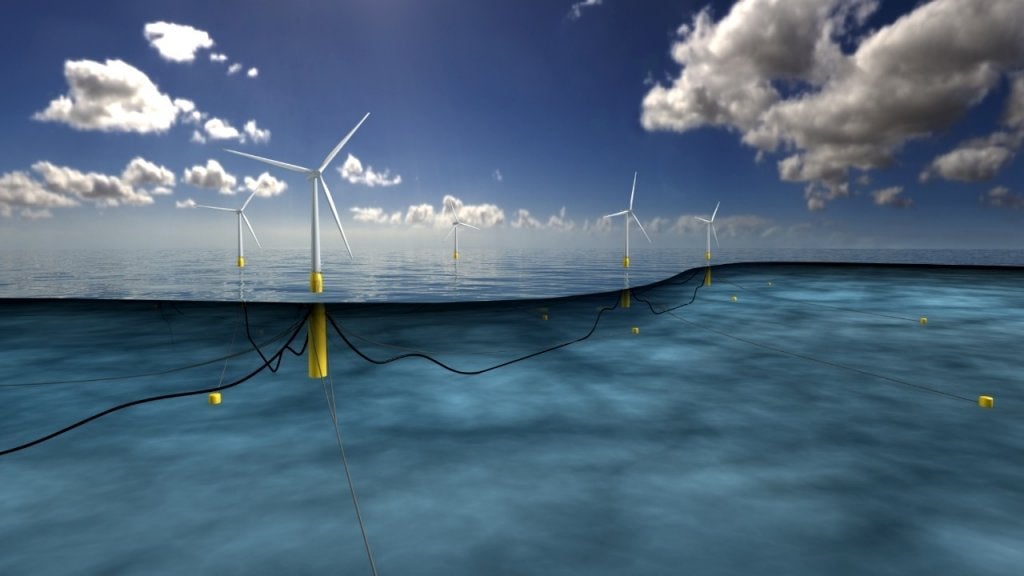
Statoil has tested the technology for the past six years, and is now ready to deploy it for the first time in a commercial project. The first floating wind turbine has been placed about 20 km (12 miles) off the coast of Peterhead in Scotland. Another four turbines will be added to the farm, which together will generate enough energy to power 20,000 households. The £190 million ($250 million) project is being financed by the UK government’s renewable-energy plan.
Scotland’s windswept shores make it an ideal place to test the technology. In June, the country’s existing wind farms set a new record for generation, producing enough energy to power every Scottish household (and then some).
Floating wind turbines cannot currently compete with fixed turbines, which have seen their cost plummet by more than 30% since 2012. However, Statoil believes that as floating wind farms are built at scale, they will soon be able to compete with traditional offshore wind turbines without subsidies. A 2015 report (pdf) from the Carbon Trust found 30 concepts under development, with five demonstrated at scale.
