In Japan’s humid summers, some popsicles are staying cool even in the heat.
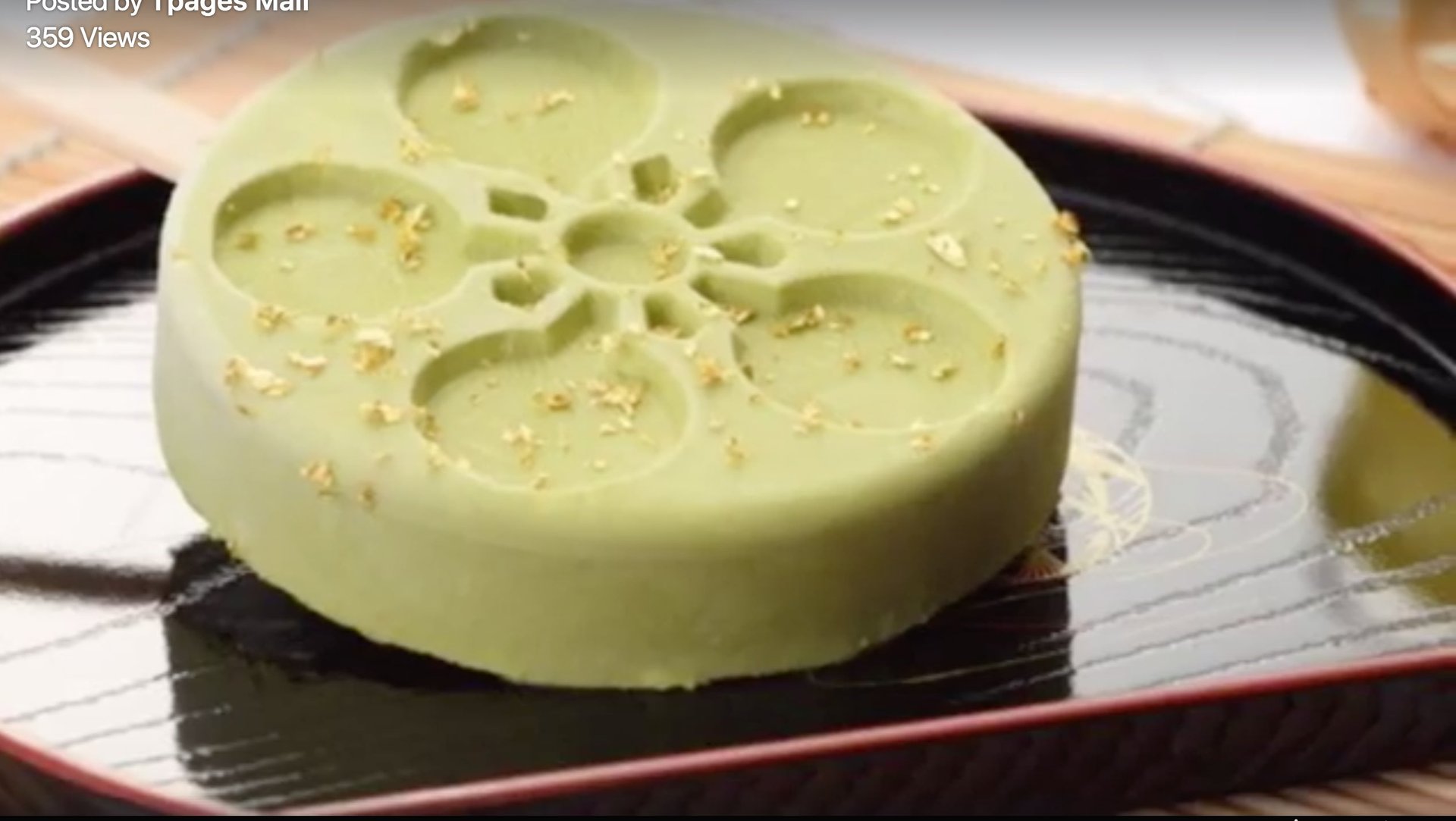
In Japan’s humid summers, some popsicles are staying cool even in the heat.
An accidental discovery at Kanazawa-based Biotherapy Development Research Center helped create popsicles that reportedly don’t melt, and they’re available for sale in parts of Japan. Kanazawa Ice—also known as “not melting popsicles”—first hit stores in the northwestern city Kanazawa in April, reported Japanese daily newspaper Asahi Shimbun, before rolling out in Osaka and Tokyo.
Join 500,000+ readers who start their day with Quartz.
By subscribing, you agree to our Terms of Service and Privacy Policy.
The secret ingredient that helps the popsicles keep their shape is polyphenol liquid extracted from strawberries. “Polyphenol liquid has properties to make it difficult for water and oil to separate so that a popsicle containing it will be able to retain the original shape of the cream for a longer time than usual and be hard to melt,” said Tomihisa Ota, the popsicle’s developer.
The company didn’t set out to create popsicles that don’t melt. It came into the discovery by surprise when it tapped a pastry chef to try to use strawberry polyphenol to create a new kind of confectionary, an attempt to make use of strawberries, which were not in good enough shape to be sold, from Miyagi Prefecture, which is still recovering from the 2011 earthquake and tsunami. The pastry chef complained that cream would solidify when it came in contract with polyphenol.
A reporter with Asahi Shimbun tested the popsicle in Kanazawa in July, when the temperature was around 28 degrees Celsius (82.4 degrees Fahrenheit), and found that a popsicle “retained its original shape” after five minutes in the heat. It’s unclear how long the popsicles can last in high temperatures, but it is expected to remain “almost the same even if exposed to the hot air from a dryer,” according to Takeshi Toyoda, president of the Biotherapy Development Research Center.
