That was quick.
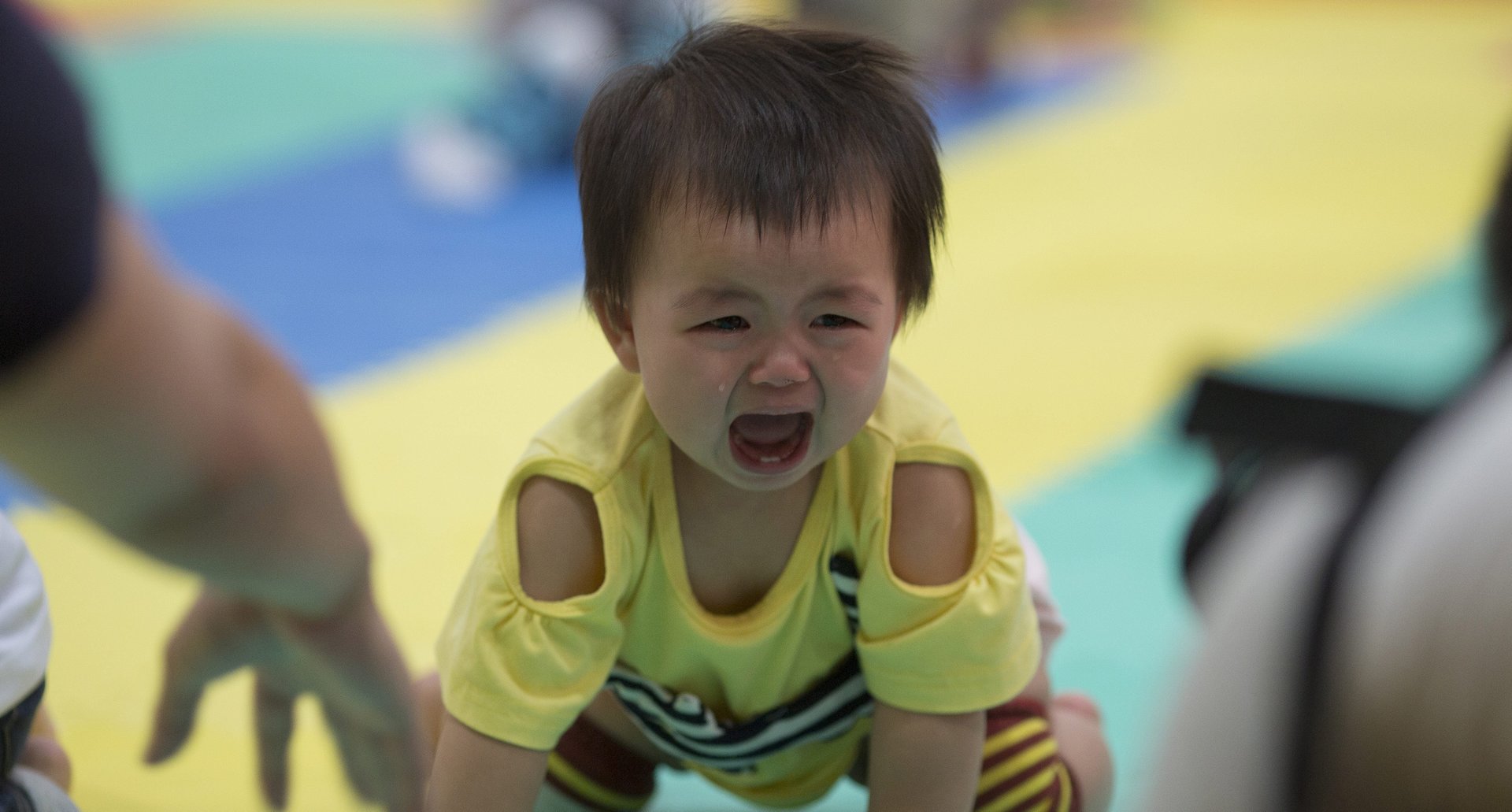
When China officially ended its one-child policy in 2015, couples promptly heeded the call and had a lot more babies. Under its new two-child policy, China recorded 18.46 million births in 2016—the highest since 2000—with almost half of those babies having at least one older sibling.
Join 500,000+ readers who start their day with Quartz.
By subscribing, you agree to our Terms of Service and Privacy Policy.
But in 2017, the number of live births fell 3.5% to 17.23 million from the year before, according to data released by the government. About half of them were second children in the family. The reason for the decline was attributed to a decrease in the number of women of fertile age and more women delaying marriage and pregnancy (paywall).
Chinese officials have gradually eased the one-child policy that had been in place since 1979, in hopes of addressing some of the social and economic problems caused by its draconian family-planning law, such as a massive gender imbalance that has made it hard for many men to find wives and a shrinking labor force that threatens economic development. China’s working-age population has been falling since 2012, and the government warns of a “sharp decline” after 2030. A rapidly aging population will also put huge strain on the country’s social services.
Echo Huang contributed reporting.
