The theme of the World Economic Forum in Davos this year is “Creating a Shared Future in a Fractured World.” The official program features more than 400 sessions over four days (Jan. 23-26), heavy on the economic and geopolitical abstractions for which the elite gathering has become (in)famous. Expect earnest panel discussions between world leaders and captains of industry about “skilling up for the fourth industrial revolution” and “navigating a multipolar and multiconceptual world.”
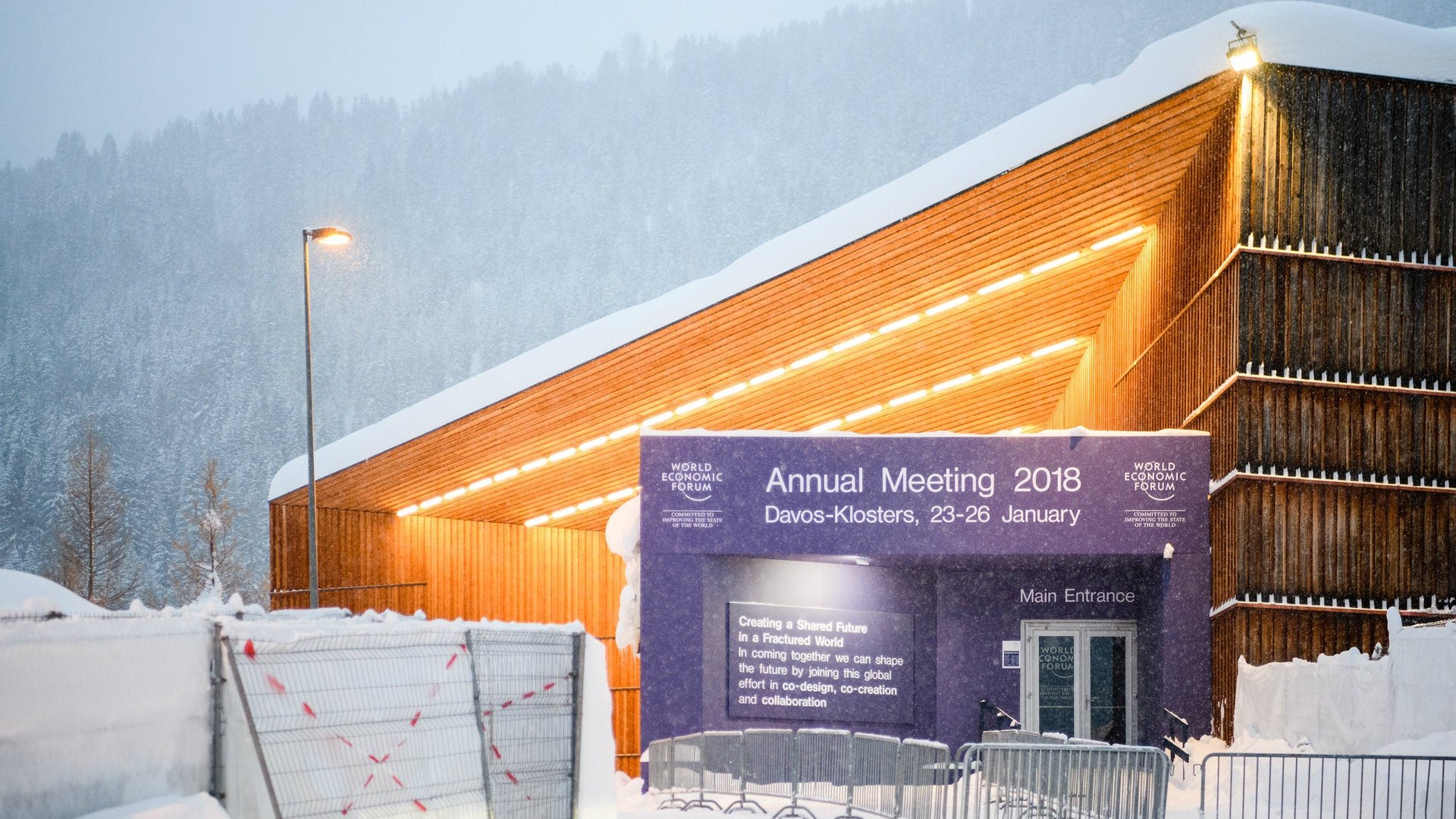
The theme of the World Economic Forum in Davos this year is “Creating a Shared Future in a Fractured World.” The official program features more than 400 sessions over four days (Jan. 23-26), heavy on the economic and geopolitical abstractions for which the elite gathering has become (in)famous. Expect earnest panel discussions between world leaders and captains of industry about “skilling up for the fourth industrial revolution” and “navigating a multipolar and multiconceptual world.”
So far, so Davos.
Join 500,000+ readers who start their day with Quartz.
By subscribing, you agree to our Terms of Service and Privacy Policy.
But over the past year, the typical forum delegate—a white, male executive—has seen the status quo upended. Sexual harassment scandals have roiled business and politics, while patience for the slow pace of progress on gender, race, and sexual orientation equality is wearing thin.
Guys, we need to talk about some things.
That’s why the Davos planners have identified eight thorny societal issues to be discussed in a series of panels that begin with “We Need to Talk About.” The prominence of these sessions is hampered by their location in The Loft (pdf), a small space with a capacity of 25 adjacent to the main Congress Center, where activities are not livestreamed. But it is still telling that the sessions are being held at all, and also that the first one is about “privilege.”
