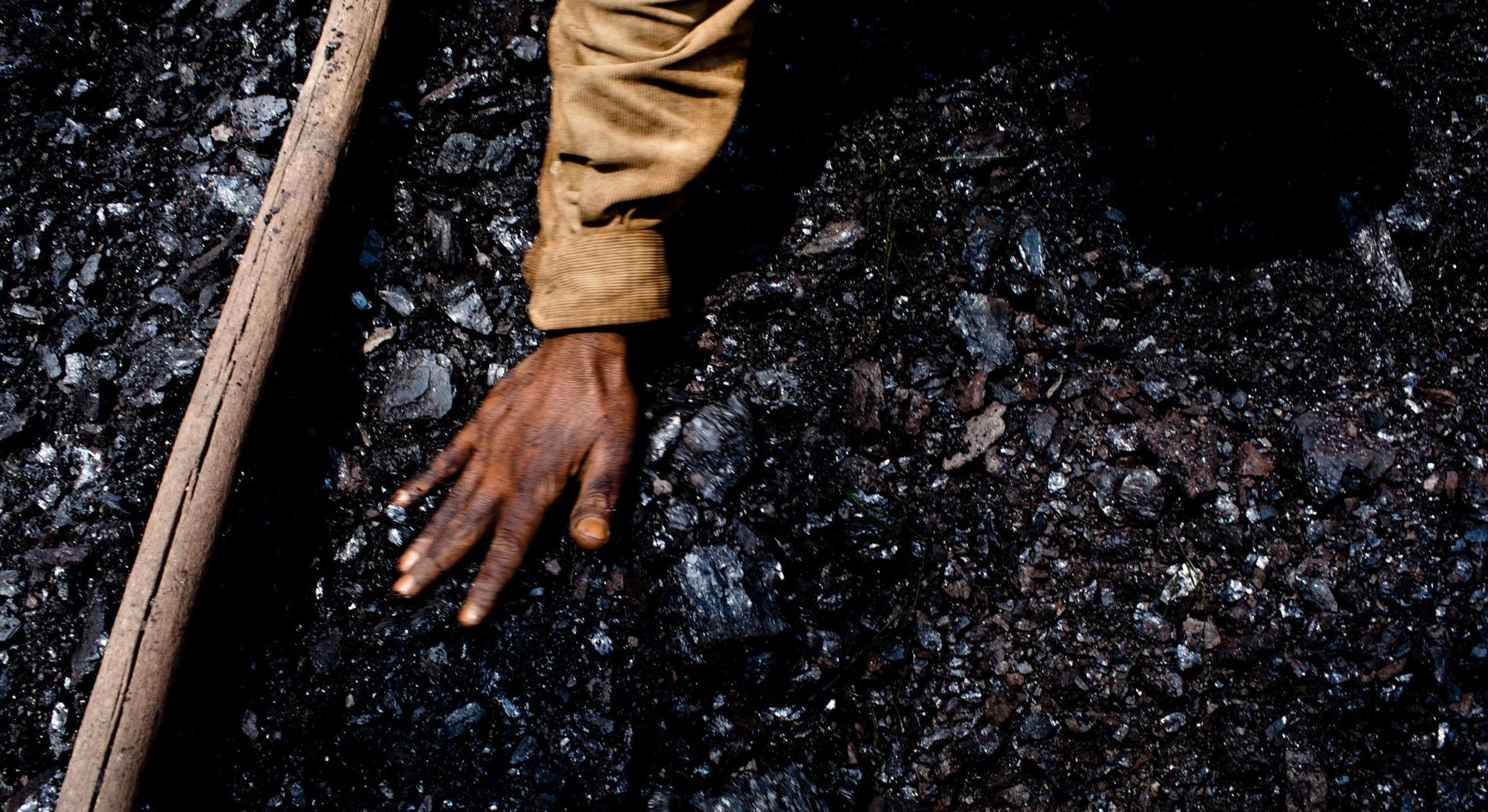
Moody’s Investor Service predicts that the US coal industry will continue a “sharp decline.” That is, unless carbon capture and storage (CCS) is deployed.
The technology involves capturing carbon emissions from power plants (and other producers), and then burying the emissions underground. Through proper monitoring, the buried emissions can remain there for tens of thousands of years. If done at scale—burying billions of metric of carbon dioxide by 2050—the technology can help avoid catastrophic climate change.
CCS has been in commercial use since the 1970s to boost production of depleted oil and gas fields—when emissions are injected underground, they can essentially force previously hard-to-reach fossil fuels out of the ground. In recent decades, CCS has also been used for climate-change mitigation by countries like Norway, Canada, and the US. Many international bodies, such as the International Energy Agency and the Intergovernmental Panel on Climate Change, believe the technology is vital to hit climate goals.
What does that have to do with coal? Well, today (Jan. 25), Moody’s published a report (paywall) saying:
Moody’s is an investor service, and its report doesn’t take a stance on whether or not saving the coal industry is good for the climate. It’s warning investors that if they would like to see the industry survive, they ought to invest in CCS. Nevertheless, it’s worth noting that coal’s steep decline has caused devastation among communities that depended on the industry for their survival.
A pending bill in the US Congress, called the FUTURES Act, is the only legislation currently on the table that would create support for CCS. It proposes to extend and expand tax credits offered to those using CCS to cut emissions. The bill has rare bipartisan support, but its progress has stalled while Congress has been bogged down by more contentious legislation on immigration and healthcare, says USA Today.
In 2017, Quartz published an in-depth series looking at carbon-capture technology. After talking to more than 100 experts, my conclusions were the same as Moody’s: with more investment and policy support, CCS could significantly curb emissions from coal use.
But what perhaps makes CCS more compelling—and it’s not something Moody’s addresses because it’s beyond the scope of their report—is the effect it could have on the environmental impact of industries such as cement, steel, and ethanol. Regardless of where these industries source their energy, they will continue to emit carbon dioxide because of the inherent chemistry of their production. The only way to reduce emissions from these industries is to deploy CCS.
