For a case study of doing business in cash, look no further than America’s fledgling marijuana industry, which typically can’t access the official financial system. Conflicts between federal and state law over the legality of the marijuana trade are minefields for any bank holding money for a questionably criminal enterprise.
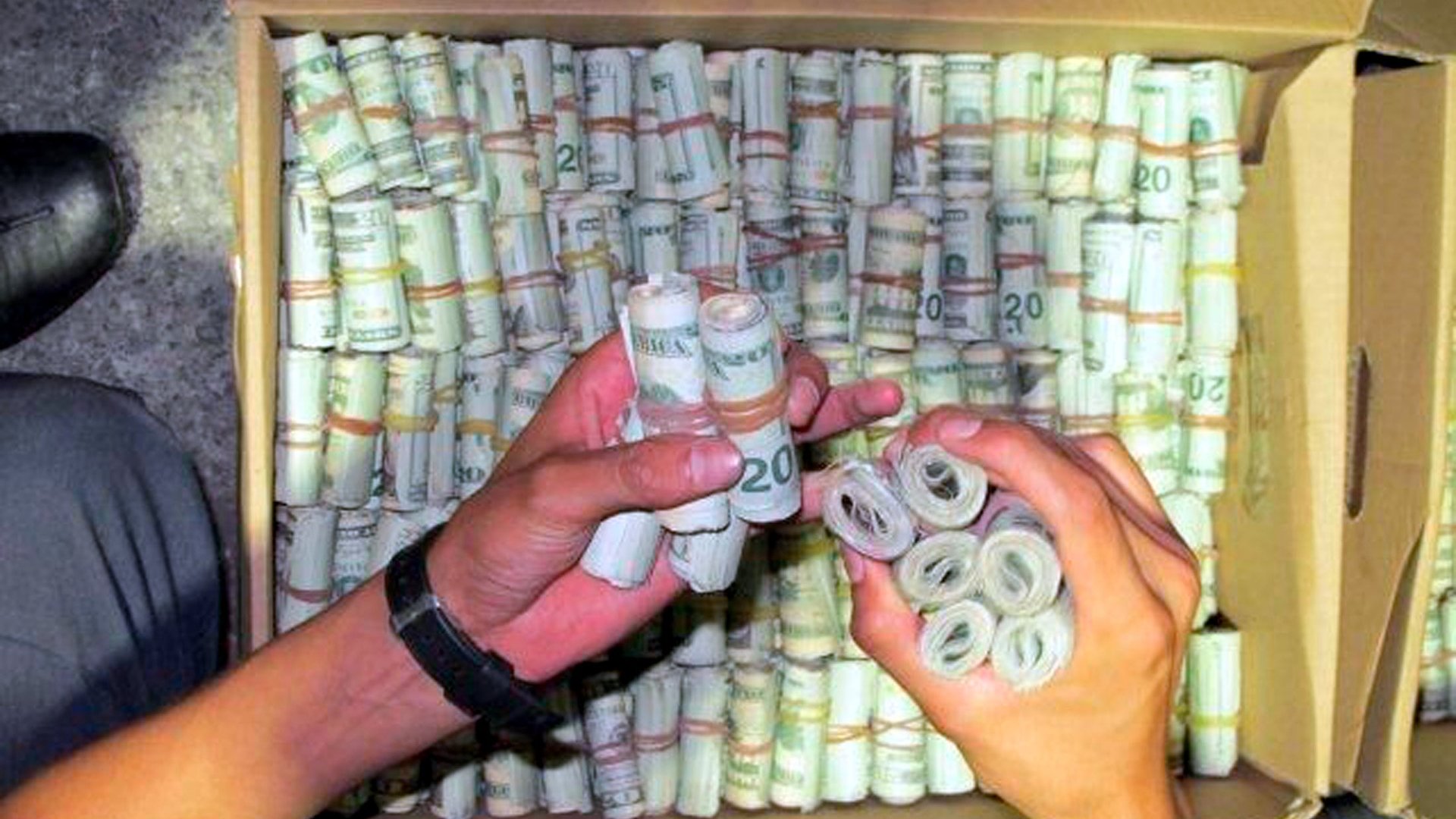
For a case study of doing business in cash, look no further than America’s fledgling marijuana industry, which typically can’t access the official financial system. Conflicts between federal and state law over the legality of the marijuana trade are minefields for any bank holding money for a questionably criminal enterprise.
This cash-only requirement makes accounting and paying contractors a hassle, not to mention less convenient for consumers. Most problematically, though, all that floating cash encourages robbery and more gun-toting at marijuana dispensaries. With more states opting to legalize the drug, American officials are figuring out how to get banks into the business—if only to catch the tax windfall.
Join 500,000+ readers who start their day with Quartz.
By subscribing, you agree to our Terms of Service and Privacy Policy.
This is all to say that cash is archaic. It spreads disease. It makes monetary policy less effective. Why do we even bother with it?
No one has quite replicated the magic combination of anonymity and transparency that physical currency provides, or found a way to break through its network effects and the ingrained habits of millions of people.
The market for replacements is so fragmented that it’s hard for any one alternative to break out, especially because un-copyable digital money—a problem solved at least partially by crypto-currencies like bitcoin— requires operating within an ecosystem. Physical money is its own platform wherever anyone acknowledges its value (a dollar is a dollar anywhere in the world) but digital currencies require a collective conscious adoption of a new platform—special software to log into the network, for example.
But new research from Tufts University aims to highlight the pain points of cash, where digital currency can break in. The use of physical bills costs US consumers, businesses and the government at least $200 billion (pdf) each year—about $1,739 per household. Here are the main reasons why:
This data makes a compelling case for shrinking physical cash in the economy. It also shows why it’s not happening more quickly: The costs are diffuse enough that any one stakeholder doesn’t have the incentive to change everything. The researchers suggest a European-style crackdown on cash transactions to help shrink at least the public costs of the cash economy, which might incentivize government-skeptic bitcoin developers to redouble their efforts.
