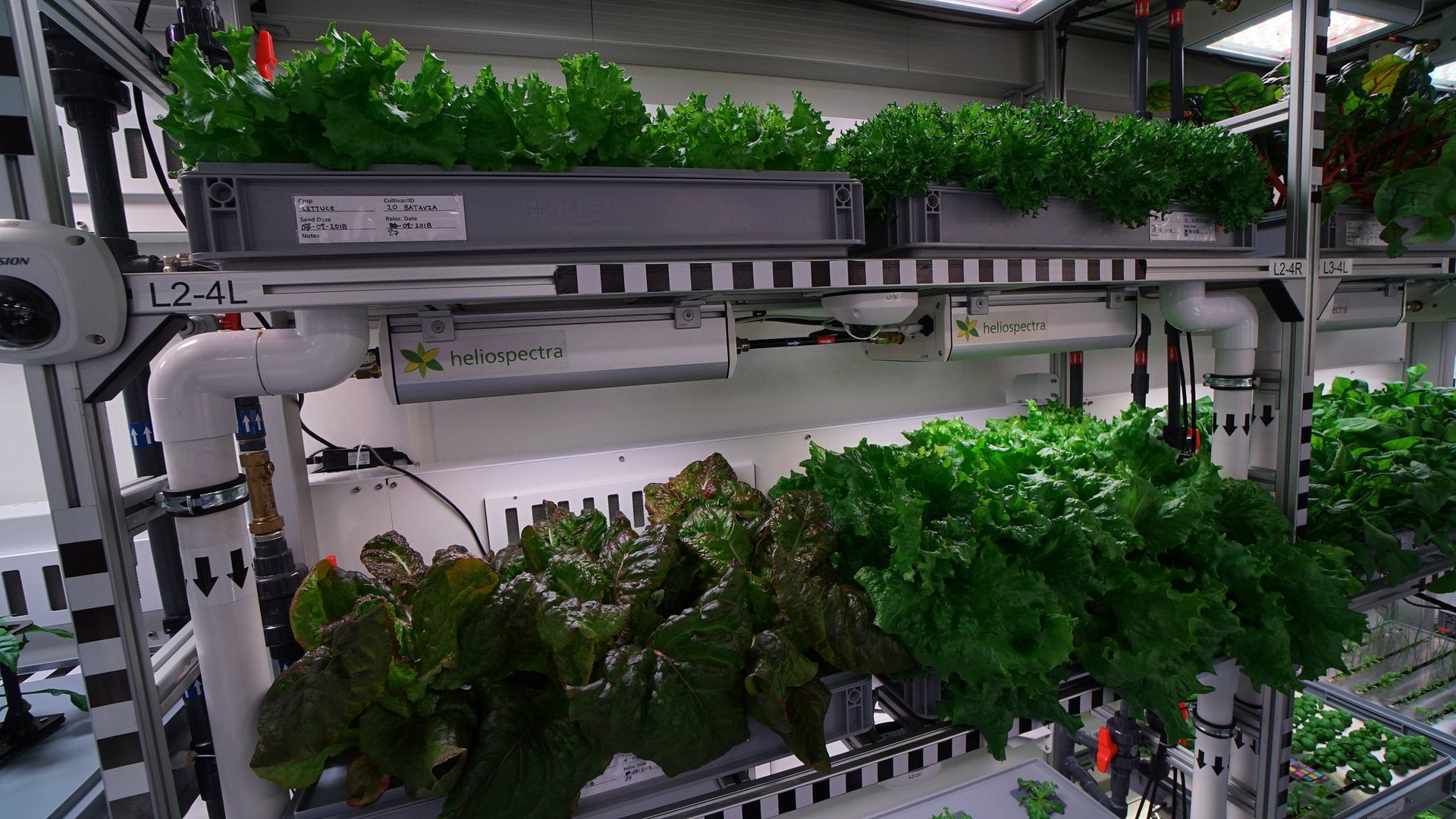
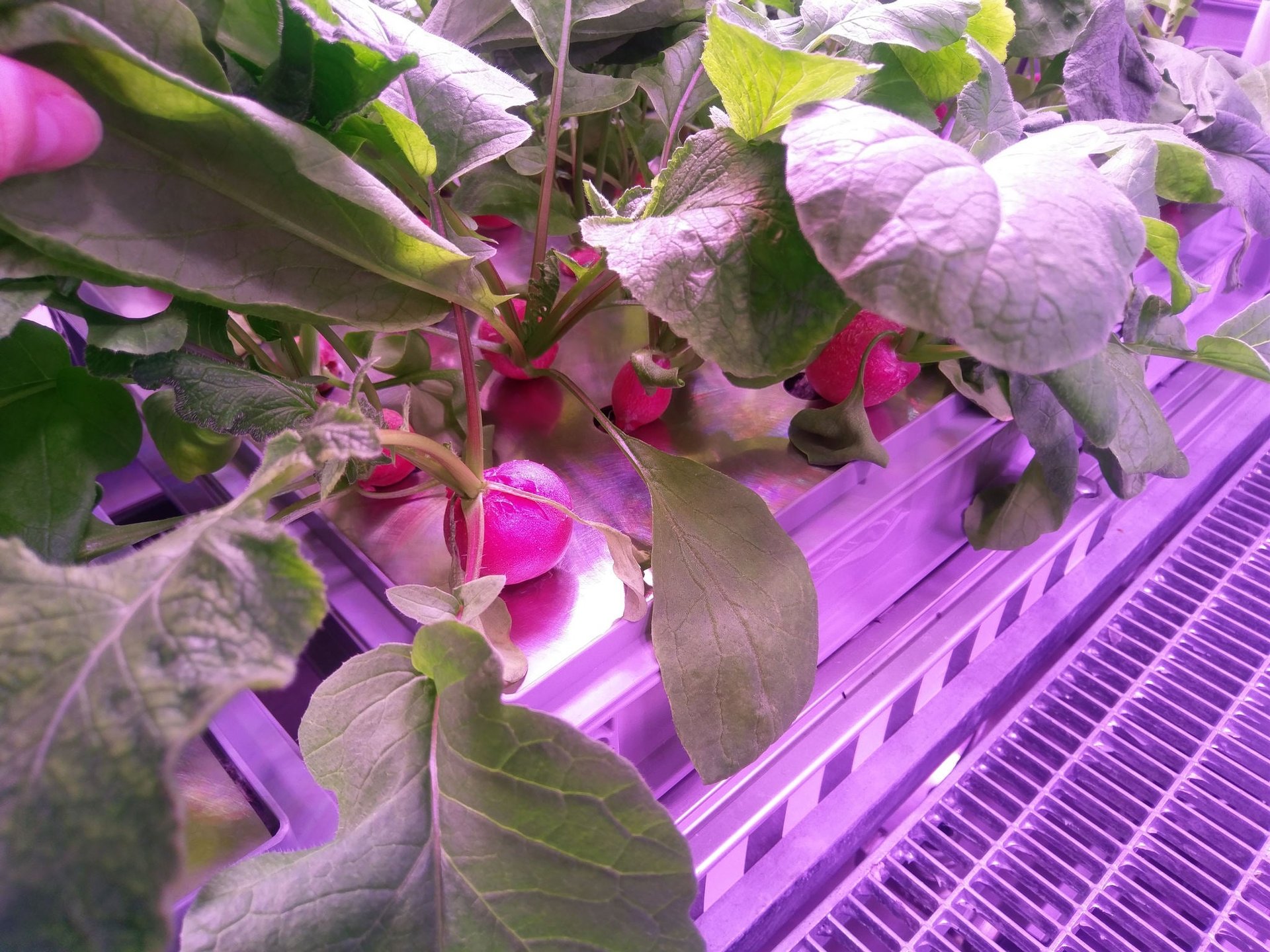
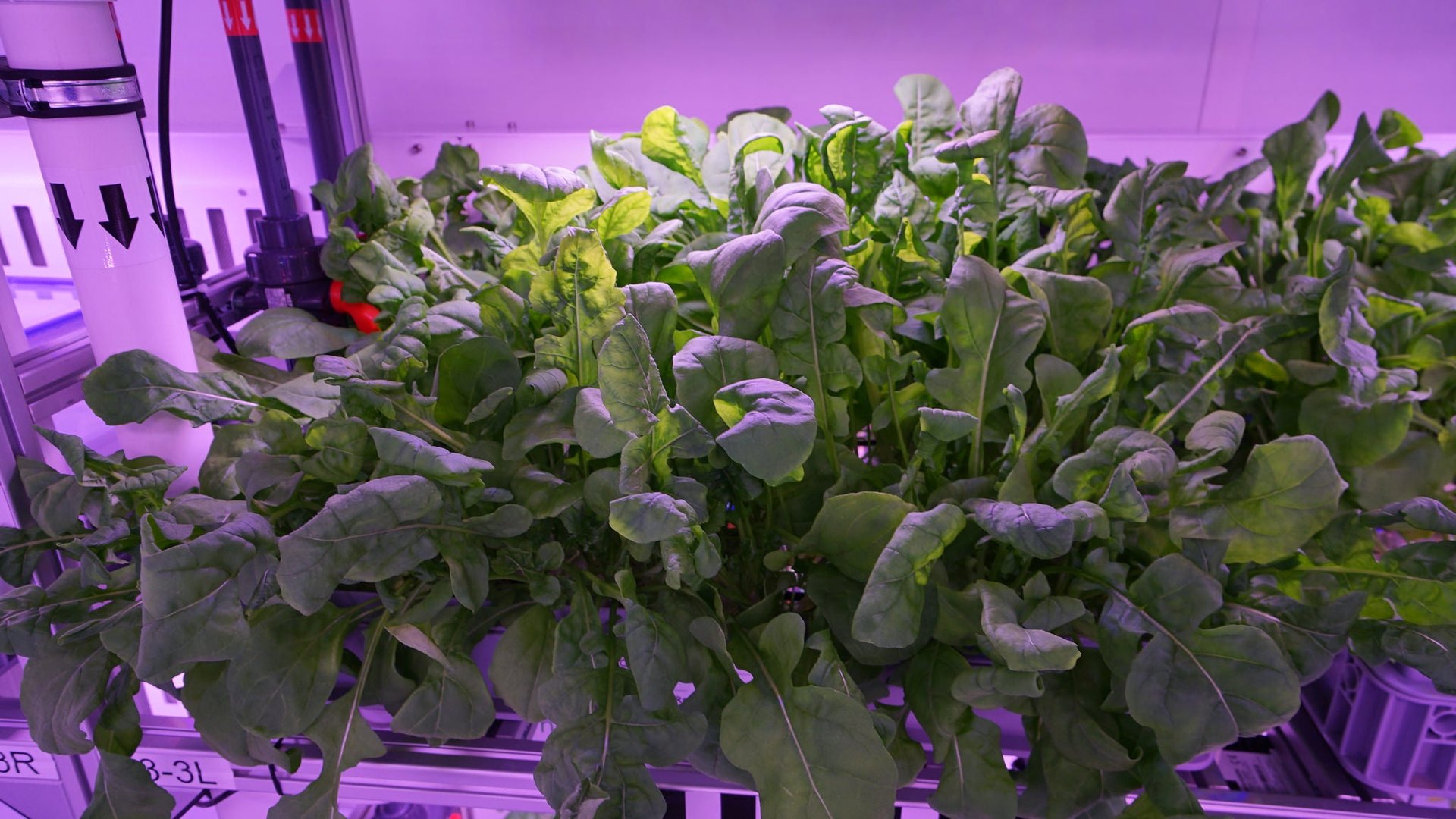
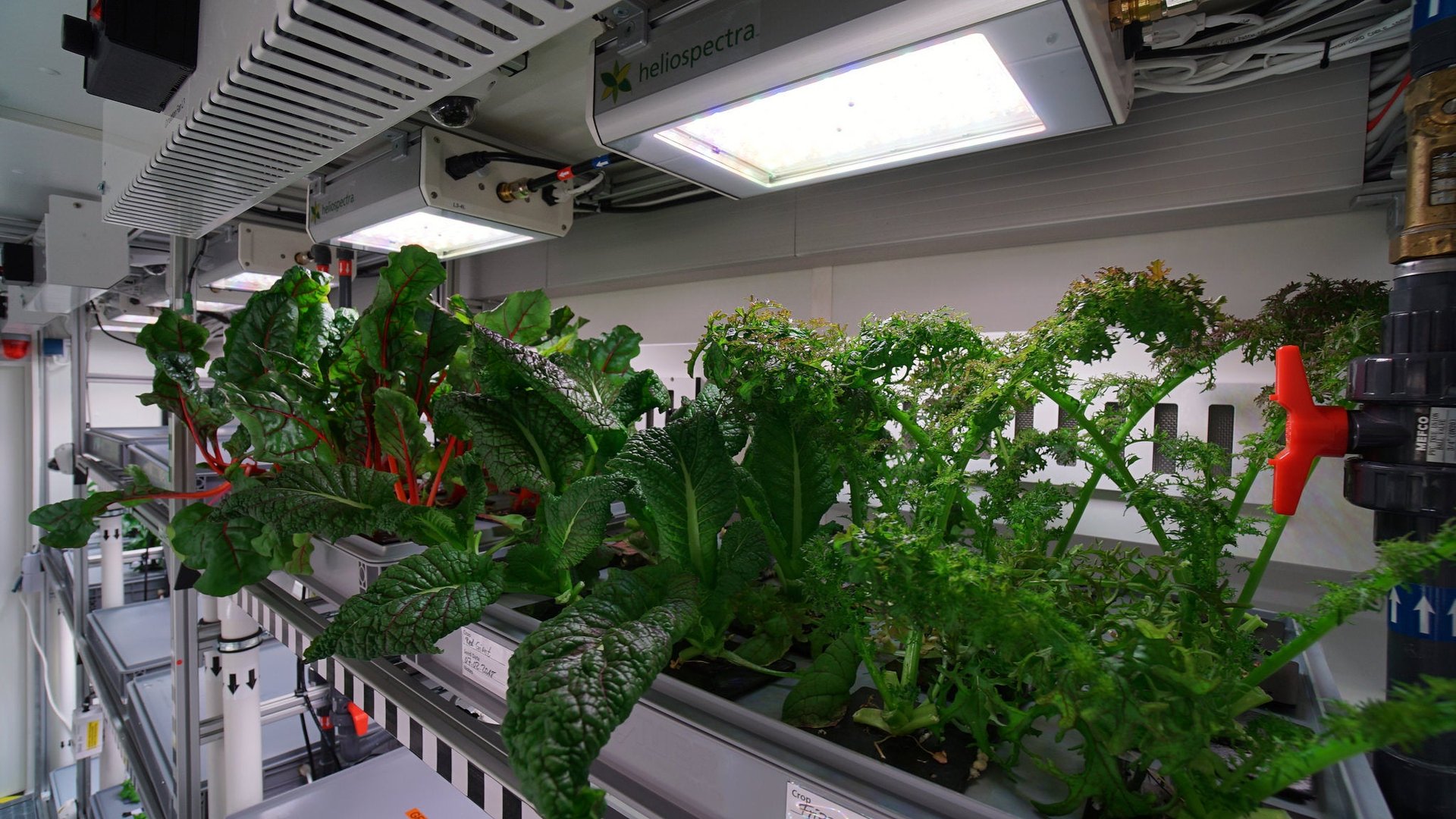
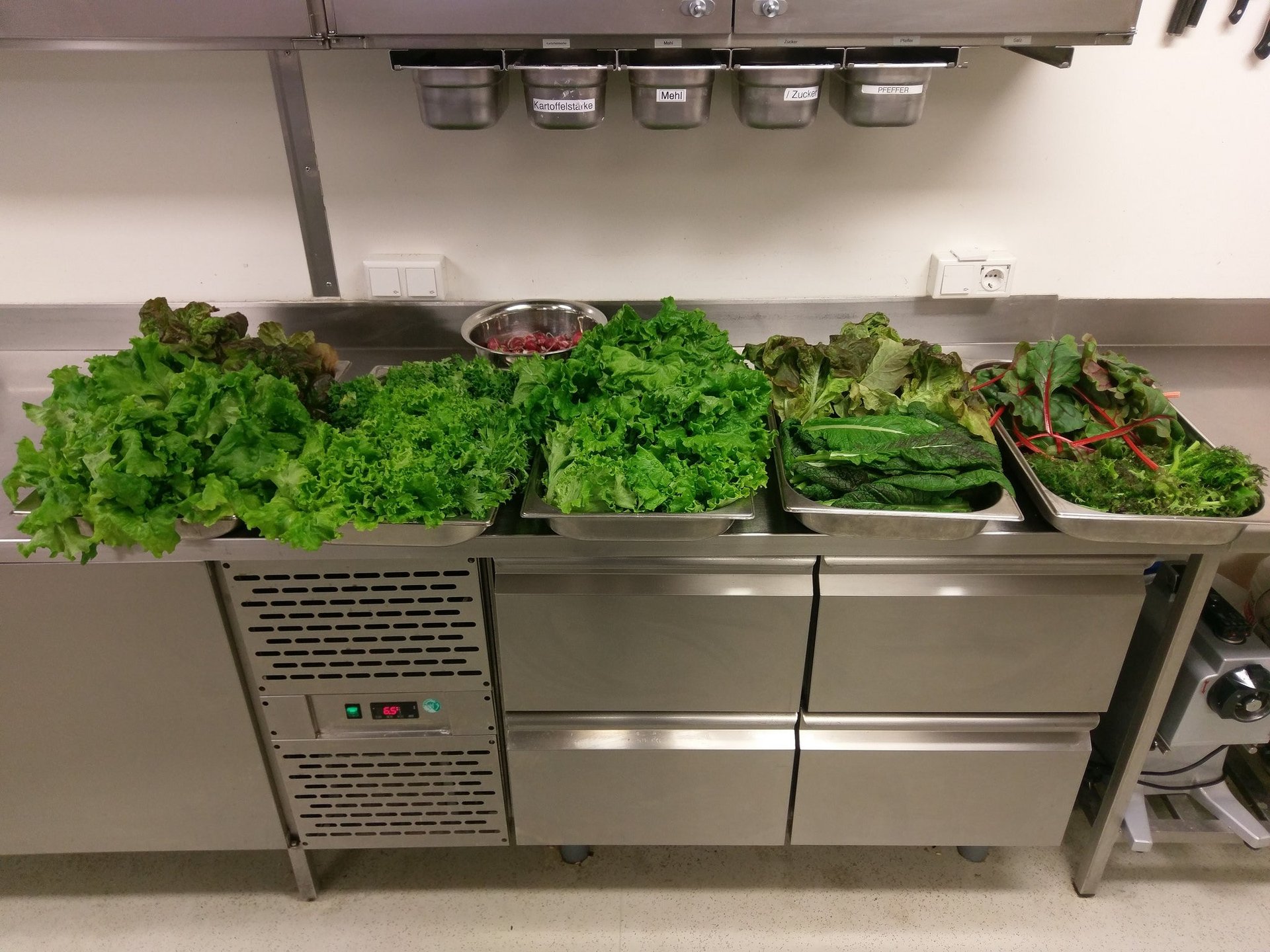
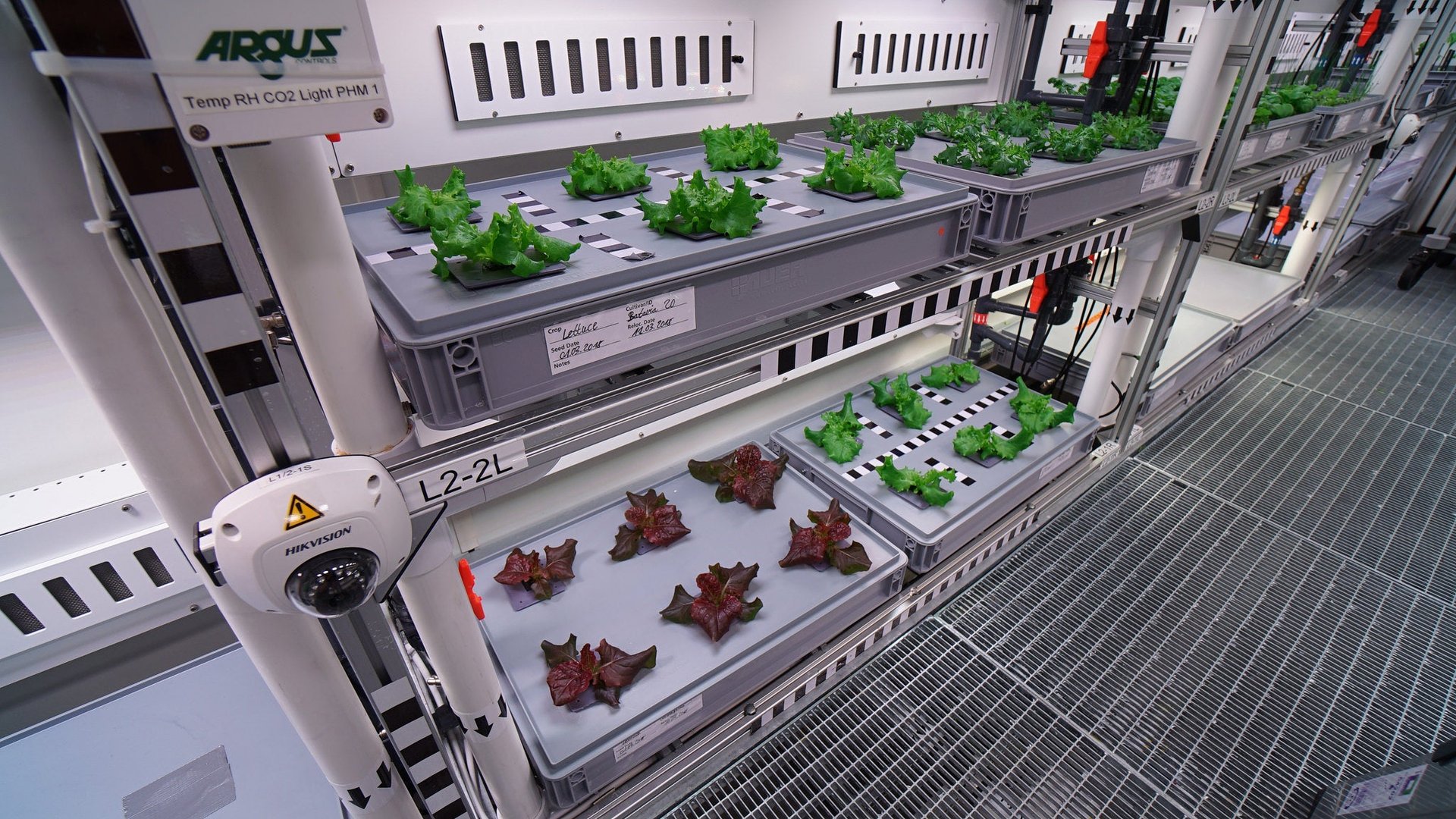
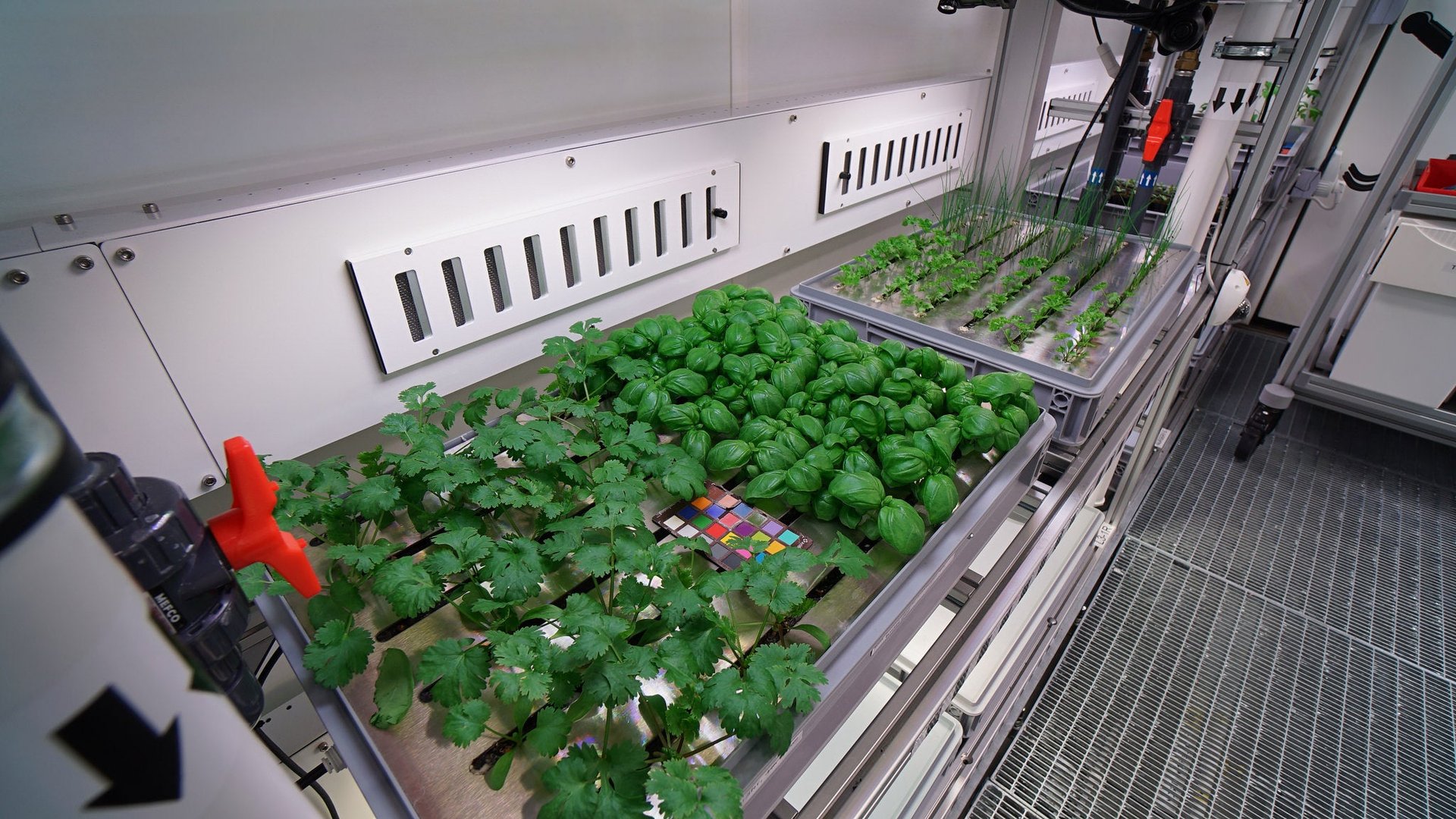
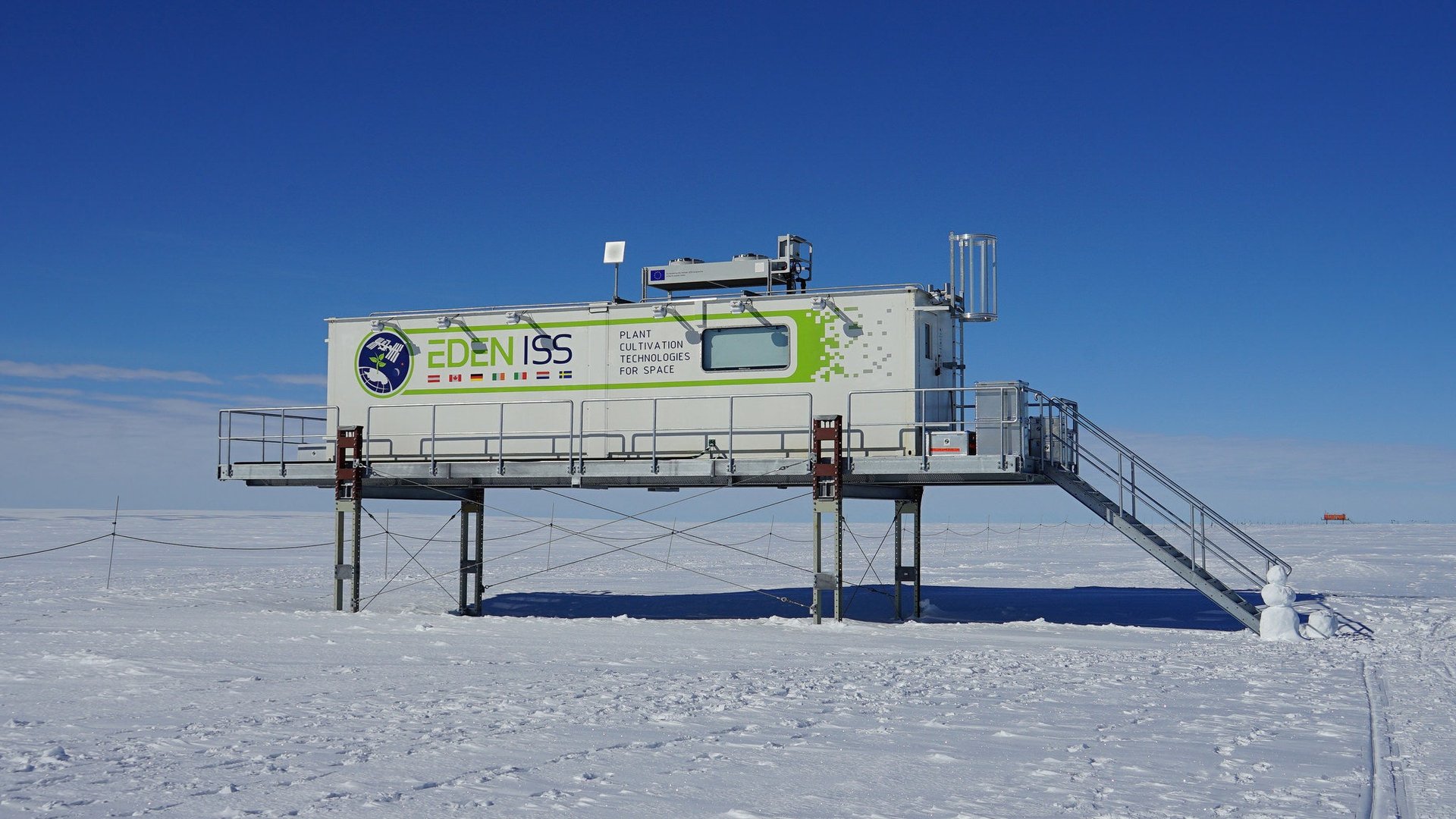
A group of German scientists stationed in Antarctica have successfully grown vegetables in a specially designed sunless, soilless environment. Working out of a shipping container-sized lab in an otherwise barren snowscape, the team gathered about 8 pounds of produce from their first yield, the AP reports, including herbs, lettuce, arugula, and red radishes.
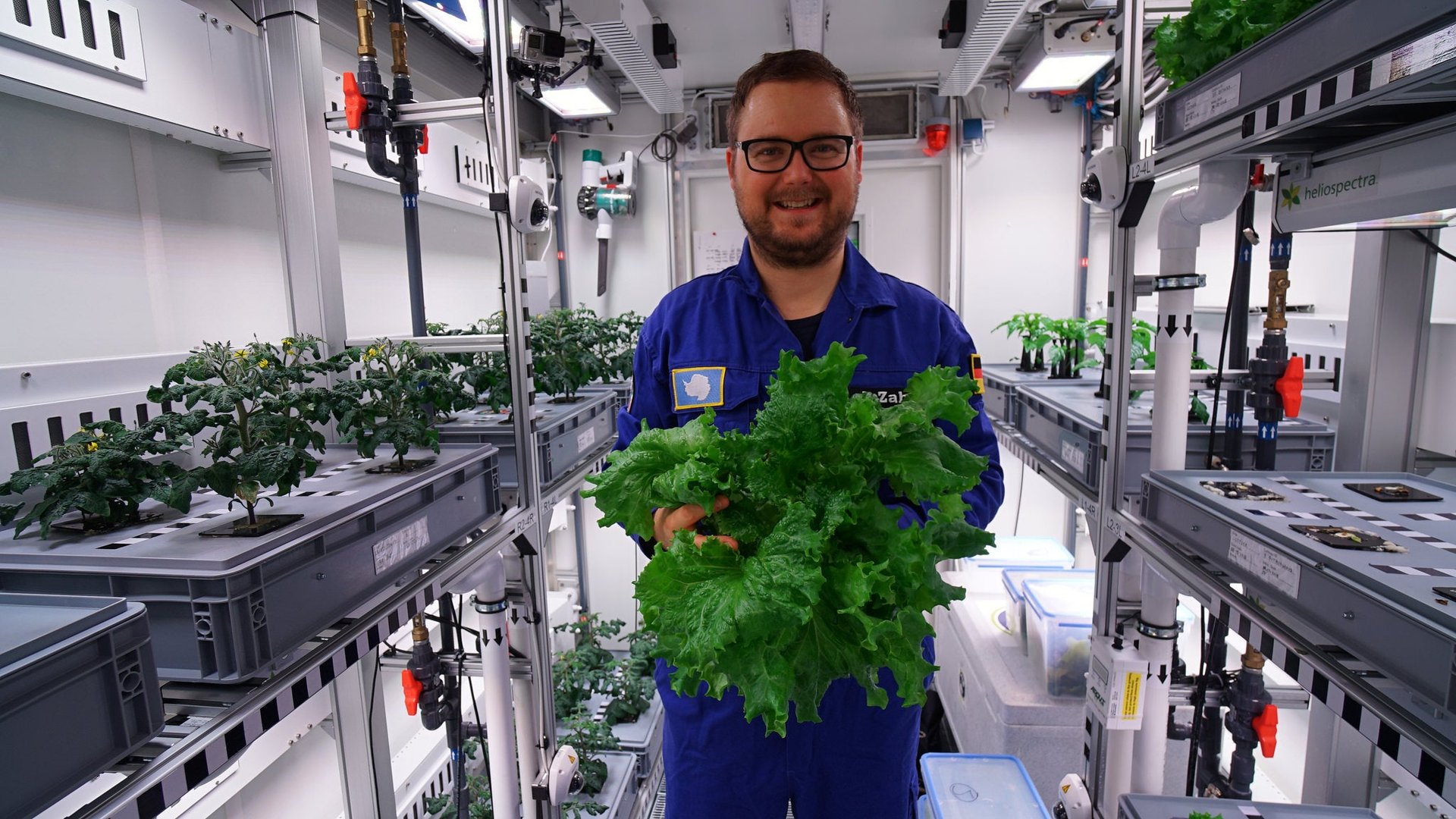
A group of German scientists stationed in Antarctica have successfully grown vegetables in a specially designed sunless, soilless environment. Working out of a shipping container-sized lab in an otherwise barren snowscape, the team gathered about 8 pounds of produce from their first yield, the AP reports, including herbs, lettuce, arugula, and red radishes.
The researchers are working with the EDEN-ISS project, in association with the German Aerospace Center (DLR). The goal of the project is to find possible ways to cultivate food for human missions in space. The hostile environment and isolation of Antarctica provided offer one way for scientists to simulate conditions on Mars or the moon.
Join 500,000+ readers who start their day with Quartz.
By subscribing, you agree to our Terms of Service and Privacy Policy.