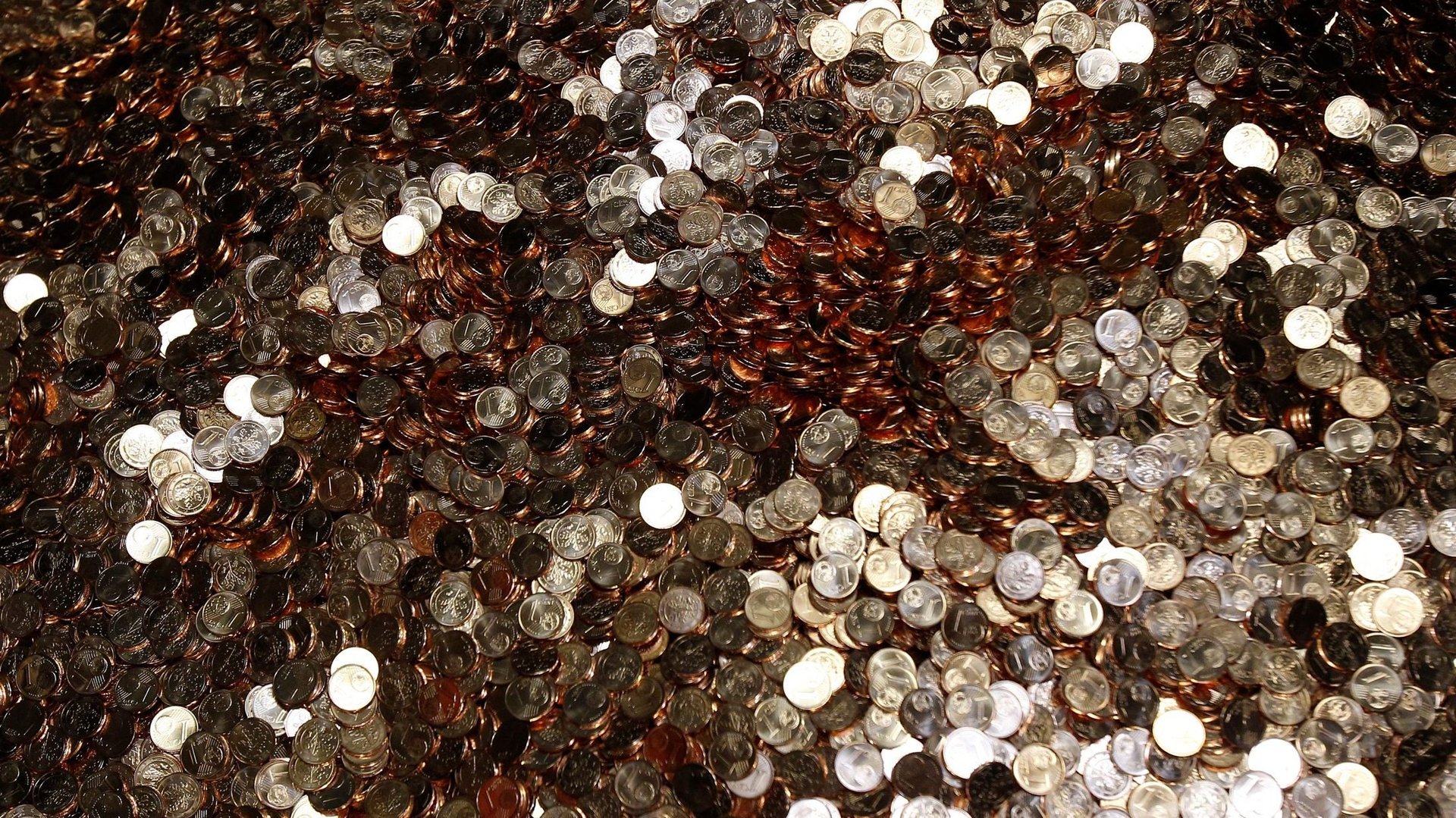
Pennies aren’t cheap.
The one-cent US coin, mostly made of zinc with a little bit of copper, is the most abundant coin in the country. Last year, the US Mint produced more than 8.4 billion pennies for circulation. Between production costs and shipping, they cost $0.0182 each, which totaled to $69 million (pdf, p. 9) in losses compared to their total value—the biggest in nine years. This is likely due to the rising cost of zinc for use in heavy industry, construction, machine and ship building, and steel production.
Join 500,000+ readers who start their day with Quartz.
By subscribing, you agree to our Terms of Service and Privacy Policy.
Nickels have cost more to make than their monetary value for over a decade. The five-cent coins—75% copper and 25% nickel—cost about seven cents each to produce last year. Prices for copper have surgedIt’s a key ingredient in any kind of circuit or wiring, and the rise of electric cars in particular has put stress on the market. Nickel has also gotten more expensive for its use in stainless steels.
Fortunately, dimes and quarters are cheaper to make, costing less than their monetary value. So the Mint makes up the losses incurred on pennies and nickels with its 10- and 25-cent coins, and last year reported making $391.5 million in seigniorage.
